
Recombinant Mouse Cone-rod homeobox protein (Crx)
-
中文名稱:Recombinant Mouse Cone-rod homeobox protein(Crx)
-
貨號:CSB-YP006004MO
-
規(guī)格:
-
來源:Yeast
-
其他:
-
中文名稱:Recombinant Mouse Cone-rod homeobox protein(Crx)
-
貨號:CSB-EP006004MO
-
規(guī)格:
-
來源:E.coli
-
其他:
-
中文名稱:Recombinant Mouse Cone-rod homeobox protein(Crx)
-
貨號:CSB-EP006004MO-B
-
規(guī)格:
-
來源:E.coli
-
共軛:Avi-tag Biotinylated
E. coli biotin ligase (BirA) is highly specific in covalently attaching biotin to the 15 amino acid AviTag peptide. This recombinant protein was biotinylated in vivo by AviTag-BirA technology, which method is BriA catalyzes amide linkage between the biotin and the specific lysine of the AviTag.
-
其他:
-
中文名稱:Recombinant Mouse Cone-rod homeobox protein(Crx)
-
貨號:CSB-BP006004MO
-
規(guī)格:
-
來源:Baculovirus
-
其他:
-
中文名稱:Recombinant Mouse Cone-rod homeobox protein(Crx)
-
貨號:CSB-MP006004MO
-
規(guī)格:
-
來源:Mammalian cell
-
其他:
產(chǎn)品詳情
-
純度:>85% (SDS-PAGE)
-
基因名:Crx
-
Uniprot No.:
-
別名:CrxCone-rod homeobox protein
-
種屬:Mus musculus (Mouse)
-
蛋白長度:Full length protein
-
表達區(qū)域:1-299
-
氨基酸序列MMAYMNPGPH YSVNALALSG PNVDLMHQAV PYSSAPRKQR RERTTFTRSQ LEELEALFAK TQYPDVYARE EVALKINLPE SRVQVWFKNR RAKCRQQRQQ QKQQQQPPGA QTKARPAKRK AGTSPRPSTD VCTDPLGISD SYSPSLPGPS GSPTTAVATV SIWSPASEAP LPEAQRAGLV ASGPSLTSAP YAMTYAPASA FCSSPSAYAS PSSYFSGLDP YLSPMVPQLG GPALSPLSGP SVGPSLAQSP TSLSGQSYST YSPVDSLEFK DPTGTWKFTY NPMDPLDYKD QSAWKFQIL
-
蛋白標簽:Tag?type?will?be?determined?during?the?manufacturing?process.
The tag type will be determined during production process. If you have specified tag type, please tell us and we will develop the specified tag preferentially. -
產(chǎn)品提供形式:Lyophilized powder
Note: We will preferentially ship the format that we have in stock, however, if you have any special requirement for the format, please remark your requirement when placing the order, we will prepare according to your demand. -
復溶:We recommend that this vial be briefly centrifuged prior to opening to bring the contents to the bottom. Please reconstitute protein in deionized sterile water to a concentration of 0.1-1.0 mg/mL.We recommend to add 5-50% of glycerol (final concentration) and aliquot for long-term storage at -20℃/-80℃. Our default final concentration of glycerol is 50%. Customers could use it as reference.
-
儲存條件:Store at -20°C/-80°C upon receipt, aliquoting is necessary for mutiple use. Avoid repeated freeze-thaw cycles.
-
保質(zhì)期:The shelf life is related to many factors, storage state, buffer ingredients, storage temperature and the stability of the protein itself.
Generally, the shelf life of liquid form is 6 months at -20°C/-80°C. The shelf life of lyophilized form is 12 months at -20°C/-80°C. -
貨期:Delivery time may differ from different purchasing way or location, please kindly consult your local distributors for specific delivery time.Note: All of our proteins are default shipped with normal blue ice packs, if you request to ship with dry ice, please communicate with us in advance and extra fees will be charged.
-
注意事項:Repeated freezing and thawing is not recommended. Store working aliquots at 4°C for up to one week.
-
Datasheet :Please contact us to get it.
產(chǎn)品評價

靶點詳情
-
功能:Transcription factor that binds and transactivates the sequence 5'-TAATC[CA]-3' which is found upstream of several photoreceptor-specific genes, including the opsin genes. Acts synergistically with other transcription factors, such as NRL, RORB and RAX, to regulate photoreceptor cell-specific gene transcription. Essential for the maintenance of mammalian photoreceptors.
-
基因功能參考文獻:
- CRX is required for chromatin remodeling at only a subset of its binding sites, which undergo retina or neuronal specific activation during photoreceptor differentiation. PMID: 30068366
- proteins involved in phototransduction were not detected in the Crx(-/-) mouse; in this phenotype, however, proteins from spots showing diurnal rhythms were specifically identified as enzymes involved in glucose metabolism, Krebs cycle, and mitochondrial enzymes. PMID: 28371363
- The L253X mouse provides a valuable model for CRX-associated retinopathy. The pathogenicity of CRX frameshift mutations depends on the position of the premature termination codon, which in turn determines the degree of mutant mRNA/protein overproduction. PMID: 28903150
- CRX-associated retinopathies stem from graded changes in photoreceptor gene expression, which could significantly contribute to phenotypic variability. PMID: 26324254
- Rax and Crx cooperatively transactivate Rhodopsin and cone opsin promoters and an optimum Rax expression level to transactivate photoreceptor gene expression exists. PMID: 25986607
- E168d2 and R90W are mechanistically distinct mouse models for CRX-associated disease that will allow the elucidation of molecular mechanisms and testing of novel therapeutic approaches for different forms of CRX-associated disease. PMID: 24516401
- The rhythmic nature of pineal CRX protein may directly modulate the daily profile of Aanat expression by inducing nighttime expression of this enzyme, facilitating nocturnal melatonin synthesis PMID: 24877634
- We conclude that nucleotide changes in evolutionary conserved crx binding site could impact retina-specific expression levels of Kcnv2. PMID: 24664678
- In Crx-knockout mice vasopressin mRNA expression in the suprachiasmatic nucleus shows significant daily rhythm. PMID: 23784879
- Data have identified a novel retinal SAM domain protein, Samd7, which could act as a transcriptional repressor involved in fine-tuning of Crx-regulated gene expression. PMID: 23565263
- Our results show that NRL and CRX together control the expression of most, if not all, genes involved in rod phototransduction through a cis-regulatory module PMID: 22511886
- Crx broadly modulates the pineal transcriptome and also influences differential night/day gene expression in this tissue PMID: 21797868
- A change in the suprachiasmatic nuclei of the Crx-deficient mouse might explain the observed circadian differences between the knockout mouse and wild-type mouse. PMID: 20438719
- CRX combinatorially orchestrates the transcriptional networks of both rods and cones by coordinating the expression of photoreceptor genes including most retinal disease genes. PMID: 20693478
- Studies isolated Panky/Ankrd33, a gene encoding an ankyrin repeat-containing protein and that PANKY inhibited the DNA-binding activity of CRX. PMID: 20026326
- CRX has a role in retinal and pineal lineage tumors PMID: 19936203
- Crx is expressed very soon after a cell fated to be a photoreceptor cell becomes postmitotic. PMID: 19882727
- the mouse Crx 5'-upstream genomic sequence is capable of directing a cell-specific and developmentally regulated expression of Crx in photoreceptor cells PMID: 11880494
- both Nrl and Crx are required for full transcriptional activity of the PDE6A gene PMID: 15001570
- Crx plays an essential role in photoreceptor development and extends our understanding of the pathology of Leber's congenital amaurosis. PMID: 15676071
- results indicate that photoreceptor-specific gene transcription is controlled by the combinatorial action of Sp4 and Crx PMID: 15781457
- Crx activates opsin transcription by recruiting HAT-containing co-activators and promoting histone acetylation. PMID: 17656371
- Crx halted proliferation of retinal stem cells and induced them to differentiate into cells expressing photoreceptor-specific markers PMID: 18172122
顯示更多
收起更多
-
亞細胞定位:Nucleus.
-
蛋白家族:Paired homeobox family
-
組織特異性:Retina.
-
數(shù)據(jù)庫鏈接:
Most popular with customers
-
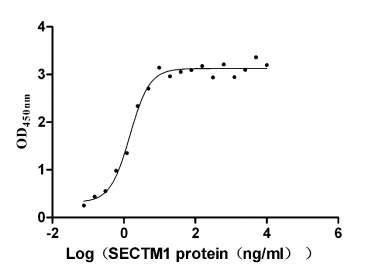
Recombinant Human T-cell antigen CD7 (CD7), partial (Active)
Express system: Mammalian cell
Species: Homo sapiens (Human)
-
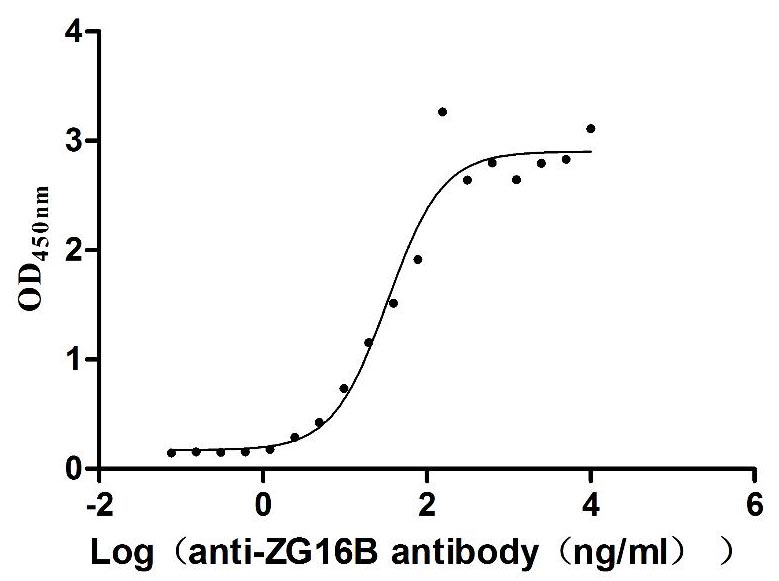
Recombinant Human Pancreatic adenocarcinoma up-regulated factor (ZG16B) (Active)
Express system: Mammalian cell
Species: Homo sapiens (Human)
-
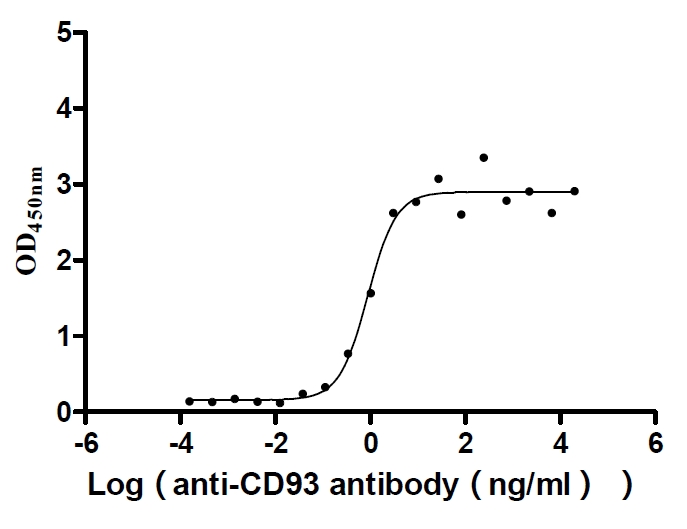
Recombinant Human Complement component C1q receptor (CD93), partial (Active)
Express system: Mammalian cell
Species: Homo sapiens (Human)
-
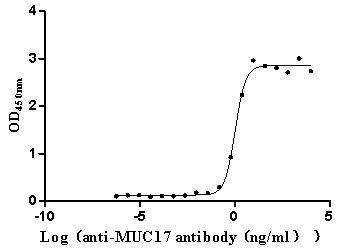
Recombinant Human Mucin-17 (MUC17), partial (Active)
Express system: Mammalian cell
Species: Homo sapiens (Human)
-
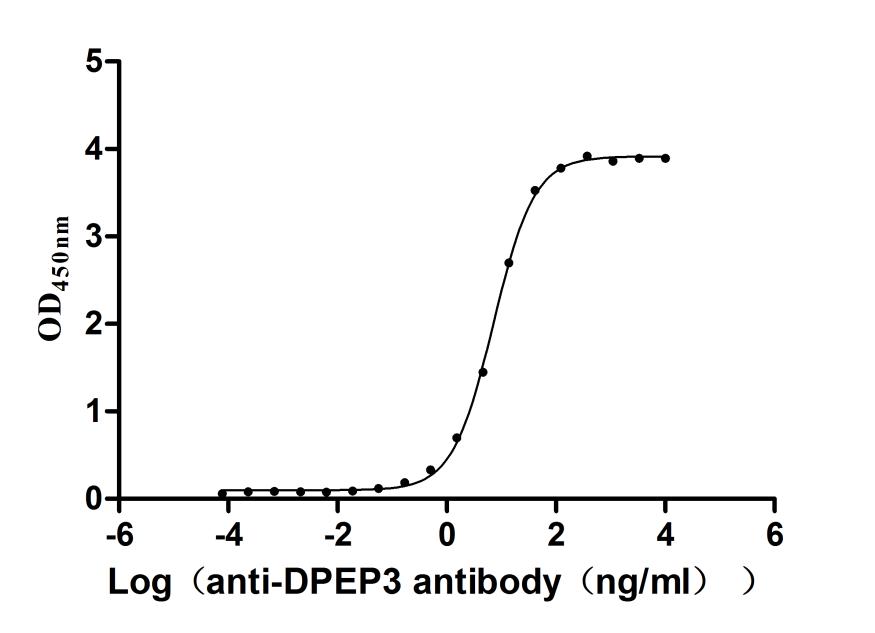
Recombinant Human Dipeptidase 3(DPEP3), partial (Active)
Express system: Mammalian cell
Species: Homo sapiens (Human)
-
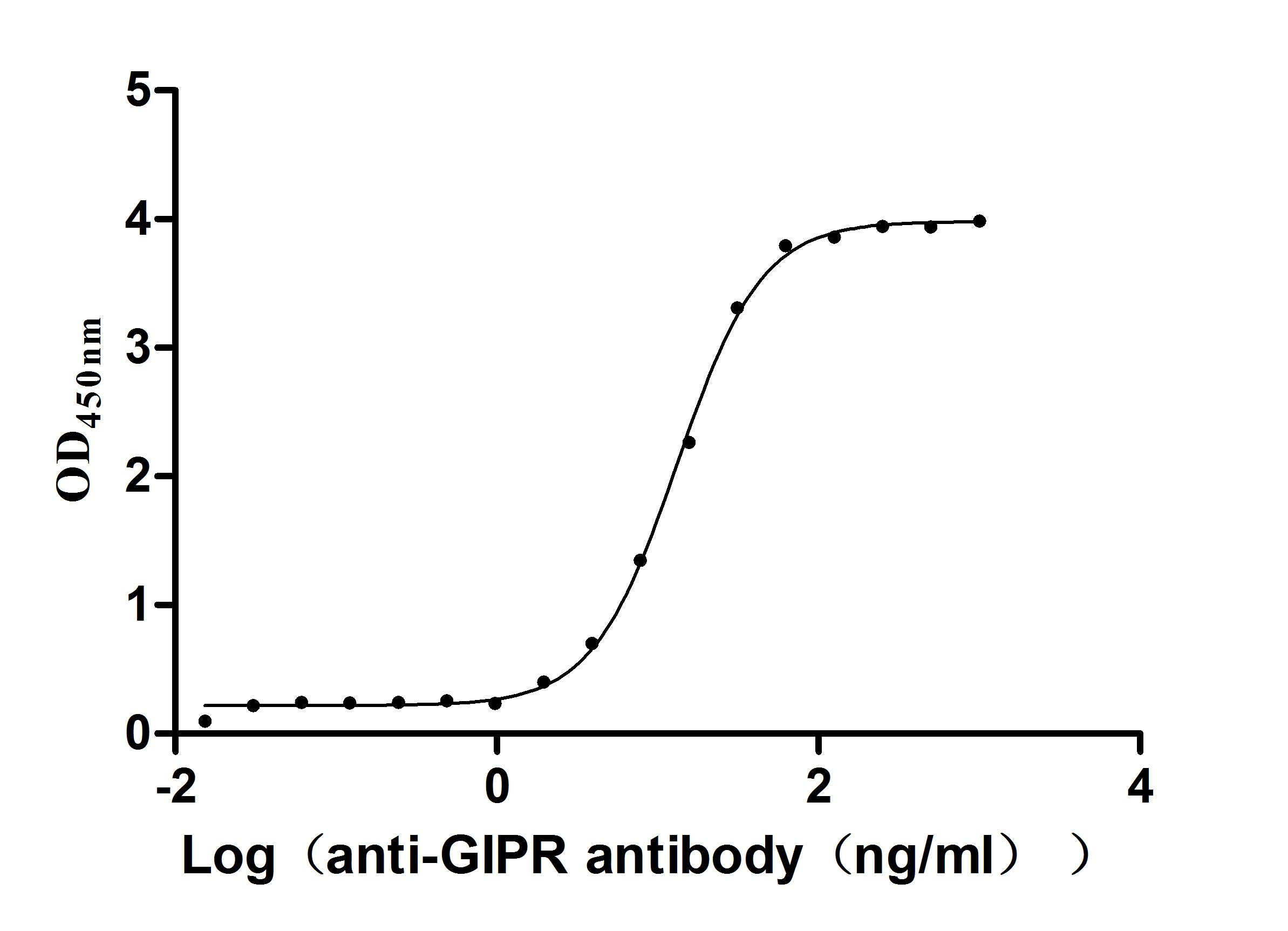
Recombinant Macaca fascicularis Gastric inhibitory polypeptide receptor (GIPR), partial (Active)
Express system: yeast
Species: Macaca fascicularis (Crab-eating macaque) (Cynomolgus monkey)
-
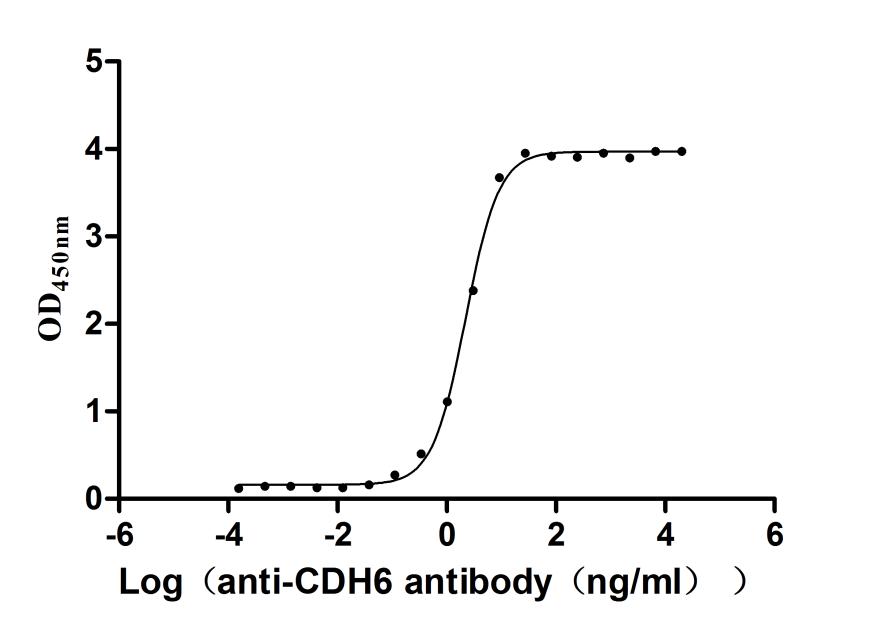
Recombinant Macaca fascicularis Cadherin 6(CDH6),partial (Active)
Express system: Mammalian cell
Species: Macaca fascicularis (Crab-eating macaque) (Cynomolgus monkey)
-
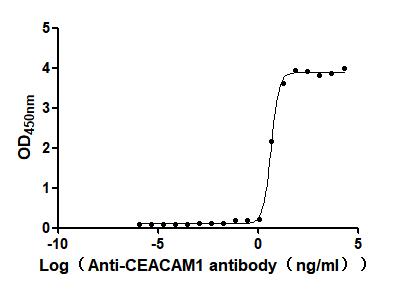
Express system: Mammalian cell
Species: Homo sapiens (Human)