
Recombinant Mouse CD9 antigen (Cd9)-VLPs
In Stock-
中文名稱:Recombinant Mouse CD9 antigen (Cd9)-VLPs
-
品名簡(jiǎn)稱:Recombinant Mouse Cd9 protein-VLPs
-
貨號(hào):CSB-MP004969MO
-
說(shuō)明書:
-
規(guī)格:¥5250
-
圖片:
-
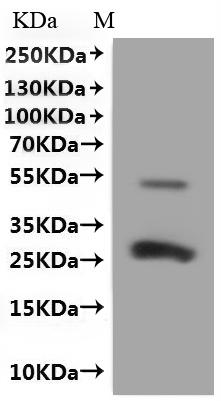 CSB-MP004969MO is detected by Mouse anti-6*His monoclonal antibody.
-
-
其他:
產(chǎn)品詳情
-
純度:The purity information is not available for VLPs proteins.
-
生物活性:Not Test
-
基因名:
-
Uniprot No.:
-
別名:CD antigen CD9
-
種屬:Mus musculus (Mouse)
-
蛋白長(zhǎng)度:Full Length
-
來(lái)源:Mammalian cell
-
分子量:26.6 kDa
-
表達(dá)區(qū)域:1-226aa
-
氨基酸序列MPVKGGSKCIKYLLFGFNFIFWLAGIAVLAIGLWLRFDSQTKSIFEQENNHSSFYTGVYILIGAGALMMLVGFLGCCGAVQESQCMLGLFFGFLLVIFAIEIAAAVWGYTHKDEVIKELQEFYKDTYQKLRSKDEPQRETLKAIHMALDCCGIAGPLEQFISDTCPKKQLLESFQVKPCPEAISEVFNNKFHIIGAVGIGIAVVMIFGMIFSMILCCAIRRSREMV
Note: The complete sequence may include tag sequence, target protein sequence, linker sequence and extra sequence that is translated with the protein sequence for the purpose(s) of secretion, stability, solubility, etc.
If the exact amino acid sequence of this recombinant protein is critical to your application, please explicitly request the full and complete sequence of this protein before ordering. -
蛋白標(biāo)簽:C-terminal 10xHis-tagged
-
產(chǎn)品提供形式:Liquid or Lyophilized powder
Note: We will default ship it in lyophilized form with normal bule ice packs. However, if you request to ship in liquid form, it needs to be shipped with dry ice, please communicate with us in advance and extra fees for dry ice and dry ice box will be charged. -
緩沖液:Lyophilized from a 0.2 μm filtered PBS, 6% Trehalose, pH 7.4.
-
復(fù)溶:We recommend that this vial be briefly centrifuged prior to opening to bring the contents to the bottom. Please reconstitute protein indeionized sterile water to a concentration of 0.1-1.0 mg/mL.Aliquot for long-term storage at -80°C. Solubilize for 60 minutes at room temperature with occasional gentle mixing. Avoid vigorous shaking or vortexing.
-
儲(chǔ)存條件:Store at -20°C/-80°C upon receipt, aliquoting is necessary for mutiple use. Avoid repeated freeze-thaw cycles.
-
保質(zhì)期:The shelf life is related to many factors, storage state, buffer ingredients, storage temperature and the stability of the protein itself.
Generally, the shelf life of liquid form is 6 months at -20°C/-80°C. The shelf life of lyophilized form is 12 months at -20°C/-80°C. -
貨期:3-7 business days
-
注意事項(xiàng):Repeated freezing and thawing is not recommended. Store working aliquots at 4℃ for up to one week.
-
Datasheet & COA:Please contact us to get it.
產(chǎn)品評(píng)價(jià)

相關(guān)產(chǎn)品
靶點(diǎn)詳情
-
功能:Integral membrane protein associated with integrins, which regulates different processes, such as sperm-egg fusion, platelet activation and aggregation, and cell adhesion. Present at the cell surface of oocytes and plays a key role in sperm-egg fusion, possibly by organizing multiprotein complexes and the morphology of the membrane required for the fusion. In myoblasts, associates with CD81 and PTGFRN and inhibits myotube fusion during muscle regeneration. In macrophages, associates with CD9 and beta-1 and beta-2 integrins, and prevents macrophage fusion into multinucleated giant cells specialized in ingesting complement-opsonized large particles. Also prevents the fusion between mononuclear cell progenitors into osteoclasts in charge of bone resorption. Acts as a receptor for PSG17. Involved in platelet activation and aggregation. Regulates paranodal junction formation. Involved in cell adhesion, cell motility and tumor metastasis. Also regulates integrin-dependent migration of macrophages, particularly relevant for inflammatory response in the lung.
-
基因功能參考文獻(xiàn):
- The Cd9(-/-) and Cd9(-/-) Cd81(-/-) deletions are associated with a decreased microvilli density on the MII oocyte surface. Microvilli thickness is significantly increased whatever the deleted tetraspanin gene be. Only Cd9 deletion clearly disturbs the vesicular traffic, increasing the number of clathrin and exosome vesicles. PMID: 27879451
- CD9 regulates the T cell-stimulatory capacity of granulocyte-macrophage colony-stimulating factor (GM-CSF)-dependent bone marrow-derived Dendritic Cells (BMDCs), without affecting antigen presentation by fms-like tyrosine kinase 3 ligand (Flt3L)-dependent BMDCs. PMID: 28533221
- DPP4:CD9:TTSP as the protein complexes are necessary for early efficient MERS-coronavirus entry. PMID: 28759649
- Our results indicate that the suppression of cartilage degradation in CD9(-/-) could be in part related to an increase in the expression of the two main cartilage extracellular matrix proteins aggrecan and type II collagen. PMID: 27784871
- upregulation may play an important role in podocyte morphology, adhesion, and migration PMID: 25503725
- Tetraspanin CD9 and ectonucleotidase CD73 identify an osteochondroprogenitor population with elevated osteogenic properties. PMID: 25564652
- Data indicate that anti-inflammatory effects of statins are CD9-dependent. PMID: 24040034
- study demonstrates ablation of Cd9 had no detectable effect on de novo primary proatate tumour onset, but did significantly increase metastasis to the liver but not the lungs PMID: 23575960
- chemotaxis toward antigen is controlled in mast cells by a cross-talk among FcepsilonRI, tetraspanin CD9, transmembrane adaptor proteins NTAL and LAT, and cytoskeleton-regulatory proteins of the ERM family PMID: 23443658
- tetraspanin CD9 modulates molecular organization of integrins in lymphatic endothelial cells, thereby supporting several functions required for lymphangiogenesis PMID: 23223239
- Tetraspanin family member CD9 plays an important role in sperm-egg fusion. PMID: 22609062
- Results show that SSCs are the most concentrated in CD9(+)EPCAM(low/-) population and also suggest that EPCAM plays an important role in progenitor cell amplification in the mouse spermatogenic system. PMID: 21858196
- Our study demonstrated the importance of CD9 in wound re-epithelialization, linking this molecule directly to basement membrane formation and epidermal migration through participating in the regulation of the JNK/MMP-9 pathway. PMID: 21881583
- propose that sperm-egg fusion is a direct consequence of CD9 controlled sperm-egg adhesion properties. CD9 generates adhesion sites responsible for the strongest of the observed gamete interaction. PMID: 21690351
- knockout mice display abnormal adult angiogenesis PMID: 20592186
- This study characterizes CD9 in sperm development and fertilization. PMID: 20428892
- Data show that B16F1 lones stably overexpressing CD9 had reduced ability to form colonies in soft agar PMID: 19777564
- CD9 is identified as the first receptor for a murine PSG /glycoprotein 17/ PMID: 11805154
- role of CD9 in the strengthening of fertilin beta-mediated cell adhesion PMID: 11906941
- CD9 may play a role in LIF-mediated maintenance of undifferentiated ES cells. PMID: 11950938
- CD9 down-regulation may be a sensitive indicator of macrophage differentiation PMID: 12056820
- CD9 inhibits SMC migration by a stimulation of both stress fiber formation and integrin clustering, leading to a stimulation of FAK phosphorylation. PMID: 12083484
- the function of CD9 in sperm-egg fusion is was analyzed in CD9-deficient mouse eggs PMID: 12086470
- CD9 was enriched in myelinating oligodendrocytes and myelin internodes. Immunoprecipitation of CD9 from postnatal rat cerebrum coprecipitated beta1 integrin, CD81, and Tspan-2. PMID: 12420314
- CD9 is found with with the alpha6beta1 integrin heterodimer in parietal endoderm cells , suggesting a role for CD9 in alpha6beta1 mediated migration of parietal endoderm. PMID: 12745436
- CD9 is localized to paranodes and has a role in regulating paranodal junctional formation. PMID: 14715942
- CD9 is dispensable for B cell development and humoral immunity. PMID: 16116178
- During oogenesis the development of the ability of the oolemma to fuse with sperm may be regulated by synthesis of CD9 by the oocyte. PMID: 16719947
- Taken together, these results suggest that CD9 expressed on osteoclast lineage cells might positively regulate osteoclastogenesis via the regulation of p44/42 MAPK activity. PMID: 16808899
- CD9 expression by multiple myeloma cells is upregulated in vivo by close interaction of the cells with endothelial cells and CD9 is involved in transendothelial invasion PMID: 16900214
- CD9 was differentially expressed in uterus depending on the stage of implantation & was upregulated in ovarian steroid hormone-dependent manner, implicating multiple roles of CD9 in regulation of embryo implantation during the peri-implantation period. PMID: 17126340
- Oocyte CD9 is enriched on the microvillar membrane and required for normal microvillar shape and distribution. PMID: 17239847
- The expression levels of both CD9 mRNA and protein in the frozen oocytes were significantly lower than those found in the fresh oocytes. PMID: 17307168
- establish for the first time a role for CD9 in the tumorigenic process PMID: 17582603
- The fusion-facilitating activity of CD9-containing vesicles by examining the fusion of sperm to CD9(-/-) eggs with the aid of exogenous CD9-containing vesicles, is investigated. PMID: 18728192
- Immunoglobulin superfamily member IgSF8 (EWI-2) and CD9 in fertilisation: evidence of distinct functions for CD9 and a CD9-associated protein in mammalian sperm-egg interaction. PMID: 19210920
- macrophage CD9 negatively regulates LPS response at lipid-enriched membrane microdomains PMID: 19414803
顯示更多
收起更多
-
亞細(xì)胞定位:Cell membrane; Multi-pass membrane protein. Membrane; Multi-pass membrane protein. Secreted, extracellular exosome.
-
蛋白家族:Tetraspanin (TM4SF) family
-
組織特異性:Expressed predominantly in the peripheral nervous system. Highly expressed in oocytes and blastocysts (at protein level). Expression is also observed on follicular oocytes in the ovary, whereas no expression is found on follicular cells (at protein level)
-
數(shù)據(jù)庫(kù)鏈接:
Most popular with customers
-
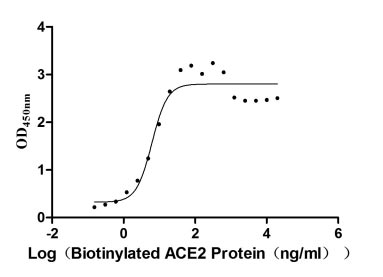
Recombinant Human Angiotensin-converting enzyme 2 (ACE2), partial,Biotinylated (Active)
Express system: Mammalian cell
Species: Homo sapiens (Human)
-
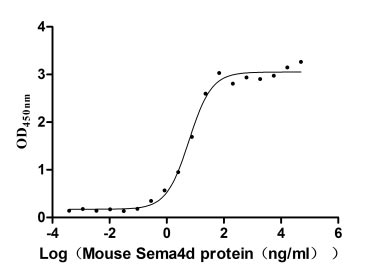
Recombinant Mouse Semaphorin-4D (Sema4d), partial (Active)
Express system: Mammalian cell
Species: Mus musculus (Mouse)
-
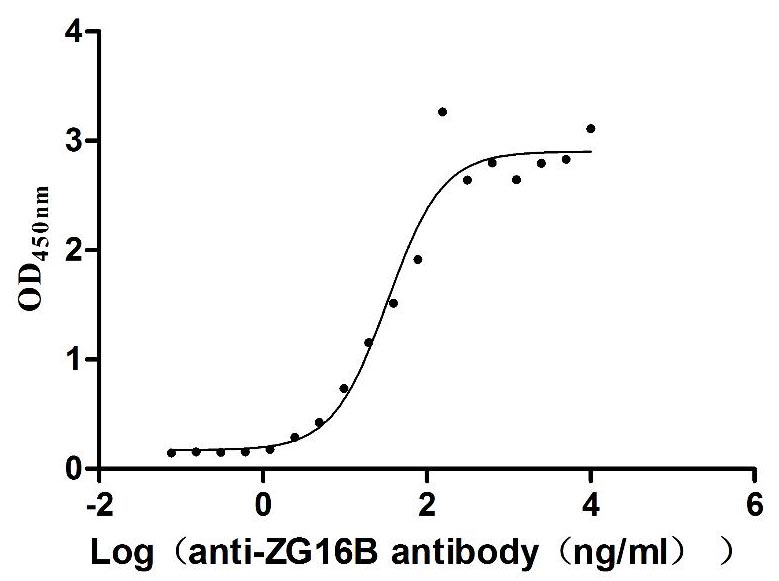
Recombinant Human Pancreatic adenocarcinoma up-regulated factor (ZG16B) (Active)
Express system: Mammalian cell
Species: Homo sapiens (Human)
-
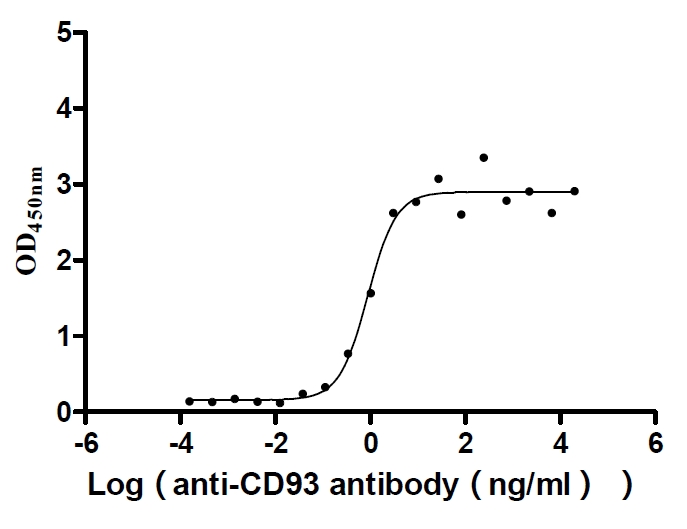
Recombinant Human Complement component C1q receptor (CD93), partial (Active)
Express system: Mammalian cell
Species: Homo sapiens (Human)
-
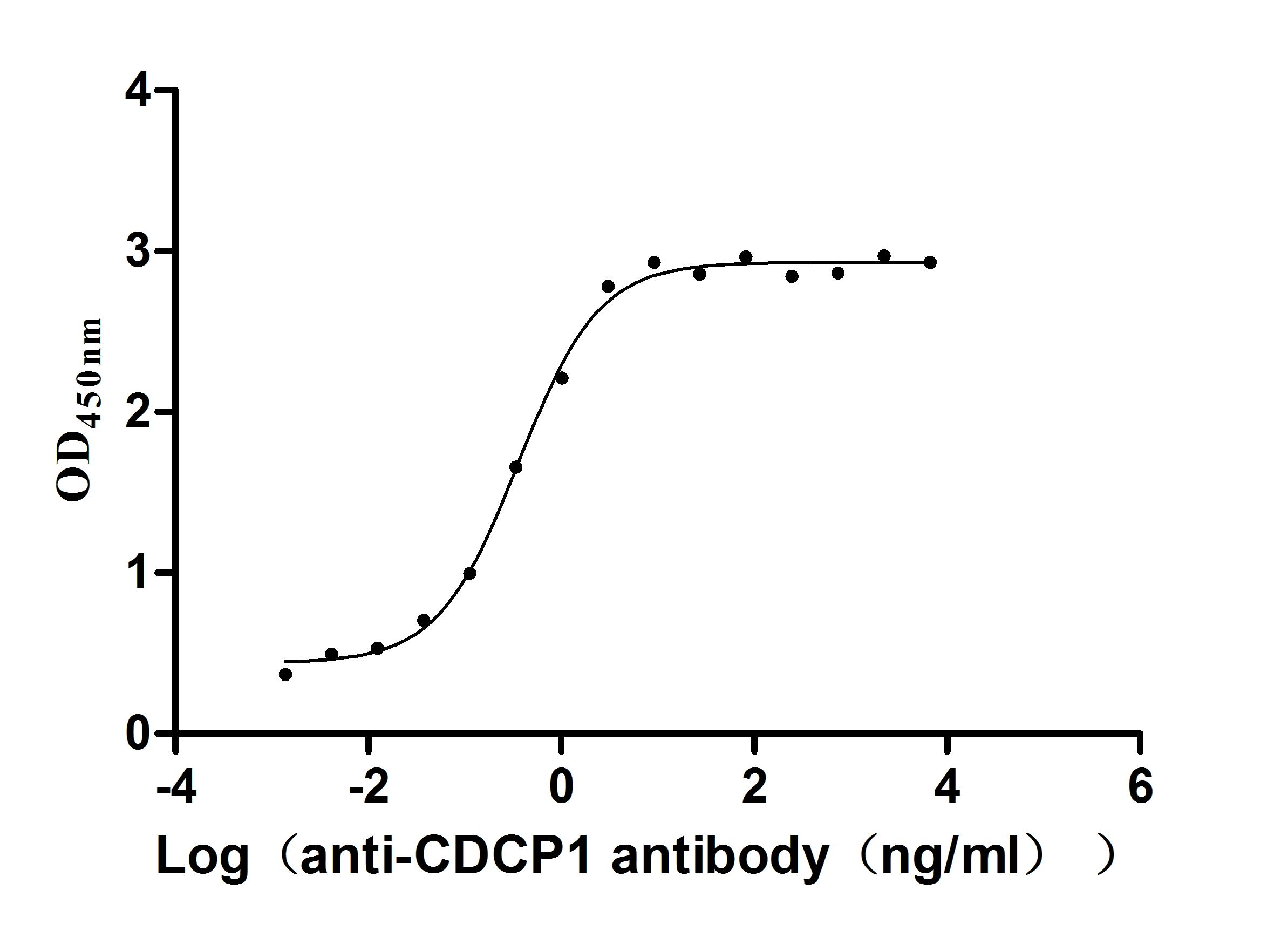
Recombinant Human CUB domain-containing protein 1 (CDCP1), partial (Active)
Express system: Mammalian cell
Species: Homo sapiens (Human)
-
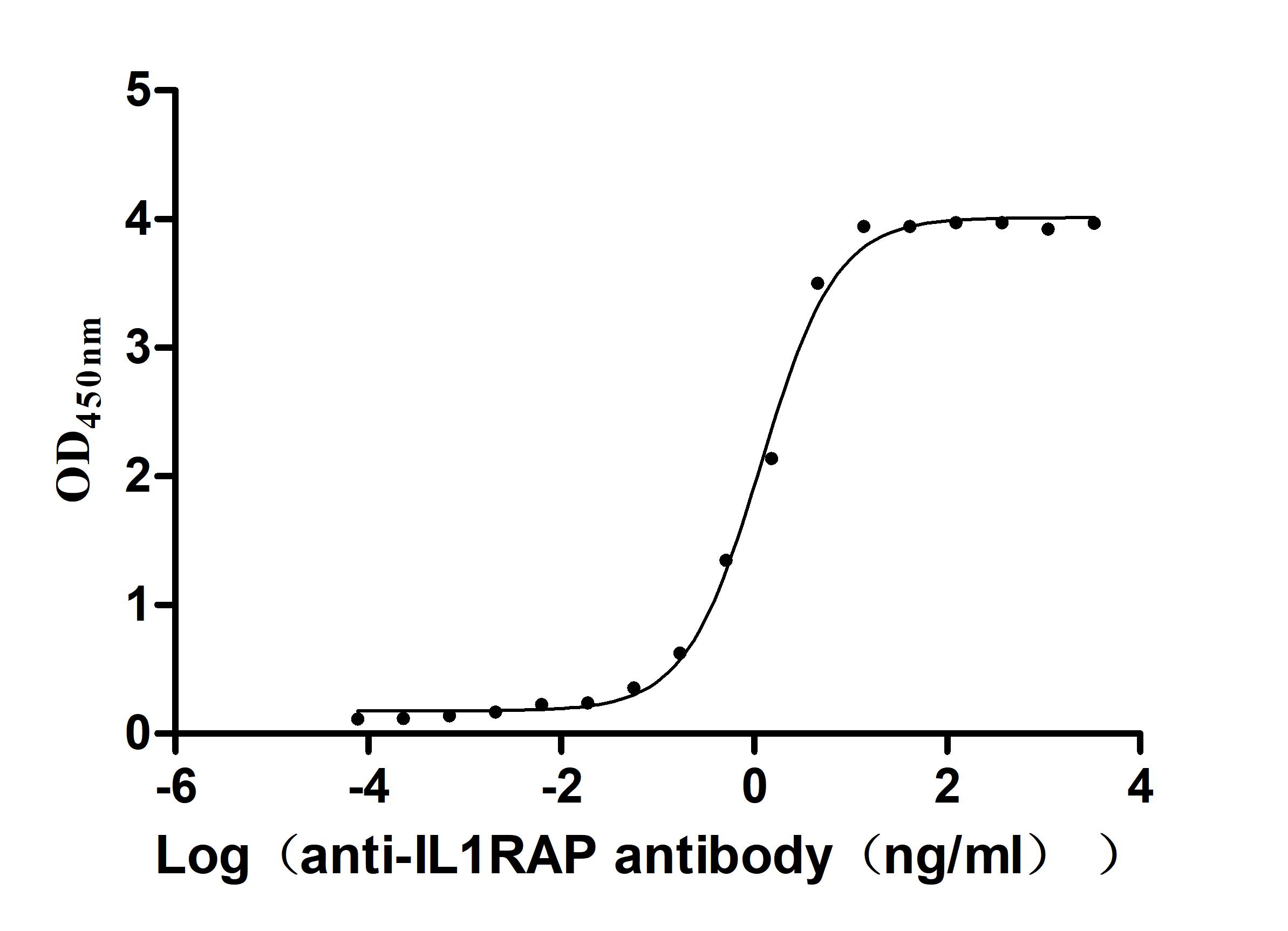
Recombinant Human Interleukin-1 receptor accessory protein (IL1RAP), partial (Active)
Express system: Mammalian cell
Species: Homo sapiens (Human)