Recombinant Saccharomyces cerevisiae Cell cycle serine/threonine-protein kinase CDC5/MSD2 (CDC5), partial
-
中文名稱:Recombinant Saccharomyces cerevisiae Cell cycle serine/threonine-protein kinase CDC5/MSD2(CDC5) ,partial
-
貨號:CSB-YP341336SVG
-
規格:
-
來源:Yeast
-
其他:
-
中文名稱:Recombinant Saccharomyces cerevisiae Cell cycle serine/threonine-protein kinase CDC5/MSD2(CDC5) ,partial
-
貨號:CSB-EP341336SVG
-
規格:
-
來源:E.coli
-
其他:
-
中文名稱:Recombinant Saccharomyces cerevisiae Cell cycle serine/threonine-protein kinase CDC5/MSD2(CDC5) ,partial
-
貨號:CSB-EP341336SVG-B
-
規格:
-
來源:E.coli
-
共軛:Avi-tag Biotinylated
E. coli biotin ligase (BirA) is highly specific in covalently attaching biotin to the 15 amino acid AviTag peptide. This recombinant protein was biotinylated in vivo by AviTag-BirA technology, which method is BriA catalyzes amide linkage between the biotin and the specific lysine of the AviTag.
-
其他:
-
中文名稱:Recombinant Saccharomyces cerevisiae Cell cycle serine/threonine-protein kinase CDC5/MSD2(CDC5) ,partial
-
貨號:CSB-BP341336SVG
-
規格:
-
來源:Baculovirus
-
其他:
-
中文名稱:Recombinant Saccharomyces cerevisiae Cell cycle serine/threonine-protein kinase CDC5/MSD2(CDC5) ,partial
-
貨號:CSB-MP341336SVG
-
規格:
-
來源:Mammalian cell
-
其他:
產品詳情
-
純度:>85% (SDS-PAGE)
-
基因名:CDC5
-
Uniprot No.:
-
別名:CDC5; MSD2; PKX2; YMR001C; YM8270.03CCell cycle serine/threonine-protein kinase CDC5/MSD2; EC 2.7.11.21
-
種屬:Saccharomyces cerevisiae (strain ATCC 204508 / S288c) (Baker's yeast)
-
蛋白長度:Partial
-
蛋白標簽:Tag?type?will?be?determined?during?the?manufacturing?process.
The tag type will be determined during production process. If you have specified tag type, please tell us and we will develop the specified tag preferentially. -
產品提供形式:Lyophilized powder
Note: We will preferentially ship the format that we have in stock, however, if you have any special requirement for the format, please remark your requirement when placing the order, we will prepare according to your demand. -
復溶:We recommend that this vial be briefly centrifuged prior to opening to bring the contents to the bottom. Please reconstitute protein in deionized sterile water to a concentration of 0.1-1.0 mg/mL.We recommend to add 5-50% of glycerol (final concentration) and aliquot for long-term storage at -20℃/-80℃. Our default final concentration of glycerol is 50%. Customers could use it as reference.
-
儲存條件:Store at -20°C/-80°C upon receipt, aliquoting is necessary for mutiple use. Avoid repeated freeze-thaw cycles.
-
保質期:The shelf life is related to many factors, storage state, buffer ingredients, storage temperature and the stability of the protein itself.
Generally, the shelf life of liquid form is 6 months at -20°C/-80°C. The shelf life of lyophilized form is 12 months at -20°C/-80°C. -
貨期:Delivery time may differ from different purchasing way or location, please kindly consult your local distributors for specific delivery time.Note: All of our proteins are default shipped with normal blue ice packs, if you request to ship with dry ice, please communicate with us in advance and extra fees will be charged.
-
注意事項:Repeated freezing and thawing is not recommended. Store working aliquots at 4°C for up to one week.
-
Datasheet :Please contact us to get it.
產品評價

靶點詳情
-
功能:Protein kinase required for the cell cycle where it is involved in mitotic exit. A component of the fear (CDC14 early anaphase release) network which promotes CDC14 release from the nucleolus during early anaphase. Phosphorylates SCC1/MCD1 and NET1.
-
基因功能參考文獻:
- Cdc5 interacts with cohesin in vivo, and cohesin is required for association of Cdc5 at centromeric chromatin. Cohesin removal from centromeric chromatin requires Cdc5 but removal at distal chromosomal arm sites does not. Results define a novel role for Cdc5 in regulating removal of centromeric cohesins and faithful chromosome segregation. PMID: 27226485
- Polo kinase Cdc5 mediates centrosome-dependent bypass of the DNA damage checkpoint. PMID: 26832404
- Misregulated expression of Cdc5 causes increased mitotic crossover frequency. PMID: 23810555
- Despite CDC5's central role in meiosis I, the protein kinase is dispensable during meiosis II and does not even phosphorylate its meiosis I targets during the second meiotic division PMID: 23918381
- Our results reveal a role for Cdc5 in meiotic checkpoint control by regulating Ndt80 function PMID: 21795394
- Independent modulation of the kinase and polo-box activities of Cdc5 protein unravels unique roles in the maintenance of genome stability. PMID: 21987786
- Cdc5 acts to attenuate the DNA damage checkpoint through loss of Rad53 hyperphosphorylation to allow cells to adapt to DNA damage. PMID: 20126259
- spindle pole body-associated Cdc5p activity is critical for both mitotic exit and cytokinesis, whereas the bud neck-localized Cdc5p is required for proper Swe1p regulation PMID: 15509790
- Condensin/Cdc5-dependent removal of cohesin underscores the potential importance of crosstalk between chromosome structural components in chromosome morphogenesis and provides a mechanism to couple chromosome morphogenesis with other meiotic events. PMID: 16269332
- findings show that Cdc5 controls the targeting and activation of Rho1 at the division site via Rho1 guanine nucleotide exchange factors to promote cytokinesis PMID: 16763112
- Cdc5p is recruited to promoters of the cell-cycle-regulated CLB2 gene cluster, where it targets the Mcm1p-Fkh2p-Ndd1p transcription factor complex, through direct phosphorylation of the coactivator protein Ndd1p. PMID: 17122856
- These observations suggest that concerted action of Cdc28 and Cdc5 on Nud1, Slk19, and Stu2 is important for proper spindle functions. PMID: 18178775
- Data demonstrate that Cdc5 directly phosphorylates all three regulatory subunits of the condensin complex in vivo and that this causes a hyperactivation of condensin DNA supercoiling activity. PMID: 19481522
- Cdc5 is a novel regulator of the SUMO pathway and suggest the outlines of a broader circuitry in which Ulp2 and Cdc5 act in a mutually antagonistic fashion to modulate maintenance and dissolution of cohesion at centromeres. PMID: 19823017
顯示更多
收起更多
-
蛋白家族:Protein kinase superfamily, Ser/Thr protein kinase family, CDC5/Polo subfamily
-
數據庫鏈接:
KEGG: sce:YMR001C
STRING: 4932.YMR001C
Most popular with customers
-
-AC1.jpg)
Recombinant Human Pro-neuregulin-1, membrane-bound isoform (NRG1), partial (Active)
Express system: Mammalian cell
Species: Homo sapiens (Human)
-
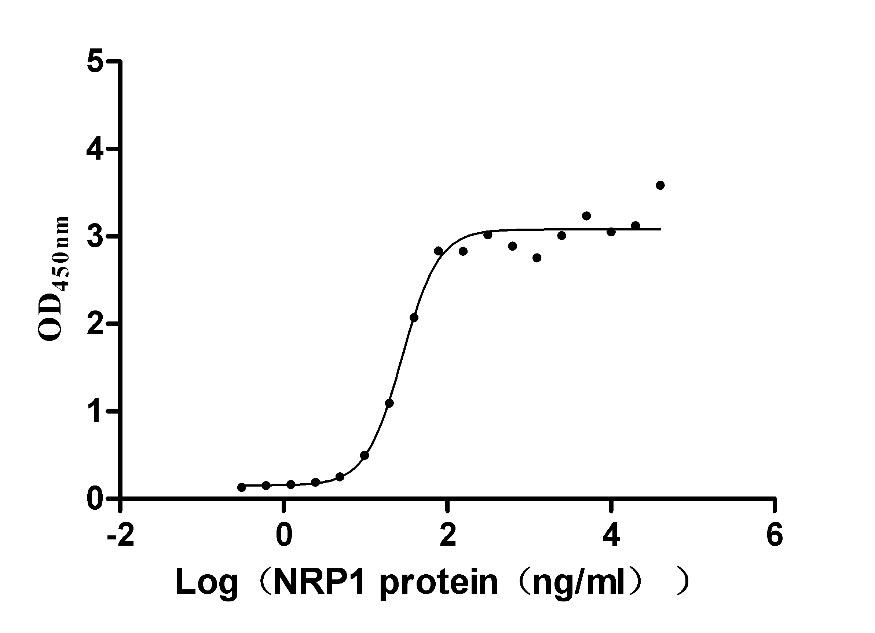
Recombinant Human Neuropilin-1 (NRP1) (Active)
Express system: Mammalian cell
Species: Homo sapiens (Human)
-
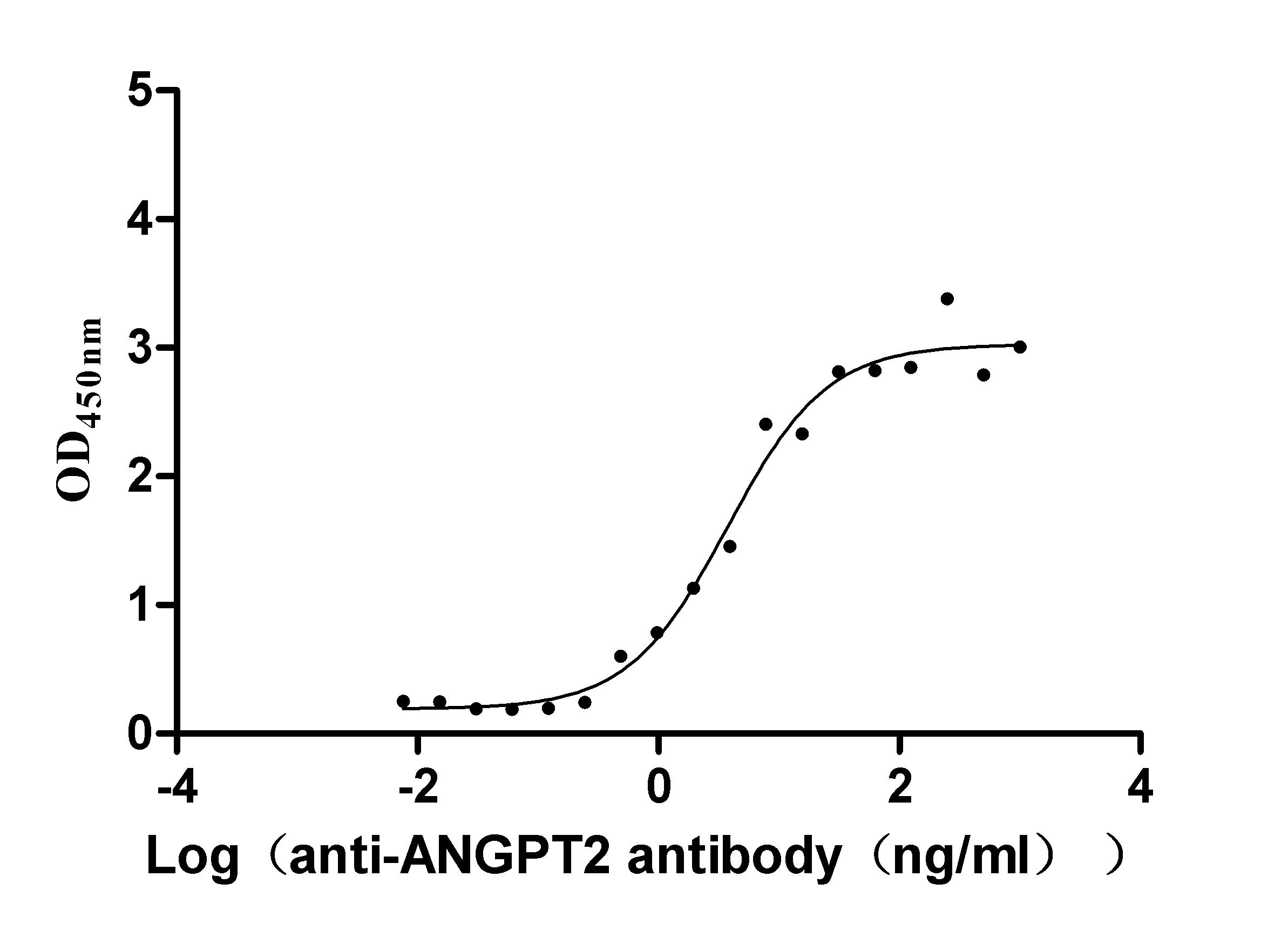
Recombinant Dog Angiopoietin-2 (ANGPT2) (Active)
Express system: Mammalian cell
Species: Canis lupus familiaris (Dog) (Canis familiaris)
-
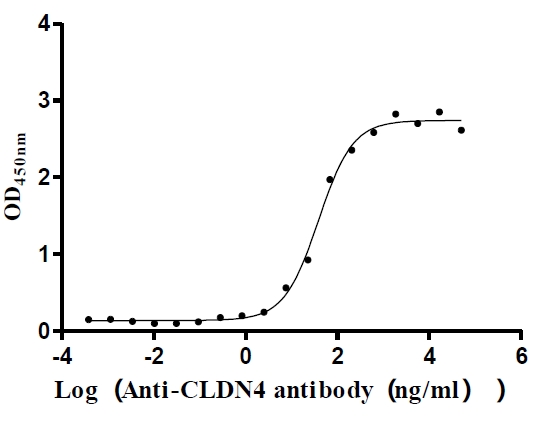
Recombinant Human Claudin-4 (CLDN4)-VLPs (Active)
Express system: Mammalian cell
Species: Homo sapiens (Human)
-
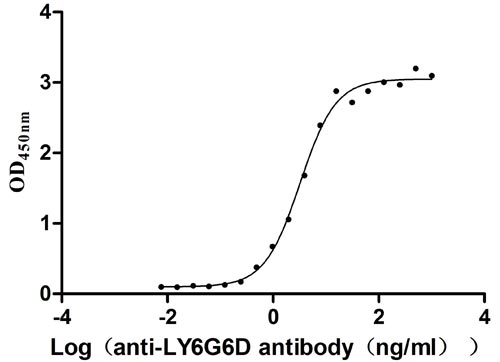
Recombinant Human Lymphocyte antigen 6 complex locus protein G6d (LY6G6D) (Active)
Express system: Yeast
Species: Homo sapiens (Human)
-
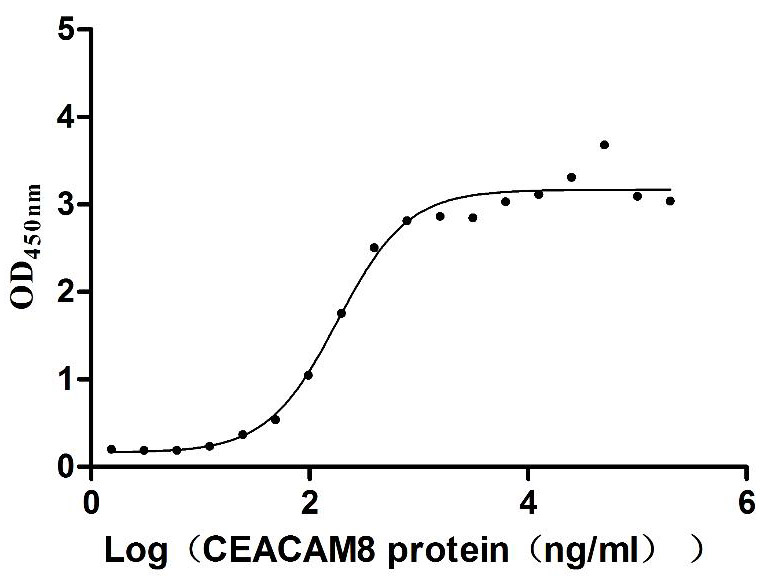
Recombinant Human Carcinoembryonic antigen-related cell adhesion molecule 6 (CEACAM6) (Active)
Express system: Mammalian cell
Species: Homo sapiens (Human)
-
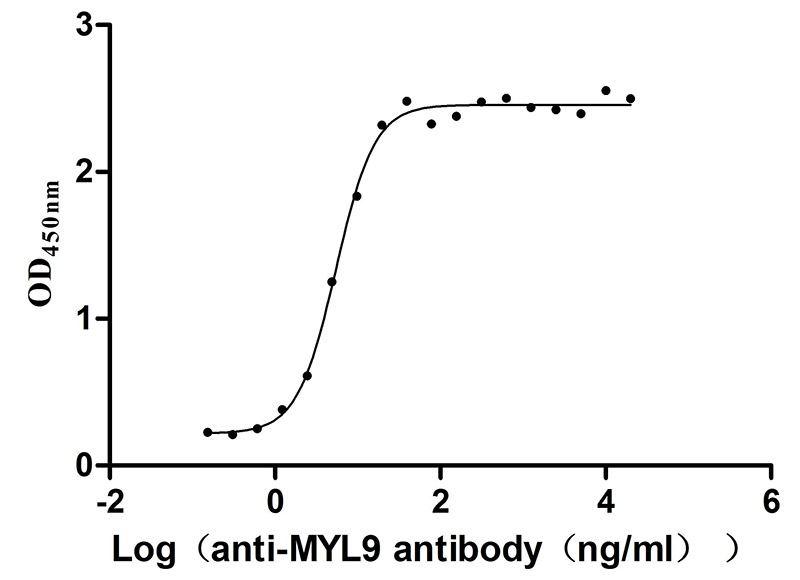
Recombinant Human Myosin regulatory light polypeptide 9 (MYL9) (Active)
Express system: Yeast
Species: Homo sapiens (Human)
-
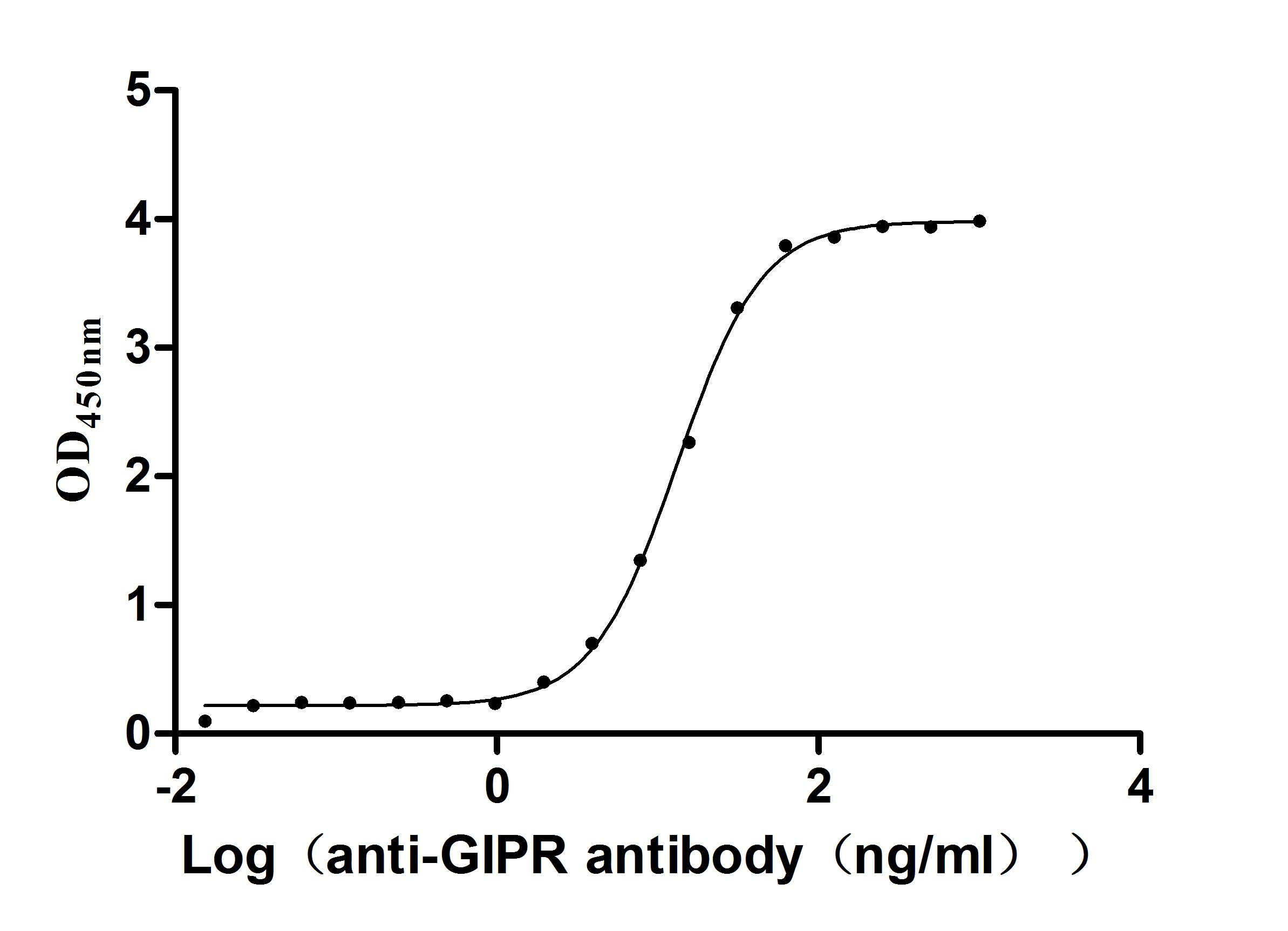
Recombinant Macaca fascicularis Gastric inhibitory polypeptide receptor (GIPR), partial (Active)
Express system: yeast
Species: Macaca fascicularis (Crab-eating macaque) (Cynomolgus monkey)