Recombinant Rat Urocortin (Ucn)
-
中文名稱:大鼠Ucn重組蛋白
-
貨號:CSB-YP025551RA
-
規格:
-
來源:Yeast
-
其他:
-
中文名稱:大鼠Ucn重組蛋白
-
貨號:CSB-EP025551RA
-
規格:
-
來源:E.coli
-
其他:
-
中文名稱:大鼠Ucn重組蛋白
-
貨號:CSB-EP025551RA-B
-
規格:
-
來源:E.coli
-
共軛:Avi-tag Biotinylated
E. coli biotin ligase (BirA) is highly specific in covalently attaching biotin to the 15 amino acid AviTag peptide. This recombinant protein was biotinylated in vivo by AviTag-BirA technology, which method is BriA catalyzes amide linkage between the biotin and the specific lysine of the AviTag.
-
其他:
-
中文名稱:大鼠Ucn重組蛋白
-
貨號:CSB-BP025551RA
-
規格:
-
來源:Baculovirus
-
其他:
-
中文名稱:大鼠Ucn重組蛋白
-
貨號:CSB-MP025551RA
-
規格:
-
來源:Mammalian cell
-
其他:
產品詳情
-
純度:>85% (SDS-PAGE)
-
基因名:Ucn
-
Uniprot No.:
-
別名:Ucn; Urocortin; Corticotensin
-
種屬:Rattus norvegicus (Rat)
-
蛋白長度:Cytoplasmic domain
-
表達區域:81-120
-
氨基酸序列DDPPLSIDLT FHLLRTLLEL ARTQSQRERA EQNRIIFDSV
-
蛋白標簽:Tag?type?will?be?determined?during?the?manufacturing?process.
The tag type will be determined during production process. If you have specified tag type, please tell us and we will develop the specified tag preferentially. -
產品提供形式:Lyophilized powder
Note: We will preferentially ship the format that we have in stock, however, if you have any special requirement for the format, please remark your requirement when placing the order, we will prepare according to your demand. -
復溶:We recommend that this vial be briefly centrifuged prior to opening to bring the contents to the bottom. Please reconstitute protein in deionized sterile water to a concentration of 0.1-1.0 mg/mL.We recommend to add 5-50% of glycerol (final concentration) and aliquot for long-term storage at -20℃/-80℃. Our default final concentration of glycerol is 50%. Customers could use it as reference.
-
儲存條件:Store at -20°C/-80°C upon receipt, aliquoting is necessary for mutiple use. Avoid repeated freeze-thaw cycles.
-
保質期:The shelf life is related to many factors, storage state, buffer ingredients, storage temperature and the stability of the protein itself.
Generally, the shelf life of liquid form is 6 months at -20°C/-80°C. The shelf life of lyophilized form is 12 months at -20°C/-80°C. -
貨期:Delivery time may differ from different purchasing way or location, please kindly consult your local distributors for specific delivery time.Note: All of our proteins are default shipped with normal blue ice packs, if you request to ship with dry ice, please communicate with us in advance and extra fees will be charged.
-
注意事項:Repeated freezing and thawing is not recommended. Store working aliquots at 4°C for up to one week.
-
Datasheet :Please contact us to get it.
產品評價

靶點詳情
-
功能:Acts in vitro to stimulate the secretion of adrenocorticotropic hormone (ACTH). Binds with high affinity to CRF receptor types 1, 2-alpha, and 2-beta. Plays a role in the establishment of normal hearing thresholds. Reduces food intake and regulates ghrelin levels in gastric body and plasma.
-
基因功能參考文獻:
- Study found reduced miR-326 levels concomitant with elevated Ucn1 levels in Edinger-Westphal nucleus (EWcp) of depressed suicide completers and in the EWcp of depressed rats. In fully recovered rats, both serum and EWcp miR-326 levels rebounded to nonstressed levels. While downregulation of miR-326 levels in primary midbrain neurons enhanced Ucn1 expression levels, miR-326 overexpression selectively reduced its levels. PMID: 27045550
- urocortin may play a cytoprotective role in the germ cells in response to ischemia-reperfusion injury through the activation of major anti-apoptotic proteins, as well as by the mitogen-activated protein kinase signaling pathway activation. PMID: 27659706
- Results suggest that sex differences exist in the distribution of UCN-1 within brainstem autonomic areas, and circulating level of estrogen may play an important role with regards to the function of these UCN-1 neurons during stress responses PMID: 26146233
- UCN might contribute to regulate late midbrain dopaminergic neuron differentiation during ventral midbrain development. PMID: 25641682
- UCN, CRHR1 and CRHR2 are expressed in the rat epididymis. It is suggested that CRH-related peptides might play multiple roles in the maturation and storage of spermatozoa. PMID: 24856473
- Urocortin-1 expressing premotor neurons are located within the Edinger-Westphal nucleus. PMID: 23707488
- Ucn1 is a contributory factor to the gender disparity in vasculitis and dihydrotestosterone-promoted Ucn1 secretion exacerbated the development of vasculitis. PMID: 24064363
- Ucn1 induces a CRF2 mediated increase in circulating ghrelin via indirect actions on gastric ghrelin cells that involves a nicotinic pathway independently from the hyperglycemic response. PMID: 23183626
- The two hypertrophic peptides urotensin II and urocortin stimulate the expression of myostatin. PMID: 22244812
- Urocortin derived from dopaminergic neurons is involved in an autocrine protective signaling mechanism. PMID: 19875195
- No effects of stress on corticotropin releasing hormone (CRF) and Ucn1 contents are seen in wild-type rat brain, but in Brattleboro rats, stress increases CRF contents in the paraventricular nucleus. PMID: 21621194
- Acute pain stress resulted in the activation of urocortin-immunoreactive neurons in the Einger-Wesphal nucleus, peaking at 4 h after acute pain stress. PMID: 22432129
- CRF(1) agonists, Ucn 1 and stressin(1) -A, reduced feeding and induced interoceptive stress, whereas Ucn 2 potently suppressed feeding via a CRF(2) -dependent mechanism without eliciting malaise PMID: 21627635
- UcnI alone suppresses appetite and promotes fat oxidation and reliably suppresses food intake. PMID: 21303672
- Ucn mRNA levels fell below basal levels in association with an increase in the number of Ucn1 immunoreactive inflammatory cells PMID: 21330446
- Ucn 1 mRNA expression was higher in the restraint group than in the foot shock group. PMID: 20833218
- Changes of somatic angiotensin-converting enzyme activity and production of other renin-angiotensin system components may play roles in the vasodilatory property of Ucn via activation of the extracellular signal-regulated kinase 1/2 pathway. PMID: 20237592
- The rsults of this study proposed that the rate of axonal Ucn1 transport and, possibly, the strength of Ucn1 secretion, are dependent on sex to the same degree as is Ucn1 biosynthesis. PMID: 19833156
- Ucn1 exerts pro-inflammatory effects by augmenting LPS-induced expression of COX-2 and ICAM-1 in RAECs via CRF(2) receptors and the activation of p38MAPK and NF-kappaB. PMID: 19694731
- Data show that Ucn1's effect on L(p) is partially mediated by the CRH-R(2) receptor and acts independently of the c-JUN N-terminal kinase signal transduction pathway. PMID: 19819946
- the inhibition of somatodendritic dopamine release by urocortin may be one of the molecular mechanisms underlying the effect of stress on motor function. PMID: 19729048
- Ucn may play a key role in the response of the cardiovascular system to stress and a potent suppressor of appetite/feeding behaviour. PMID: 12007627
- urocortin has a role in hypertrophy of rat cardiomyocytes as measured by an increase in cell area and enhanced protein: DNA ratio PMID: 12027405
- The modulatory effects of the CRF-related peptide urocortin on memory and learning are mediated via CRF1 receptors. PMID: 12376180
- urocortin enjoys a close ligand-receptor symmetry in the cerebellum, probably to a greater degree than corticotropin-releasing factor since corticotropin-releasing factor itself is found exclusively in the two major cerebellar afferent systems. PMID: 12379245
- both Ucn and Ucn II induced accumulation of intracellular cAMP via corticotropin-releasing factor receptor type 2beta and also caused a significant increase in IL-6 output levels. PMID: 12746280
- Urocortin is not only involved with the processing of sensory information conveyed within cerebellar afferents, but also with signals leaving the cerebellar cortex via Purkinje cells. PMID: 15024751
- These findings suggest an interaction between Urocortin and NO signaling within the supraoptic nucleus, rather than the paraventricular, that may modulate the regulation of feeding, reproduction, and anxiety-related behaviors. PMID: 15457505
- Results suggest that the urocortin gene locus naturally undergoes bidirectional transcription yielding a sense and an antisense RNA. PMID: 15979199
- CRF treatment results in a clustered distribution of GluRdelta2 along the postsynaptic density, whereas UCN treatment provides a linear distribution. PMID: 16198122
- CRF, UCN1, UCN2, and CRF1 and CRF2 receptors play a major role in the regulatory mechanisms that underlie the neural control of gastric motility through CRF2 receptor PMID: 16337313
- sustained reduction in body weight and increased responsiveness to subsequent stressors in rats that have been exposed to repeated restraint are not associated with prolonged changes in mRNA expression of CRF receptors or their ligands PMID: 16423352
- UCN in lung may act as a possible local autocrine and paracrine immune-inflammatory mediator in inflammatory airway of allergic asthma rats PMID: 16427607
- In rats exposed to the social interaction test, urocortin 1 treatment increased the number of c-Fos serotonergic neurons within both the dorsal raphe nucleus and median raphe nucleus. PMID: 16488545
- Natural occurrence of a polyadenylated intron-retained urocortin 1 RNA is documented in three brain regions: a midbrain region containing the Edinger-Westphal nucleus, in the cerebellum and in the prefrontal cortex. PMID: 16650605
- Our data demonstrate the presence of urocortin and its receptors in rat Kupffer cells, the absence of corticotropin-releasing hormone, and the functionality of these receptors. PMID: 17090973
- NPY, via NPY Y5 and to a lesser extent via the Y1 receptors, exerts a stimulatory action on Ucn1 cells in the nonpreganglionic Edinger-Westphal nucleus. PMID: 17154253
- Results indicate that the hormonal status of the female rat affects urocortin 1 immunoreactive neurons in the non-preganglionic Edinger-Westphal nucleus and its signaling to target brain areas. PMID: 17391780
- Data show in cultured RBE4 cerebral microvessel endothelial cells that urocortin endocytosis is increased by leptin in a time- and dose-dependent manner. PMID: 17478891
- Acute UCN treatment protects the heart from reperfusion injury by inhibiting opening of the mitochondrial permeability transition pore, involving a PKC-mediated reduction in oxidative stress. PMID: 17483234
- UCN is capable of maintaining adequate nigrostriatal function in vivo, via corticotrophin releasing hormone (CRF)1 receptors following a neuro-inflammatory challenge. PMID: 17659087
- endogenous UCN and its receptors might be involved in a complex network of paracrine interaction between dopaminergic neurons and glia PMID: 17947696
- Our results suggest that Ucn I in the NTS may play an important role in cardiovascular regulation and the cardiovascular effects of Ucn I may be mediated by activation of both CRF-R1 and -R2, which are known to be present in the NTS. PMID: 18804421
- activation of CRF(2)receptor in the solitary nucleus, by Ucn1 and Ucn3, releases glutamate, which, in turn, elicits decreases in blood pressure and heart rate via activation of iGLURs PMID: 19395554
顯示更多
收起更多
-
亞細胞定位:Secreted.
-
蛋白家族:Sauvagine/corticotropin-releasing factor/urotensin I family
-
數據庫鏈接:
Most popular with customers
-
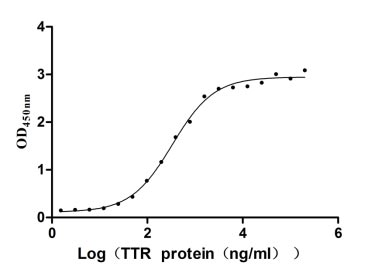
Recombinant Human Transthyretin (TTR) (Active)
Express system: Mammalian cell
Species: Homo sapiens (Human)
-
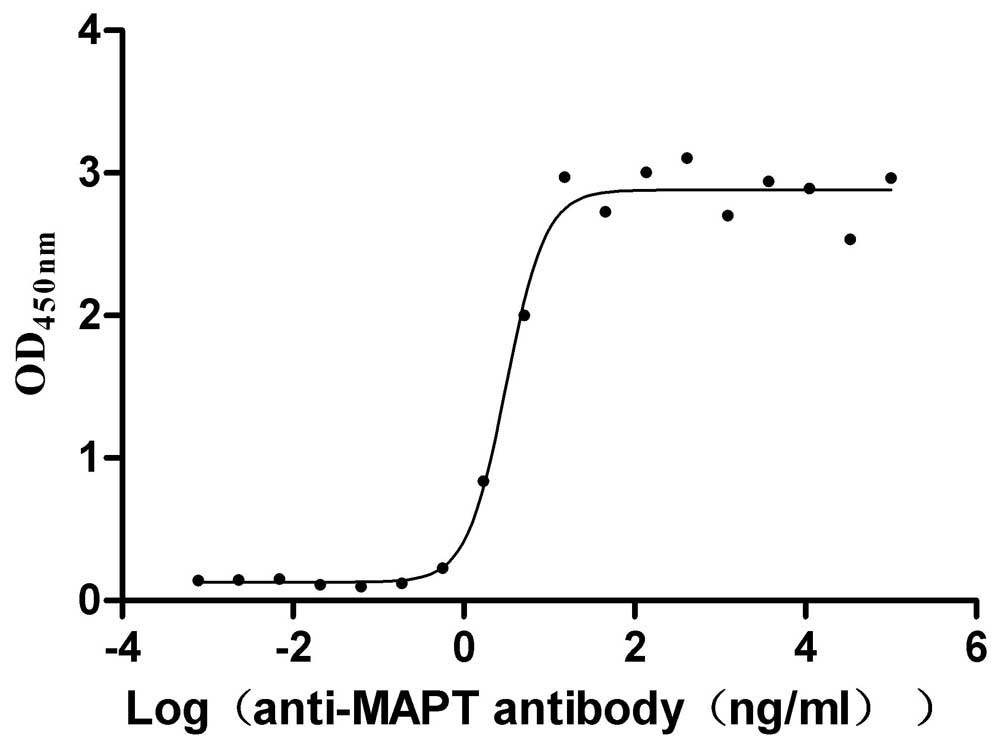
Recombinant Macaca mulatta Microtubule-associated protein tau (MAPT) (Active)
Express system: Mammalian cell
Species: Macaca mulatta (Rhesus macaque)
-
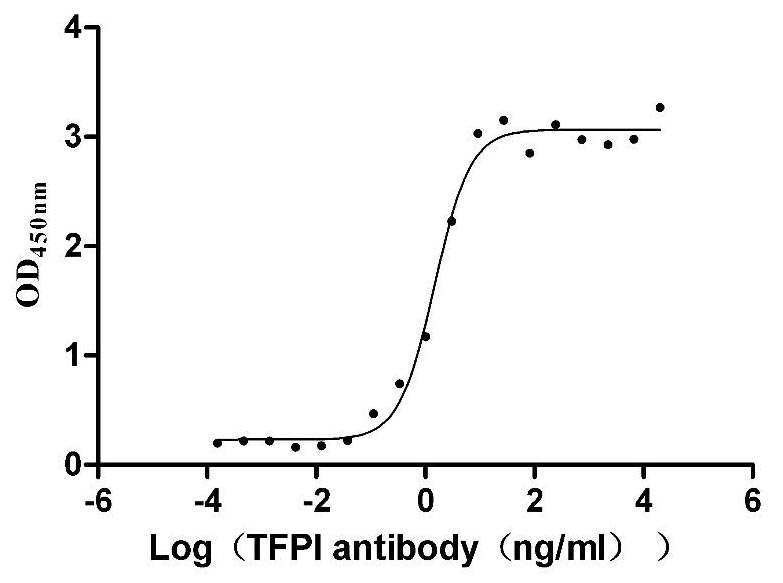
Recombinant Human Tissue factor pathway inhibitor (TFPI), partial (Active)
Express system: Mammalian cell
Species: Homo sapiens (Human)
-

Recombinant Rat Intestinal-type alkaline phosphatase 1 (Alpi) (Active)
Express system: Mammalian cell
Species: Rattus norvegicus (Rat)
-
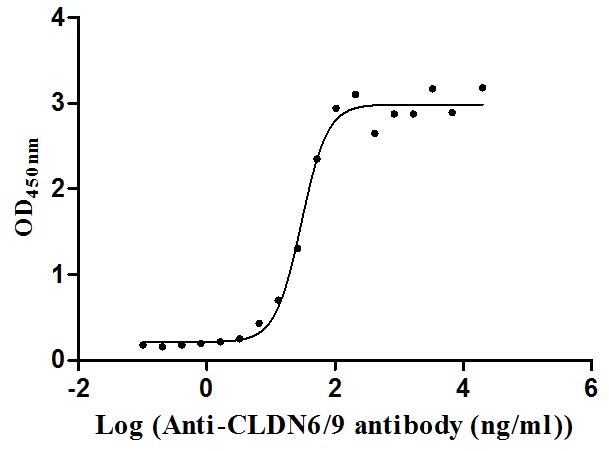
Recombinant Human Claudin-9 (CLDN9)-VLPs (Active)
Express system: Mammalian cell
Species: Homo sapiens (Human)
-
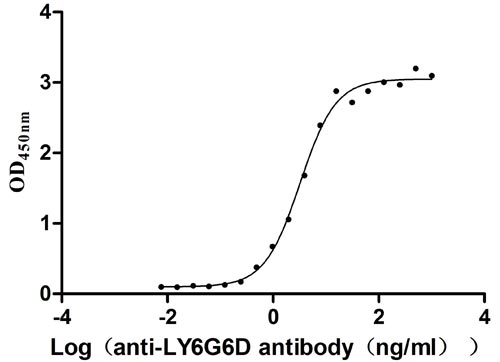
Recombinant Human Lymphocyte antigen 6 complex locus protein G6d (LY6G6D) (Active)
Express system: Yeast
Species: Homo sapiens (Human)
-
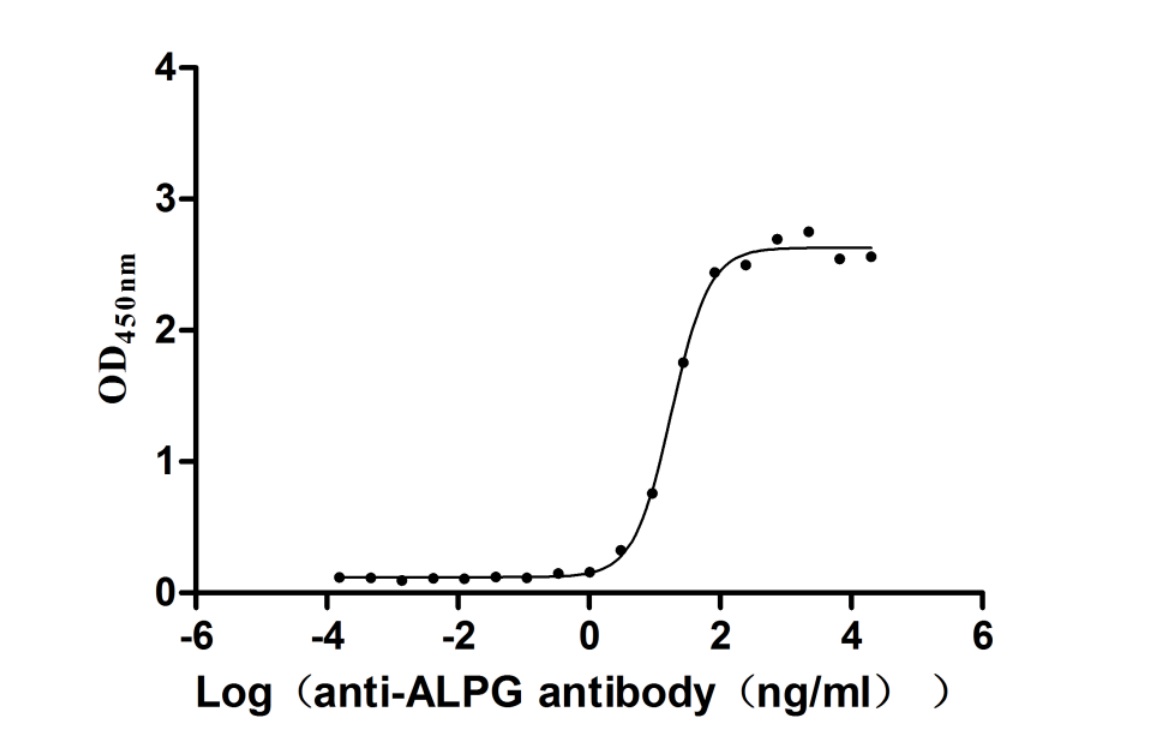
Recombinant Human Alkaline phosphatase, germ cell type (ALPG) (Active)
Express system: Mammalian cell
Species: Homo sapiens (Human)
-
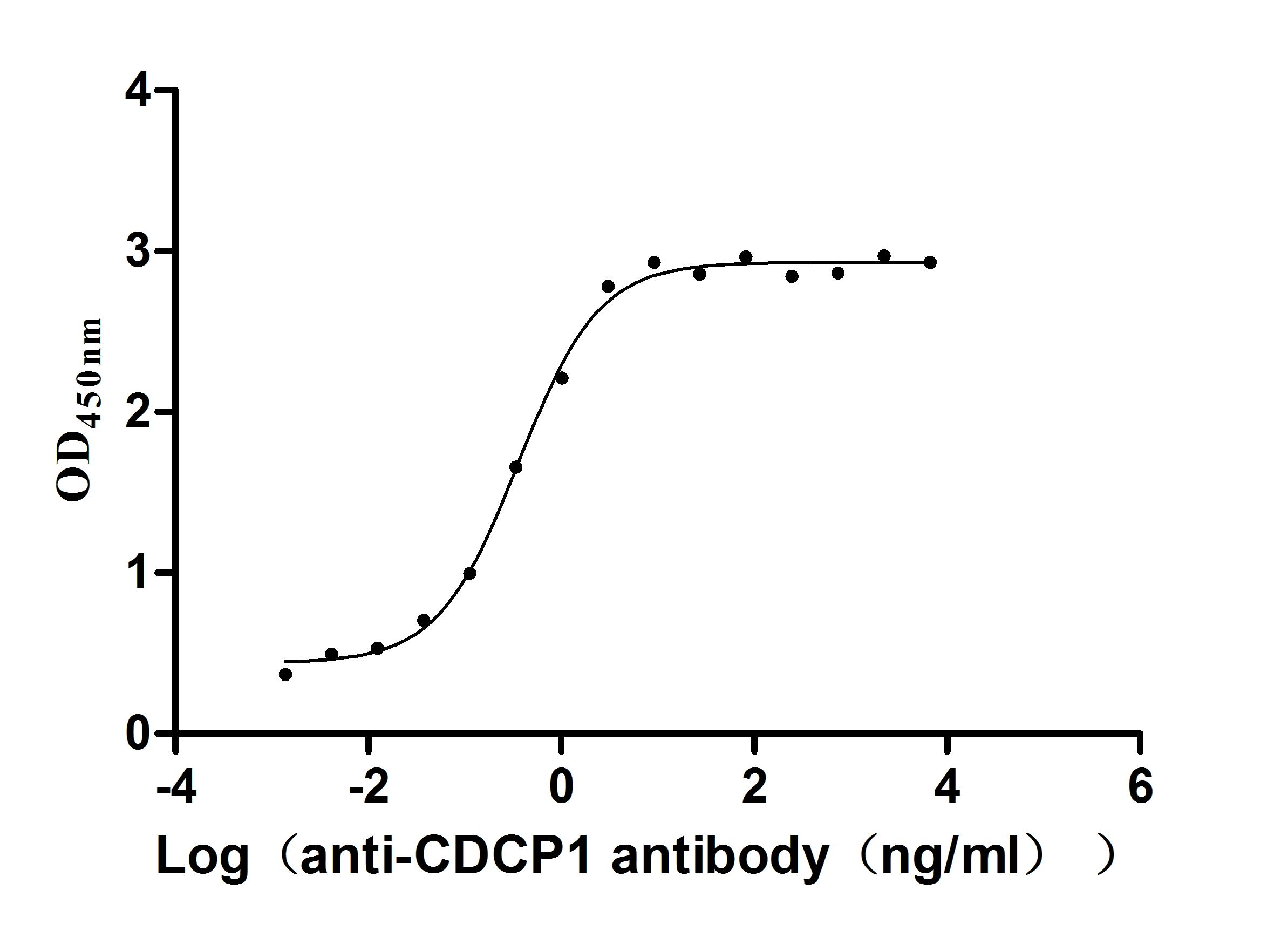
Recombinant Human CUB domain-containing protein 1 (CDCP1), partial (Active)
Express system: Mammalian cell
Species: Homo sapiens (Human)