Recombinant Rat Osteocalcin (Bglap)
-
中文名稱:Recombinant Rat Osteocalcin(Bglap)
-
貨號:CSB-YP002682RA
-
規格:
-
來源:Yeast
-
其他:
-
中文名稱:Recombinant Rat Osteocalcin(Bglap)
-
貨號:CSB-EP002682RA-B
-
規格:
-
來源:E.coli
-
共軛:Avi-tag Biotinylated
E. coli biotin ligase (BirA) is highly specific in covalently attaching biotin to the 15 amino acid AviTag peptide. This recombinant protein was biotinylated in vivo by AviTag-BirA technology, which method is BriA catalyzes amide linkage between the biotin and the specific lysine of the AviTag.
-
其他:
-
中文名稱:Recombinant Rat Osteocalcin(Bglap)
-
貨號:CSB-BP002682RA
-
規格:
-
來源:Baculovirus
-
其他:
-
中文名稱:Recombinant Rat Osteocalcin(Bglap)
-
貨號:CSB-MP002682RA
-
規格:
-
來源:Mammalian cell
-
其他:
產品詳情
-
純度:>85% (SDS-PAGE)
-
基因名:
-
Uniprot No.:
-
別名:Bglap; Bglap2; Osteocalcin; Bone Gla protein; BGP; Gamma-carboxyglutamic acid-containing protein
-
種屬:Rattus norvegicus (Rat)
-
蛋白長度:Full Length of Mature Protein
-
表達區域:50-99
-
氨基酸序列Y LNNGLGAPAP YPDPLEPHRE VCELNPNCDE LADHIGFQDA YKRIYGTTV
-
蛋白標簽:Tag?type?will?be?determined?during?the?manufacturing?process.
The tag type will be determined during production process. If you have specified tag type, please tell us and we will develop the specified tag preferentially. -
產品提供形式:Lyophilized powder
Note: We will preferentially ship the format that we have in stock, however, if you have any special requirement for the format, please remark your requirement when placing the order, we will prepare according to your demand. -
復溶:We recommend that this vial be briefly centrifuged prior to opening to bring the contents to the bottom. Please reconstitute protein in deionized sterile water to a concentration of 0.1-1.0 mg/mL.We recommend to add 5-50% of glycerol (final concentration) and aliquot for long-term storage at -20℃/-80℃. Our default final concentration of glycerol is 50%. Customers could use it as reference.
-
儲存條件:Store at -20°C/-80°C upon receipt, aliquoting is necessary for mutiple use. Avoid repeated freeze-thaw cycles.
-
保質期:The shelf life is related to many factors, storage state, buffer ingredients, storage temperature and the stability of the protein itself.
Generally, the shelf life of liquid form is 6 months at -20°C/-80°C. The shelf life of lyophilized form is 12 months at -20°C/-80°C. -
貨期:Delivery time may differ from different purchasing way or location, please kindly consult your local distributors for specific delivery time.Note: All of our proteins are default shipped with normal blue ice packs, if you request to ship with dry ice, please communicate with us in advance and extra fees will be charged.
-
注意事項:Repeated freezing and thawing is not recommended. Store working aliquots at 4°C for up to one week.
-
Datasheet :Please contact us to get it.
產品評價

相關產品
靶點詳情
-
功能:Constitutes 1-2% of the total bone protein. It binds strongly to apatite and calcium.
-
基因功能參考文獻:
- These data suggest that Undercarboxylated osteocalcin may have other effects on skeletal muscle in addition to its insulin sensitizing effect. PMID: 27291707
- Uncarboxylated osteocalcin potentiates insulin secretion, inhibits Kv channels and increases [Ca(2+)]i. PMID: 27746193
- This rat model of complete loss of osteocalcin provides a platform for further understanding the role of osteocalcin in disease. PMID: 27483347
- gamma-Carboxylase inhibition prevents osteocalcin carboxylation and protects against diabetic cardiomyopathy, possibly through direct action on upregulated G protein-coupled receptor family C group 6 member A and indirectly via adiponectin. PMID: 27488359
- Bone Gla Protein PMID: 25185647
- In primary adipocytes, both carboxylated and uncarboxylated osteocalcin increased basal and insulin-stimulated glucose transport. PMID: 24554534
- The physiological changes associated with estrous cycle stage were not sufficient to cause a detectable difference in carboxylated or undercarboxylated osteocalcin concentrations in this study. PMID: 23817840
- Osteocalcin (OC)-containing neurons are distributed throughout the cerebellar nuclei; OC may play a role in modulating the neuroprotective function of osteopontin. PMID: 22552891
- warfarin impaired the carboxylation of osteocalcin in rats. Factor Xa inhibitor edoxaban at or higher doses than needed for an antithrombotic effect sustained the circulating Gla-osteocalcin level. PMID: 22999414
- results suggest that under some physiological conditions the oncoprotein MDM2 may cooperate with p53 to regulate the osteocalcin gene during osteoblastic differentiation. PMID: 22405968
- These data are strongly in support of Sp1 as an essential transcription factor required for Osx recruitment and transactivation of the OCN promoter. PMID: 21820092
- purified Bone Gla Protein (BGP) resulted in stabilization of hypoxia-inducible factor 1alpha (HIF-1alpha) in chondrocytes and vascular smooth muscle cells PMID: 21757657
- The mechanism of high glucose induced calcification in vascular smooth muscle cells may be due to the increased expression of cbfalpha-1 and OC. PMID: 21302441
- functional link between vitamin D-dependent bone tissue-specific transcription and histone acetylation at osteocalcin locus PMID: 11893738
- the VDRE in the distal region of the OC gene promoter is refractory to binding of the VDR-RXR complex when organized in a nucleosomal context PMID: 11964167
- deltaEF1 suppresses expression of the endogenous osteocalcin gene PMID: 12193549
- acetylation of histones H3 and H4 is functionally coupled to the chromatin remodeling events that mediate the developmental induction of osteocalcin gene transcription in bone cells PMID: 12554783
- Type I collagen promotes the activity of dentin formation by dental pulp cells by down-regulating Dmp-1 gene expression and up-regulating osteocalcin gene expression. PMID: 12647294
- A human vitamin D receptor-glucocorticoid receptor DNA-binding domain chimera is functional on rat osteocalcin vitamin D-responsive element with only conservative change of lys-49 to arg, and of negatively charged glu-53 to basic amino acid (lys or arg). PMID: 12960019
- Data show that in osteoblastic cells, the vitamin D receptor interacts directly with Runx2, and that this interaction contributes significantly to vitamin D3-dependent enhancement of the osteocalcin promoter. PMID: 15456860
- Results describe gene regulation by Dlx3 in relation to that of Msx2 and Dlx5 during osteoblast differentiation. PMID: 15456894
- Ocn is a Nurr1 target gene, which positions Nurr1 in the core of transcriptional factors regulating osteoblastic gene expression PMID: 15485875
- OC-IR nerve fibers in the circumvallate papilla mainly originated from the petrosal ganglion. PMID: 15621021
- Osteonectin (ON) and osteocalcin (OC) was used as osteoblast markersand assessed using an indirect immunoperoxidase. technique. PMID: 16443258
- CEBP-beta-dependent recruitment of SWI/SNF activity is required for chromatin remodeling and transcriptional activity of the bone-specific osteocalcin gene PMID: 16772287
- specific protein-DNA and protein-protein interactions that occur within the context of the OC gene promoter in osteoblastic cells stabilize the preferential association of the VDR-SRC-1 complex PMID: 17218095
- These results support a model where VDR preferentially recruits SRC-1 to enhance bone-specific OC gene transcription. PMID: 17786964
- These data suggest that long-term reduction in bone OC levels may induce the formation of immature bone, which is easily resorbed with changes in bone metabolism such as ovariectomy, and that OC may be one of the factors affecting bone turnover. PMID: 17968486
- TFIIA gamma together with ATF4 and Runx2 stimulates osteocalcin promoter activity and endogenous mRNA expression. PMID: 18171674
- Biomineralization followed secretion of osteocalcin, which may reflect early osteoblastic differentiation of cultured mesenchymal stem cells under osteoinductive conditions. PMID: 19191495
- The Notch-responsive Hes-1 protein is capable of repressing osteocalcin gene transcription in osteoblastic cells through an E-box in the proximal promoter. PMID: 19670267
顯示更多
收起更多
-
亞細胞定位:Secreted.
-
蛋白家族:Osteocalcin/matrix Gla protein family
-
數據庫鏈接:
Most popular with customers
-

Recombinant Rat Intestinal-type alkaline phosphatase 1 (Alpi) (Active)
Express system: Mammalian cell
Species: Rattus norvegicus (Rat)
-
f4-AC1.jpg)
Recombinant Human Claudin-6 (CLDN6)-VLPs, Fluorescent (Active)
Express system: Mammalian cell
Species: Homo sapiens (Human)
-
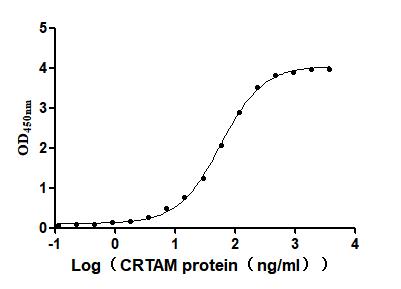
Recombinant Mouse Cytotoxic and regulatory T-cell molecule (Crtam), partial (Active)
Express system: Mammalian cell
Species: Mus musculus (Mouse)
-
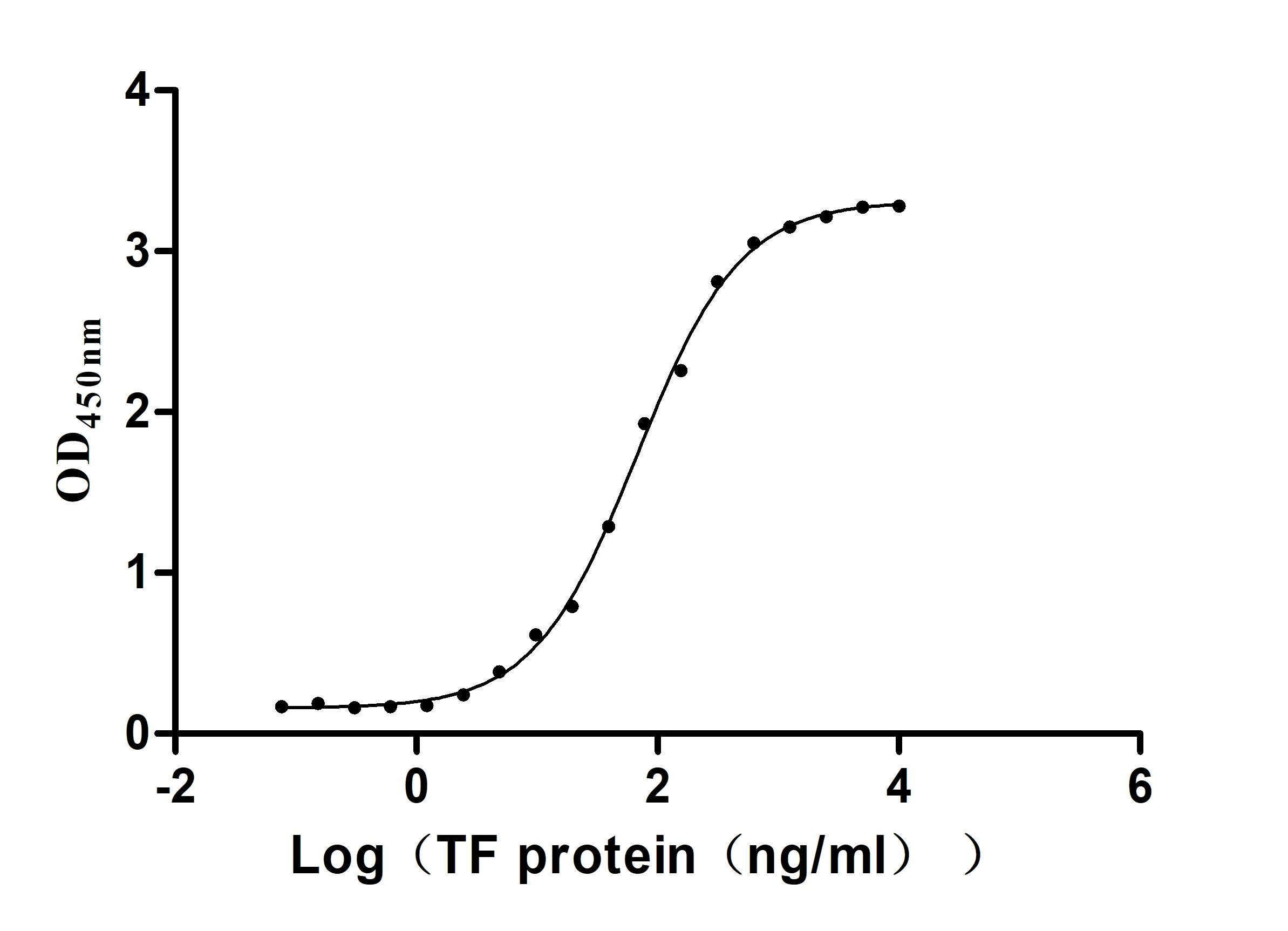
Recombinant Human Serotransferrin(TF) (Active)
Express system: Mammalian cell
Species: Homo sapiens (Human)
-
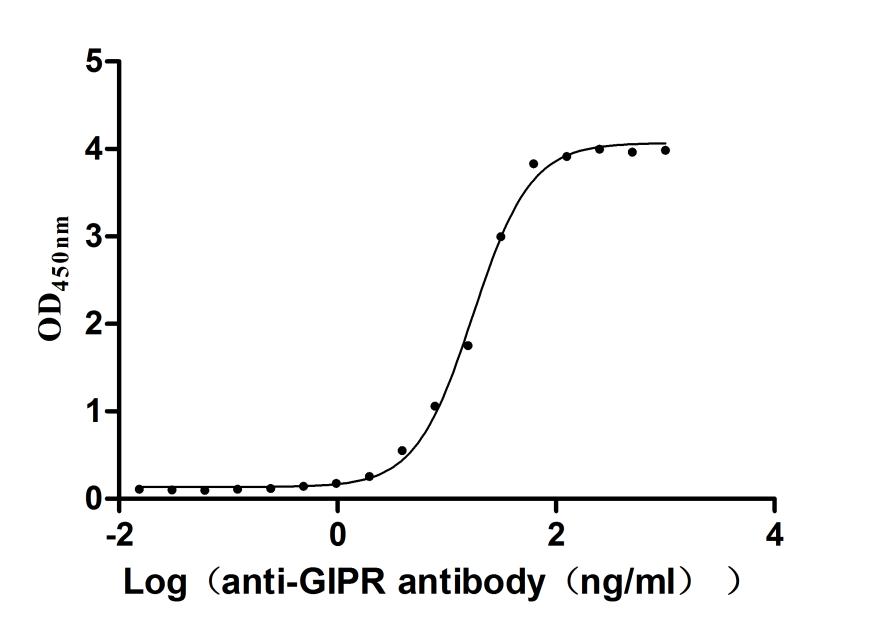
Recombinant Human Gastric inhibitory polypeptide receptor(GIPR),partial (Active)
Express system: Mammalian cell
Species: Homo sapiens (Human)
-
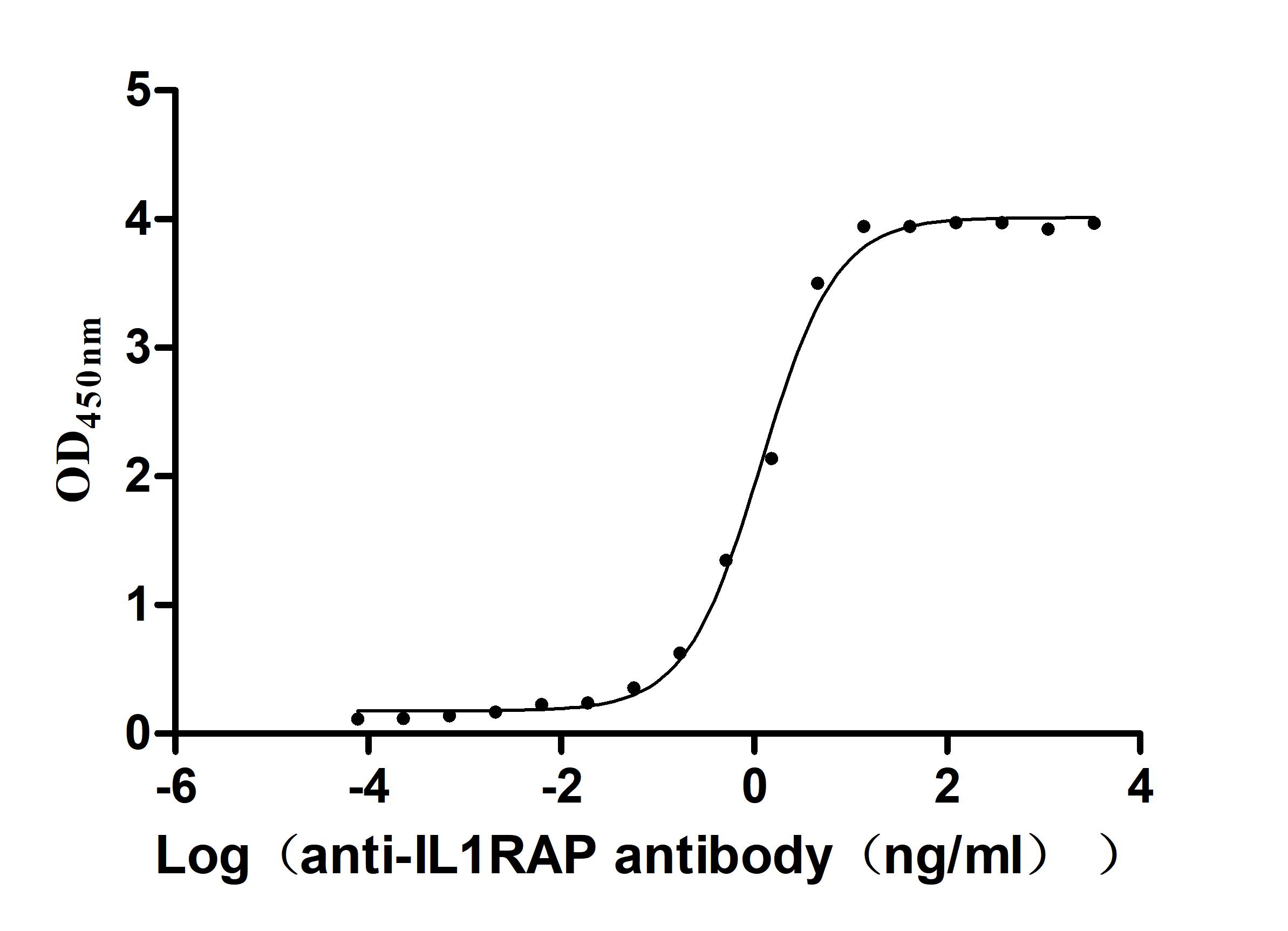
Recombinant Human Interleukin-1 receptor accessory protein (IL1RAP), partial (Active)
Express system: Mammalian cell
Species: Homo sapiens (Human)
-
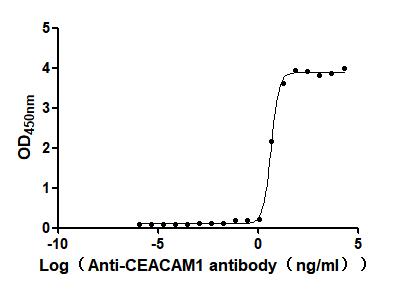
Express system: Mammalian cell
Species: Homo sapiens (Human)