Recombinant Rat Neuroligin-1 (Nlgn1), partial
-
中文名稱:大鼠Nlgn1重組蛋白
-
貨號:CSB-YP733842RA
-
規格:
-
來源:Yeast
-
其他:
-
中文名稱:大鼠Nlgn1重組蛋白
-
貨號:CSB-EP733842RA
-
規格:
-
來源:E.coli
-
其他:
-
中文名稱:大鼠Nlgn1重組蛋白
-
貨號:CSB-EP733842RA-B
-
規格:
-
來源:E.coli
-
共軛:Avi-tag Biotinylated
E. coli biotin ligase (BirA) is highly specific in covalently attaching biotin to the 15 amino acid AviTag peptide. This recombinant protein was biotinylated in vivo by AviTag-BirA technology, which method is BriA catalyzes amide linkage between the biotin and the specific lysine of the AviTag.
-
其他:
-
中文名稱:大鼠Nlgn1重組蛋白
-
貨號:CSB-BP733842RA
-
規格:
-
來源:Baculovirus
-
其他:
-
中文名稱:大鼠Nlgn1重組蛋白
-
貨號:CSB-MP733842RA
-
規格:
-
來源:Mammalian cell
-
其他:
產品詳情
-
純度:>85% (SDS-PAGE)
-
基因名:Nlgn1
-
Uniprot No.:
-
別名:Nlgn1Neuroligin-1; Neuroligin I
-
種屬:Rattus norvegicus (Rat)
-
蛋白長度:Partial
-
蛋白標簽:Tag?type?will?be?determined?during?the?manufacturing?process.
The tag type will be determined during production process. If you have specified tag type, please tell us and we will develop the specified tag preferentially. -
產品提供形式:Lyophilized powder
Note: We will preferentially ship the format that we have in stock, however, if you have any special requirement for the format, please remark your requirement when placing the order, we will prepare according to your demand. -
復溶:We recommend that this vial be briefly centrifuged prior to opening to bring the contents to the bottom. Please reconstitute protein in deionized sterile water to a concentration of 0.1-1.0 mg/mL.We recommend to add 5-50% of glycerol (final concentration) and aliquot for long-term storage at -20℃/-80℃. Our default final concentration of glycerol is 50%. Customers could use it as reference.
-
儲存條件:Store at -20°C/-80°C upon receipt, aliquoting is necessary for mutiple use. Avoid repeated freeze-thaw cycles.
-
保質期:The shelf life is related to many factors, storage state, buffer ingredients, storage temperature and the stability of the protein itself.
Generally, the shelf life of liquid form is 6 months at -20°C/-80°C. The shelf life of lyophilized form is 12 months at -20°C/-80°C. -
貨期:Delivery time may differ from different purchasing way or location, please kindly consult your local distributors for specific delivery time.Note: All of our proteins are default shipped with normal blue ice packs, if you request to ship with dry ice, please communicate with us in advance and extra fees will be charged.
-
注意事項:Repeated freezing and thawing is not recommended. Store working aliquots at 4°C for up to one week.
-
Datasheet :Please contact us to get it.
產品評價

靶點詳情
-
功能:Cell surface protein involved in cell-cell-interactions via its interactions with neurexin family members. Plays a role in synapse function and synaptic signal transmission, and probably mediates its effects by recruiting and clustering other synaptic proteins. May promote the initial formation of synapses, but is not essential for this. In vitro, triggers the de novo formation of presynaptic structures. May be involved in specification of excitatory synapses. Required to maintain wakefulness quality and normal synchrony of cerebral cortex activity during wakefulness and sleep. The protein is involved in nervous system development.
-
基因功能參考文獻:
- We concluded that NLGN1 gene and protein expression is higher in the motor frontal cortex, hippocampus and in the prefrontal cortex in the forced swimming animal model of depression in WKy rats PMID: 27423632
- Neuroligin-1 and neurexin II were both expressed in the Enteric Nervous System (ENS) and have temporal correlation with the development of ENS, during which neuronal intestinal malformations (NIM) may occur due to their disruptions and consequent abnormal ENS development. PMID: 28194405
- the expression of NL1 and its binding partner neurexin-1beta was increased in temporal lobe epileptic foci in patients and lithium-pilocarpine-treated epileptic rats. PMID: 25428619
- NLGN1 and alpha6 integrin preferentially colocalize in the mature retinal vessels, whereas NLGN1 deletion causes an aberrant VE-cadherin, laminin and alpha6 integrin distribution in vessels PMID: 24860089
- Neuroligin 1 promotes excitatory synapses in hippocampal pyramidal neurons. PMID: 23426688
- Neuroligin-1 controls synaptic abundance of NMDA-type glutamate receptors through extracellular coupling. PMID: 23269831
- This study demomnistrated that the presence of NLGN1 containing the alternatively spliced B site insertion is a requirement for the expression of LTP in young CA1 pyramidal cells at a time when initial synaptic connections are being made in abundance. PMID: 23083734
- Data from studies using cross-linking reagents suggest that neuroligins in neurons cultured from embryonic hippocampus, striatum, or cerebellum form constitutive dimers, including homodimers and, most notably, neuroligin 1/3 heteromers. PMID: 22671294
- NL1 protein was obtained from the supernatant of the recombinant virus-infected High Five insect cells. It was shown that purified rat NL1 promoted and enhanced the growth rate of axons. PMID: 21911064
- Data show that knockdown of neuroligin family (Nlgn1, Nlgn2, and Nlgn3)necessary for functional study of cytoplasmic tail. PMID: 21532576
- A surrogate postsynaptic cell expressing full-length neuroligin-1 triggers slow presynaptic differentiation in a contacting axon. PMID: 20739565
- Findings suggest that neuroligin-1 can modulate, in a pathway-specific manner, synaptic plasticity in the amygdala circuits of adult animals, likely by regulating the abundance of postsynaptic NMDA receptors. PMID: 20176955
- Study on the expression of NLGN1 in the developing and adult olfactory bulb PMID: 12141453
- glycosylation processing of neuroligin, in addition to mRNA splicing and gene selection, contributes to the specificity of the neurexin-beta/neuroligin-1 association PMID: 14522992
- The molecular topology of the extracellular region of neuroligin 1 and posttranslational modifications, such as N- and O-glycosylation, have been defined and a model constructed. PMID: 14769026
- A pivotal position is suggested for neuroligin 1 in a putative hierarchy of interactions assembling or stabilizing synapses, as implied by a neuroligin 1 mutant which, lacking the intracellular domain, fails to target to synapses. PMID: 15519238
- neuroligins control the formation and functional balance of excitatory and inhibitory synapses in hippocampal neurons PMID: 15681343
- R473C-NL1, when expressed in cultured hippocampal neurons, can induce a dramatic increase in NMDA current amplitude; this change is accompanied by NMDA receptor clustering in the postsynaptic cell. PMID: 16298368
- These results indicate that persistent expression of neuroligin-1 is required for the maintenance of NMDA Receptor-mediated synaptic transmission, which enables normal development of synaptic plasticity and long-term memory in the amygdala. PMID: 18579781
- Data show beta-cell expression of the neuroligin 1, and show that neuroligin expression affects insulin secretion in INS-1 beta-cells and rat islet cells. PMID: 18755801
- the excitatory, postsynaptic neuronal cell-adhesion receptor, neuroligin-1, was found to be significantly increased in both the prefrontal and parietal cortical areas of aged cognitively impaired rats. PMID: 19105974
顯示更多
收起更多
-
亞細胞定位:Cell membrane; Single-pass type I membrane protein. Cell junction, synapse, postsynaptic density. Cell junction, synapse, synaptic cleft. Cell junction, synapse, synaptic cell membrane.
-
蛋白家族:Type-B carboxylesterase/lipase family
-
組織特異性:Expressed in brain, almost exclusively in neurons, and spinal chord. Detected in pancreas islet beta cells.
-
數據庫鏈接:
Most popular with customers
-
-AC1.jpg)
Recombinant Human Pro-neuregulin-1, membrane-bound isoform (NRG1), partial (Active)
Express system: Mammalian cell
Species: Homo sapiens (Human)
-
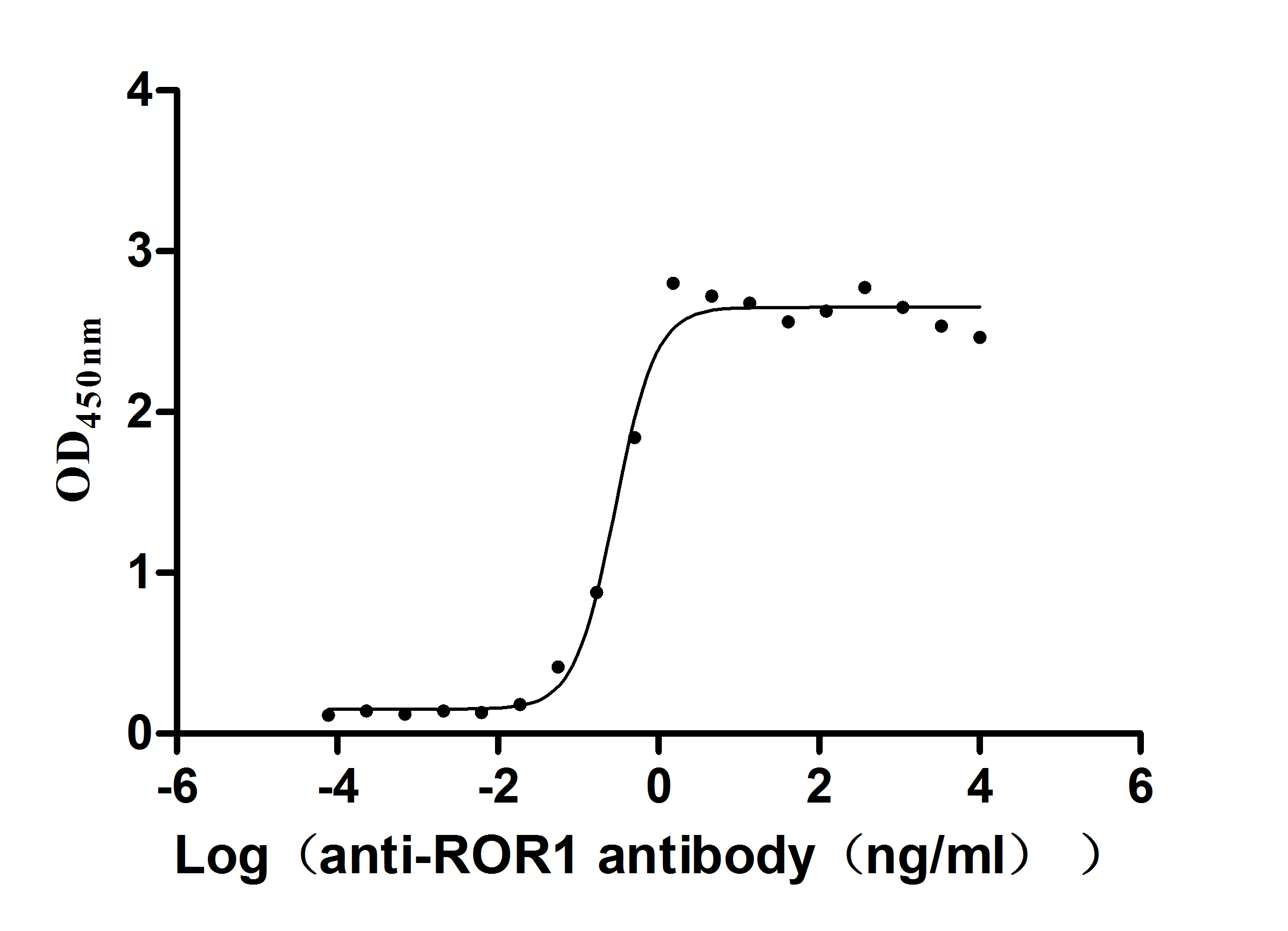
Express system: Mammalian cell
Species: Homo sapiens (Human)
-
-AC1.jpg)
Recombinant Human Claudin-18.2 (CLDN18.2)-VLPs (Active)
Express system: Mammalian cell
Species: Homo sapiens (Human)
-
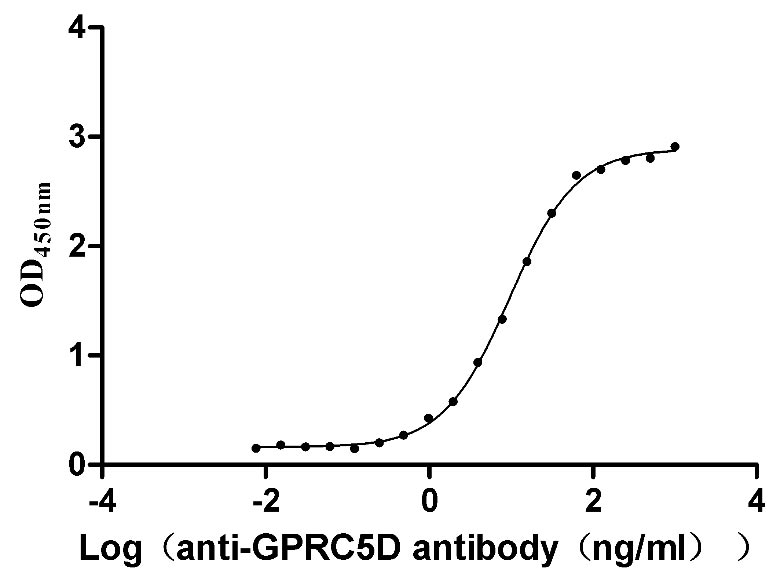
Recombinant Human G-protein coupled receptor family C group 5 member D (GPRC5D)-VLPs (Active)
Express system: Mammalian cell
Species: Homo sapiens (Human)
-

Recombinant Rat Intestinal-type alkaline phosphatase 1 (Alpi) (Active)
Express system: Mammalian cell
Species: Rattus norvegicus (Rat)
-
Express system: Mammalian cell
Species: Homo sapiens (Human)
-
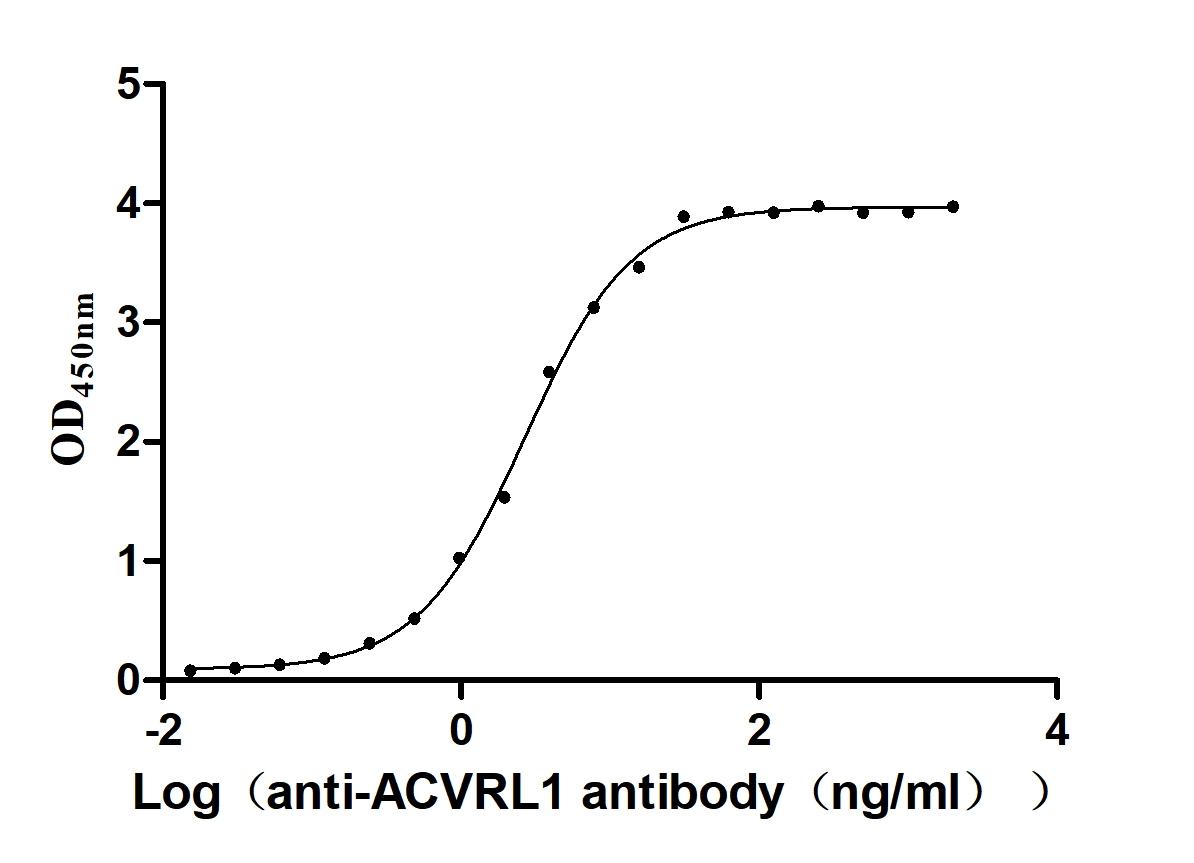
Recombinant Human Serine/threonine-protein kinase receptor R3 (ACVRL1), partial (Active)
Express system: Baculovirus
Species: Homo sapiens (Human)
-
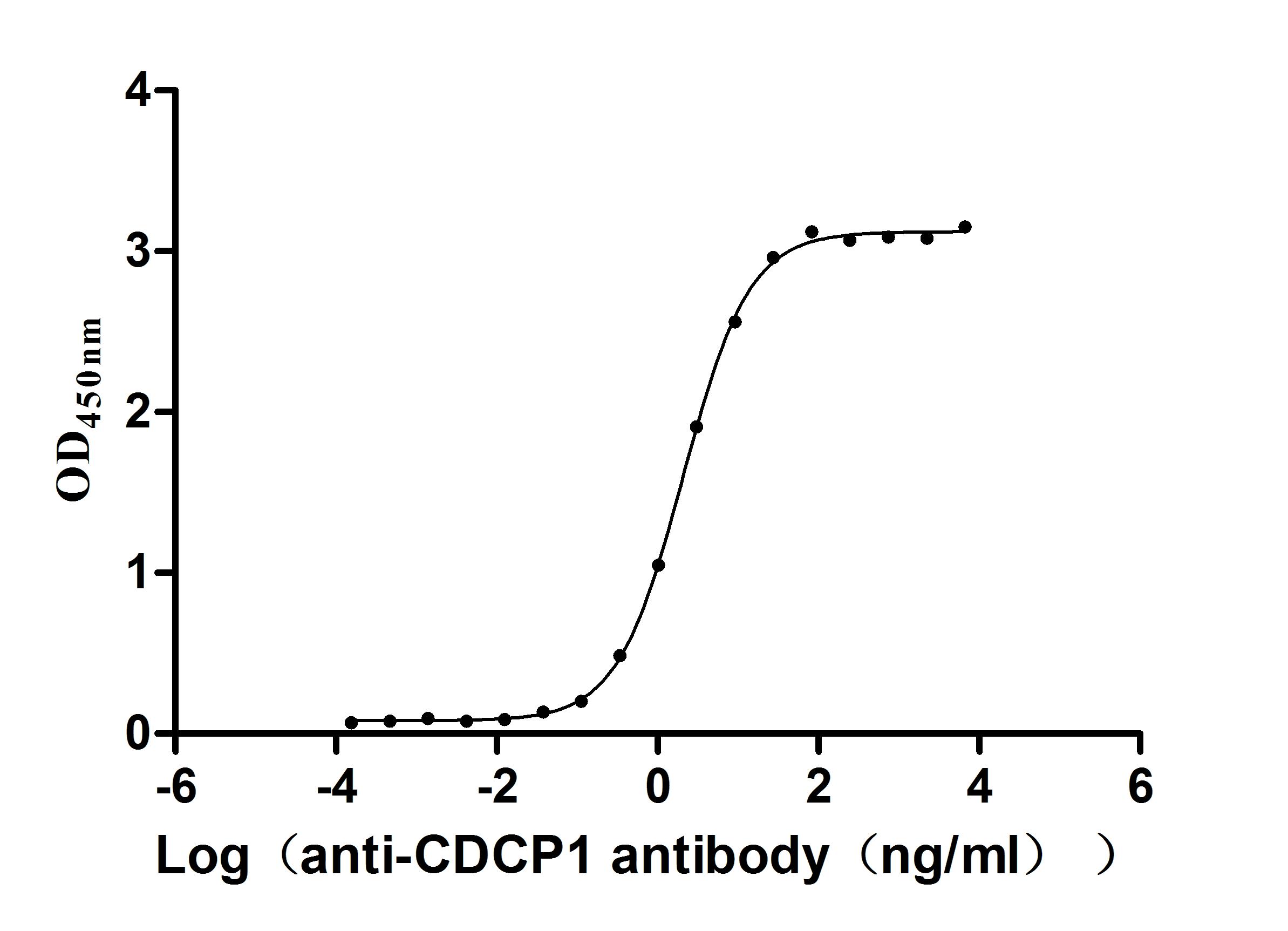
Recombinant Macaca fascicularis CUB domain containing protein 1 (CDCP1), partial (Active)
Express system: Mammalian cell
Species: Macaca fascicularis (Crab-eating macaque) (Cynomolgus monkey)