
Recombinant Rat Alkaline phosphatase, tissue-nonspecific isozyme (Alpl)
In Stock-
中文名稱:Recombinant Rat Alkaline phosphatase, tissue-nonspecific isozyme(Alpl)
-
品名簡稱:Recombinant Rat Alpl protein
-
貨號:CSB-EP001631RA
-
說明書:
-
規格:¥1836
-
圖片:
-
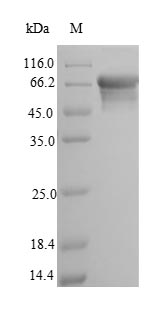 (Tris-Glycine gel) Discontinuous SDS-PAGE (reduced) with 5% enrichment gel and 15% separation gel.
-
-
其他:
產品詳情
-
純度:Greater than 90% as determined by SDS-PAGE.
-
基因名:
-
Uniprot No.:
-
別名:Alpl; Alkaline phosphatase; tissue-nonspecific isozyme; AP-TNAP; TNSALP; EC 3.1.3.1; Alkaline phosphatase liver/bone/kidney isozyme
-
種屬:Rattus norvegicus (Rat)
-
蛋白長度:Full Length of Mature Protein
-
來源:E.coli
-
分子量:69.5kDa
-
表達區域:18-501aa
-
氨基酸序列FVPEKEKDPSYWRQQAQETLKNALKLQKLNTNVAKNIIMFLGDGMGVSTVTAARILKGQLHHNTGEETRLEMDKFPFVALSKTYNTNAQVPDSAGTATAYLCGVKANEGTVGVSAATERTRCNTTQGNEVTSILRWAKDAGKSVGIVTTTRVNHATPSAAYAHSADRDWYSDNEMPPEALSQGCKDIAYQLMHNIKDIDVIMGGGRKYMYPKNRTDVEYELDEKARGTRLDGLDLISIWKSFKPRHKHSHYVWNRTELLALDPSRVDYLLGLFEPGDMQYELNRNNLTDPSLSEMVEVALRILTKNPKGFFLLVEGGRIDHGHHEGKAKQALHEAVEMDEAIGKAGTMTSQKDTLTVVTADHSHVFTFGGYTPRGNSIFGLAPMVSDTDKKPFTAILYGNGPGYKVVDGERENVSMVDYAHNNYQAQSAVPLRHETHGGEDVAVFAKGPMAHLLHGVHEQNYIPHVMAYASCIGANLDHCAWAS
Note: The complete sequence may include tag sequence, target protein sequence, linker sequence and extra sequence that is translated with the protein sequence for the purpose(s) of secretion, stability, solubility, etc.
If the exact amino acid sequence of this recombinant protein is critical to your application, please explicitly request the full and complete sequence of this protein before ordering. -
蛋白標簽:N-terminal 6xHis-SUMO-tagged
-
產品提供形式:Liquid or Lyophilized powder
Note: We will preferentially ship the format that we have in stock, however, if you have any special requirement for the format, please remark your requirement when placing the order, we will prepare according to your demand. -
緩沖液:If the delivery form is liquid, the default storage buffer is Tris/PBS-based buffer, 5%-50% glycerol.
Note: If you have any special requirement for the glycerol content, please remark when you place the order.
If the delivery form is lyophilized powder, the buffer before lyophilization is Tris/PBS-based buffer, 6% Trehalose. -
儲存條件:Store at -20°C/-80°C upon receipt, aliquoting is necessary for mutiple use. Avoid repeated freeze-thaw cycles.
-
保質期:The shelf life is related to many factors, storage state, buffer ingredients, storage temperature and the stability of the protein itself.
Generally, the shelf life of liquid form is 6 months at -20°C/-80°C. The shelf life of lyophilized form is 12 months at -20°C/-80°C. -
貨期:3-7 business days
-
注意事項:Repeated freezing and thawing is not recommended. Store working aliquots at 4°C for up to one week.
-
Datasheet & COA:Please contact us to get it.
產品評價

相關產品
靶點詳情
-
功能:Alkaline phosphatase that metabolizes various phosphate compounds and plays a key role in skeletal mineralization and adaptive thermogenesis. Has broad substrate specificity and can hydrolyze a considerable variety of compounds: however, only a few substrates, such as diphosphate (inorganic pyrophosphate; PPi), pyridoxal 5'-phosphate (PLP) and N-phosphocreatine are natural substrates. Plays an essential role in skeletal and dental mineralization via its ability to hydrolyze extracellular diphosphate, a potent mineralization inhibitor, to phosphate: it thereby promotes hydroxyapatite crystal formation and increases inorganic phosphate concentration. Acts in a non-redundant manner with PHOSPHO1 in skeletal mineralization: while PHOSPHO1 mediates the initiation of hydroxyapatite crystallization in the matrix vesicles (MVs), ALPL/TNAP catalyzes the spread of hydroxyapatite crystallization in the extracellular matrix. Also promotes dephosphorylation of osteopontin (SSP1), an inhibitor of hydroxyapatite crystallization in its phosphorylated state; it is however unclear whether ALPL/TNAP mediates SSP1 dephosphorylation via a direct or indirect manner. Catalyzes dephosphorylation of PLP to pyridoxal (PL), the transportable form of vitamin B6, in order to provide a sufficient amount of PLP in the brain, an essential cofactor for enzymes catalyzing the synthesis of diverse neurotransmitters. Additionally, also able to mediate ATP degradation in a stepwise manner to adenosine, thereby regulating the availability of ligands for purinergic receptors. Also capable of dephosphorylating microbial products, such as lipopolysaccharides (LPS) as well as other phosphorylated small-molecules, such as poly-inosine:cytosine (poly I:C). Acts as a key regulator of adaptive thermogenesis as part of the futile creatine cycle: localizes to the mitochondria of thermogenic fat cells and acts by mediating hydrolysis of N-phosphocreatine to initiate a futile cycle of creatine dephosphorylation and phosphorylation. During the futile creatine cycle, creatine and N-phosphocreatine are in a futile cycle, which dissipates the high energy charge of N-phosphocreatine as heat without performing any mechanical or chemical work.
-
基因功能參考文獻:
- he rats body weight were decreased, the cartilage histological structure were disrupted, the cartilage and serum contents of Al and the serum level of C-telopeptide of type II collagen were all increased, the serum level of type II collagen (Col II) and alkaline phosphatase (ALP), and the mRNA expressions of TGF-beta1, BMP-2, ALP and Col II were all decreased in the AlCl3-treated groups compared with those in control g... PMID: 27885436
- Data show that nonylphenol (NP) increased serum alkaline phosphatase, lead to liver damage and can increase the expression of heme oxygenase-1 (HO1) and growth arrest and DNA-damage-inducible 45 beta protein (Gadd45b) genes and may modify the toxic effects on liver through induction of oxidative stress. PMID: 27590577
- TNAP contributes to the hypertrophic effect of phenylephrine, as well as its ability to produce cardiomyocyte calcification. These responses are minimized by CD73-dependent endogenously produced adenosine. PMID: 24894822
- TNAP histochemistry offers a more straightforward, but also more sensitive, method for investigating retinal strata and their diabetes-induced degeneration. PMID: 25411053
- Rat pups fed IAP had decreased mRNA expression of the inflammatory cytokines TNFalpha, IL-6 and iNOS. PMID: 24888842
- BMP-2 and ALP gene expression is induced by a BMP-2 gene-fibronectin-apatite composite layer PMID: 21636885
- The expression of ENPP1, TNAP and ANK proteins could be detected in each generation of endplate chondrocytes. With the continuing passage of cells, the level of protein expression declined gradually. PMID: 21418901
- Data show that alkaline phosphatase (AP) activity in brain vessels and parenchyma in which AP exhibits specific patterns is attributable to TNAP. PMID: 21191615
- Forty SNPs in ALPL and 14 SNPs in ENPP1 genetic loci as well as pairwise haplotypes were tested for association with bone strength related traits. PMID: 19931660
- Characterization of rat Alpl isoforms by hplc and agar gel electrophoresis are reported. PMID: 19084045
- ATP-mediated DBS, forming a negative feedback loop. The duodenal epithelial brush border IAP-P2Y-HCO(3-) surface microclimate pH regulatory system effectively protects the mucosa from acid injury. PMID: 19451200
顯示更多
收起更多
-
亞細胞定位:Cell membrane; Lipid-anchor, GPI-anchor. Extracellular vesicle membrane; Lipid-anchor, GPI-anchor. Mitochondrion membrane; Lipid-anchor, GPI-anchor. Mitochondrion intermembrane space.
-
蛋白家族:Alkaline phosphatase family
-
數據庫鏈接:
Most popular with customers
-
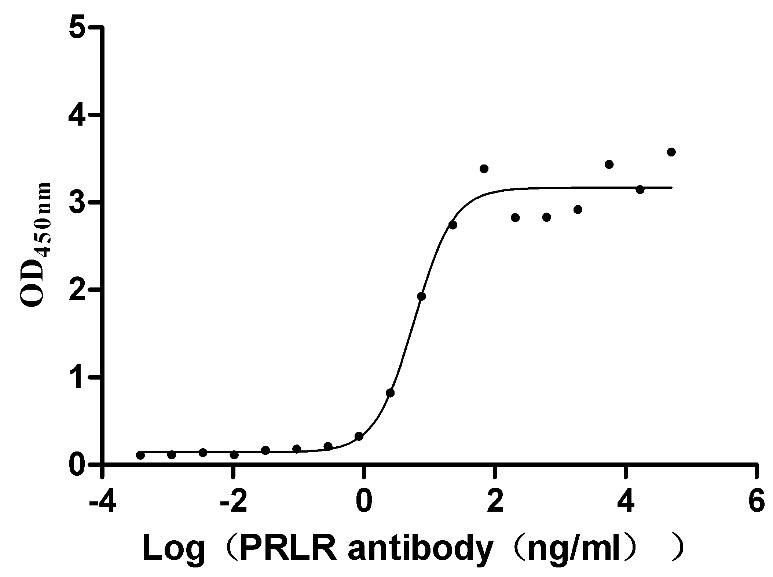
Recombinant Mouse Prolactin receptor (Prlr), partial (Active)
Express system: Mammalian cell
Species: Mus musculus (Mouse)
-
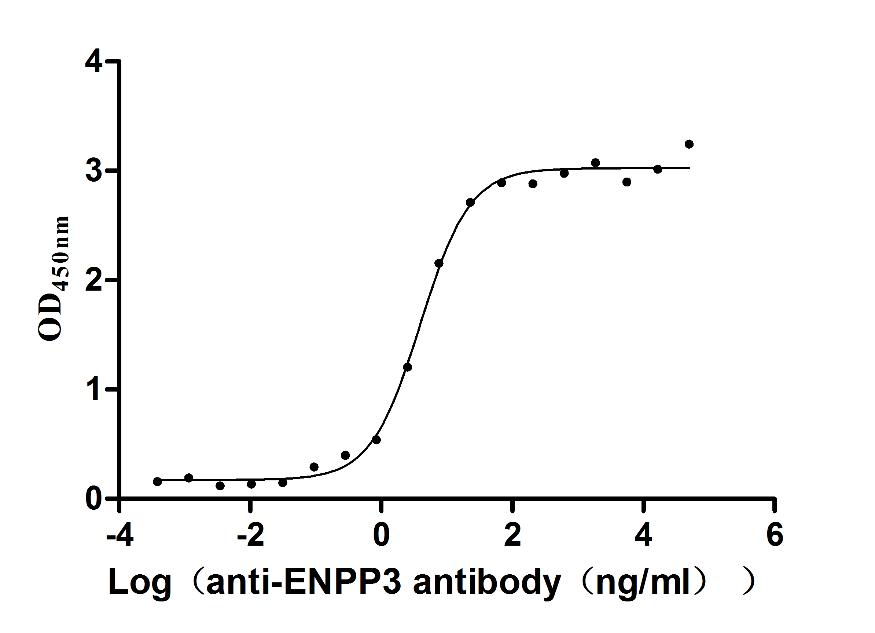
Express system: Mammalian cell
Species: Macaca fascicularis (Crab-eating macaque) (Cynomolgus monkey)
-
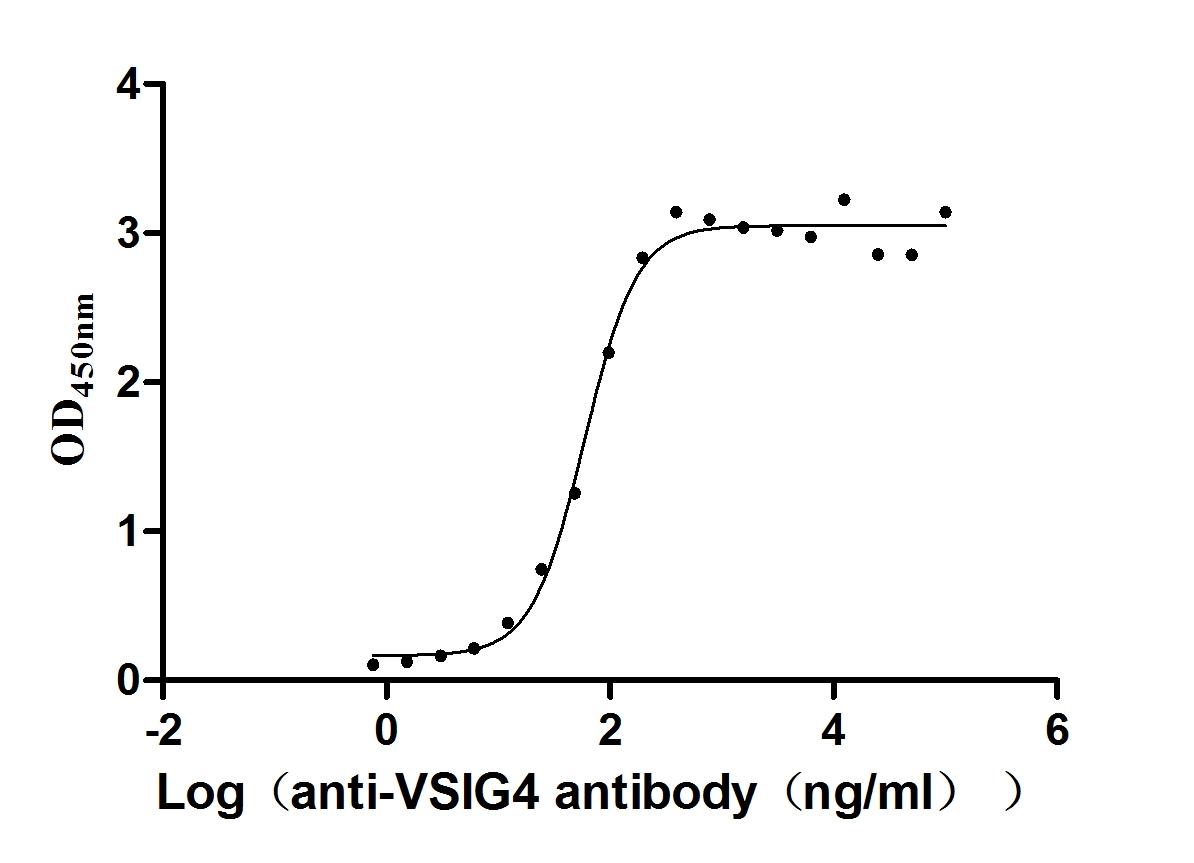
Recombinant Human V-set and immunoglobulin domain-containing protein 4 (VSIG4), partial (Active)
Express system: Mammalian cell
Species: Homo sapiens (Human)
-
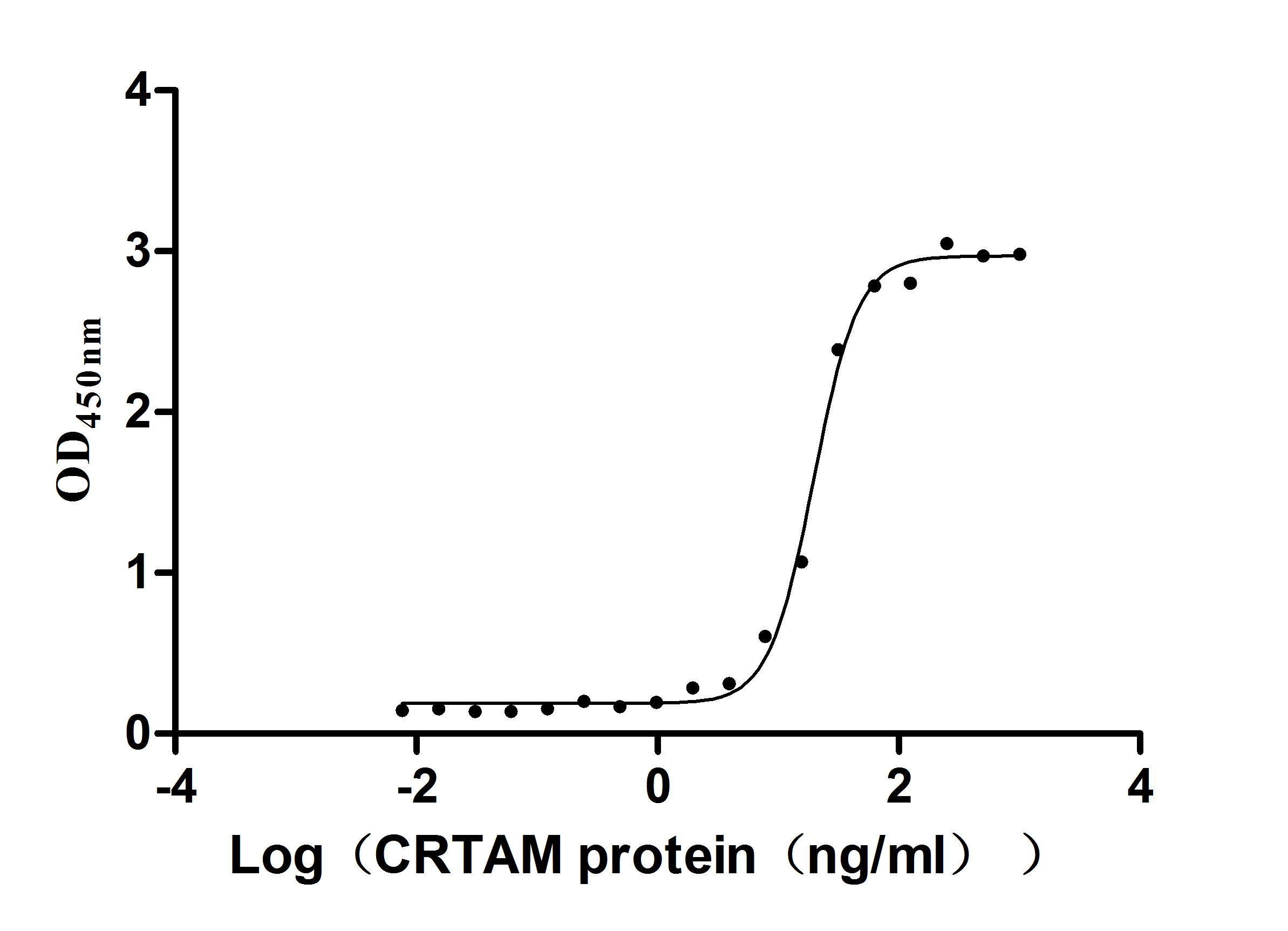
Recombinant Human Cell adhesion molecule 1 (CADM1), partial (Active)
Express system: Mammalian cell
Species: Homo sapiens (Human)
-
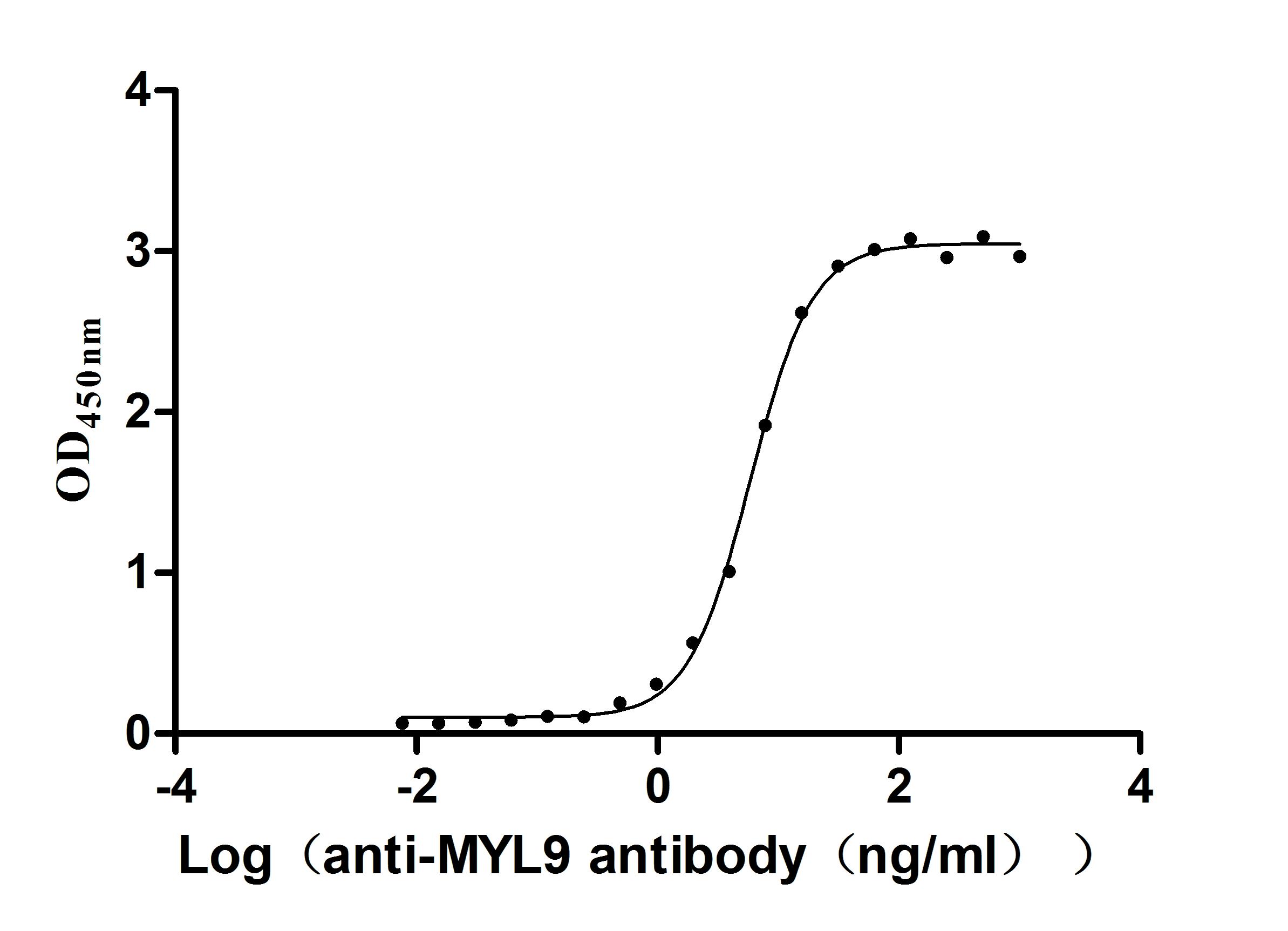
Recombinant Human Myosin regulatory light chain 12A (MYL12A) (Active)
Express system: E.coli
Species: Homo sapiens (Human)
-
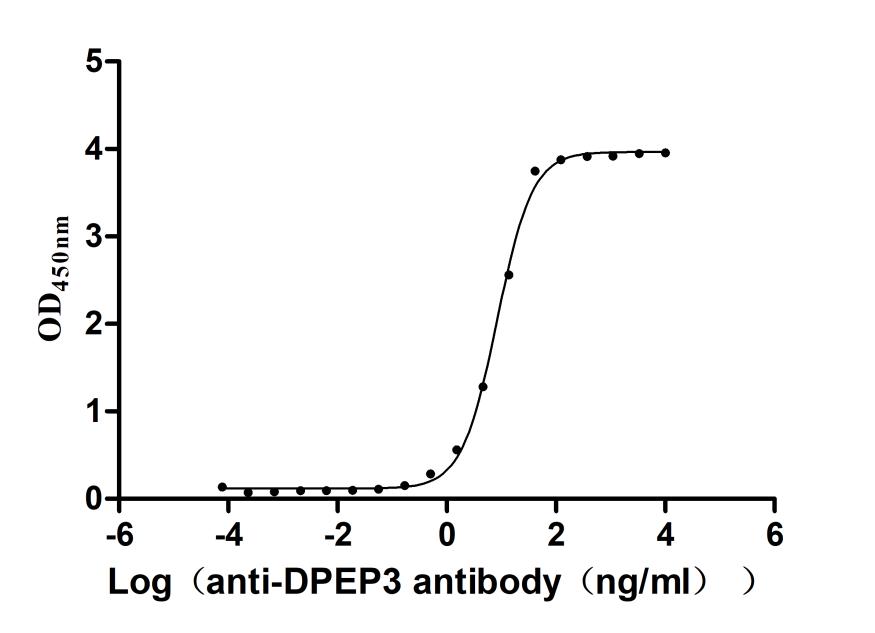
Recombinant Macaca fascicularis Dipeptidase 3(DPEP3) (Active)
Express system: Mammalian cell
Species: Macaca fascicularis (Crab-eating macaque) (Cynomolgus monkey)
-
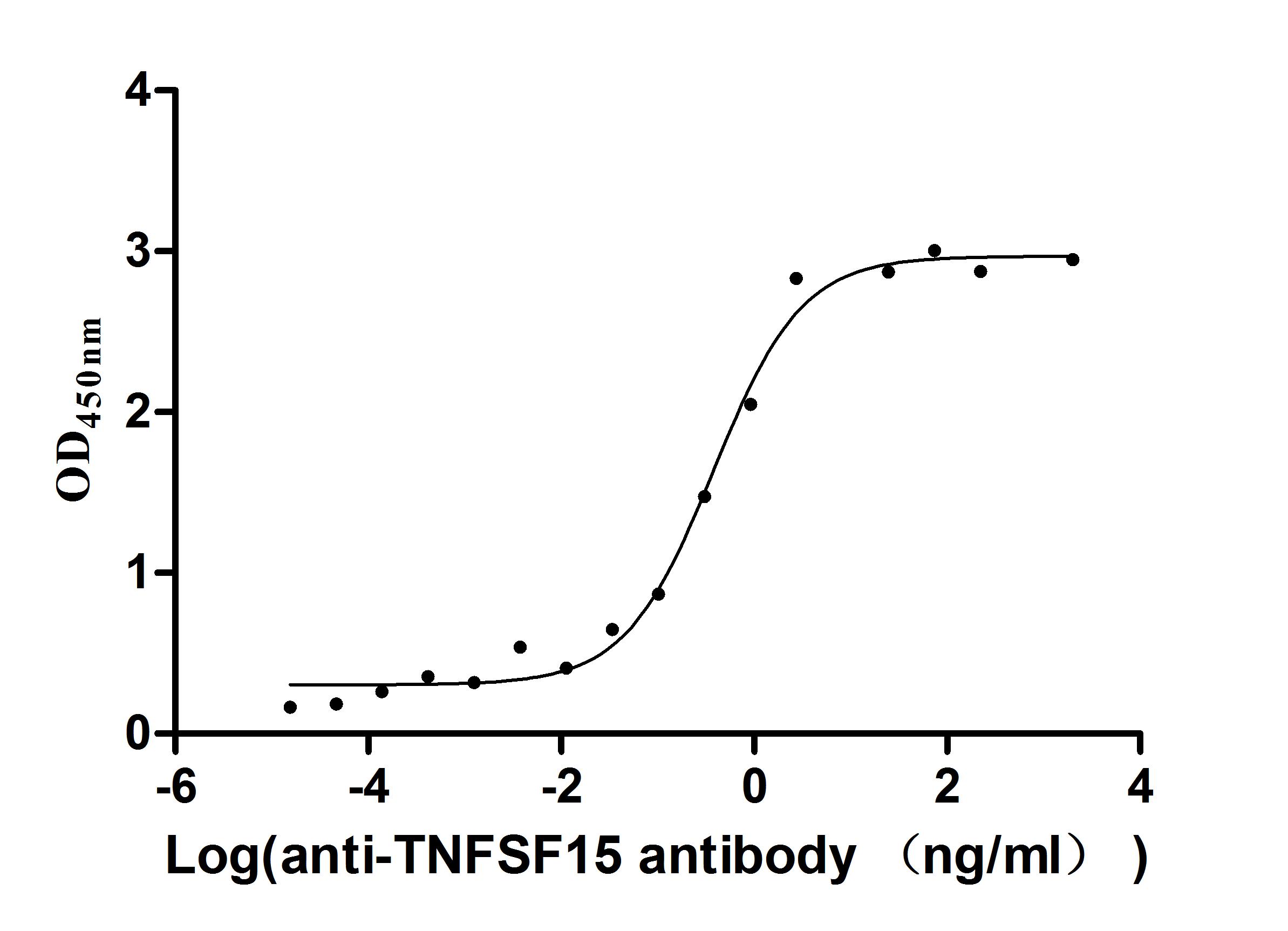
Express system: Mammalian cell
Species: Homo sapiens (Human)