
Recombinant Mouse Zinc finger protein 42 (Zfp42)
-
中文名稱:小鼠Zfp42重組蛋白
-
貨號:CSB-YP026453MO
-
規格:
-
來源:Yeast
-
其他:
-
中文名稱:小鼠Zfp42重組蛋白
-
貨號:CSB-EP026453MO
-
規格:
-
來源:E.coli
-
其他:
-
中文名稱:小鼠Zfp42重組蛋白
-
貨號:CSB-EP026453MO-B
-
規格:
-
來源:E.coli
-
共軛:Avi-tag Biotinylated
E. coli biotin ligase (BirA) is highly specific in covalently attaching biotin to the 15 amino acid AviTag peptide. This recombinant protein was biotinylated in vivo by AviTag-BirA technology, which method is BriA catalyzes amide linkage between the biotin and the specific lysine of the AviTag.
-
其他:
-
中文名稱:小鼠Zfp42重組蛋白
-
貨號:CSB-BP026453MO
-
規格:
-
來源:Baculovirus
-
其他:
-
中文名稱:小鼠Zfp42重組蛋白
-
貨號:CSB-MP026453MO
-
規格:
-
來源:Mammalian cell
-
其他:
產品詳情
-
純度:>85% (SDS-PAGE)
-
基因名:Zfp42
-
Uniprot No.:
-
別名:Zfp42; Rex-1; Rex1Zinc finger protein 42; Zfp-42; Reduced expression protein 1; REX-1; mREX-1
-
種屬:Mus musculus (Mouse)
-
蛋白長度:Full length protein
-
表達區域:1-288
-
氨基酸序列MNEQKMNEQM KKTAKTSGQK GPGGRALDRL TLKQDEARPV QNTRVEAPRV TYTIRDESEI SPETEEDGFP DGYLECIIRG EFSEPILEED FLFKSFESLE EVEQNLSRQV LEASSLLESS LEYMTKGTKQ EKTEVTQETP PLRVGASSLL AGGPAEKPEG GVYCGVLSML ECPQAGCKKK LRGKTALRKH MLVHGPRRHV CAECGKAFTE SSKLKRHFLV HTGEKPYQCT FEGCGKRFSL DFNLRTHIRI HTGERRFVCP FDGCEKSFIQ SNNQKIHILT HAKAGKKC
-
蛋白標簽:Tag?type?will?be?determined?during?the?manufacturing?process.
The tag type will be determined during production process. If you have specified tag type, please tell us and we will develop the specified tag preferentially. -
產品提供形式:Lyophilized powder
Note: We will preferentially ship the format that we have in stock, however, if you have any special requirement for the format, please remark your requirement when placing the order, we will prepare according to your demand. -
復溶:We recommend that this vial be briefly centrifuged prior to opening to bring the contents to the bottom. Please reconstitute protein in deionized sterile water to a concentration of 0.1-1.0 mg/mL.We recommend to add 5-50% of glycerol (final concentration) and aliquot for long-term storage at -20℃/-80℃. Our default final concentration of glycerol is 50%. Customers could use it as reference.
-
儲存條件:Store at -20°C/-80°C upon receipt, aliquoting is necessary for mutiple use. Avoid repeated freeze-thaw cycles.
-
保質期:The shelf life is related to many factors, storage state, buffer ingredients, storage temperature and the stability of the protein itself.
Generally, the shelf life of liquid form is 6 months at -20°C/-80°C. The shelf life of lyophilized form is 12 months at -20°C/-80°C. -
貨期:Delivery time may differ from different purchasing way or location, please kindly consult your local distributors for specific delivery time.Note: All of our proteins are default shipped with normal blue ice packs, if you request to ship with dry ice, please communicate with us in advance and extra fees will be charged.
-
注意事項:Repeated freezing and thawing is not recommended. Store working aliquots at 4°C for up to one week.
-
Datasheet :Please contact us to get it.
產品評價

靶點詳情
-
功能:Involved in the reprogramming of X-chromosome inactivation during the acquisition of pluripotency. Required for efficient elongation of TSIX, a non-coding RNA antisense to XIST. Binds DXPas34 enhancer within the TSIX promoter. Involved in ES cell self-renewal.
-
基因功能參考文獻:
- Data show that zinc finger protein 42 (Rex1) and zinc finger and SCAN domain containing 4D/4C (Zscan4D/4C) correlate with the cell-cycle length under different mechanisms. PMID: 26997646
- Results show that a novel pluripotency regulator, REX1, is essential for pluripotency and reprogramming. PMID: 23939908
- Rex1 plays a role during preimplantation development and alters expression levels of Zscan4. PMID: 22897771
- Results show that Rex1 regulates endogenous retroviral element expression in mouse embryonic stem cells and during pre-implantation development and suggest that Rex1 and its relatives have evolved as regulators of endogenous retroviral transcription. PMID: 22844087
- RNF12 causes REX1 breakdown through dose-dependent catalysis, thereby representing an important pathway to initiate X-chromosome inactivation PMID: 22596162
- the involvement of Rex-1 in control of Polycomb target genes during pluripotency or differentiation. PMID: 21530438
- loss of Rex1 leads to impaired testicular function. PMID: 21641340
- the functional connection of Rex1 to genomic imprinting represents another case where newly made genes have co-evolved with lineage-specific phenomena. PMID: 21233130
- Rex-1 transcription factor regulates the differentiation of F9 stem cells along several distinct cell lineages found in the early embryo. PMID: 12354678
- Embryonic stem cell marker Rex-1 and the pluripotent stem cell marker Oct-4 are spontaneously expressed by untreated mesenchymal stem cells. PMID: 16793732
- Rex-1 marker was assessed using flow cytometry and gene expression profiling. PMID: 17518637
- Rex1 should be regarded just as a marker of pluripotency without functional significance PMID: 18433507
- The disruption of the Rex1 gene enhanced the expression of ectoderm, mesoderm, and endoderm markers as compared to wild-type embryonic stem cells PMID: 19618472
顯示更多
收起更多
-
亞細胞定位:Nucleus.
-
蛋白家族:Krueppel C2H2-type zinc-finger protein family
-
組織特異性:Restricted to testis, to germ cells in the early stages of spermatogenesis. Not expressed in spermatids, nor spermatozoa. Expressed in embryonic stem (ES) cells.
-
數據庫鏈接:
Most popular with customers
-
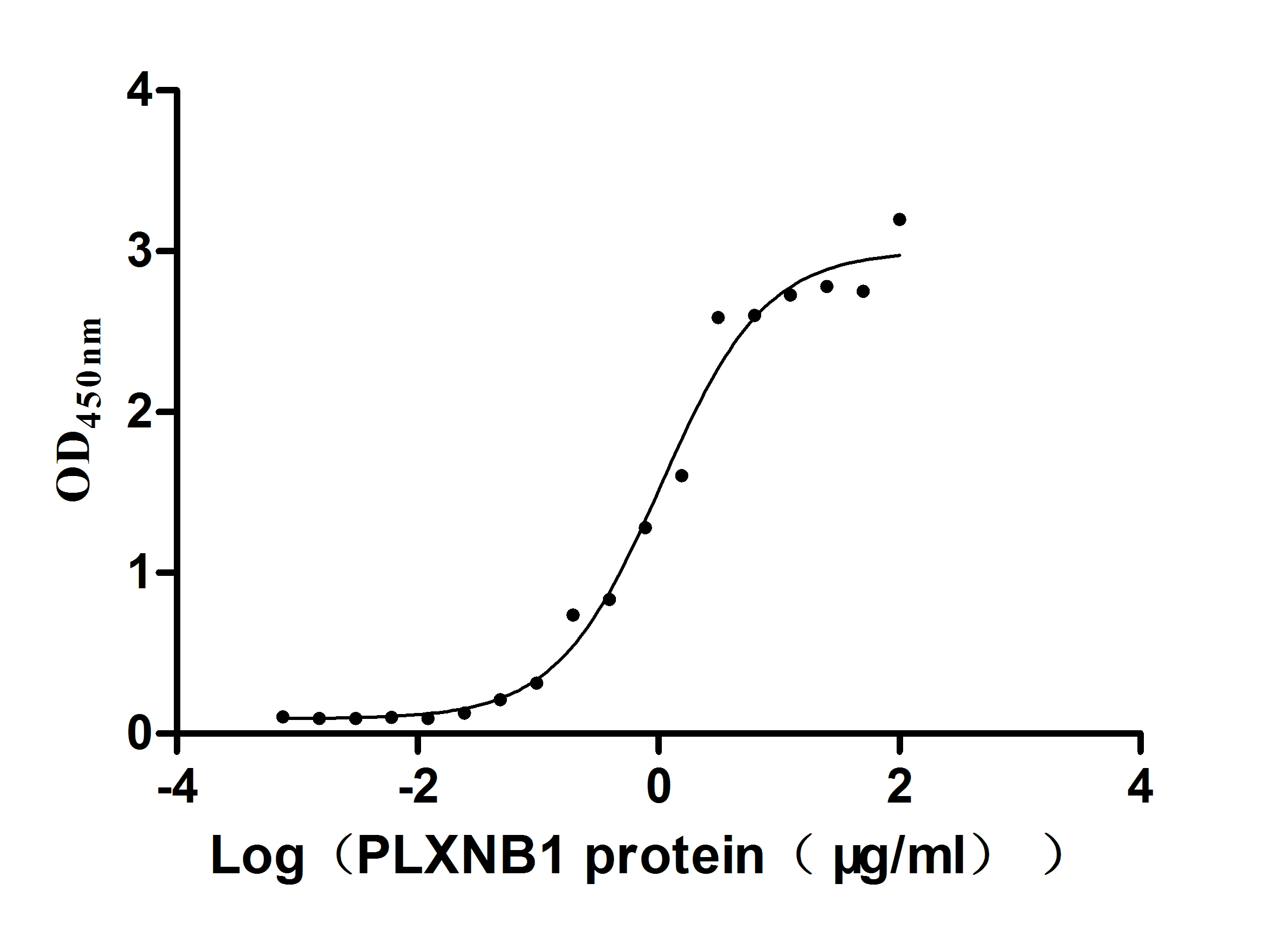
Recombinant Human Plexin-B1 (PLXNB1), partial (Active)
Express system: Mammalian cell
Species: Homo sapiens (Human)
-
-AC1.jpg)
Recombinant Human Microtubule-associated protein tau (MAPT) (Active)
Express system: Mammalian cell
Species: Homo sapiens (Human)
-
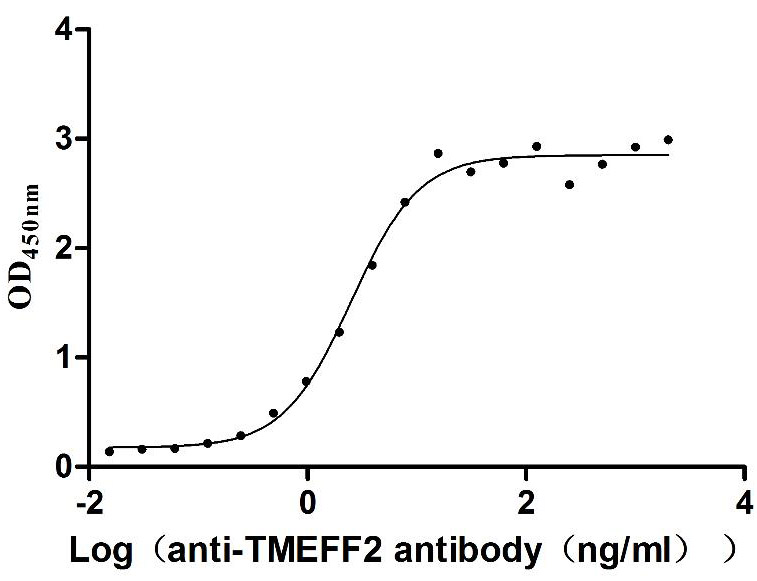
Recombinant Human Tomoregulin-2 (TMEFF2), partial (Active)
Express system: Mammalian cell
Species: Homo sapiens (Human)
-
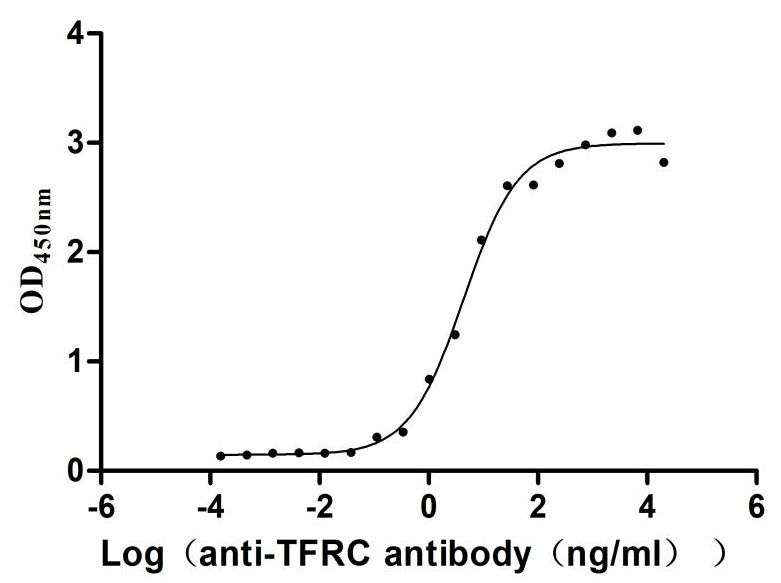
Recombinant Human Transferrin receptor protein 1 (TFRC), partial (Active)
Express system: Mammalian cell
Species: Homo sapiens (Human)
-
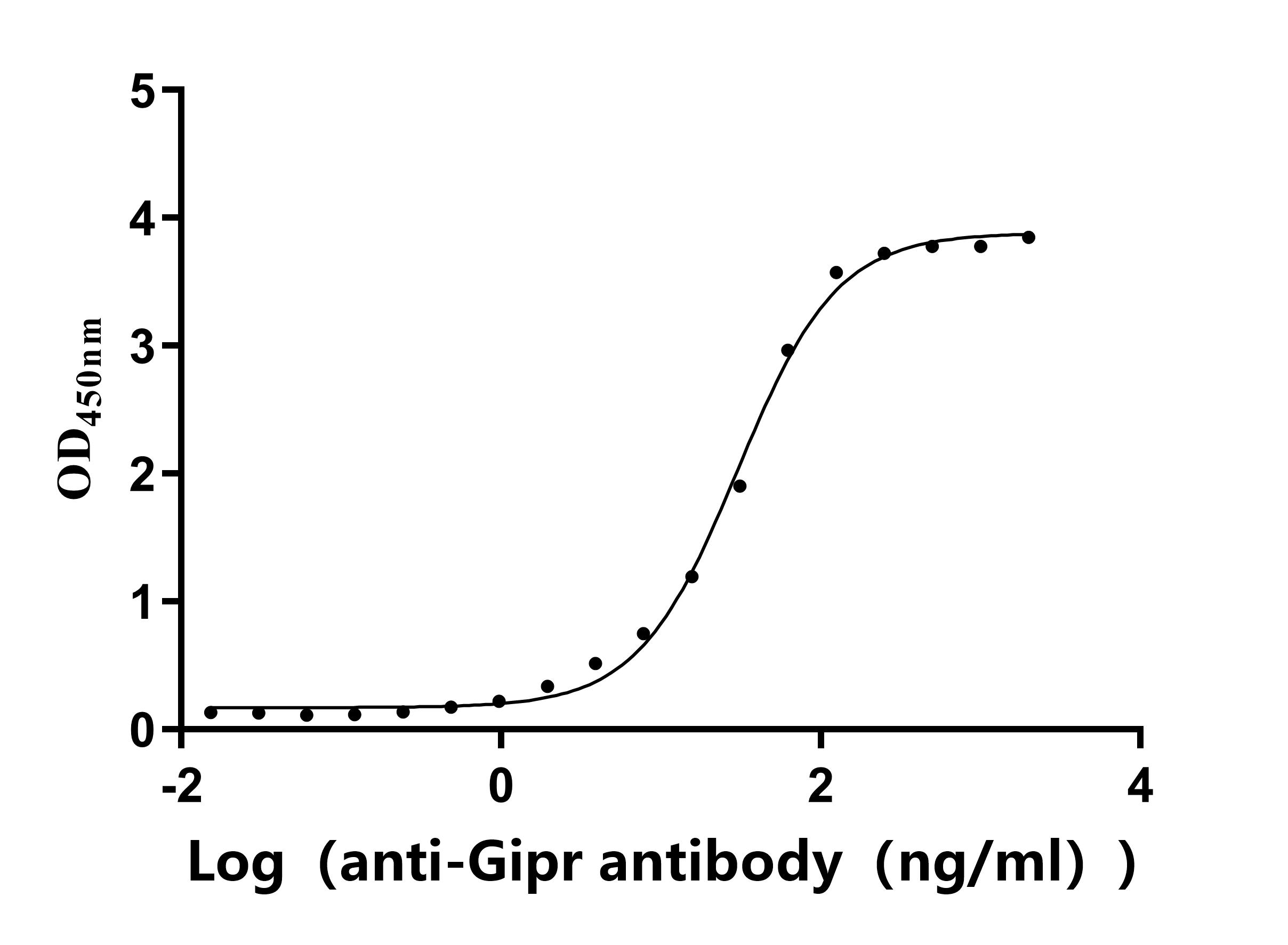
Recombinant Rat Gastric inhibitory polypeptide receptor (Gipr), partial (Active)
Express system: Mammalian cell
Species: Rattus norvegicus (Rat)
-
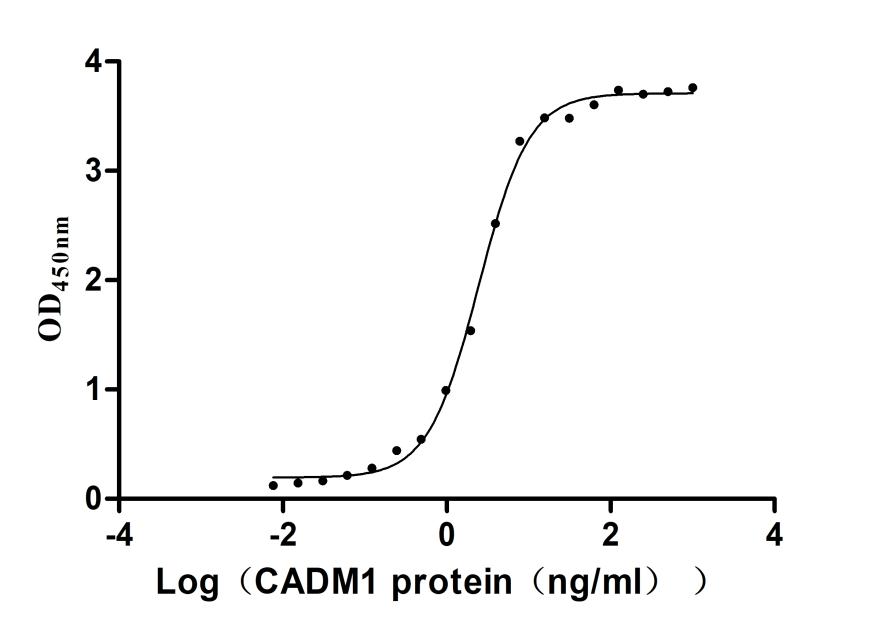
Recombinant Human Cytotoxic and regulatory T-cell molecule (CRTAM), partial (Active)
Express system: Mammalian cell
Species: Homo sapiens (Human)
-
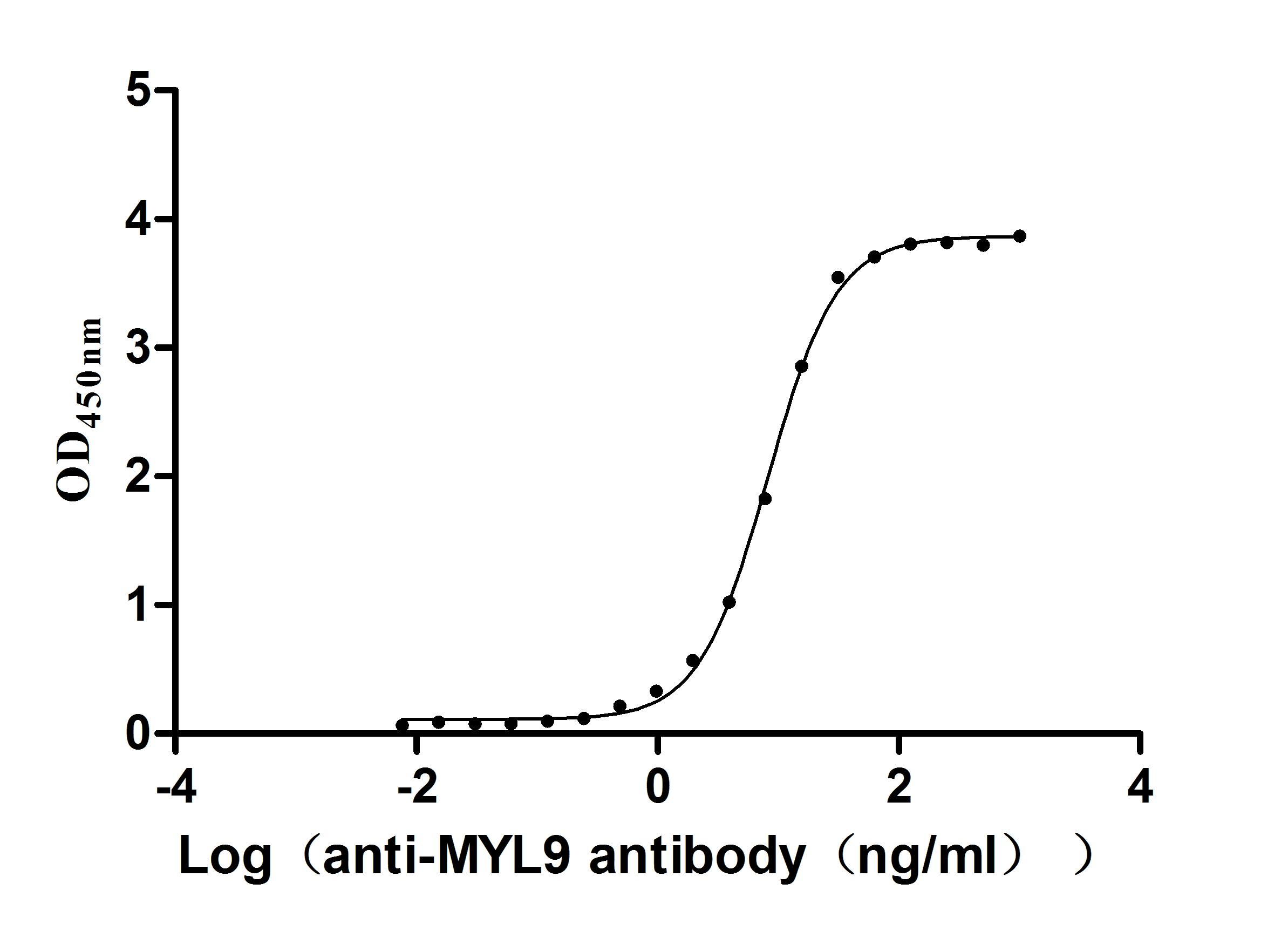
Recombinant Human Myosin regulatory light chain 12B (MYL12B) (Active)
Express system: E.coli
Species: Homo sapiens (Human)
-
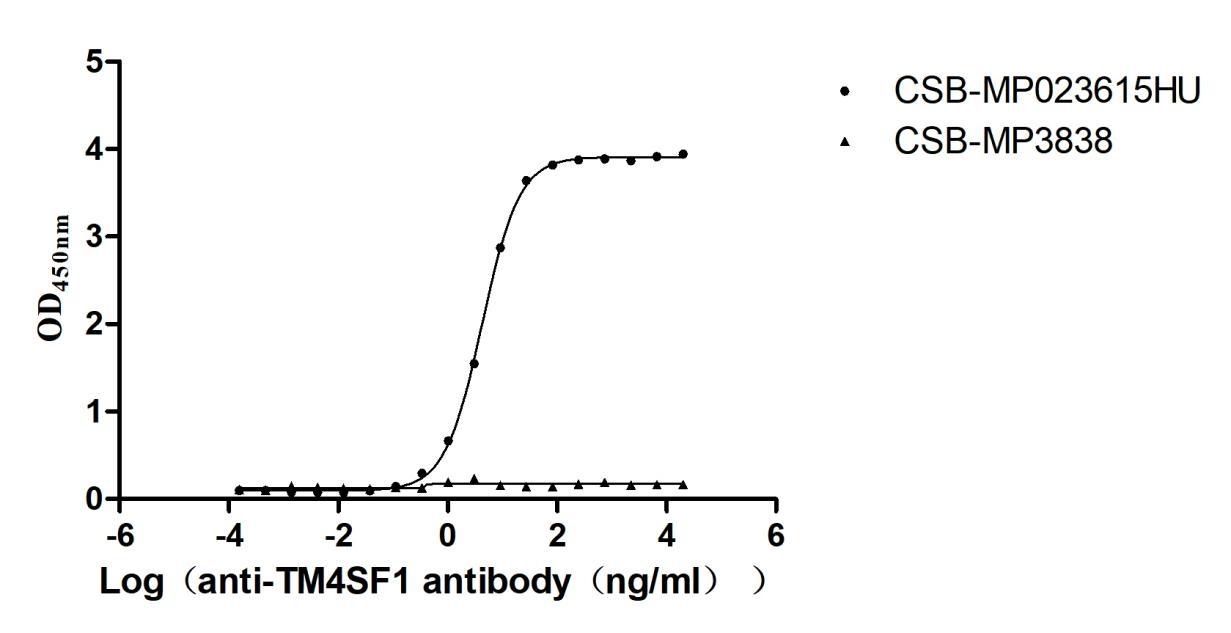
Recombinant Human Transmembrane 4 L6 family member 1(TM4SF1)-VLPs (Active)
Express system: Mammalian cell
Species: Homo sapiens (Human)