Recombinant Mouse Thyroid hormone-inducible hepatic protein (Thrsp)
-
中文名稱:小鼠Thrsp重組蛋白
-
貨號:CSB-YP726789MO
-
規格:
-
來源:Yeast
-
其他:
-
中文名稱:小鼠Thrsp重組蛋白
-
貨號:CSB-EP726789MO-B
-
規格:
-
來源:E.coli
-
共軛:Avi-tag Biotinylated
E. coli biotin ligase (BirA) is highly specific in covalently attaching biotin to the 15 amino acid AviTag peptide. This recombinant protein was biotinylated in vivo by AviTag-BirA technology, which method is BriA catalyzes amide linkage between the biotin and the specific lysine of the AviTag.
-
其他:
-
中文名稱:小鼠Thrsp重組蛋白
-
貨號:CSB-BP726789MO
-
規格:
-
來源:Baculovirus
-
其他:
-
中文名稱:小鼠Thrsp重組蛋白
-
貨號:CSB-MP726789MO
-
規格:
-
來源:Mammalian cell
-
其他:
產品詳情
-
純度:>85% (SDS-PAGE)
-
基因名:Thrsp
-
Uniprot No.:
-
別名:Thrsp; S14; Thyroid hormone-inducible hepatic protein; Spot 14 protein; S14; SPOT14
-
種屬:Mus musculus (Mouse)
-
蛋白長度:full length protein
-
表達區域:1-150
-
氨基酸序列MQVLTKRYPK NCLLTVMDRY SAVVRNMEQV VMIPSLLRDV QLSGPGGSVQ DGAPDLYTYF TMLKSICVEV DHGLLPREEW QAKVAGNETS EAENDAAETE EAEEDRISEE LDLEAQFHLH FCSLHHILTH LTRKAQEVTR KYQEMTGQVL
-
蛋白標簽:Tag?type?will?be?determined?during?the?manufacturing?process.
The tag type will be determined during production process. If you have specified tag type, please tell us and we will develop the specified tag preferentially. -
產品提供形式:Lyophilized powder
Note: We will preferentially ship the format that we have in stock, however, if you have any special requirement for the format, please remark your requirement when placing the order, we will prepare according to your demand. -
復溶:We recommend that this vial be briefly centrifuged prior to opening to bring the contents to the bottom. Please reconstitute protein in deionized sterile water to a concentration of 0.1-1.0 mg/mL.We recommend to add 5-50% of glycerol (final concentration) and aliquot for long-term storage at -20℃/-80℃. Our default final concentration of glycerol is 50%. Customers could use it as reference.
-
儲存條件:Store at -20°C/-80°C upon receipt, aliquoting is necessary for mutiple use. Avoid repeated freeze-thaw cycles.
-
保質期:The shelf life is related to many factors, storage state, buffer ingredients, storage temperature and the stability of the protein itself.
Generally, the shelf life of liquid form is 6 months at -20°C/-80°C. The shelf life of lyophilized form is 12 months at -20°C/-80°C. -
貨期:Delivery time may differ from different purchasing way or location, please kindly consult your local distributors for specific delivery time.Note: All of our proteins are default shipped with normal blue ice packs, if you request to ship with dry ice, please communicate with us in advance and extra fees will be charged.
-
注意事項:Repeated freezing and thawing is not recommended. Store working aliquots at 4°C for up to one week.
-
Datasheet :Please contact us to get it.
產品評價

相關產品
靶點詳情
-
功能:Plays a role in the regulation of lipogenesis, especially in lactating mammary gland. Important for the biosynthesis of triglycerides with medium-length fatty acid chains. May modulate lipogenesis by interacting with MID1IP1 and preventing its interaction with ACACA. May function as transcriptional coactivator. May modulate the transcription factor activity of THRB.
-
基因功能參考文獻:
- These findings implicate Spot14 as a direct protein enhancer of FASN catalysis in the mammary gland during lactation when maximal MCFA production is needed. PMID: 24771867
- S14 has a potential role in regulating mammary tumor growth and fatty acid synthesis in vivo. Modulating the amount of medium chain fatty acids, by changing the levels of S14, has the potential to impact malignant mammary tumor phenotypes. PMID: 25472762
- Data indicate SPOT14 as a potent marker for adult NSPCs that react dynamically to positive and negative neurogenic regulators. PMID: 25418721
- The structure of S14 suggests a mechanism whereby heterodimer formation with MIG12 attenuates the ability of MIG12 to activate ACC. PMID: 20952656
- Spot 14 protein, absent in the lactating mammary gland, is required for maximum efficiency of de novo lipid synthesis in vivo PMID: 15890771
- the daily rhythm of Spot14 expression in the liver is under the control of the light-entrainable oscillator, food-entrainable oscillator, and food-derived nutrients, in a separate or cooperative manner PMID: 17660449
- the S14-R protein is a compensatory factor, at least partially responsible for the normal liver lipogenesis observed in the S14 null mouse PMID: 18556348
顯示更多
收起更多
-
亞細胞定位:Nucleus. Cytoplasm.
-
蛋白家族:SPOT14 family
-
組織特異性:Mainly expressed in tissues that synthesize triglycerides.
-
數據庫鏈接:
Most popular with customers
-

Recombinant Human Myeloid cell surface antigen CD33 (CD33), partial (Active)
Express system: Mammalian cell
Species: Homo sapiens (Human)
-
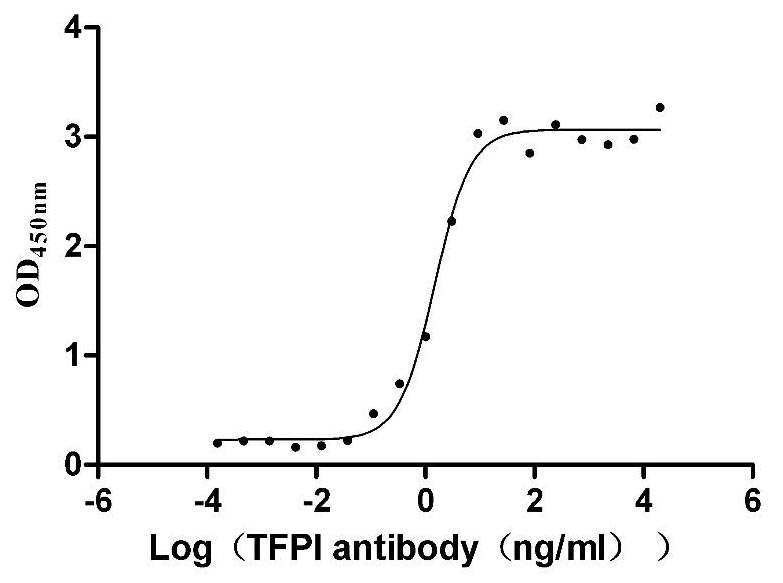
Recombinant Human Tissue factor pathway inhibitor (TFPI), partial (Active)
Express system: Mammalian cell
Species: Homo sapiens (Human)
-
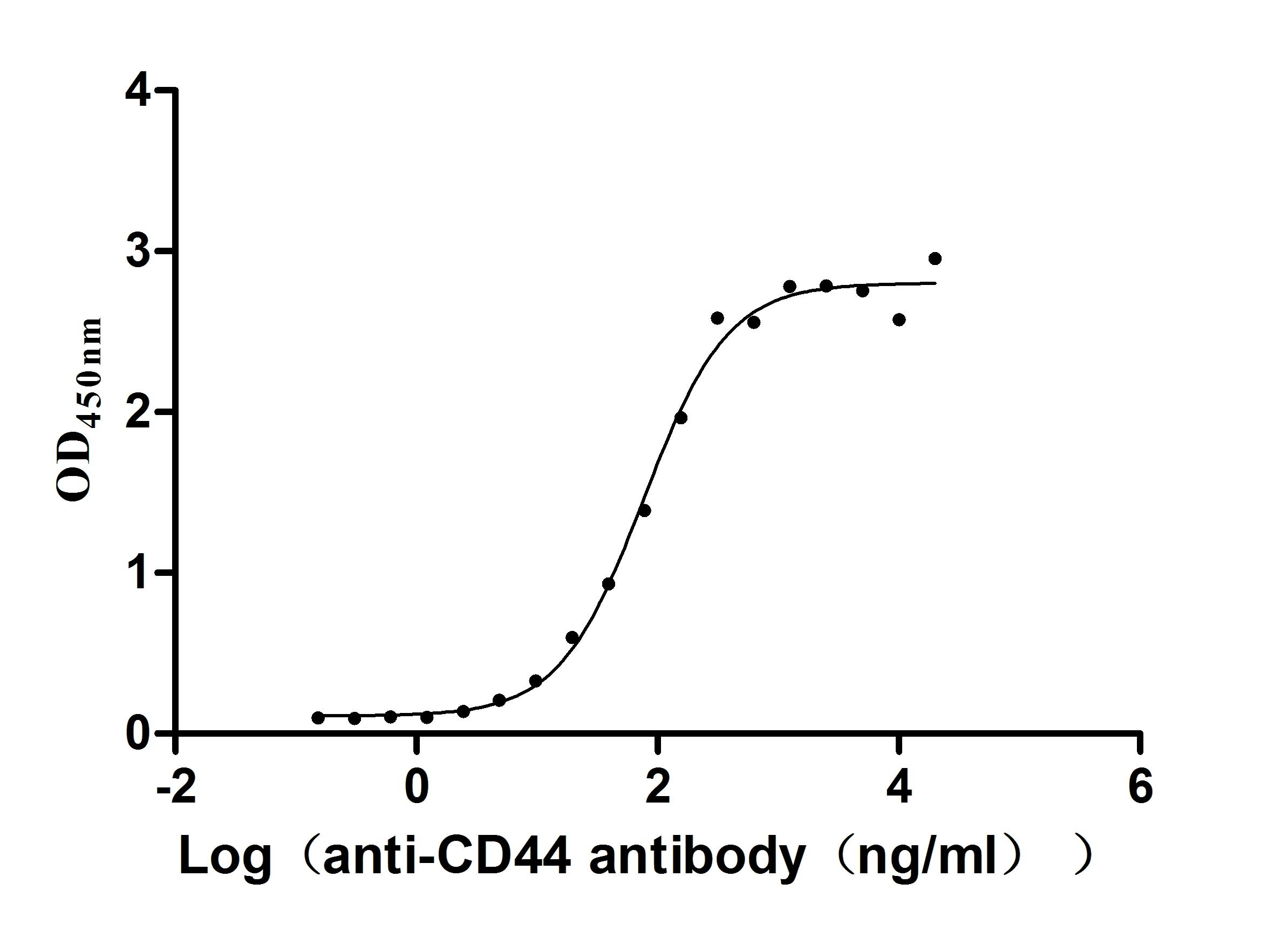
Recombinant Macaca fascicularis CD44 antigen (CD44), partial (Active)
Express system: Mammalian cell
Species: Macaca fascicularis (Crab-eating macaque) (Cynomolgus monkey)
-
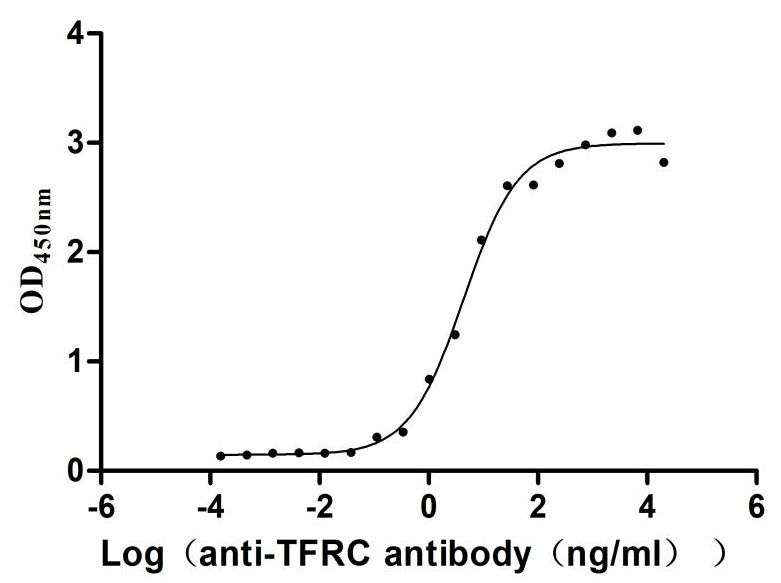
Recombinant Human Transferrin receptor protein 1 (TFRC), partial (Active)
Express system: Mammalian cell
Species: Homo sapiens (Human)
-
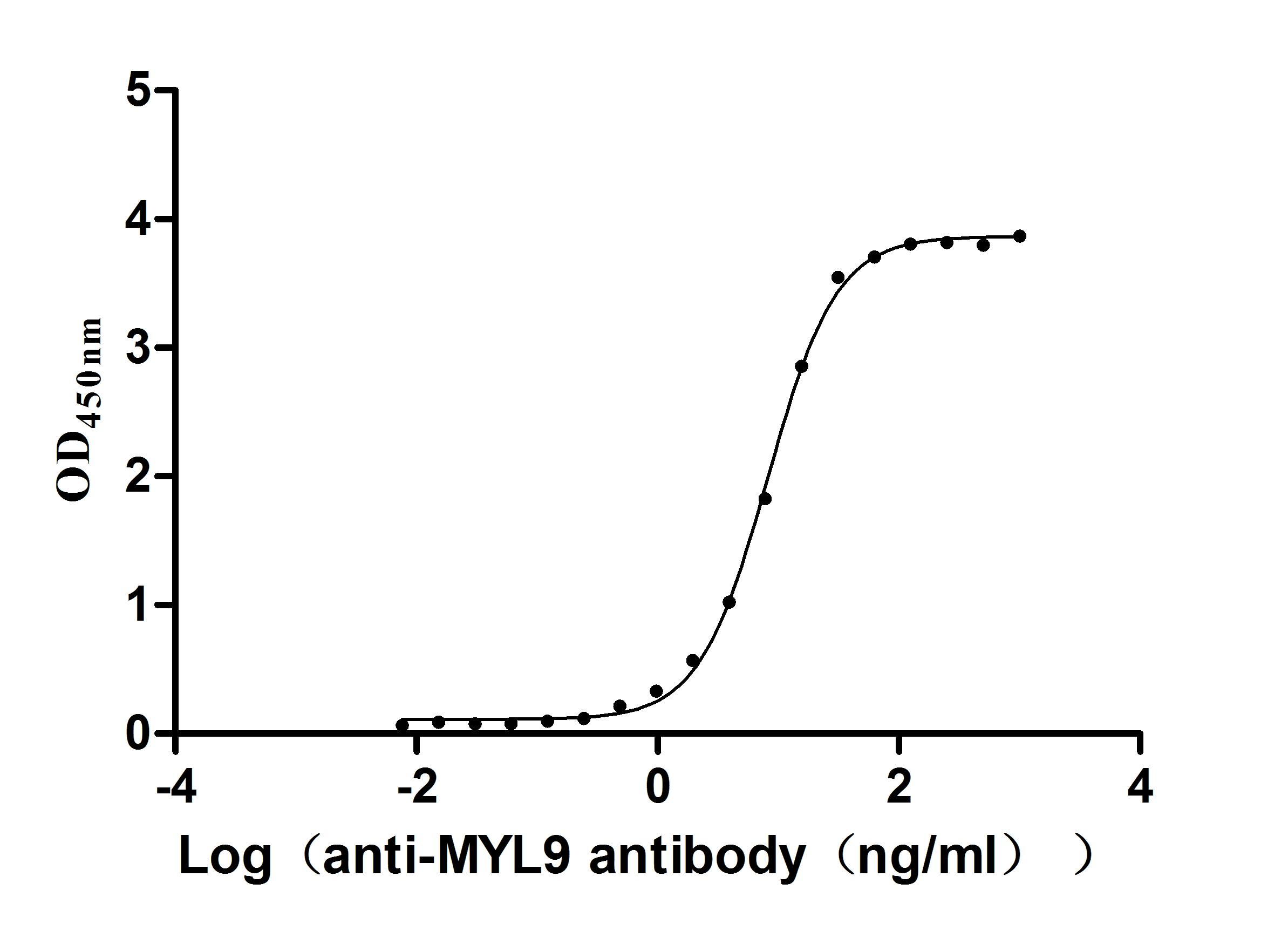
Recombinant Human Myosin regulatory light chain 12B (MYL12B) (Active)
Express system: E.coli
Species: Homo sapiens (Human)
-
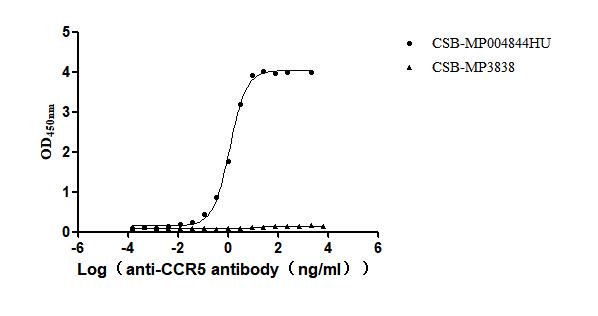
Recombinant Human C-C chemokine receptor type 5 (CCR5)-VLPs (Active)
Express system: Mammalian cell
Species: Homo sapiens (Human)