
Recombinant Mouse Speckle-type POZ protein (Spop)
-
中文名稱:小鼠Spop重組蛋白
-
貨號:CSB-YP022601MO
-
規格:
-
來源:Yeast
-
其他:
-
中文名稱:小鼠Spop重組蛋白
-
貨號:CSB-EP022601MO
-
規格:
-
來源:E.coli
-
其他:
-
中文名稱:小鼠Spop重組蛋白
-
貨號:CSB-EP022601MO-B
-
規格:
-
來源:E.coli
-
共軛:Avi-tag Biotinylated
E. coli biotin ligase (BirA) is highly specific in covalently attaching biotin to the 15 amino acid AviTag peptide. This recombinant protein was biotinylated in vivo by AviTag-BirA technology, which method is BriA catalyzes amide linkage between the biotin and the specific lysine of the AviTag.
-
其他:
-
中文名稱:小鼠Spop重組蛋白
-
貨號:CSB-BP022601MO
-
規格:
-
來源:Baculovirus
-
其他:
-
中文名稱:小鼠Spop重組蛋白
-
貨號:CSB-MP022601MO
-
規格:
-
來源:Mammalian cell
-
其他:
產品詳情
-
純度:>85% (SDS-PAGE)
-
基因名:
-
Uniprot No.:
-
別名:Spop; Pcif1; Speckle-type POZ protein; HIB homolog 1; PDX-1 C-terminal-interacting factor 1
-
種屬:Mus musculus (Mouse)
-
蛋白長度:full length protein
-
表達區域:1-374
-
氨基酸序列MSRVPSPPPP AEMSSGPVAE SWCYTQIKVV KFSYMWTINN FSFCREEMGE VIKSSTFSSG ANDKLKWCLR VNPKGLDEES KDYLSLYLLL VSCPKSEVRA KFKFSILNAK GEETKAMESQ RAYRFVQGKD WGFKKFIRRD FLLDEANGLL PDDKLTLFCE VSVVQDSVNI SGQNTMNMVK VPECRLADEL GGLWENSRFT DCCLCVAGQE FQAHKAILAA RSPVFSAMFE HEMEESKKNR VEINDVEPEV FKEMMCFIYT GKAPNLDKMA DDLLAAADKY ALERLKVMCE DALCSNLSVE NAAEILILAD LHSADQLKTQ AVDFINYHAS DVLETSGWKS MVVSHPHLVA EAYRSLASAQ CPFLGPPRKR LKQS
-
蛋白標簽:Tag?type?will?be?determined?during?the?manufacturing?process.
The tag type will be determined during production process. If you have specified tag type, please tell us and we will develop the specified tag preferentially. -
產品提供形式:Lyophilized powder
Note: We will preferentially ship the format that we have in stock, however, if you have any special requirement for the format, please remark your requirement when placing the order, we will prepare according to your demand. -
復溶:We recommend that this vial be briefly centrifuged prior to opening to bring the contents to the bottom. Please reconstitute protein in deionized sterile water to a concentration of 0.1-1.0 mg/mL.We recommend to add 5-50% of glycerol (final concentration) and aliquot for long-term storage at -20℃/-80℃. Our default final concentration of glycerol is 50%. Customers could use it as reference.
-
儲存條件:Store at -20°C/-80°C upon receipt, aliquoting is necessary for mutiple use. Avoid repeated freeze-thaw cycles.
-
保質期:The shelf life is related to many factors, storage state, buffer ingredients, storage temperature and the stability of the protein itself.
Generally, the shelf life of liquid form is 6 months at -20°C/-80°C. The shelf life of lyophilized form is 12 months at -20°C/-80°C. -
貨期:Delivery time may differ from different purchasing way or location, please kindly consult your local distributors for specific delivery time.Note: All of our proteins are default shipped with normal blue ice packs, if you request to ship with dry ice, please communicate with us in advance and extra fees will be charged.
-
注意事項:Repeated freezing and thawing is not recommended. Store working aliquots at 4°C for up to one week.
-
Datasheet :Please contact us to get it.
產品評價

靶點詳情
-
功能:Component of a cullin-RING-based BCR (BTB-CUL3-RBX1) E3 ubiquitin-protein ligase complex that mediates the ubiquitination of target proteins, leading most often to their proteasomal degradation. The cullin-RING-based BCR (BTB-CUL3-RBX1) E3 ubiquitin-protein ligase complex containing homodimeric SPOP has higher ubiquitin ligase activity than the complex that contains the heterodimer formed by SPOP and SPOPL. In complex with CUL3, involved in ubiquitination and proteasomal degradation of BRMS1, DAXX, PDX1/IPF1, GLI2 and GLI3. In complex with CUL3, involved in ubiquitination of MACROH2A1 and BMI1; this does not lead to their proteasomal degradation. Inhibits transcriptional activation of PDX1/IPF1 targets, such as insulin, by promoting PDX1/IPF1 degradation. Involved in the regulation of bromodomain and extra-terminal motif (BET) proteins BRD2, BRD3, BRD4 stability.
-
基因功能參考文獻:
- loss of Spop, but not Spopl, disrupts chondrocyte hypertrophy and osteoblast differentiation in the mouse, suggesting the requirement for Spop-mediated protein degradation in mouse skeletal development; overexpressed Spop targets both Gli3FL and Gli3R for ubiquitination and degradation and Spop is an important positive regulator of Ihh signaling and skeletal development PMID: 27930311
- Results demonstrate a negative role of Spop in the level and activity of Gli3, Shh signaling and ventral spinal cord patterning. PMID: 28412462
- Speckle-type pox virus and zinc finger (POZ) protein (SPOP) regulates endometrial stromal cell decidualization in mice and that hormones regulate the expression of SPOP. This study suggests that ubiquitination may be involved in embryonic implantation. PMID: 27170662
- These results implicate SPOP as a novel participant in DNA double strand break repair and suggest that SPOP mutation drives prostate tumorigenesis in part through genomic instability. PMID: 26374986
- miR-145 has a role in post-transcriptional regulation of SPOP expression in selected tissues. PMID: 24845504
- similar S/T-rich motifs are present in Gli proteins as well as in numerous HIB-interacting proteins and mediate Gli degradation by SPOP PMID: 19955409
- MacroH2A1.2 binds the nuclear protein Spop. PMID: 12183056
- Interaction of endogenous PDX-1 and PCIF1 in MIN6 insulinoma cells, is demonstarted. PMID: 17126328
顯示更多
收起更多
-
亞細胞定位:Nucleus. Nucleus speckle.
-
蛋白家族:Tdpoz family
-
組織特異性:Widely expressed, mainly in pancreas and in particular in adult pancreatic insulin-producing beta cells and in a subset of exocrine acinar and duct cells.
-
數據庫鏈接:
Most popular with customers
-
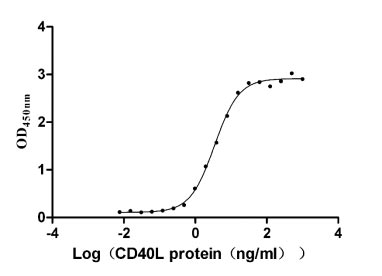
Recombinant Human Tumor necrosis factor receptor superfamily member 5 (CD40), partial (Active)
Express system: Mammalian cell
Species: Homo sapiens (Human)
-
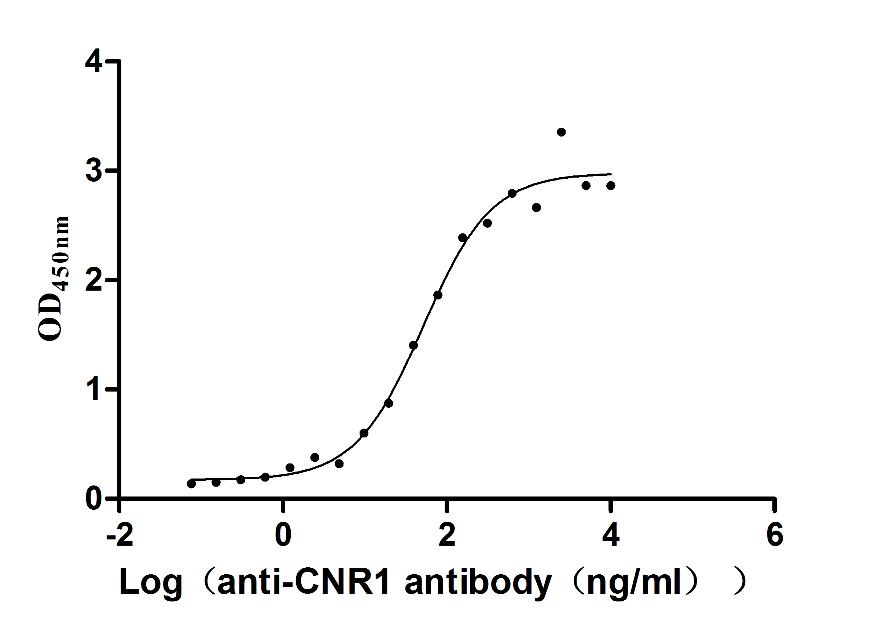
Recombinant Human Cannabinoid receptor 1 (CNR1)-VLPs (Active)
Express system: Mammalian cell
Species: Homo sapiens (Human)
-
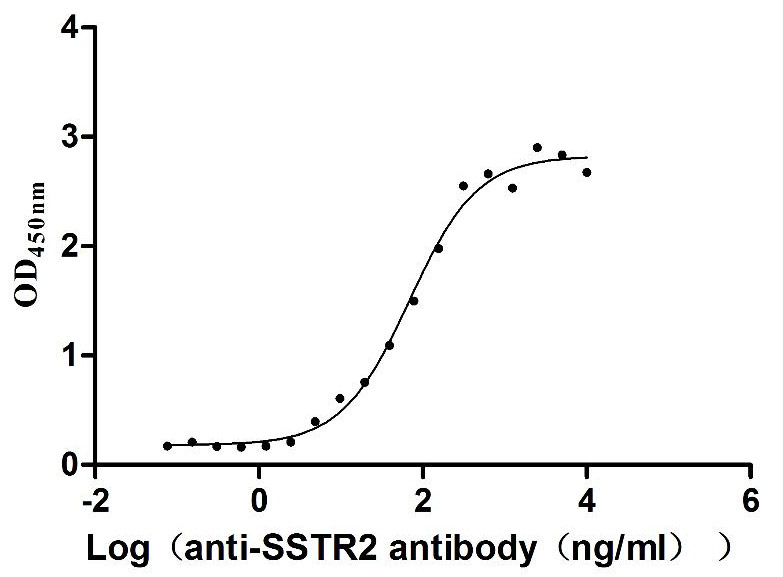
Recombinant Human Somatostatin receptor type 2 (SSTR2)-VLPs (Active)
Express system: Mammalian cell
Species: Homo sapiens (Human)
-
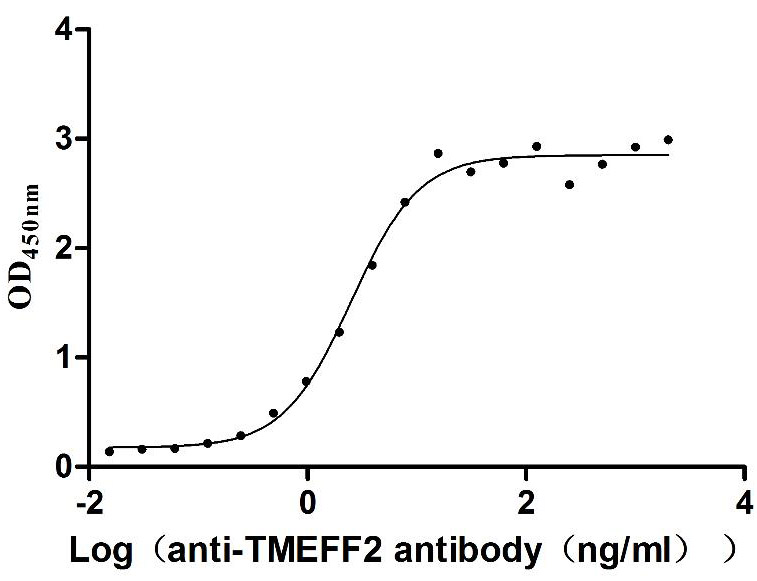
Recombinant Human Tomoregulin-2 (TMEFF2), partial (Active)
Express system: Mammalian cell
Species: Homo sapiens (Human)
-
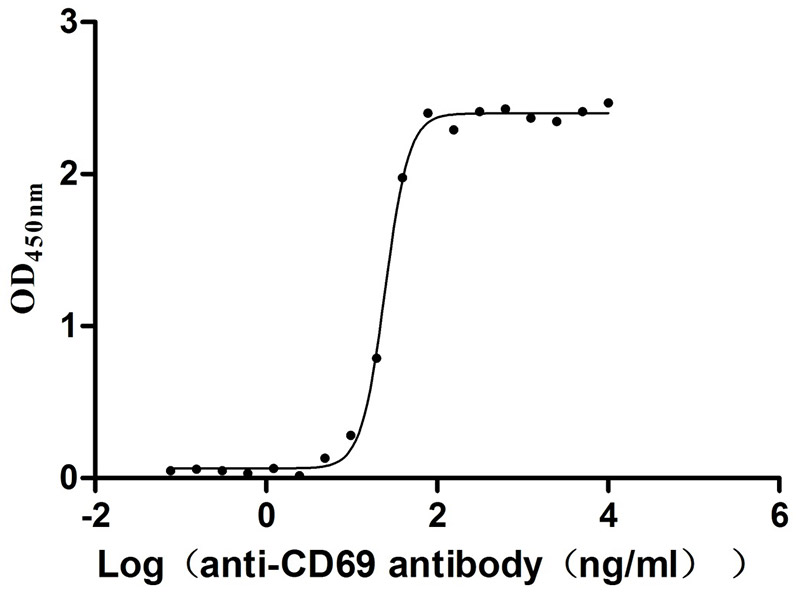
Recombinant Human Early activation antigen CD69 (CD69), partial (Active)
Express system: Mammalian cell
Species: Homo sapiens (Human)
-
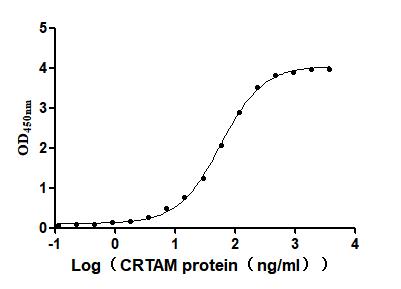
Recombinant Mouse Cytotoxic and regulatory T-cell molecule (Crtam), partial (Active)
Express system: Mammalian cell
Species: Mus musculus (Mouse)
-
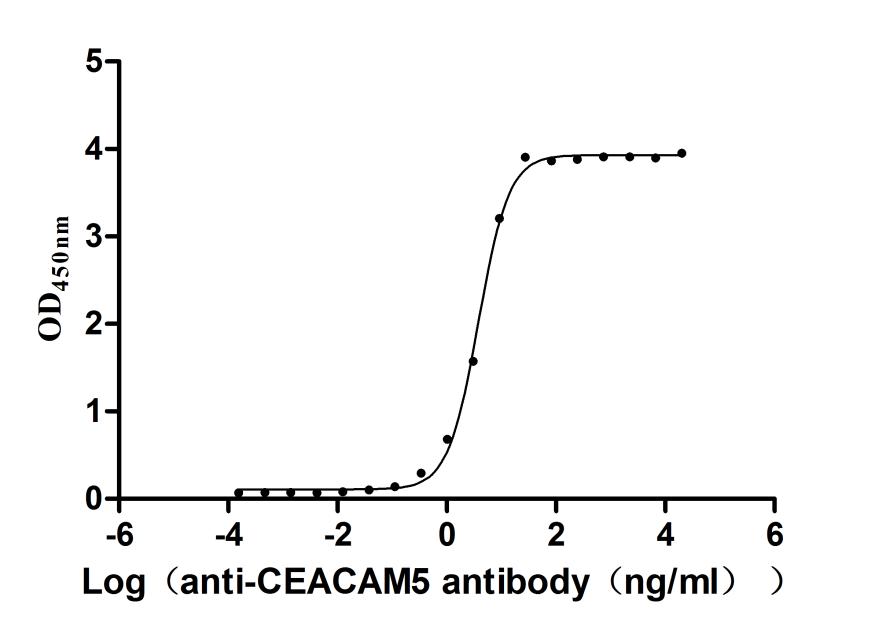
Express system: Mammalian cell
Species: Macaca mulatta (Rhesus macaque)