Recombinant Mouse SRSF protein kinase 1 (Srpk1)
-
中文名稱:小鼠Srpk1重組蛋白
-
貨號:CSB-YP022682MO
-
規格:
-
來源:Yeast
-
其他:
-
中文名稱:小鼠Srpk1重組蛋白
-
貨號:CSB-EP022682MO
-
規格:
-
來源:E.coli
-
其他:
-
中文名稱:小鼠Srpk1重組蛋白
-
貨號:CSB-EP022682MO-B
-
規格:
-
來源:E.coli
-
共軛:Avi-tag Biotinylated
E. coli biotin ligase (BirA) is highly specific in covalently attaching biotin to the 15 amino acid AviTag peptide. This recombinant protein was biotinylated in vivo by AviTag-BirA technology, which method is BriA catalyzes amide linkage between the biotin and the specific lysine of the AviTag.
-
其他:
-
中文名稱:小鼠Srpk1重組蛋白
-
貨號:CSB-BP022682MO
-
規格:
-
來源:Baculovirus
-
其他:
-
中文名稱:小鼠Srpk1重組蛋白
-
貨號:CSB-MP022682MO
-
規格:
-
來源:Mammalian cell
-
其他:
產品詳情
-
純度:>85% (SDS-PAGE)
-
基因名:Srpk1
-
Uniprot No.:
-
別名:Srpk1SRSF protein kinase 1; EC 2.7.11.1; SFRS protein kinase 1; Serine/arginine-rich protein-specific kinase 1; SR-protein-specific kinase 1
-
種屬:Mus musculus (Mouse)
-
蛋白長度:Full length protein
-
表達區域:1-648
-
氨基酸序列MERKVLALQA RKKRTKAKKD KAQRKPETQH RGSAPHSESD IPEQEEEILG SDDDEQEDPN DYCKGGYHLV KIGDLFNGRY HVIRKLGWGH FSTVWLSWDI QGKKFVAMKV VKSAEHYTET ALDEIRLLKS VRNSDPNDPN GEMVVQLLDD FKISGVNGTH ICMVFEVLGH HLLKWIIKSN YQGLPLPCVK KIIQQVLQGL DYLHTKCRII HTDIKPENIL LSVNEQYIRR LAAEATEWQR SGAPPPSGSA VSTAPQPKPA DKMSKNKKKK LKKKQKRQAE LLEKRMQEIE EMEKESGPGQ KRPNKQEESE SPVDRPLTEN PPNKMTQEKL EESNSIGQDQ TLTERGGEGG APEINCNGVI GVVNYPENSN NETLRHKEDL HNANDCDVHT LKQEPSFLNS SNGDSSPSQD TDSCTPTASE TMVCQSSAEQ SLTRQDITQL EESIRADTPS GDEQEPNGAL DSKGKFSAGN FLINPLEPKN AEKLQVKIAD LGNACWVHKH FTEDIQTRQY RSLEVLIGSG YNTPADIWST ACMAFELATG DYLFEPHSGE DYTRDEDHIA LIIELLGKVP RKLIVAGKYS KEFFTKKGDL KHITKLKPWG LLEVLVEKYE WPQEEAAGFT DFLLPMLELM PEKRATAAEC LRHPWLNS
-
蛋白標簽:Tag?type?will?be?determined?during?the?manufacturing?process.
The tag type will be determined during production process. If you have specified tag type, please tell us and we will develop the specified tag preferentially. -
產品提供形式:Lyophilized powder
Note: We will preferentially ship the format that we have in stock, however, if you have any special requirement for the format, please remark your requirement when placing the order, we will prepare according to your demand. -
復溶:We recommend that this vial be briefly centrifuged prior to opening to bring the contents to the bottom. Please reconstitute protein in deionized sterile water to a concentration of 0.1-1.0 mg/mL.We recommend to add 5-50% of glycerol (final concentration) and aliquot for long-term storage at -20℃/-80℃. Our default final concentration of glycerol is 50%. Customers could use it as reference.
-
儲存條件:Store at -20°C/-80°C upon receipt, aliquoting is necessary for mutiple use. Avoid repeated freeze-thaw cycles.
-
保質期:The shelf life is related to many factors, storage state, buffer ingredients, storage temperature and the stability of the protein itself.
Generally, the shelf life of liquid form is 6 months at -20°C/-80°C. The shelf life of lyophilized form is 12 months at -20°C/-80°C. -
貨期:Delivery time may differ from different purchasing way or location, please kindly consult your local distributors for specific delivery time.Note: All of our proteins are default shipped with normal blue ice packs, if you request to ship with dry ice, please communicate with us in advance and extra fees will be charged.
-
注意事項:Repeated freezing and thawing is not recommended. Store working aliquots at 4°C for up to one week.
-
Datasheet :Please contact us to get it.
產品評價

靶點詳情
-
功能:Serine/arginine-rich protein-specific kinase which specifically phosphorylates its substrates at serine residues located in regions rich in arginine/serine dipeptides, known as RS domains and is involved in the phosphorylation of SR splicing factors and the regulation of splicing. Plays a central role in the regulatory network for splicing, controlling the intranuclear distribution of splicing factors in interphase cells and the reorganization of nuclear speckles during mitosis. Can influence additional steps of mRNA maturation, as well as other cellular activities, such as chromatin reorganization in somatic and sperm cells and cell cycle progression. Phosphorylates SFRS2, ZRSR2, LBR and PRM1. Phosphorylates SRSF1 using a directional (C-terminal to N-terminal) and a dual-track mechanism incorporating both processive phosphorylation (in which the kinase stays attached to the substrate after each round of phosphorylation) and distributive phosphorylation steps (in which the kinase and substrate dissociate after each phosphorylation event). The RS domain of SRSF1 binds first to a docking groove in the large lobe of the kinase domain of SRPK1. This induces certain structural changes in SRPK1 and/or RRM2 domain of SRSF1, allowing RRM2 to bind the kinase and initiate phosphorylation. The cycles continue for several phosphorylation steps in a processive manner (steps 1-8) until the last few phosphorylation steps (approximately steps 9-12). During that time, a mechanical stress induces the unfolding of the beta-4 motif in RRM2, which then docks at the docking groove of SRPK1. This also signals RRM2 to begin to dissociate, which facilitates SRSF1 dissociation after phosphorylation is completed. Can mediate hepatitis B virus (HBV) core protein phosphorylation. It plays a negative role in the regulation of HBV replication through a mechanism not involving the phosphorylation of the core protein but by reducing the packaging efficiency of the pregenomic RNA (pgRNA) without affecting the formation of the viral core particles. Can induce splicing of exon 10 in MAPT/TAU.
-
基因功能參考文獻:
- Depletion of endogenous SRPK1 enhanced the development of C3H10T1/2 cells toward brown adipocytes. PMID: 29474929
- In 2 independent murine models of breast tumor metastasis, stable shRNA-based SRPK1 knockdown suppressed metastasis to distant organs, including lung, liver, and spleen, and inhibited focal adhesion reorganization. PMID: 25774502
- SRPK1 overexpression is also tumorigenic because excess SRPK1 squelches PHLPP1. PMID: 24703948
- SRPK1 expression might be an important prognostic indicator for the chemoresponsiveness of nonseminomatous male germ cell tumors. PMID: 15256051
-
亞細胞定位:Cytoplasm. Nucleus, nucleoplasm. Nucleus matrix. Microsome. Nucleus speckle. Chromosome.
-
蛋白家族:Protein kinase superfamily, CMGC Ser/Thr protein kinase family
-
組織特異性:Predominantly expressed in the testis but is also present at lower levels in heart, spleen, liver, brain, kidney, lung and skeletal muscle. Present in all germinal cells in the seminiferous tubules but not in mature spermatozoa.
-
數據庫鏈接:
Most popular with customers
-
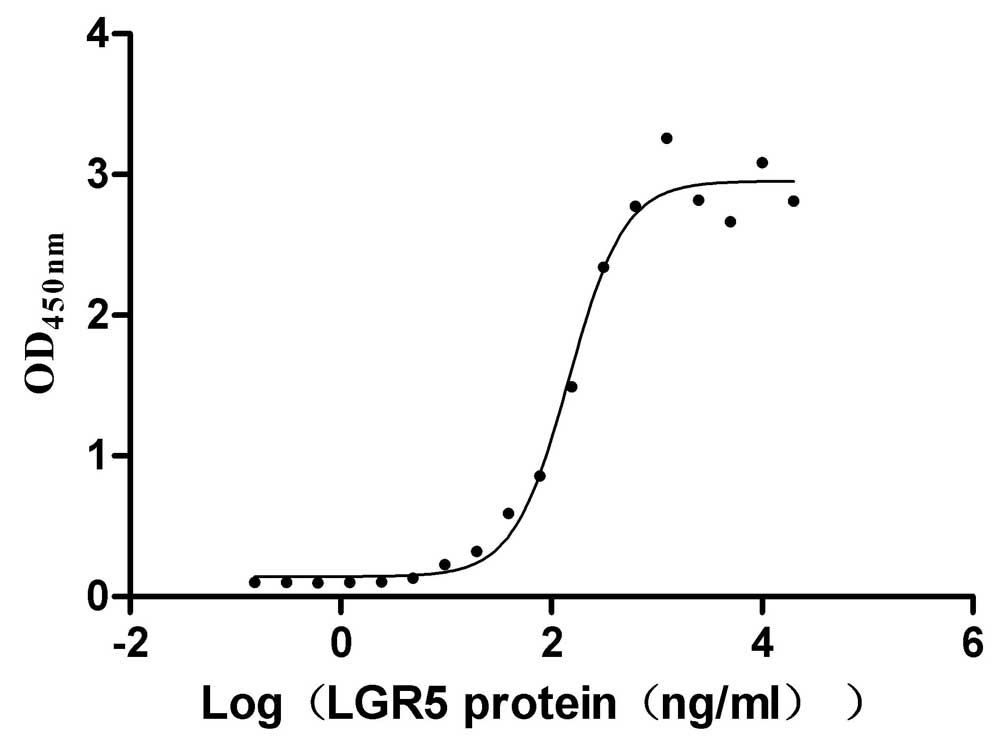
Recombinant Human R-spondin-1 (RSPO1), partial (Active)
Express system: Mammalian cell
Species: Homo sapiens (Human)
-
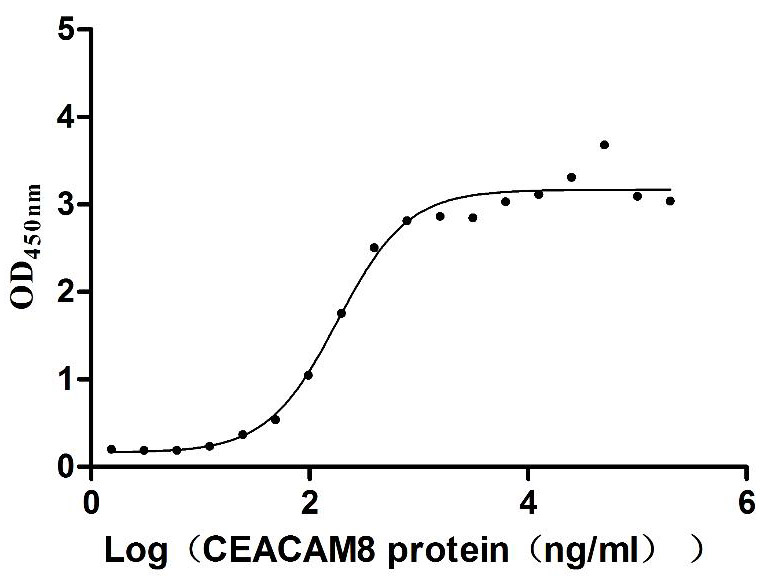
Recombinant Human Carcinoembryonic antigen-related cell adhesion molecule 6 (CEACAM6) (Active)
Express system: Mammalian cell
Species: Homo sapiens (Human)
-
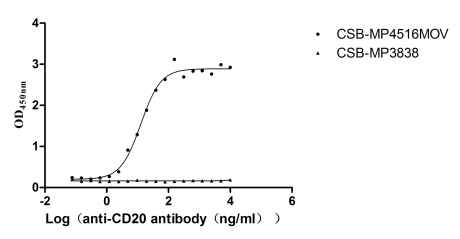
Recombinant Macaca fascicularis Membrane spanning 4-domains A1 (MS4A1)-VLPs (Active)
Express system: Mammalian cell
Species: Macaca fascicularis (Crab-eating macaque) (Cynomolgus monkey)
-
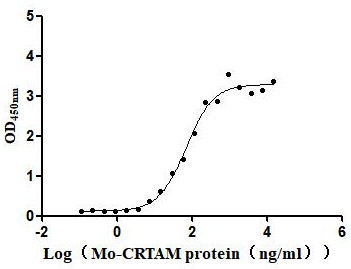
Recombinant Mouse Cell adhesion molecule 1 (Cadm1), partial (Active)
Express system: Mammalian cell
Species: Mus musculus (Mouse)
-
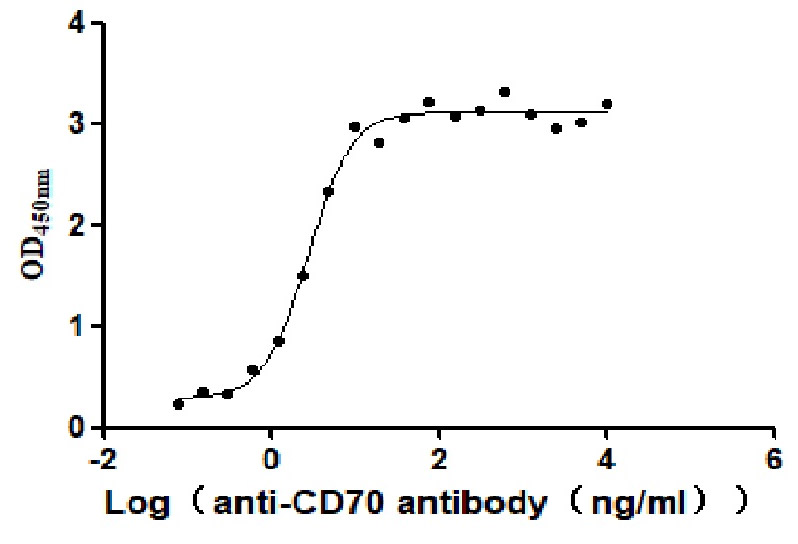
Recombinant Human CD70 antigen (CD70), partial (Active)
Express system: Mammalian cell
Species: Homo sapiens (Human)
-
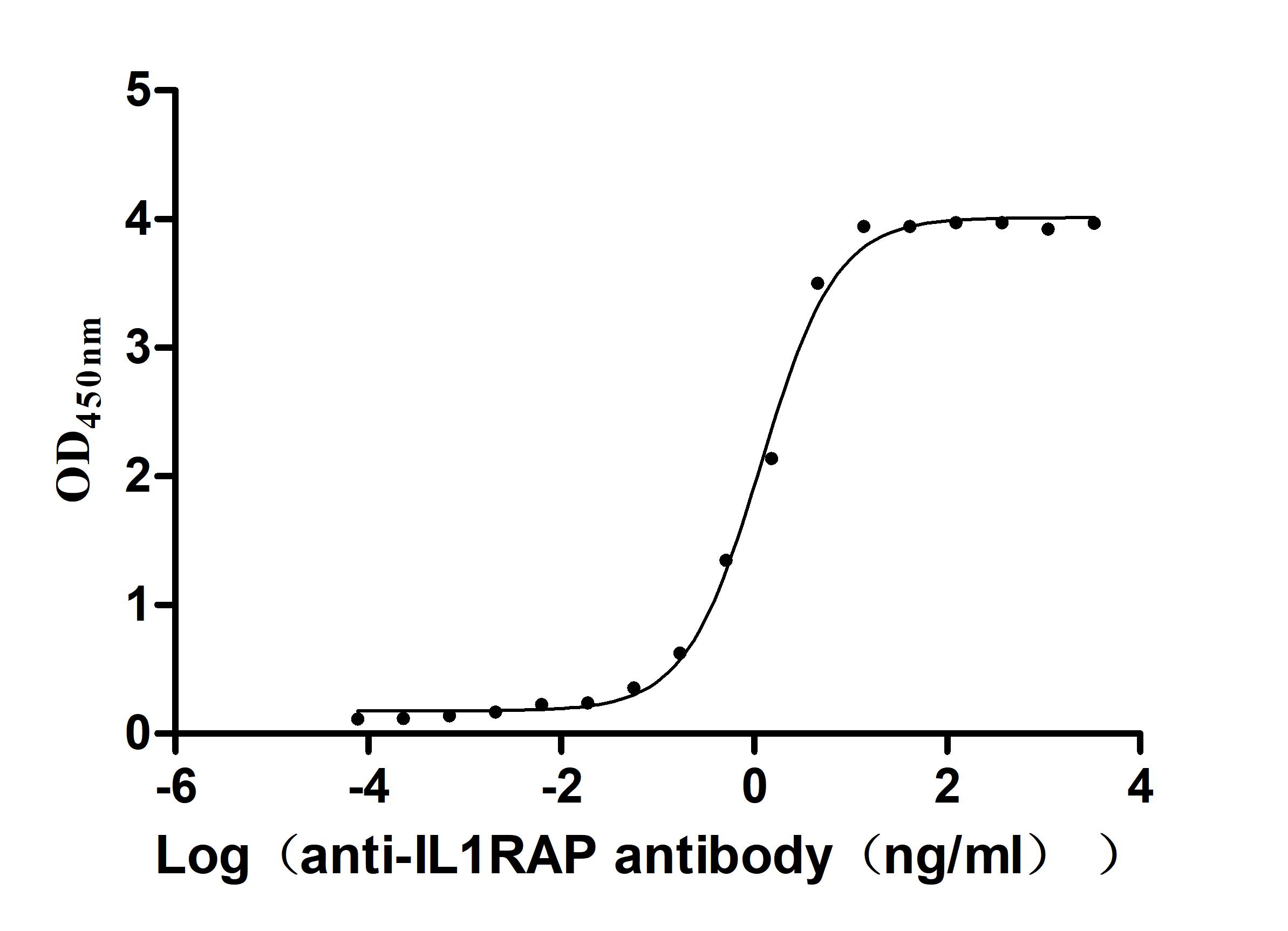
Recombinant Human Interleukin-1 receptor accessory protein (IL1RAP), partial (Active)
Express system: Mammalian cell
Species: Homo sapiens (Human)
-
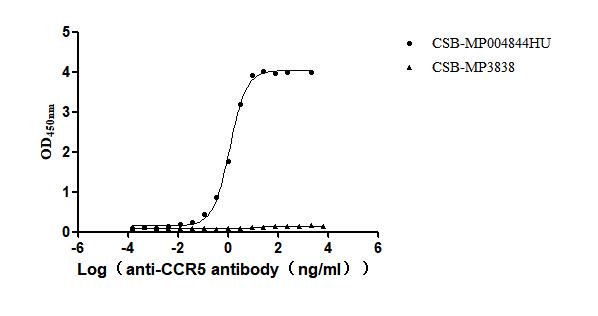
Recombinant Human C-C chemokine receptor type 5 (CCR5)-VLPs (Active)
Express system: Mammalian cell
Species: Homo sapiens (Human)