Recombinant Mouse Proheparin-binding EGF-like growth factor (Hbegf), partial
-
中文名稱:Recombinant Mouse Proheparin-binding EGF-like growth factor (Hbegf), partial
-
品名簡稱:Recombinant Mouse Hbegf protein, partial
-
貨號:CSB-MP857429MO
-
說明書:
-
規(guī)格:¥1536
-
圖片:
-
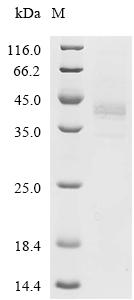 (Tris-Glycine gel) Discontinuous SDS-PAGE (reduced) with 5% enrichment gel and 15% separation gel.
-
-
其他:
產品詳情
-
純度:Greater than 85% as determined by SDS-PAGE.
-
生物活性:Not Test
-
基因名:
-
Uniprot No.:
-
別名:Hbegf;Dtr, Hegfl
-
種屬:Mus musculus (Mouse)
-
蛋白長度:Partial
-
來源:Mammalian cell
-
分子量:35.8 kDa
-
表達區(qū)域:63-148aa
-
氨基酸序列DLEGTDLNLFKVAFSSKPQGLATPSKERNGKKKKKGKGLGKKRDPCLRKYKDYCIHGECRYLQEFRTPSCKCLPGYHGHRCHGLTL
Note: The complete sequence may include tag sequence, target protein sequence, linker sequence and extra sequence that is translated with the protein sequence for the purpose(s) of secretion, stability, solubility, etc.
If the exact amino acid sequence of this recombinant protein is critical to your application, please explicitly request the full and complete sequence of this protein before ordering. -
蛋白標簽:N-terminal hFc1-tagged
-
產品提供形式:Liquid or Lyophilized powder
Note: We will preferentially ship the format that we have in stock, however, if you have any special requirement for the format, please remark your requirement when placing the order, we will prepare according to your demand. -
緩沖液:If the delivery form is liquid, the default storage buffer is Tris/PBS-based buffer, 5%-50% glycerol. If the delivery form is lyophilized powder, the buffer before lyophilization is Tris/PBS-based buffer, 6% Trehalose, pH 8.0.
-
復溶:We recommend that this vial be briefly centrifuged prior to opening to bring the contents to the bottom. Please reconstitute protein in deionized sterile water to a concentration of 0.1-1.0 mg/mL.We recommend to add 5-50% of glycerol (final concentration) and aliquot for long-term storage at -20°C/-80°C. Our default final concentration of glycerol is 50%. Customers could use it as reference.
-
儲存條件:Store at -20°C/-80°C upon receipt, aliquoting is necessary for mutiple use. Avoid repeated freeze-thaw cycles.
-
保質期:The shelf life is related to many factors, storage state, buffer ingredients, storage temperature and the stability of the protein itself.
Generally, the shelf life of liquid form is 6 months at -20°C/-80°C. The shelf life of lyophilized form is 12 months at -20°C/-80°C. -
貨期:Basically, we can dispatch the products out in 3-7 working days after receiving your orders. Delivery time may differ from different purchasing way or location, please kindly consult your local distributors for specific delivery time.
-
Datasheet & COA:Please contact us to get it.
產品評價

相關產品
靶點詳情
-
功能:Growth factor that mediates its effects via EGFR, ERBB2 and ERBB4. Required for normal cardiac valve formation and normal heart function. Promotes smooth muscle cell proliferation. May be involved in macrophage-mediated cellular proliferation. It is mitogenic for fibroblasts, but not endothelial cells. It is able to bind EGF receptor/EGFR with higher affinity than EGF itself and is a far more potent mitogen for smooth muscle cells than EGF. Also acts as a diphtheria toxin receptor.
-
基因功能參考文獻:
- via binding to hypoxia-responsive elements in MMP9 gene, HIF1alpha stimulated MMP9 expression, and therefore appeared as a prominent intermediary in HB-EGF-induced blood-brain barrier damage PMID: 27431094
- Using the best available methods for preclinical evaluation in animal models, it is likely that HB-EGF-like growth factor treatment leads to regeneration of chronic tympanic membrane perforations and restoration of the tympanic membrane to normal function, suggesting a potential route for nonsurgical treatment. PMID: 28142401
- In a clinically relevant CADASIL mouse model, we show that exogenous ADAM17 or HB-EGF restores cerebral arterial tone and blood flow responses, and identify upregulated voltage-dependent potassium channel (KV) number in cerebral arterial myocytes as a heretofore-unrecognized downstream effector of TIMP3-induced deficits. PMID: 27476853
- HB-EGF Tg mice were shown to develop more severe liver fibrosis when treated with carbon tetrachloride or bile duct ligation, with increased matrix metalloproteinases 13 activity and enhanced expression of fibrogenic genes including alpha-smooth muscle actin and collagen I. PMID: 28864379
- These results indicate that ATX-lysophosphatidic acid-LPA3 signaling at the embryo-epithelial boundary induces decidualization via the canonical HB-EGF and COX-2 pathways. PMID: 28588064
- our results suggest that shedding of HB-EGF from endothelium plays an important role in Ang II-induced renal injury by linking Ang II-AT1R with EGFR transactivation. PMID: 27226110
- Results suggest that HB-EGF secreted from KRas-mutated colorectal cancer cells promotes intestinal myofibroblasts migration through ERK and JNK activation, which, in turn, could support cancer progression. PMID: 28339087
- this study revealed that HB-EGF as well as HGF inhibited BDL-induced cholestatic liver injury by predominantly exerting acute cytoprotective and chronic antifibrotic effects, respectively. PMID: 27779646
- Abnormal keratinocyte migration and down-regulated expression of the Hbegf gene might be associated with impaired eyelid development in B6-Co mice. PMID: 27706598
- Psychiatric, social-behavioral and cognitive abnormalities were also observed in hippocampal Hbegf knockout mice. PMID: 26637193
- HB-EGF promotes enteric neural stem cell proliferation and migration in a mouse model PMID: 25806717
- mice in which DTR is expressed on conventional Dendritic cells display marked lymph node hypocellularity and reduced frequency of Dendritic cells in the same organs but not in spleen or nonlymphoid tissues. PMID: 25411201
- Decreased nitric oxide bioavailability leads to increased HB-EGF expression, which may be an important mediator of the resulting progressive diabetic nephropathy in eNOS-knockout diabetic mice. PMID: 23760291
- HB-EGF changed morphology of 2D and Bioactive3D cultured astrocytes toward a radial glia-like phenotype and induced the expression of intermediate filament and progenitor cell marker protein nestin. PMID: 24188029
- HB-EGF induction on Snail expression is dependent on the EGFR-ERK-Stat3 pathway. PMID: 23994020
- HB-EGF did not prevent the TGF-beta-induced nuclear accumulation of Smad3, but did lead to stabilization of the Smad transcriptional co-repressor TG-interacting factor PMID: 23743191
- HB-EGF induced heart fibrosis and proliferation of cardiac fibroblasts occurs through activation of the Akt/mTor/p70s6k pathway PMID: 22984591
- HB-EGF gene knockout increases susceptibility to peritonitis-induced intestinal injury, which can be reversed by administration of HB-EGF. These results support a protective role of HB-EGF in peritonitis-induced sepsis. PMID: 22703966
- HB-EGF plays a pivotal role in synaptic plasticity and memory formation. PMID: 21945083
- Heparin-binding epidermal growth factor-like growth factor suppresses experimental liver fibrosis in mice. PMID: 22330337
- Lung cancer-derived galectin-1 enhances tumorigenic potentiation of tumor-associated dendritic cells by expressing heparin-binding EGF-like growth factor. PMID: 22291012
- Our results demonstrate that HB-EGF is an important factor involved in the healing of intestinal anastomoses. PMID: 20850767
- This study indicated that HB-EGF may play a pivotal role in ischemia and reperfusion injury and that endogenously synthesized HB-EGF is necessary for both the neuroprotective effect and for regulation of cell proliferation in the subventricular zone. PMID: 21524692
- Overexpression of HB-EGF increases resistance to hemorrhagic shock and resuscitation in mice. PMID: 20965535
- Results indicate that extracellular heparan-sulfate proteoglycans sequester the transmembrane pro-form of heparin-binding EGF-like growth factor at the point of cell-cell contact, governing the balance between juxtacrine vs. autocrine/paracrine signaling. PMID: 20530570
- Data demonstrated that overexpression of airway HB-EGF induced by IL-17 secreted from redundant expanding Th17 cells might contribute to excessive mucus expression and ASM proliferation in chronic asthma. PMID: 20530256
- These results indicate that interactions with HSPGs are essential for the function of HB-EGF, especially in cardiac valve development, in which HB-EGF suppresses mesenchymal cell proliferation. PMID: 20530548
- alterations affecting HB-EGF signaling could comprise a contributing factor in psychiatric disorder, as shown in a knockout mouse model PMID: 19829704
- Exogenously administered diphtheria toxin (DT) binds to and damages cells expressing the human precursor of heparin binding-EGF-like growth factor (proHB-EGF), also known as the diphtheria toxin receptor (DTR). PMID: 19850947
- role in regulating mesangial cell hexokinase activity and expression PMID: 11782486
- selective up-regulation of the mitogen heparin-binding EGF-like growth factor by IGF-1 PMID: 12213819
- HB-EGF activation of receptor tyrosine kinases is essential for normal heart function. PMID: 12621152
- An elevation in HB-EGF protein in pancreatic islets led to altered interactions among islet cells and among islets, stromal tissues, and ductal epithelium involving altered cell adhesion. PMID: 12671899
- cardiac valvulogenesis is dependent on EGFR activation by TACE-derived soluble HB-EGF, and that EGFR signaling is required to regulate bone morphogenetic protein signaling PMID: 12773386
- HB(uc/uc) mice developed severe heart failure and enlarged heart valves, phenotypes similar to those in proHB-EGF null mice. Ectodomain shedding of proHB-EGF is essential for HB-EGF function in vivo and requires strict control. PMID: 14597776
- Lysophosphatidic acid accelerates blastocyst differentiation through its ability to induce Ca2+(i) transients and HB-EGF autocrine signaling PMID: 15149861
- the heparin-binding domain serves as a negative regulator of heparin-binding EGF-like Growth Factor PMID: 15331606
- HB-EGF is a key factor for hepatocyte progression through G(1)/S transition during liver regeneration PMID: 15536070
- HB-EGF is a mediator of multiple physiological and pathological pathways [review] PMID: 15621728
- role for PI3K/Akt and MEK/ERK signaling in HB-EGF-stimulated cell proliferation PMID: 15952178
- HB-EGF is not required for arteriogenesis or angiogenesis in hindlimb ischemia PMID: 15994441
- Overexpression of Hbegf in transgenic mice downregulates Igfbp3 and Igfbp4 and mRNA. PMID: 16019424
- HB-EGF secreted from the tip of the leading edge activates the EGFR and ERK pathway, and that synergy with TGFalpha is required for leading edge extension in epithelial sheet migration during eyelid closure. PMID: 16141218
- EGF may have a role in accelerating expression of integrin alphanubeta3 in peri-implantation mouse embryos PMID: 16622802
- Expression of HB-EGF in smooth muscle and/or endothelial cell lineages is essential for proper heart development and function in mice. PMID: 17010937
- These findings demonstrate that amino-terminally truncated, membrane-bound form of HB-EGF stimulates cell proliferation but lacks insulin-like signalling. PMID: 17472728
- HB-EGF has a novel suppressive function that contributes to decelerating distal lung cell proliferation synergistically with TGFalpha through EGFR in perinatal distal lung development. PMID: 18069687
- HB-EGF signaling is required for low flow-induced hypertrophic remodeling and may participate in vascular wall disease and remodeling PMID: 18436796
- Endogenous HB-EGF significantly enhances healing by restitution, prolongs survival, and enhances angiogenesis in mice subjected to intestinal I/R injury. PMID: 18558204
- a novel characteristic of regulatory macrophages is the production of angiogenic HB-EGF. PMID: 19201846
顯示更多
收起更多
-
亞細胞定位:[Heparin-binding EGF-like growth factor]: Secreted, extracellular space. Note=Mature HB-EGF is released into the extracellular space and probably binds to a receptor.; [Proheparin-binding EGF-like growth factor]: Cell membrane; Single-pass type I membrane protein.
-
組織特異性:Most abundant in kidney, skeletal muscle, lung, spleen, brain and heart.
-
數(shù)據(jù)庫鏈接:
Most popular with customers
-
Recombinant Human Tumor necrosis factor ligand superfamily member 8 (TNFSF8), partial (Active)
Express system: Mammalian cell
Species: Homo sapiens (Human)
-
Recombinant Mouse Semaphorin-4D (Sema4d), partial (Active)
Express system: Mammalian cell
Species: Mus musculus (Mouse)
-
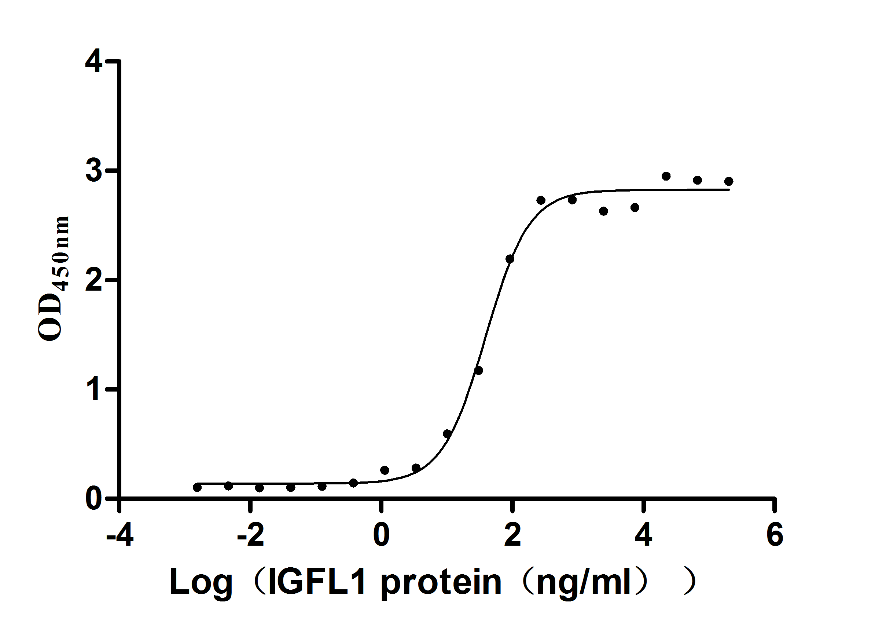
Recombinant Human IGF-like family receptor 1 (IGFLR1), partial (Active)
Express system: Mammalian cell
Species: Homo sapiens (Human)
-
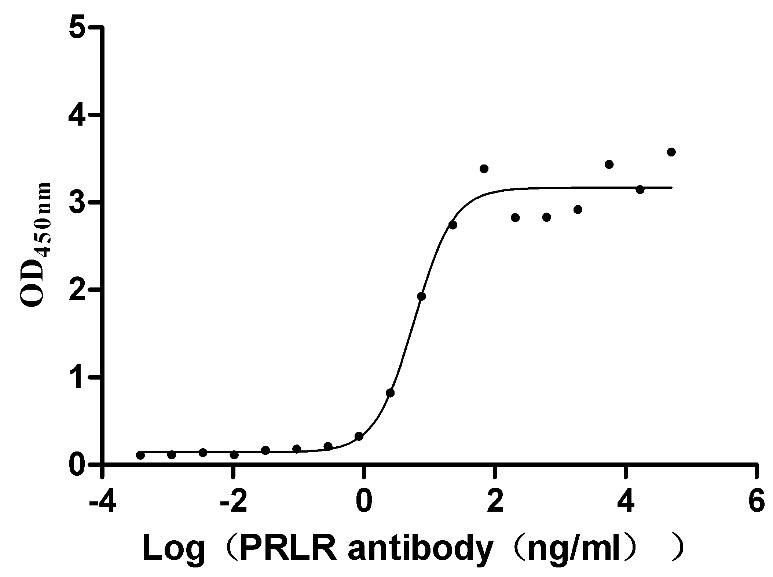
Recombinant Mouse Prolactin receptor (Prlr), partial (Active)
Express system: Mammalian cell
Species: Mus musculus (Mouse)
-
-AC1.jpg)
Recombinant Human C-X-C chemokine receptor type 4 (CXCR4)-VLPs (Active)
Express system: Mammalian cell
Species: Homo sapiens (Human)
-
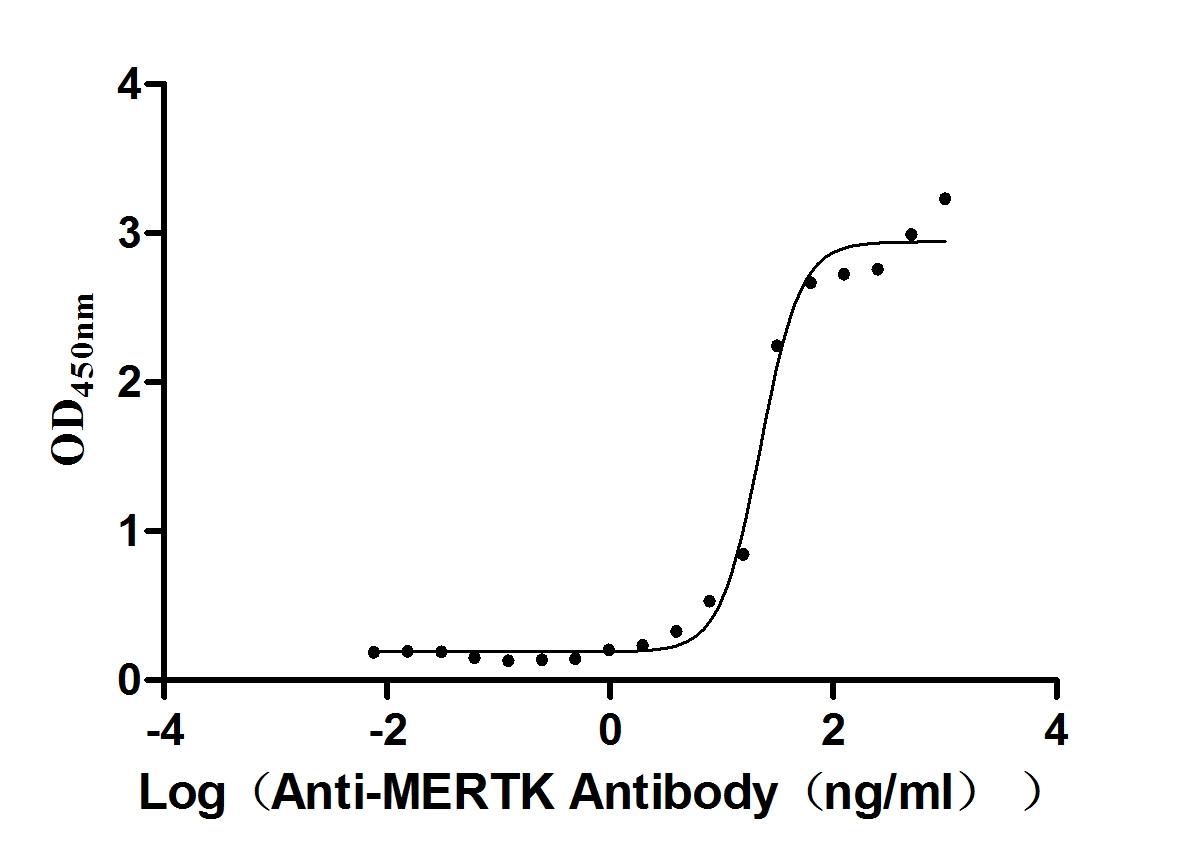
Recombinant Mouse Tyrosine-protein kinase Mer (Mertk), partial (Active)
Express system: Mammalian cell
Species: Mus musculus (Mouse)
-
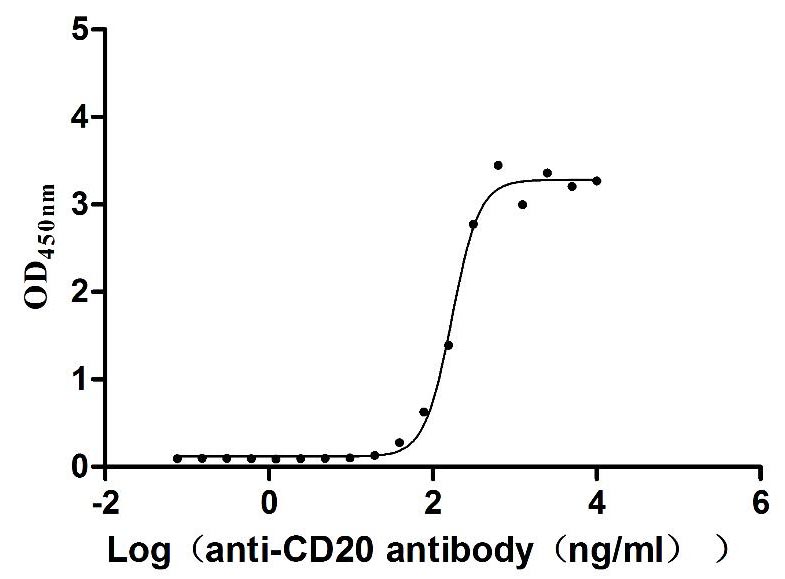
Recombinant Dog B-lymphocyte antigen CD20 (MS4A1)-VLPs (Active)
Express system: Mammalian cell
Species: Canis lupus familiaris (Dog) (Canis familiaris)
-
Recombinant Human Interleukin-2 (IL2) (Active)
Express system: Mammalian cell
Species: Homo sapiens (Human)