
Recombinant Mouse Probable global transcription activator SNF2L2 (Smarca2), partial
-
中文名稱:小鼠Smarca2重組蛋白
-
貨號:CSB-YP718760MO
-
規格:
-
來源:Yeast
-
其他:
-
中文名稱:小鼠Smarca2重組蛋白
-
貨號:CSB-EP718760MO
-
規格:
-
來源:E.coli
-
其他:
-
中文名稱:小鼠Smarca2重組蛋白
-
貨號:CSB-EP718760MO-B
-
規格:
-
來源:E.coli
-
共軛:Avi-tag Biotinylated
E. coli biotin ligase (BirA) is highly specific in covalently attaching biotin to the 15 amino acid AviTag peptide. This recombinant protein was biotinylated in vivo by AviTag-BirA technology, which method is BriA catalyzes amide linkage between the biotin and the specific lysine of the AviTag.
-
其他:
-
中文名稱:小鼠Smarca2重組蛋白
-
貨號:CSB-BP718760MO
-
規格:
-
來源:Baculovirus
-
其他:
-
中文名稱:小鼠Smarca2重組蛋白
-
貨號:CSB-MP718760MO
-
規格:
-
來源:Mammalian cell
-
其他:
產品詳情
-
純度:>85% (SDS-PAGE)
-
基因名:
-
Uniprot No.:
-
別名:Smarca2; Baf190b; Brm; Snf2a; Snf2l2; Probable global transcription activator SNF2L2; EC 3.6.4.-; ATP-dependent helicase SMARCA2; BRG1-associated factor 190B; BAF190B; Protein brahma homolog; SNF2-alpha; SWI/SNF-related matrix-associated actin-dependent regulator of chromatin subfamily A member 2
-
種屬:Mus musculus (Mouse)
-
蛋白長度:Partial
-
蛋白標簽:Tag?type?will?be?determined?during?the?manufacturing?process.
The tag type will be determined during production process. If you have specified tag type, please tell us and we will develop the specified tag preferentially. -
產品提供形式:Lyophilized powder
Note: We will preferentially ship the format that we have in stock, however, if you have any special requirement for the format, please remark your requirement when placing the order, we will prepare according to your demand. -
復溶:We recommend that this vial be briefly centrifuged prior to opening to bring the contents to the bottom. Please reconstitute protein in deionized sterile water to a concentration of 0.1-1.0 mg/mL.We recommend to add 5-50% of glycerol (final concentration) and aliquot for long-term storage at -20℃/-80℃. Our default final concentration of glycerol is 50%. Customers could use it as reference.
-
儲存條件:Store at -20°C/-80°C upon receipt, aliquoting is necessary for mutiple use. Avoid repeated freeze-thaw cycles.
-
保質期:The shelf life is related to many factors, storage state, buffer ingredients, storage temperature and the stability of the protein itself.
Generally, the shelf life of liquid form is 6 months at -20°C/-80°C. The shelf life of lyophilized form is 12 months at -20°C/-80°C. -
貨期:Delivery time may differ from different purchasing way or location, please kindly consult your local distributors for specific delivery time.Note: All of our proteins are default shipped with normal blue ice packs, if you request to ship with dry ice, please communicate with us in advance and extra fees will be charged.
-
注意事項:Repeated freezing and thawing is not recommended. Store working aliquots at 4°C for up to one week.
-
Datasheet :Please contact us to get it.
產品評價

靶點詳情
-
功能:Involved in transcriptional activation and repression of select genes by chromatin remodeling (alteration of DNA-nucleosome topology). Component of SWI/SNF chromatin remodeling complexes that carry out key enzymatic activities, changing chromatin structure by altering DNA-histone contacts within a nucleosome in an ATP-dependent manner. Binds DNA non-specifically. Belongs to the neural progenitors-specific chromatin remodeling complex (npBAF complex) and the neuron-specific chromatin remodeling complex (nBAF complex). During neural development a switch from a stem/progenitor to a postmitotic chromatin remodeling mechanism occurs as neurons exit the cell cycle and become committed to their adult state. The transition from proliferating neural stem/progenitor cells to postmitotic neurons requires a switch in subunit composition of the npBAF and nBAF complexes. As neural progenitors exit mitosis and differentiate into neurons, npBAF complexes which contain ACTL6A/BAF53A and PHF10/BAF45A, are exchanged for homologous alternative ACTL6B/BAF53B and DPF1/BAF45B or DPF3/BAF45C subunits in neuron-specific complexes (nBAF). The npBAF complex is essential for the self-renewal/proliferative capacity of the multipotent neural stem cells. The nBAF complex along with CREST plays a role regulating the activity of genes essential for dendrite growth.
-
基因功能參考文獻:
- PRC2-mediated repression of SMARCA2 predicts EZH2 inhibitor activity in SWI/SNF mutant tumors. PMID: 29087303
- BRM depletion enhances the proportion of cells expressing markers of osteoblast precursors at the expense of cells able to differentiate along the adipocyte lineage. PMID: 26059320
- Data show that knockdown of component of chromatin remodeling complex Brm or Baf170 at different stages promotes reprogramming. PMID: 26121422
- Data reveal stage-specific roles of Brm during skeletal myogenesis, via formation of repressive and activatory SWI/SNF complexes. PMID: 26136374
- Brm protects from UV-induced hyperplastic growth in both cutaneous and corneal keratinocytes PMID: 25254962
- study identifies NO and HDAC2 nitrosylation as part of a signaling pathway that regulates cortical development and the expression of Brm in neurons PMID: 23359715
- The absence of Brm increased skin and ocular photocarcinogenesis in mice. PMID: 22775994
- demonstrate a strong functional association between these polymorphisms and loss of BRM expression. These polymorphisms thus have the potential to identify a sub-population of smokers at greater lung cancer risk PMID: 21478907
- The expression of BRM gradually increases as liver cells differentiate. PMID: 16452305
- Cyclin D3 is increased during differentiation and phosphorylates C/EBPalpha at Ser193, leading to the formation of growth-inhibitory C/EBPalpha-cdk2 and C/EBPalpha-Brm complexes. PMID: 16537903
- Cells can partially overcome the absence of Brm by activating several compensatory mechanisms to control the cell cycle. They remain unable to enter a canonical quiescent state and unable to perform correct chromosome segregation. PMID: 16707429
- reduced proliferative capacities of the liver of old animals are associated with the CCAAT/enhancer-binding protein alpha (C/EBPalpha)-Brm complex, which inhibits E2F-dependent promoters PMID: 17107955
- Brg-1 interacted with farnesoid X receptor (FXR) and enhanced FXR-mediated transactivation of small heterodimer partner(SHP), whereas Brm interacted with SHP and enhanced SHP-mediated repression of CYP7A1 and, interestingly, auto-repression of SHP PMID: 19805516
顯示更多
收起更多
-
亞細胞定位:Nucleus.
-
蛋白家族:SNF2/RAD54 helicase family
-
組織特異性:Expressed in the cortex and the hippocampus. Expressed in the cortical plate in the embryo.
-
數據庫鏈接:
Most popular with customers
-
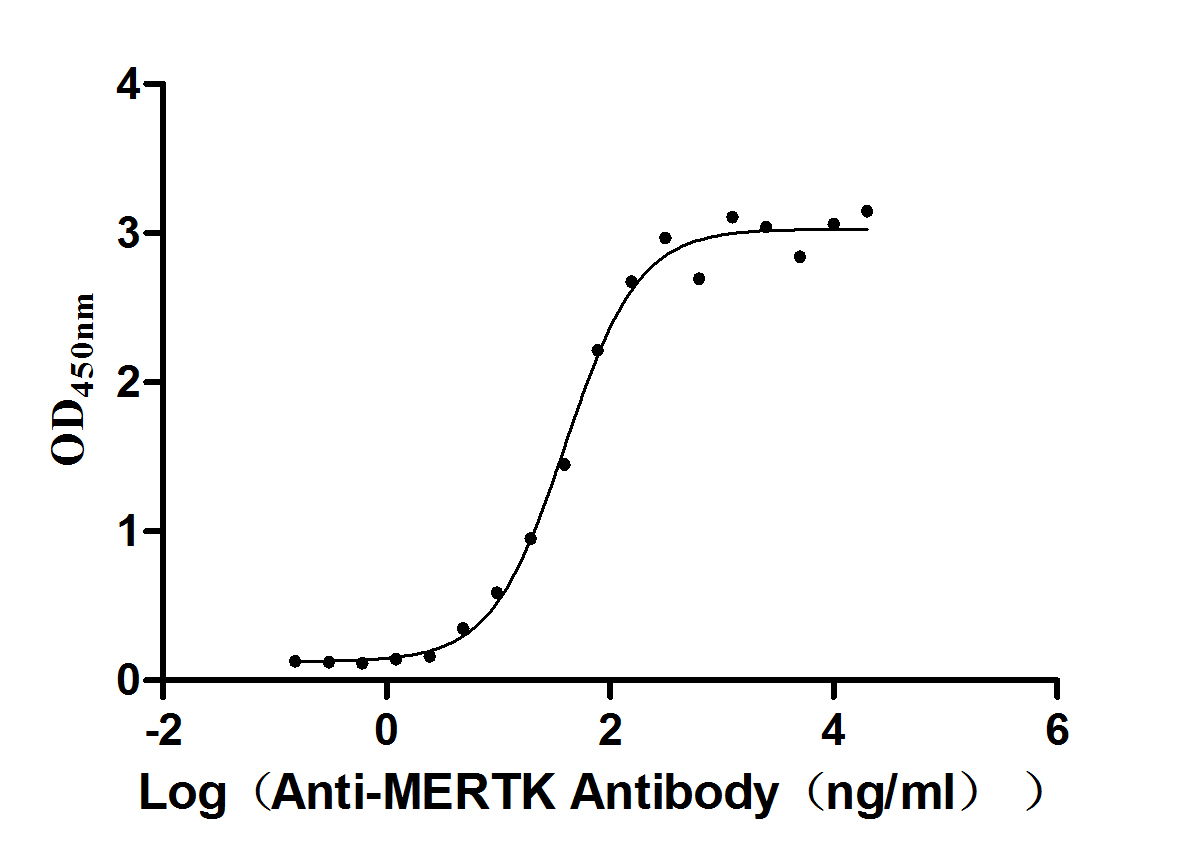
Recombinant Human Tyrosine-protein kinase Mer (MERTK), partial (Active)
Express system: Mammalian cell
Species: Homo sapiens (Human)
-
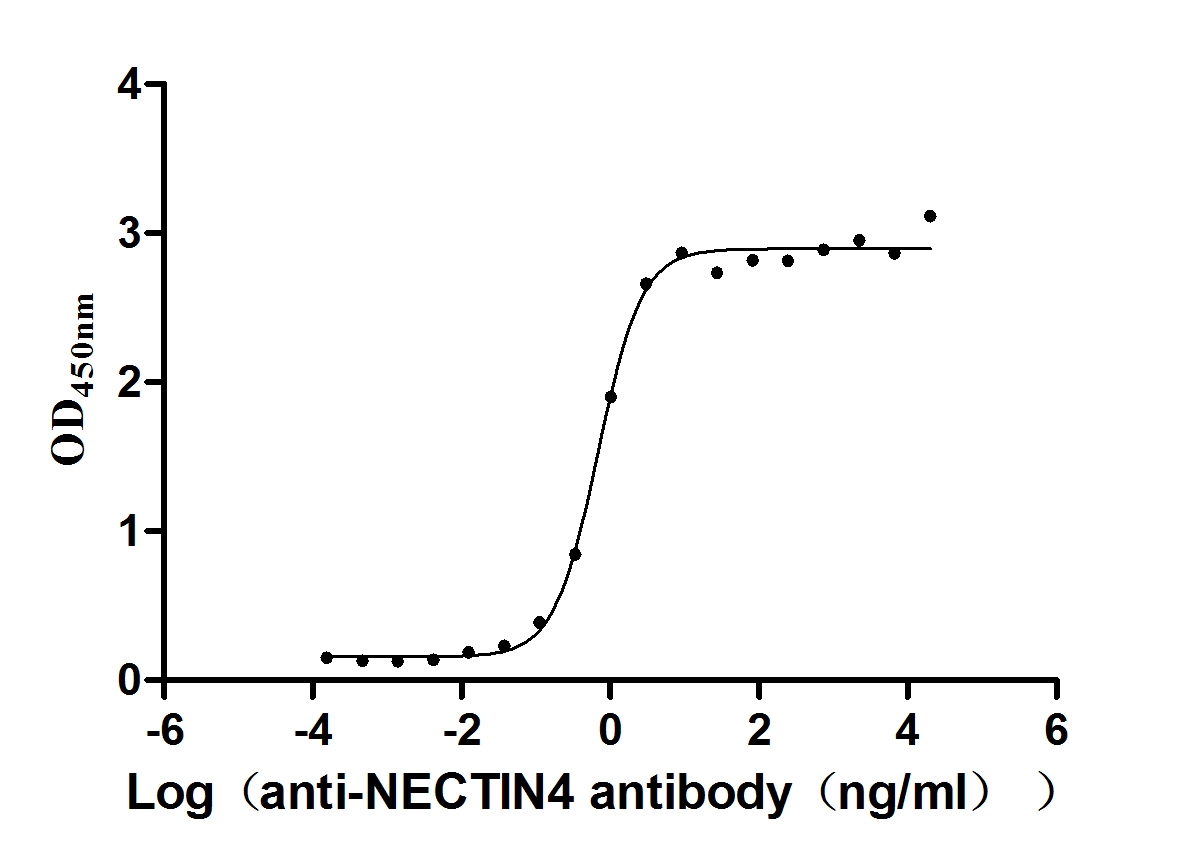
Recombinant Human Nectin-4 (NECTIN4), partial (Active)
Express system: Mammalian cell
Species: Homo sapiens (Human)
-
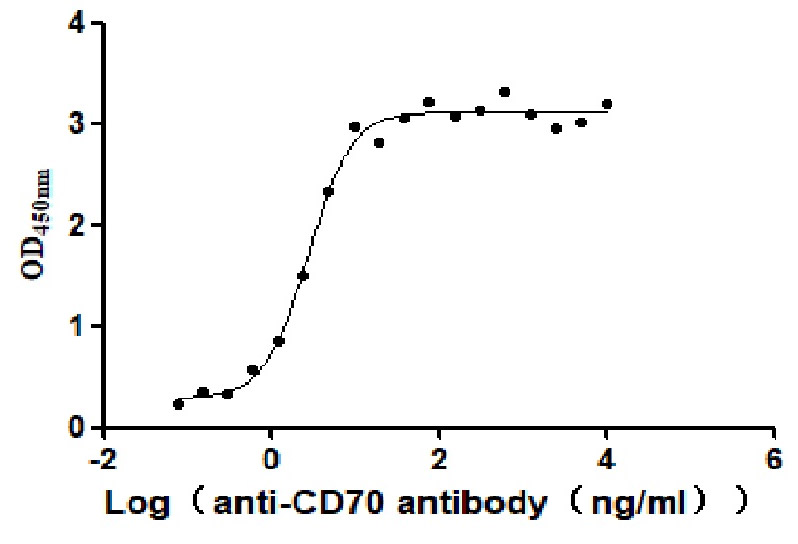
Recombinant Human CD70 antigen (CD70), partial (Active)
Express system: Mammalian cell
Species: Homo sapiens (Human)
-
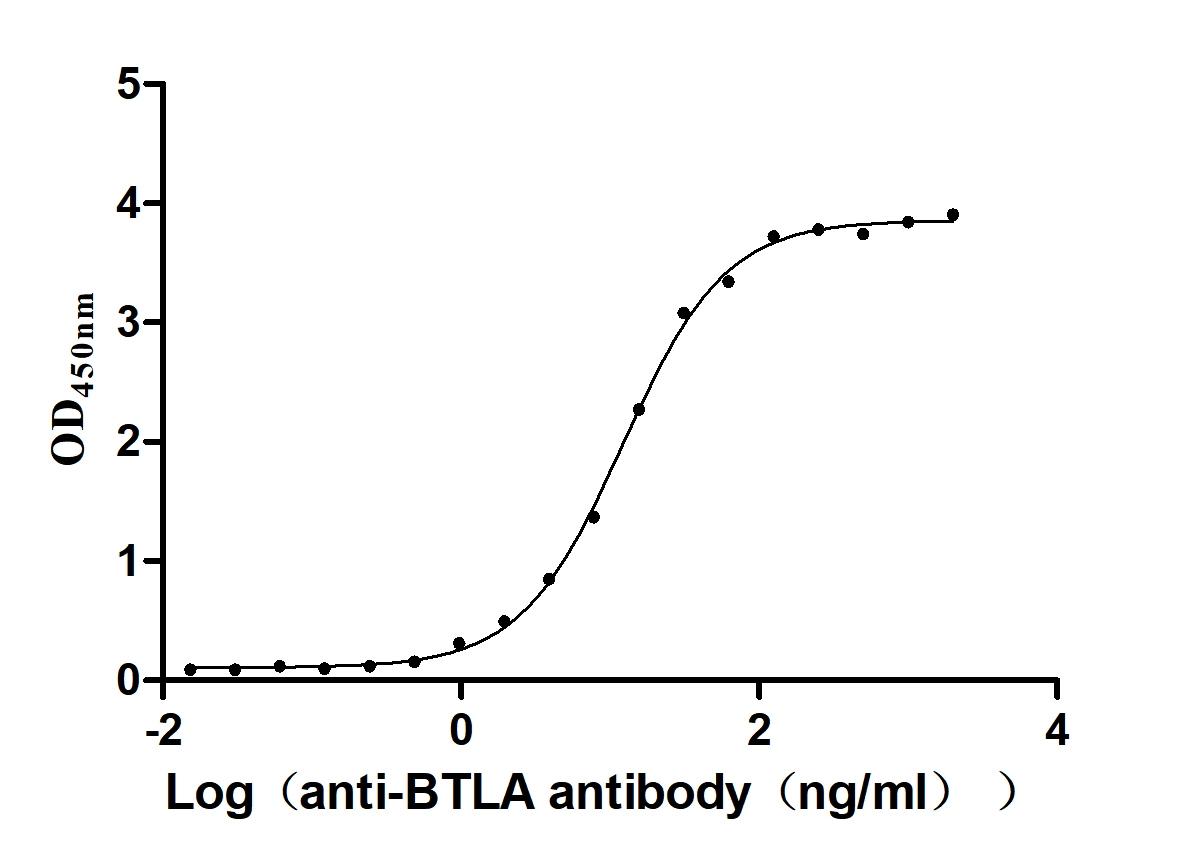
Recombinant Human B- and T-lymphocyte attenuator(BTLA), partial (Active)
Express system: Mammalian cell
Species: Homo sapiens (Human)
-
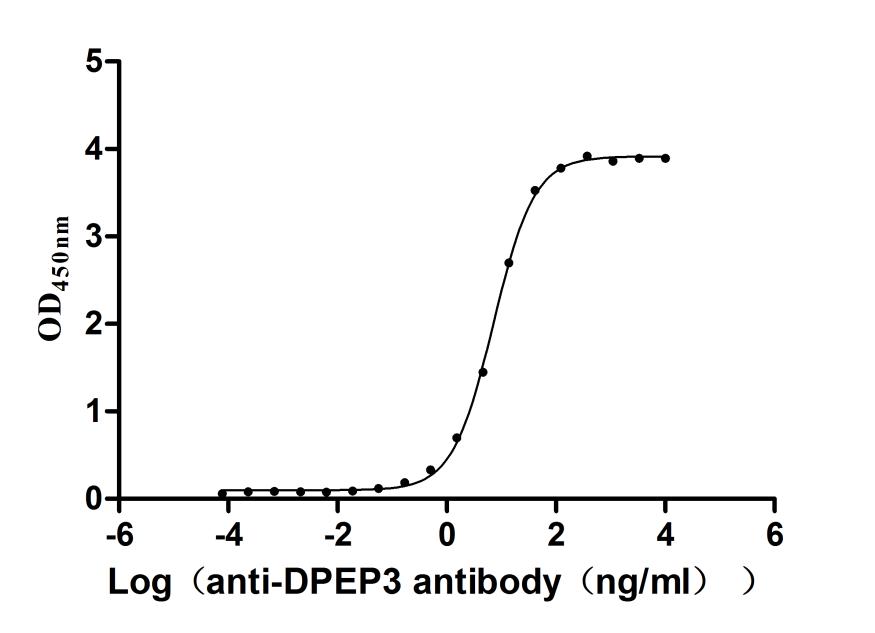
Recombinant Human Dipeptidase 3(DPEP3), partial (Active)
Express system: Mammalian cell
Species: Homo sapiens (Human)
-
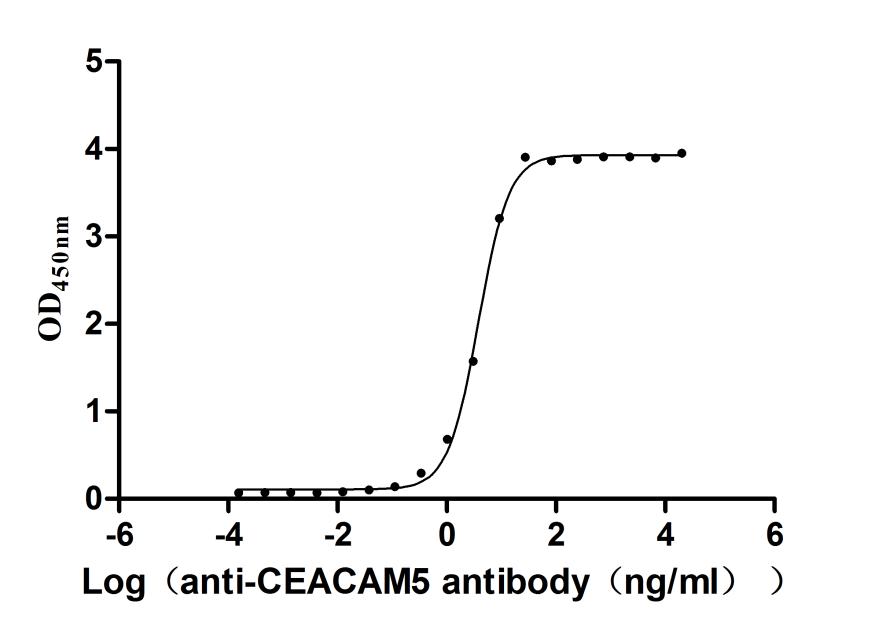
Express system: Mammalian cell
Species: Macaca mulatta (Rhesus macaque)
-
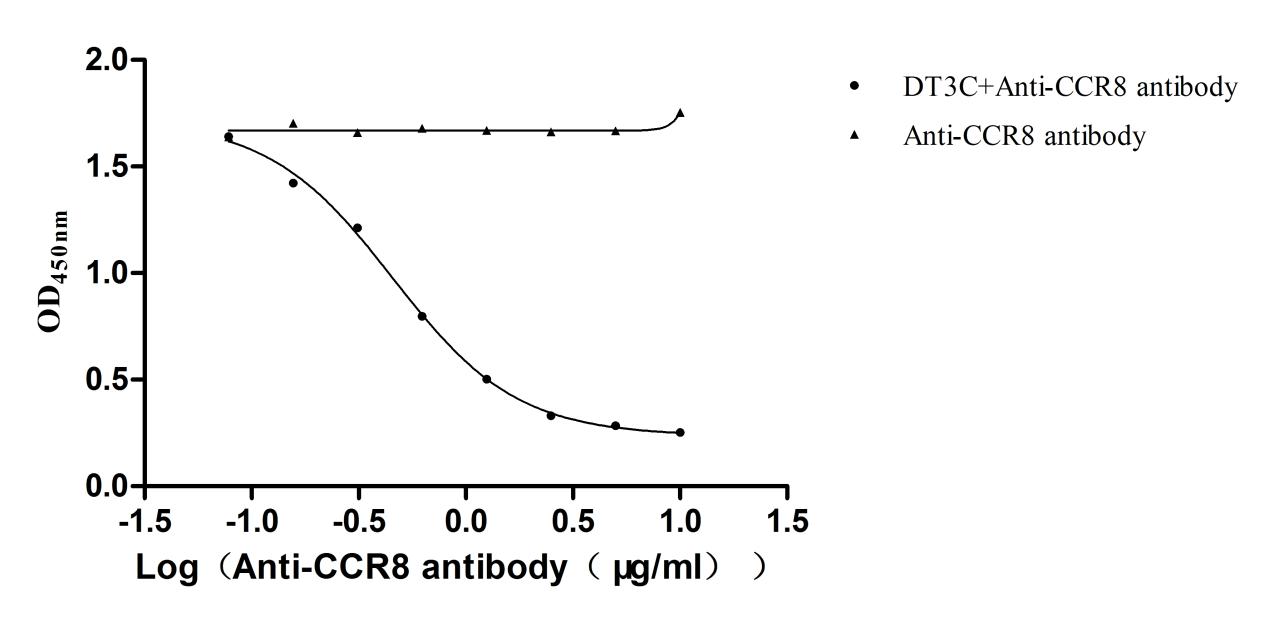
Recombinant DT3C (Diphtheria toxin & spg 3C domain) for Antibody Internalization Assay (Active)
Express system: E.coli
Species: N/A