
Recombinant Mouse Monoglyceride lipase (Mgll)
-
中文名稱:小鼠Mgll重組蛋白
-
貨號(hào):CSB-EP013787MO
-
規(guī)格:
-
來(lái)源:E.coli
-
其他:
-
中文名稱:小鼠Mgll重組蛋白
-
貨號(hào):CSB-EP013787MO-B
-
規(guī)格:
-
來(lái)源:E.coli
-
共軛:Avi-tag Biotinylated
E. coli biotin ligase (BirA) is highly specific in covalently attaching biotin to the 15 amino acid AviTag peptide. This recombinant protein was biotinylated in vivo by AviTag-BirA technology, which method is BriA catalyzes amide linkage between the biotin and the specific lysine of the AviTag.
-
其他:
-
中文名稱:小鼠Mgll重組蛋白
-
貨號(hào):CSB-BP013787MO
-
規(guī)格:
-
來(lái)源:Baculovirus
-
其他:
-
中文名稱:小鼠Mgll重組蛋白
-
貨號(hào):CSB-MP013787MO
-
規(guī)格:
-
來(lái)源:Mammalian cell
-
其他:
產(chǎn)品詳情
-
純度:Greater than 90% as determined by SDS-PAGE.
-
基因名:Mgll
-
Uniprot No.:
-
別名:MgllMonoglyceride lipase; MGL; EC 3.1.1.23; Monoacylglycerol lipase; MAGL
-
種屬:Mus musculus (Mouse)
-
蛋白長(zhǎng)度:Full Length
-
分子量:49.4kDa
-
表達(dá)區(qū)域:1-303aa
-
氨基酸序列MPEASSPRRTPQNVPYQDLPHLVNADGQYLFCRYWKPSGTPKALIFVSHGAGEHCGRYDELAHMLKGLDMLVFAHDHVGHGQSEGERMVVSDFQVFVRDVLQHVDTIQKDYPDVPIFLLGHSMGGAISILVAAERPTYFSGMVLISPLVLANPESASTLKVLAAKLLNFVLPNMTLGRIDSSVLSRNKSEVDLYNSDPLVCRAGLKVCFGIQLLNAVARVERAMPRLTLPFLLLQGSADRLCDSKGAYLLMESSRSQDKTLKMYEGAYHVLHRELPEVTNSVLHEVNSWVSHRIAAAGAGCPP
-
蛋白標(biāo)簽:Tag?type?will?be?determined?during?the?manufacturing?process.
The tag type will be determined during production process. If you have specified tag type, please tell us and we will develop the specified tag preferentially. -
產(chǎn)品提供形式:Lyophilized powder
Note: We will preferentially ship the format that we have in stock, however, if you have any special requirement for the format, please remark your requirement when placing the order, we will prepare according to your demand. -
復(fù)溶:We recommend that this vial be briefly centrifuged prior to opening to bring the contents to the bottom. Please reconstitute protein in deionized sterile water to a concentration of 0.1-1.0 mg/mL.We recommend to add 5-50% of glycerol (final concentration) and aliquot for long-term storage at -20℃/-80℃. Our default final concentration of glycerol is 50%. Customers could use it as reference.
-
儲(chǔ)存條件:Store at -20°C/-80°C upon receipt, aliquoting is necessary for mutiple use. Avoid repeated freeze-thaw cycles.
-
保質(zhì)期:The shelf life is related to many factors, storage state, buffer ingredients, storage temperature and the stability of the protein itself.
Generally, the shelf life of liquid form is 6 months at -20°C/-80°C. The shelf life of lyophilized form is 12 months at -20°C/-80°C. -
貨期:Delivery time may differ from different purchasing way or location, please kindly consult your local distributors for specific delivery time.Note: All of our proteins are default shipped with normal blue ice packs, if you request to ship with dry ice, please communicate with us in advance and extra fees will be charged.
-
注意事項(xiàng):Repeated freezing and thawing is not recommended. Store working aliquots at 4°C for up to one week.
-
Datasheet :Please contact us to get it.
產(chǎn)品評(píng)價(jià)

相關(guān)產(chǎn)品
靶點(diǎn)詳情
-
功能:Converts monoacylglycerides to free fatty acids and glycerol. Hydrolyzes the endocannabinoid 2-arachidonoylglycerol, and thereby contributes to the regulation of endocannabinoid signaling, nociperception and perception of pain. Regulates the levels of fatty acids that serve as signaling molecules and promote cancer cell migration, invasion and tumor growth.
-
基因功能參考文獻(xiàn):
- Neuronal and astrocytic monoacylglycerol lipase contributes to 2-arachidonoylglycerol clearance and prevent CB1 receptor over-stimulation in the cerebellum. PMID: 27775008
- Results provide evidence that MGL deficiency causes complex changes in cholesterol metabolism and in the regulation of gut transit. PMID: 28380440
- N-arachidonoyl ethanolamine and 2-arachidonoyl glycerol hydrolyzing enzymes, FAAH and MAGL, and the CB1 receptor link the endocannabinoid system to broader lipid signaling networks in contrasting ways, potentially altering neurotransmission and behavior independently of cannabinoid receptor signaling. PMID: 27109320
- Results suggest that neuronal and astrocytic MAGL collaborate to terminate endocannabinoid-mediated synaptic suppression and prompt synapse-specificity of endocannabinoid signaling in the cerebellum. PMID: 27182552
- Activities of adipose triglyceride lipase (ATGL), hormone sensitive lipolitic enzyme (HSL) and monoacylglycerol lipase (MGL) were significantly higher (51 %, 38 %, 49 %) in the DE group than the HF group (p < 0.05). MGL, there were no differences between the CO group, HF group, and DC group, with the DE group (70 %) being significantly higher (p < 0.05). PMID: 27596982
- MGL in astrocytes is an important regulator of 2-arachidonoylglyerol levels, arachidonic acid availability, and neuroinflammation. PMID: 26565024
- Genetic and pharmacological ablation of Magl attenuated centrally-mediated fever response. PMID: 26287872
- the results indicate that global MGL deletion leads to systemic changes that produce a leaner phenotype and an improved serum metabolic profile. PMID: 25842377
- This study showed that Genetic deletion of monoacylglycerol lipase leads to impaired cannabinoid receptor CBR signaling and anxiety-like behavior. PMID: 26223500
- Suggest that organophosphate agents induce plasma hypertriglyceridemia in mouse through single or dual inhibition of FAAH or/and MAGL, apparently leading to overstimulation of cannabinoid signal regulating energy metabolism. PMID: 24361246
- Inactivation of Monoacylglycerol lipase robustly suppressed production and accumulation of beta-amyloid (Abeta) associated with reduced expression of beta-site amyloid precursor protein cleaving enzyme 1 (BACE1) in a mouse model of Alzheimer's disease. PMID: 23122958
- Data indicate that nerve growth factor (NGF) controls monoacylglycerol lipase (MGL) degradation in vitro and in vivo. PMID: 23319656
- The results therefore suggest a role for intestinal MGL in whole body energy balance via regulation of food intake as well as metabolic rate. PMID: 22937137
- MGL regulates 2-arachidonoylglycerol signaling rather broadly within a certain range of neural tissue, although MGL expression is heterogeneous and limited to a subset of nerve terminals and astrocytes. PMID: 22783023
- results indicate that genetic deletion of MAGL causes profound changes in eCB signaling, long-term synaptic plasticity, and learning behavior. PMID: 21940435
- pathway exists in brain where MAGL hydrolyzes 2-arachidonoylglycerol to generate arachidonate precursor pool for neuroinflammatory prostaglandins; found MAGL as metabolic node coupling endocannabinoid to prostaglandin signaling networks in nervous system PMID: 22021672
- MGL deficiency impairs lipolysis and attenuates diet-induced insulin resistance PMID: 21454566
- MAGL is the major regulator of 2- arachidonoylglycerol (2-AG) levels and signaling. PMID: 20855465
- spatially confined MGL activity generates a 2-arachidonoyl glycerol sensing microdomain and configures 2-arachidonoyl glycerol signaling to promote axonal growth PMID: 20962221
- sustained inactivation of monoacylglycerol lipase impairs specific endocannabinoid-mediated forms of synaptic plasticity; ligand diversification may be important for shaping the distinct functions and properties of endocannabinoid signaling pathways PMID: 20729846
- Astrocytes express monoacylglycerol lipase, the main hydrolyzing enzyme of 2-arachidonoylglycerol. Pharmacological inhibition of MGL potentiates ATP-induced 2-AG production. PMID: 15371507
- analysis of developmental and nutritional regulation of monoacylglycerol lipase and monoacylglycerol acyltransferase PMID: 17848545
顯示更多
收起更多
-
亞細(xì)胞定位:Cytoplasm, cytosol. Membrane; Peripheral membrane protein.
-
蛋白家族:AB hydrolase superfamily, Monoacylglycerol lipase family
-
組織特異性:Ubiquitous.
-
數(shù)據(jù)庫(kù)鏈接:
Most popular with customers
-
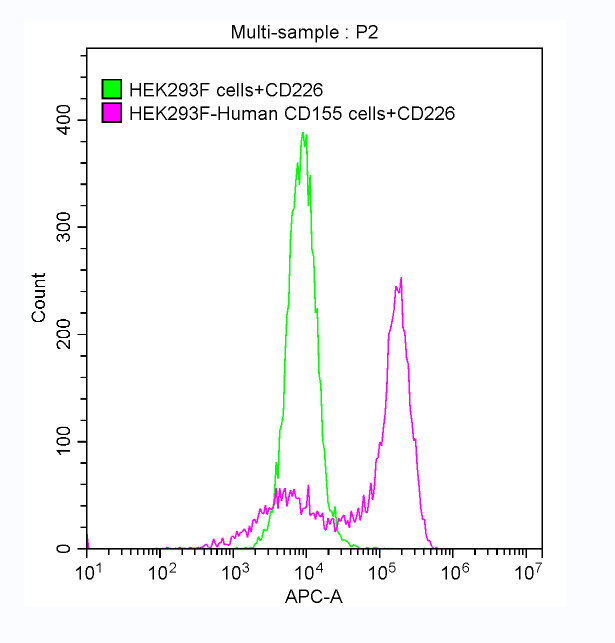
Recombinant Human CD226 antigen (CD226), partial (Active)
Express system: Mammalian cell
Species: Homo sapiens (Human)
-
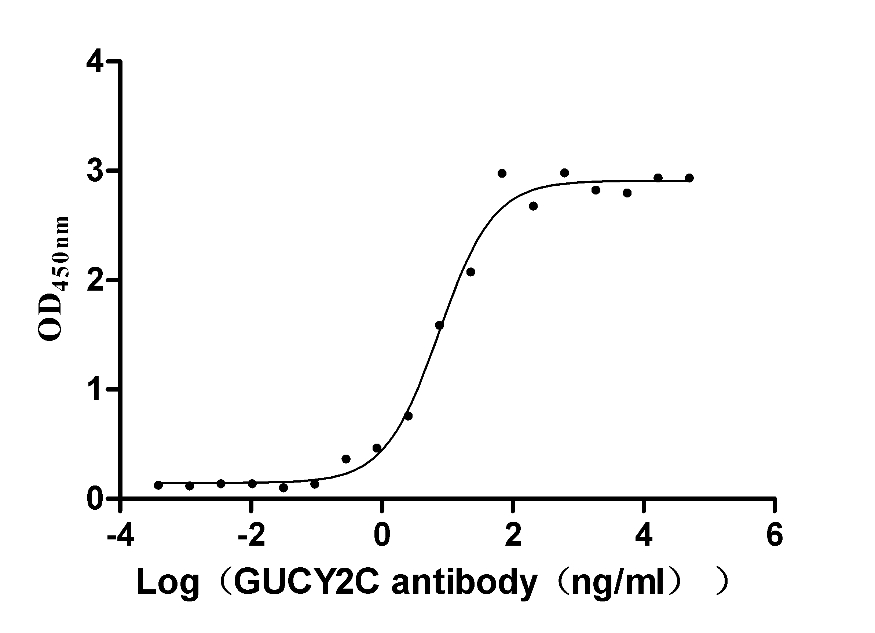
Recombinant Human Heat-stable enterotoxin receptor (GUCY2C), partial (Active)
Express system: Mammalian cell
Species: Homo sapiens (Human)
-
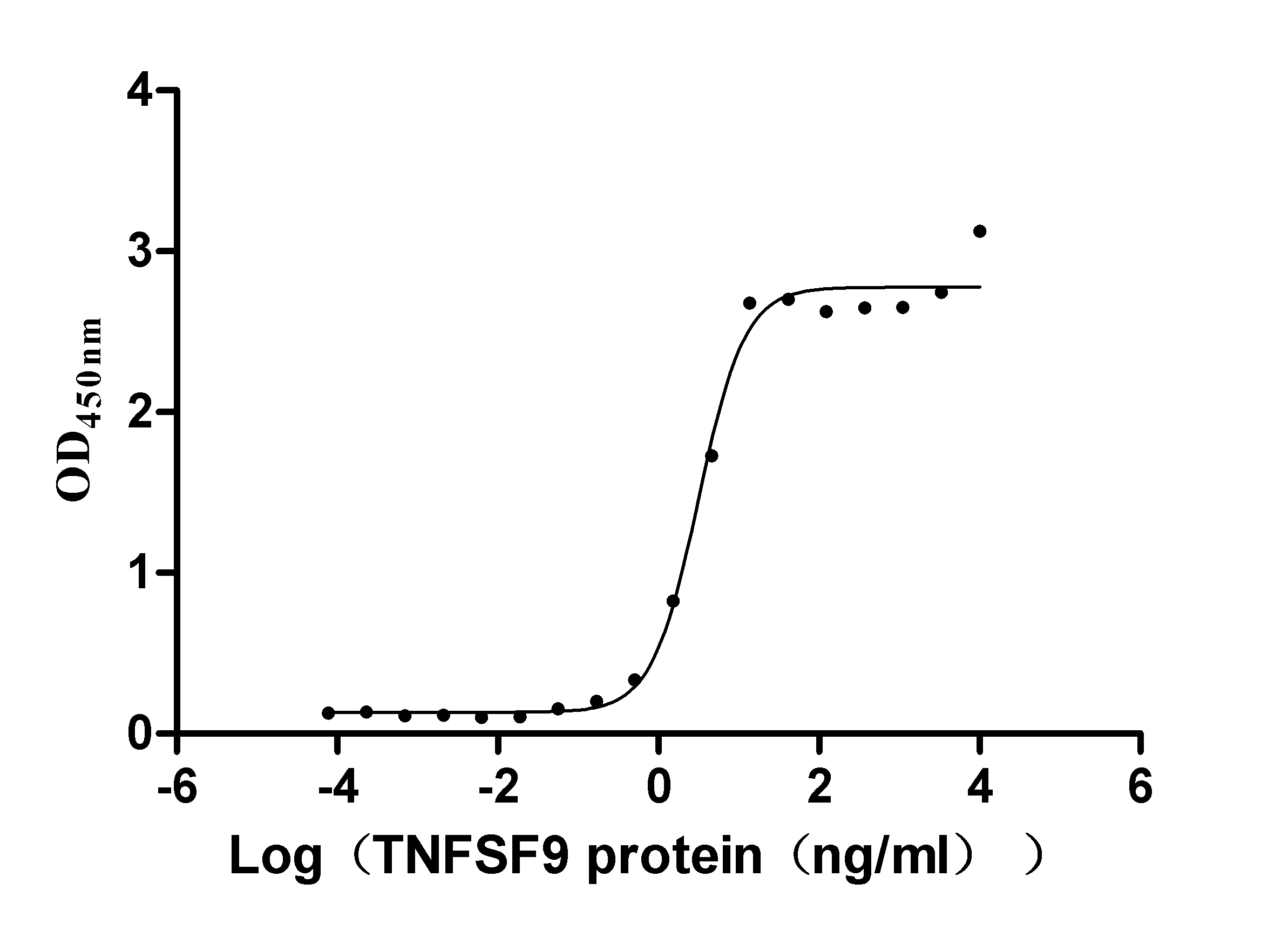
Recombinant Human Tumor necrosis factor ligand superfamily member 9 (TNFSF9), partial (Active)
Express system: Mammalian cell
Species: Homo sapiens (Human)
-
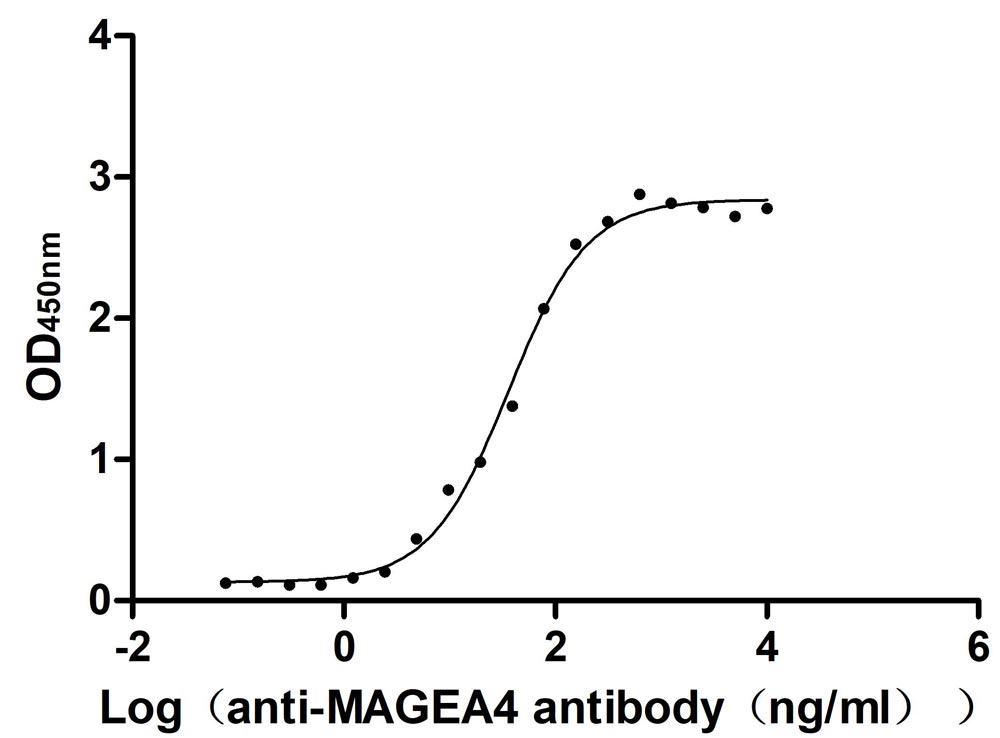
Recombinant Human Melanoma-associated antigen 4 (MAGEA4) (Active)
Express system: Mammalian cell
Species: Homo sapiens (Human)
-
-AC1.jpg)
Recombinant Human C-X-C chemokine receptor type 4 (CXCR4)-VLPs (Active)
Express system: Mammalian cell
Species: Homo sapiens (Human)
-
-AC5.jpg)
Recombinant Human Claudin-6 (CLDN6)-VLPs (Active)
Express system: Mammalian cell
Species: Homo sapiens (Human)
-
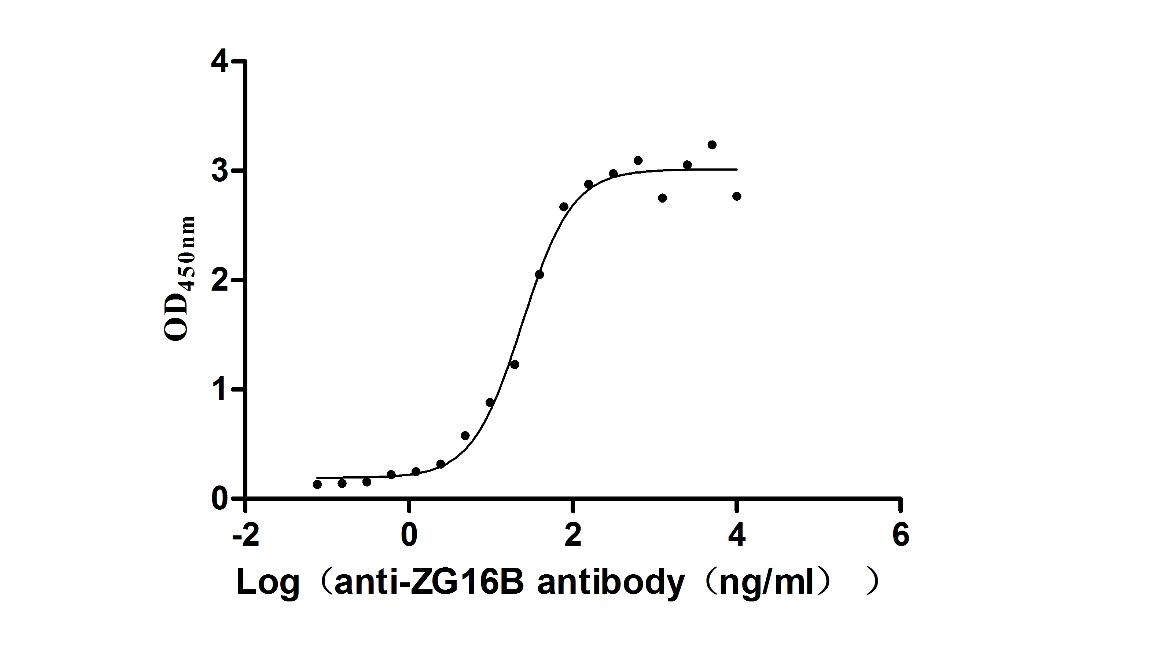
Recombinant Macaca fascicularis zymogen granule protein 16 homolog B (ZG16B) (Active)
Express system: Mammalian cell
Species: Macaca fascicularis (Crab-eating macaque) (Cynomolgus monkey)
-
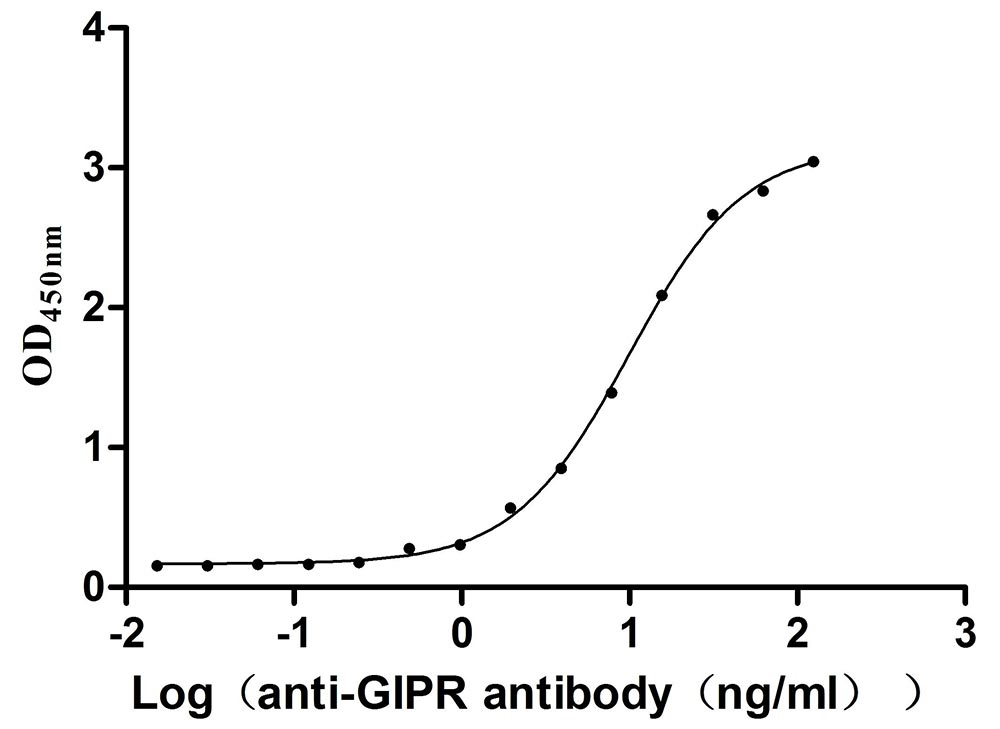
Recombinant Mouse Gastric inhibitory polypeptide receptor (Gipr), partial (Active)
Express system: Mammalian cell
Species: Mus musculus (Mouse)