
Recombinant Mouse Lumican (Lum)
-
中文名稱:小鼠Lum重組蛋白
-
貨號:CSB-YP013234MO
-
規格:
-
來源:Yeast
-
其他:
-
中文名稱:小鼠Lum重組蛋白
-
貨號:CSB-EP013234MO-B
-
規格:
-
來源:E.coli
-
共軛:Avi-tag Biotinylated
E. coli biotin ligase (BirA) is highly specific in covalently attaching biotin to the 15 amino acid AviTag peptide. This recombinant protein was biotinylated in vivo by AviTag-BirA technology, which method is BriA catalyzes amide linkage between the biotin and the specific lysine of the AviTag.
-
其他:
-
中文名稱:小鼠Lum重組蛋白
-
貨號:CSB-BP013234MO
-
規格:
-
來源:Baculovirus
-
其他:
-
中文名稱:小鼠Lum重組蛋白
-
貨號:CSB-MP013234MO
-
規格:
-
來源:Mammalian cell
-
其他:
產品詳情
-
純度:>85% (SDS-PAGE)
-
基因名:Lum
-
Uniprot No.:
-
別名:Lum; Lcn; Ldc; Lumican; Keratan sulfate proteoglycan lumican; KSPG lumican
-
種屬:Mus musculus (Mouse)
-
蛋白長度:Full Length of Mature Protein
-
表達區域:19-338
-
氨基酸序列QY YDYDIPLFMY GQISPNCAPE CNCPHSYPTA MYCDDLKLKS VPMVPPGIKY LYLRNNQIDH IDEKAFENVT DLQWLILDHN LLENSKIKGK VFSKLKQLKK LHINYNNLTE SVGPLPKSLQ DLQLTNNKIS KLGSFDGLVN LTFIYLQHNQ LKEDAVSASL KGLKSLEYLD LSFNQMSKLP AGLPTSLLTL YLDNNKISNI PDEYFKRFTG LQYLRLSHNE LADSGVPGNS FNISSLLELD LSYNKLKSIP TVNENLENYY LEVNELEKFD VKSFCKILGP LSYSKIKHLR LDGNPLTQSS LPPDMYECLR VANEITVN
-
蛋白標簽:Tag?type?will?be?determined?during?the?manufacturing?process.
The tag type will be determined during production process. If you have specified tag type, please tell us and we will develop the specified tag preferentially. -
產品提供形式:Lyophilized powder
Note: We will preferentially ship the format that we have in stock, however, if you have any special requirement for the format, please remark your requirement when placing the order, we will prepare according to your demand. -
復溶:We recommend that this vial be briefly centrifuged prior to opening to bring the contents to the bottom. Please reconstitute protein in deionized sterile water to a concentration of 0.1-1.0 mg/mL.We recommend to add 5-50% of glycerol (final concentration) and aliquot for long-term storage at -20℃/-80℃. Our default final concentration of glycerol is 50%. Customers could use it as reference.
-
儲存條件:Store at -20°C/-80°C upon receipt, aliquoting is necessary for mutiple use. Avoid repeated freeze-thaw cycles.
-
保質期:The shelf life is related to many factors, storage state, buffer ingredients, storage temperature and the stability of the protein itself.
Generally, the shelf life of liquid form is 6 months at -20°C/-80°C. The shelf life of lyophilized form is 12 months at -20°C/-80°C. -
貨期:Delivery time may differ from different purchasing way or location, please kindly consult your local distributors for specific delivery time.Note: All of our proteins are default shipped with normal blue ice packs, if you request to ship with dry ice, please communicate with us in advance and extra fees will be charged.
-
注意事項:Repeated freezing and thawing is not recommended. Store working aliquots at 4°C for up to one week.
-
Datasheet :Please contact us to get it.
產品評價

相關產品
靶點詳情
-
基因功能參考文獻:
- this study shows that Lum negatively regulates encephalitic TH17 cells, implicating a potential therapeutic pathway in TH17 cell mediated autoimmune and inflammatory diseases PMID: 27682997
- ectopic mutant lumican (L199P) may induce enlargement of axial lengths and abnormal structures and distributions of collagen fibrils in mouse sclera PMID: 27711221
- alternations of lumican might be implicated in the pathogenesis of cardiac fibrosis PMID: 27939890
- LUM may coordinate multiple factors of collagen assembly in the murine heart. PMID: 25886697
- Lumican and biglycan influence corneal keratocyte lamellipodia organization and are critical in the regulation of stromal collagen fibrillogenesis. PMID: 24447998
- Alterations in glycosylated lumican core protein might be implicated in myocardial remodeling and reverse remodeling, with a potential important role for CS/DS GAG chain-synthesizing enzymes. PMID: 23412898
- pro-inflammatory cytokine TNF-alpha was comparably low 24 hours after infection, but significantly higher in the Lum(-/-) compared to Lum(+/-) infected corneas by 2-5 days after infection PMID: 23358433
- lumican present in the reactive stroma surrounding prostate primary tumors plays a restrictive role on cancer progression PMID: 23399832
- To investigate the functional role of lumican in hepatic fibrosis, lumican null (Null) and wild-type (WT) littermates were administered carbon tetrachloride intra-peritoneally. Hepatic fibrosis was greatly reduced in null animals. PMID: 23007134
- lumican has a major protective role in gram-negative bacterial infections, a novel function for small leucine-rich repeat proteoglycans. PMID: 22865855
- deficiency combined with fibromodulin deficiency manifest several clinical features or Ehlers-Danlos syndrome PMID: 12089156
- The results indicate that the cysteine-rich domain of lumican is important in collagen fibrillogenesis and stromal matrix assembly PMID: 12381269
- the posterior stroma of the cornea, which is most vulnerable to lumican-deficiency, demonstrates an early developmental defect in fibril structure and architecture in the Lum-/- genotype PMID: 16786597
- a novel role for lumican in the presentation of bacterial lipopolysaccharide to CD14 and host response to this bacterial endotoxin. PMID: 17616530
- Lumican is identified as a novel regulator of angiogenesis. PMID: 17632767
- Homologous sequence in lumican and fibromodulin leucine-rich repeat 5-7 competes for collagen binding. PMID: 19008226
顯示更多
收起更多
-
亞細胞定位:Secreted, extracellular space, extracellular matrix.
-
蛋白家族:Small leucine-rich proteoglycan (SLRP) family, SLRP class II subfamily
-
組織特異性:Cornea and other tissues.
-
數據庫鏈接:
Most popular with customers
-
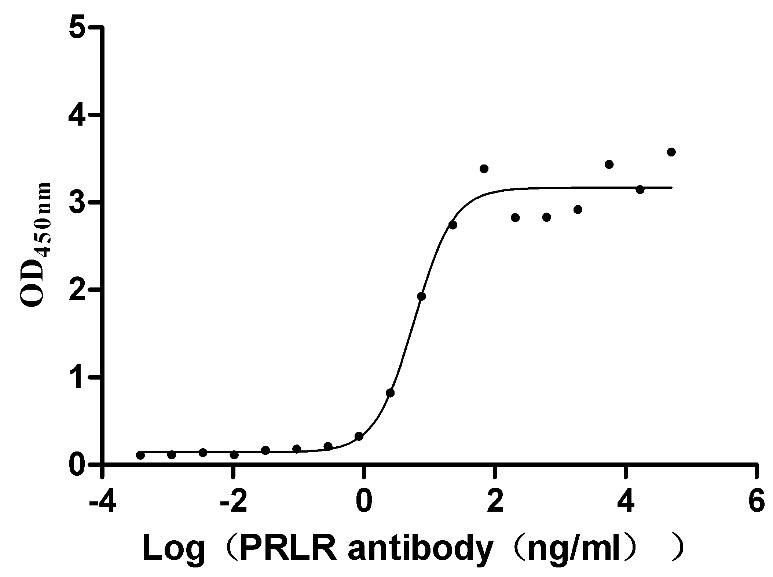
Recombinant Mouse Prolactin receptor (Prlr), partial (Active)
Express system: Mammalian cell
Species: Mus musculus (Mouse)
-
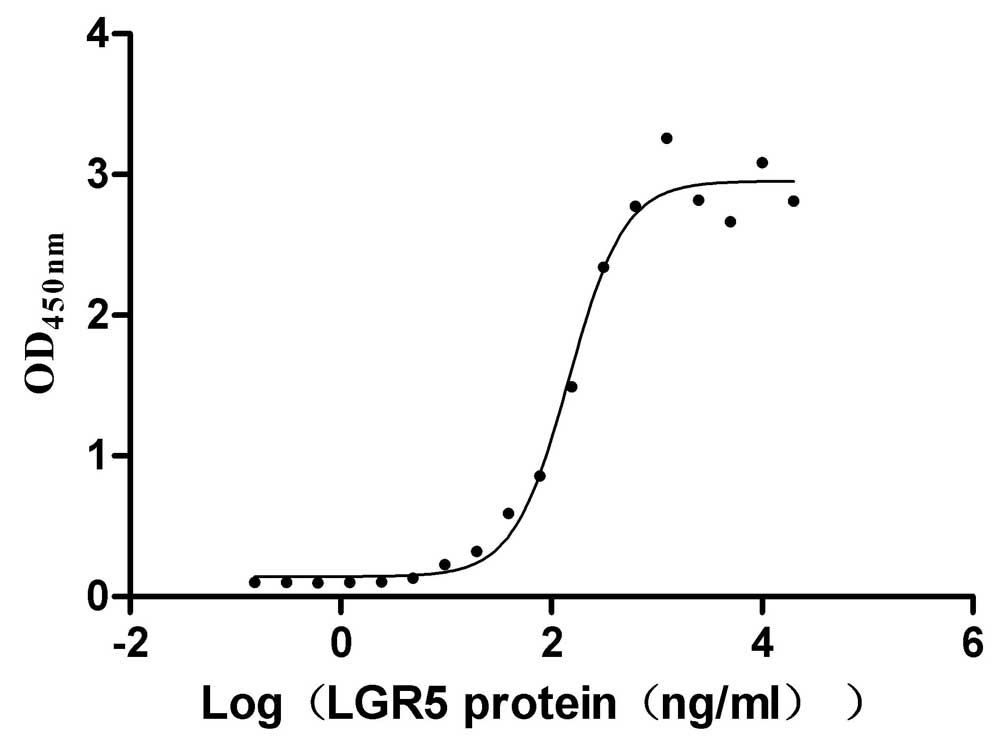
Recombinant Human R-spondin-1 (RSPO1), partial (Active)
Express system: Mammalian cell
Species: Homo sapiens (Human)
-
-AC1.jpg)
Recombinant Mouse Claudin-18.2 (Cldn18.2)-VLPs (Active)
Express system: Mammalian cell
Species: Mus musculus (Mouse)
-
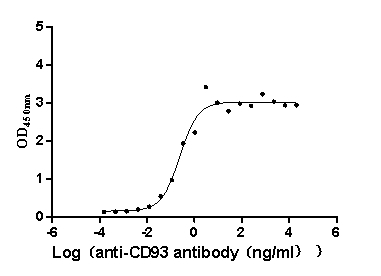
Recombinant Macaca fascicularis CD93 molecule (CD93), partial (Active)
Express system: Mammalian cell
Species: Macaca fascicularis (Crab-eating macaque) (Cynomolgus monkey)
-
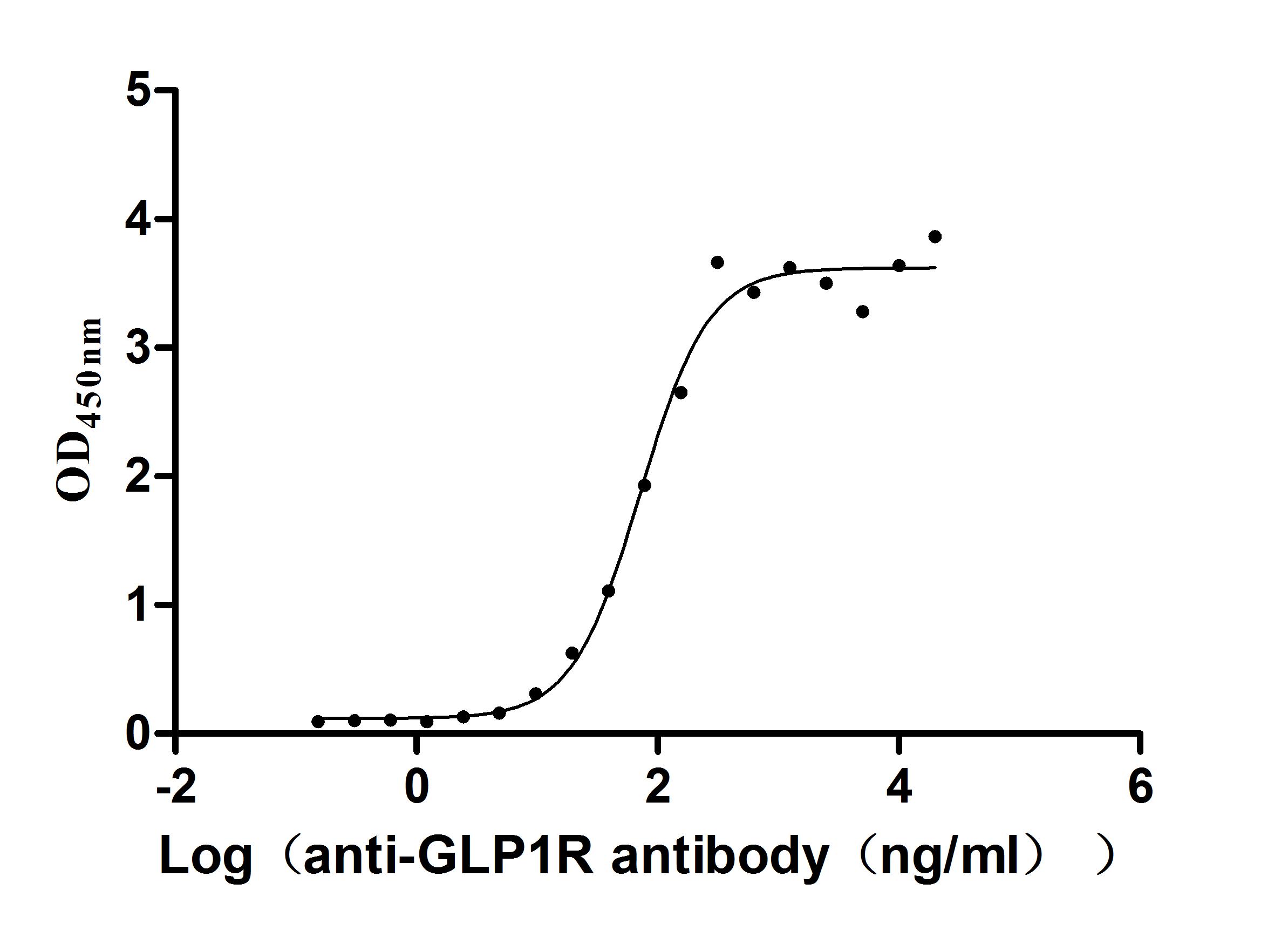
Recombinant Human Glucagon-like peptide 1 receptor (GLP1R), partial (Active)
Express system: Mammalian cell
Species: Homo sapiens (Human)
-
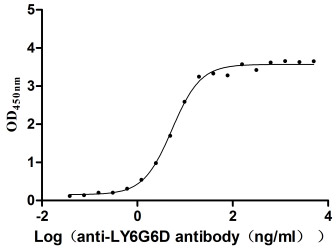
Recombinant Macaca fascicularis lymphocyte antigen 6 family member G6D (LY6G6D) (Active)
Express system: Yeast
Species: Macaca fascicularis (Crab-eating macaque) (Cynomolgus monkey)
-
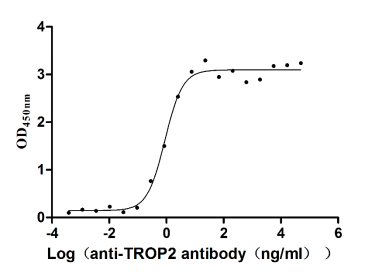
Recombinant Human Tumor-associated calcium signal transducer 2 (TACSTD2), partial (Active)
Express system: Mammalian cell
Species: Homo sapiens (Human)
-
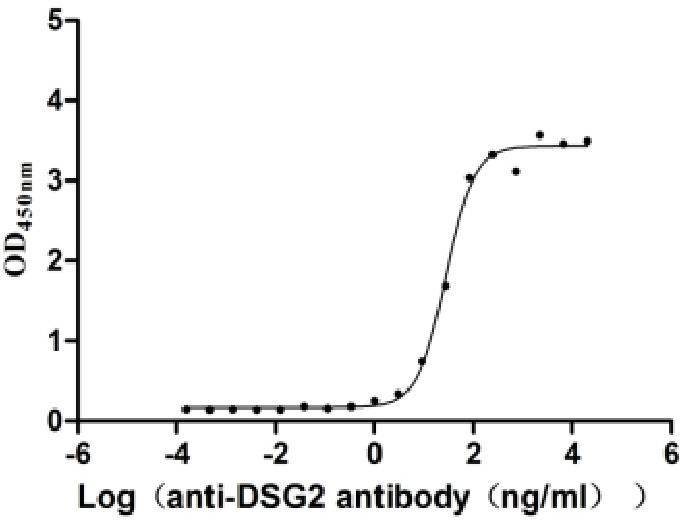
Recombinant Human Desmoglein-2 (DSG2), partial (Active)
Express system: Mammalian cell
Species: Homo sapiens (Human)