Recombinant Mouse Linker for activation of T-cells family member 1 (Lat), partial
-
中文名稱:小鼠Lat重組蛋白
-
貨號:CSB-YP012767MO1
-
規格:
-
來源:Yeast
-
其他:
-
中文名稱:小鼠Lat重組蛋白
-
貨號:CSB-EP012767MO1
-
規格:
-
來源:E.coli
-
其他:
-
中文名稱:小鼠Lat重組蛋白
-
貨號:CSB-EP012767MO1-B
-
規格:
-
來源:E.coli
-
共軛:Avi-tag Biotinylated
E. coli biotin ligase (BirA) is highly specific in covalently attaching biotin to the 15 amino acid AviTag peptide. This recombinant protein was biotinylated in vivo by AviTag-BirA technology, which method is BriA catalyzes amide linkage between the biotin and the specific lysine of the AviTag.
-
其他:
-
中文名稱:小鼠Lat重組蛋白
-
貨號:CSB-BP012767MO1
-
規格:
-
來源:Baculovirus
-
其他:
-
中文名稱:小鼠Lat重組蛋白
-
貨號:CSB-MP012767MO1
-
規格:
-
來源:Mammalian cell
-
其他:
產品詳情
-
純度:>85% (SDS-PAGE)
-
基因名:
-
Uniprot No.:
-
別名:Lat; Linker for activation of T-cells family member 1; 36 kDa phospho-tyrosine adapter protein; pp36; p36-38
-
種屬:Mus musculus (Mouse)
-
蛋白長度:Partial
-
蛋白標簽:Tag?type?will?be?determined?during?the?manufacturing?process.
The tag type will be determined during production process. If you have specified tag type, please tell us and we will develop the specified tag preferentially. -
產品提供形式:Lyophilized powder
Note: We will preferentially ship the format that we have in stock, however, if you have any special requirement for the format, please remark your requirement when placing the order, we will prepare according to your demand. -
復溶:We recommend that this vial be briefly centrifuged prior to opening to bring the contents to the bottom. Please reconstitute protein in deionized sterile water to a concentration of 0.1-1.0 mg/mL.We recommend to add 5-50% of glycerol (final concentration) and aliquot for long-term storage at -20℃/-80℃. Our default final concentration of glycerol is 50%. Customers could use it as reference.
-
儲存條件:Store at -20°C/-80°C upon receipt, aliquoting is necessary for mutiple use. Avoid repeated freeze-thaw cycles.
-
保質期:The shelf life is related to many factors, storage state, buffer ingredients, storage temperature and the stability of the protein itself.
Generally, the shelf life of liquid form is 6 months at -20°C/-80°C. The shelf life of lyophilized form is 12 months at -20°C/-80°C. -
貨期:Delivery time may differ from different purchasing way or location, please kindly consult your local distributors for specific delivery time.Note: All of our proteins are default shipped with normal blue ice packs, if you request to ship with dry ice, please communicate with us in advance and extra fees will be charged.
-
注意事項:Repeated freezing and thawing is not recommended. Store working aliquots at 4°C for up to one week.
-
Datasheet :Please contact us to get it.
產品評價

相關產品
靶點詳情
-
功能:Required for TCR (T-cell antigen receptor)- and pre-TCR-mediated signaling, both in mature T-cells and during their development. Involved in FCGR3 (low affinity immunoglobulin gamma Fc region receptor III)-mediated signaling in natural killer cells and FCER1 (high affinity immunoglobulin epsilon receptor)-mediated signaling in mast cells. Couples activation of these receptors and their associated kinases with distal intracellular events such as mobilization of intracellular calcium stores, PKC activation, MAPK activation or cytoskeletal reorganization through the recruitment of PLCG1, GRB2, GRAP2, and other signaling molecules.
-
基因功能參考文獻:
- LatY136F knock-in mice displayed increased production of Th2-type IgG1 (a homologue of human IgG4) and developed multiple organ tissue lesions reminiscent of those seen in patients with of immunoglobulin G4-related disease (IgG4-RD). The development of these tissue lesions was highly sensitive to corticosteroid treatment like in IgG4-RD. LatY136F knock-in mouse strain represents a promising model for human IgG4-RD. PMID: 29902238
- this study shows that the site-specific delivery of linker for activation of T cells (LAT) in asthmatic mouse model PMID: 28063403
- IFT20 is required for the delivery of the intracellular pool of LAT to the immune synapse in naive primary T lymphocytes. PMID: 26715756
- provide evidence that CD28 and the TCR complex regulate NF-kappaB via different signaling modules of GRB-2/VAV1 and LAT/ADAP pathways respectively. PMID: 25455592
- low level of LAT-PLC-gamma1 interaction was associated with Th2 polarized differentiation, and this may contribute to the etiology of asthma. PMID: 24978613
- These results suggest that proteasome-mediated degradation is involved in hypophosphorylated LAT and PLCgamma1 in Dow2-induced anergic T cells. The novel CD3-specific Ab, Dow2, may provide us with a unique tool for inducing immunosuppression PMID: 24595757
- Sos1 has distinct roles in acting as a scaffold to oligomerize the adaptor protein LAT, and in guanine nucleotide exchange activity PMID: 24222714
- this analysis identified 65 proteins not associated before with the Zap70-Lat-SLP-76 network and thus should provide cues for future functional experiments. PMID: 24584089
- Data suggest that transmembrane adaptor protein LAT-PLCgamma1 (Phospholipase C gamma 1) signaling may function differently in various subsets of gammadelta T cells. PMID: 24523509
- chemotaxis toward antigen is controlled in mast cells by a cross-talk among FcepsilonRI, tetraspanin CD9, transmembrane adaptor proteins NTAL and LAT, and cytoskeleton-regulatory proteins of the ERM family PMID: 23443658
- LAT-mediated signaling is essential for the continuous expansion of CD8 T cells during T cell priming, but is not required for contraction and memory maintenance of CD8 T cells. PMID: 23401587
- The lymphoproliferative disease observed in LAT-Y136F mutant mice is at least partially dependent on hyperactivation of Ras. PMID: 23209318
- our data suggest that LAT acts as a positive regulator of RANKL-induced osteoclastogenesis. PMID: 22382685
- LAT-deficient CTLs failed to upregulate FasL and produce gamma interferon after engagement with target cells and had impaired granule-mediated killing. PMID: 22566687
- PECAM-1-mediated inhibition of GPVI-dependent platelet responses result from recruitment of SHP-2-p85 complexes to tyrosine-phosphorylated PECAM-1, which diminishes the association of PI3K with activatory signaling molecules Gab1 and LAT PMID: 20723025
- Data implicate that LAT has positive and negative roles in the regulation of mature T cells. PMID: 20837489
- While SLP-76 and LAT1 depend on each other for many of their functions, LAT2/SLP-76 interactions and SLP-76-independent LAT1 functions also mediate a positive signaling pathway downstream of FcepsilonRI in mast cells. PMID: 20606011
- mouse models revealed that LAT constitutes more than just a positive regulator of TCR signaling and plays a negative regulatory role that contributes to terminate antigen-driven T cell responses [Review] PMID: 20107804
- Data indicate that the binding of LAT to PLC-gamma1 is essential for the suppressive function of CD4(+)CD25(+) regulatory T cells. PMID: 20130215
- Data show that In quiescent T cells, both TCR and Lat existed in separate membrane domains (protein islands), and these domains concatenated after T cell activation. PMID: 20010844
- LAT is required for signaling via the T cell antigen receptor (TCR) PMID: 11901197
- inhibitory function for LAT that is critical for the differentiation and homeostasis of TH cells PMID: 12065839
- critical role for integrated PLC-gamma1 and Ras-Erk signaling through LAT in T cell development and homeostasis PMID: 12065840
- LAT colocalizes with 2B4 in glycolipid-enriched microdomains of the plasma membrane, is a required intermediate for 2B4 signal transduction, and plays a role in 2B4-mediated cytotoxicity. PMID: 12077228
- adaptor proteins LAT and SLP-76 are involved in pre-BCR signaling, thereby rescuing arrested murine SLP-65(-/-) pre-B cells PMID: 12932362
- The four distal tyrosines of this protein are required for signaling in FcepsilonRI-mediated mast cell activation. PMID: 12953098
- LAT is an essential regulator of T cell homeostasis and terminal differentiation. PMID: 12970761
- Vav1 transduces TCR signals to Ras by controlling recruitment of RasGRP1 to the membrane and recruitment of Sos1 and -2 to the transmembrane adapter protein LAT. PMID: 14764585
- LAT controls its own recruitment at the immune synapse, where it is required as a scaffold protein for the signalling machinery. PMID: 14996932
- LAT tyrosines differentially contribute to exocytosis and cytokine secretion and differentially regulate biological responses of mucosal- and serosal-type mast cells. PMID: 15470052
- The Lat does not completely ablate mast cells responsiveness. PMID: 15745852
- Mutation of the phospholipase C-gamma1-binding site of LAT affects both positive and negative thymocyte selection. PMID: 15795236
- Role of LAT in the development and function T cells. Review. PMID: 16102570
- mouse LAT mutant lacking palmitoylation was unstable and susceptible to degradation via the proteasome pathway. PMID: 16460687
- Polyclonal B cell activation in Lat(Y136F) mutant mice is not due to a direct (intrinsic) effect of the Lat mutation on B cells but indirectly results from the presence of CD4 Th2 effector cells. PMID: 16887989
- LAT mediates immunoglobulin E-induced sustained Erk activation critical for mast cell survival. PMID: 17420272
- activation of phospholipase C gamma 2 via glycoprotein 6 is dependent on 2 complementary events PMID: 17579183
- Despite the presence of autoantibodies causative of severe systemic disease, the pathological conditions observed in Lat(Y136F) mice unfold in an Ag-independent manner and thus do not qualify as a genuine autoimmune disorder. PMID: 18209052
- Overexpression of either Sp1 or full-length Sp3 was shown to augment LAT promoter activity, while siRNA-mediated knockdown of each transcription factor was demonstrated to have an inhibitory effect. PMID: 18343609
- GPVI-FcR gamma-chain, LAT and PLCgamma2 are essential for thrombus generation and stability PMID: 18464161
- These data show that natural killer cell immunoreceptor tyrosine-based activation motifs preferentially use a signaling cassette regulated by interplay between LAT and LAB. PMID: 18645037
- Gads plays a key role in linking the adapter LAT to SLP-76 in response to weak activation of GPVI and CLEC-2 whereas LAT is required for full activation over a wider range of agonist concentrations. PMID: 18826392
- Deletion of the STAT6 transcription factor converts the fulminant T helper(Th)2 cell lymphoproliferative disorder that characterizes LatY136F mice into a fast-onset lymphoproliferative disorder dominated by competent Th1 effectors and CD8 T cells. PMID: 19234162
- Supplementation with vitamin E eliminates the age-related differences in LAT phosphorylation in T cells from young and old. PMID: 19403707
- Results identify novel functions for both CD8 and LAT during CD8-mediated apoptosis that are independent of TCR signal transduction and suggest a mechanism for signal transduction leading to apoptosis upon CD8 crosslinking. PMID: 19449311
- LAT palmitoylation functions primarily as a sorting signal required for its plasma membrane transport PMID: 19592663
- Data show that Erk activation was diminished in LAT knock-in Bam32 knockout CD4(+) T cells. PMID: 19667175
- The fact that such LAT-independent signals result in lymphoproliferative disorders with excessive cytokine production demonstrates that LAT constitutes a key negative regulator of the triggering module. PMID: 19682930
- Results demonstrate a combined requirement for FcgammaRIII and FcgammaRIV in autoimmune injury, and identify the linker for activation of T cells adaptor as an integral component of linked FcgammaR and C5a activation to generate inflammation. PMID: 19795417
顯示更多
收起更多
-
亞細胞定位:Cell membrane; Single-pass type III membrane protein. Note=Present in lipid rafts.
-
組織特異性:Expressed in T-cells and mast cells.
-
數據庫鏈接:
Most popular with customers
-
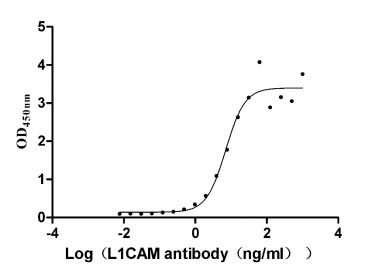
Recombinant Human Neural cell adhesion molecule L1 (L1CAM), partial (Active)
Express system: Mammalian cell
Species: Homo sapiens (Human)
-
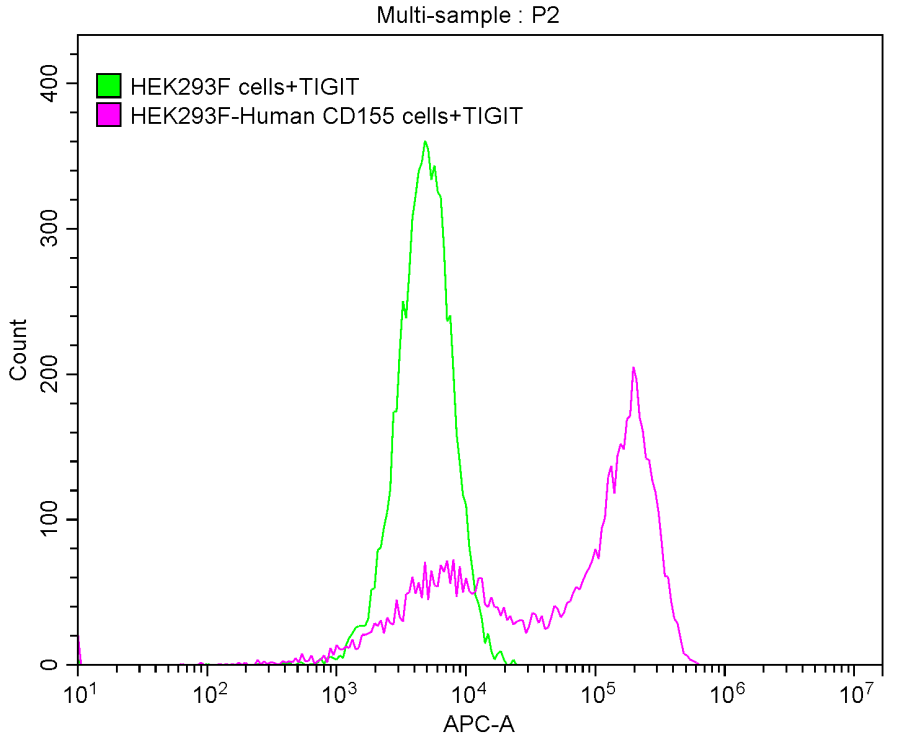
Recombinant Human T-cell immunoreceptor with Ig and ITIM domains (TIGIT), partial (Active)
Express system: Mammalian cell
Species: Homo sapiens (Human)
-
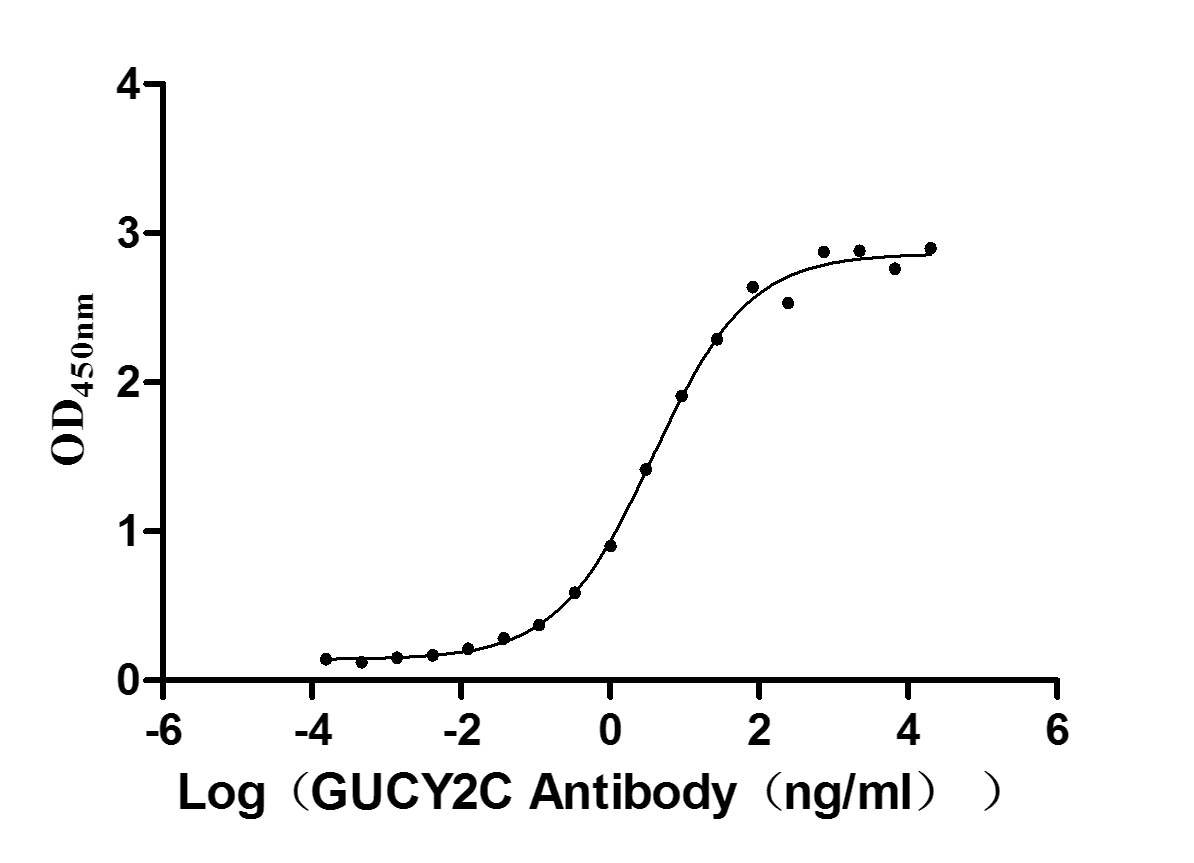
Recombinant Human Heat-stable enterotoxin receptor (GUCY2C), partial (Active)
Express system: Mammalian cell
Species: Homo sapiens (Human)
-
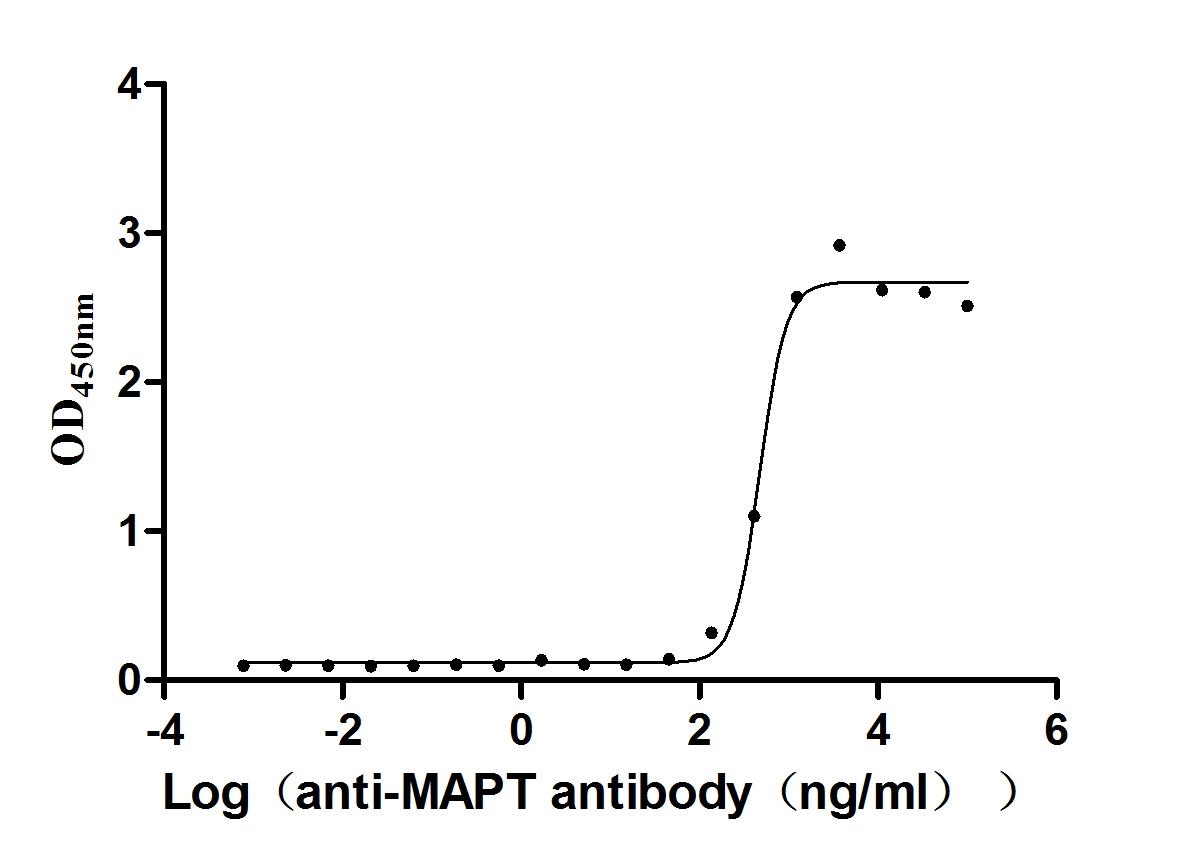
Recombinant Mouse Microtubule-associated protein tau (Mapt) (Active)
Express system: Mammalian cell
Species: Mus musculus (Mouse)
-
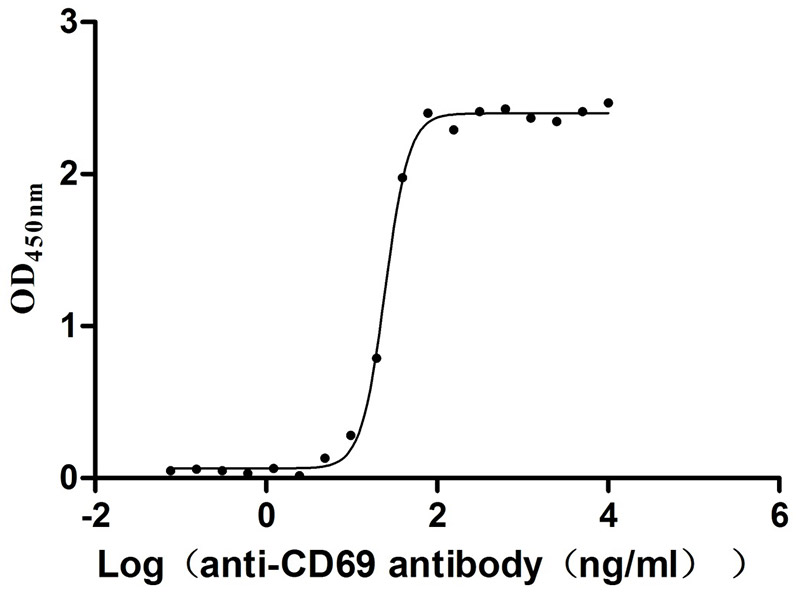
Recombinant Human Early activation antigen CD69 (CD69), partial (Active)
Express system: Mammalian cell
Species: Homo sapiens (Human)