
Recombinant Mouse Glutaryl-CoA dehydrogenase, mitochondrial (Gcdh)
-
中文名稱(chēng):小鼠Gcdh重組蛋白
-
貨號(hào):CSB-YP733706MO
-
規(guī)格:
-
來(lái)源:Yeast
-
其他:
-
中文名稱(chēng):小鼠Gcdh重組蛋白
-
貨號(hào):CSB-EP733706MO
-
規(guī)格:
-
來(lái)源:E.coli
-
其他:
-
中文名稱(chēng):小鼠Gcdh重組蛋白
-
貨號(hào):CSB-EP733706MO-B
-
規(guī)格:
-
來(lái)源:E.coli
-
共軛:Avi-tag Biotinylated
E. coli biotin ligase (BirA) is highly specific in covalently attaching biotin to the 15 amino acid AviTag peptide. This recombinant protein was biotinylated in vivo by AviTag-BirA technology, which method is BriA catalyzes amide linkage between the biotin and the specific lysine of the AviTag.
-
其他:
-
中文名稱(chēng):小鼠Gcdh重組蛋白
-
貨號(hào):CSB-BP733706MO
-
規(guī)格:
-
來(lái)源:Baculovirus
-
其他:
-
中文名稱(chēng):小鼠Gcdh重組蛋白
-
貨號(hào):CSB-MP733706MO
-
規(guī)格:
-
來(lái)源:Mammalian cell
-
其他:
產(chǎn)品詳情
-
純度:>85% (SDS-PAGE)
-
基因名:Gcdh
-
Uniprot No.:
-
別名:Gcdh; Glutaryl-CoA dehydrogenase; mitochondrial; GCD; EC 1.3.8.6
-
種屬:Mus musculus (Mouse)
-
蛋白長(zhǎng)度:Full Length of Mature Protein
-
表達(dá)區(qū)域:45-438
-
氨基酸序列RPVFDW KDPLILEEQL TADEKLIRDT FRNYCQERLM SRILLANRNE VFHRDIVYEM GELGVLGPTI KGYGCAGVSS VAYGLLTREL ERVDSGYRSM MSVQSSLVMH PIYTYGSEEQ RQKYLPGLAK GELLGCFGLT EPNHGSDPGG METRARHNPS NQSYTLSGTK TWITNSPVAD LFIVWARCED NCIRGFILEK GMRGLSAPRI EGKFSLRASA TGMIIMDSVE VPEENVLPNV SSLAGPFGCL NTARYGITWG VLGAAEFCLH TARQYALDRI QFGVPLARNQ LVQKKLADML TEITLGLHAC LQLGRLKDQD KATPEMVSML KRNNCGKALD IARQARDILG GNGISDEYHV IRHAMNLEAV NTYEGTHDIH ALILGRAITG IQAFTVGK
-
蛋白標(biāo)簽:Tag?type?will?be?determined?during?the?manufacturing?process.
The tag type will be determined during production process. If you have specified tag type, please tell us and we will develop the specified tag preferentially. -
產(chǎn)品提供形式:Lyophilized powder
Note: We will preferentially ship the format that we have in stock, however, if you have any special requirement for the format, please remark your requirement when placing the order, we will prepare according to your demand. -
復(fù)溶:We recommend that this vial be briefly centrifuged prior to opening to bring the contents to the bottom. Please reconstitute protein in deionized sterile water to a concentration of 0.1-1.0 mg/mL.We recommend to add 5-50% of glycerol (final concentration) and aliquot for long-term storage at -20℃/-80℃. Our default final concentration of glycerol is 50%. Customers could use it as reference.
-
儲(chǔ)存條件:Store at -20°C/-80°C upon receipt, aliquoting is necessary for mutiple use. Avoid repeated freeze-thaw cycles.
-
保質(zhì)期:The shelf life is related to many factors, storage state, buffer ingredients, storage temperature and the stability of the protein itself.
Generally, the shelf life of liquid form is 6 months at -20°C/-80°C. The shelf life of lyophilized form is 12 months at -20°C/-80°C. -
貨期:Delivery time may differ from different purchasing way or location, please kindly consult your local distributors for specific delivery time.Note: All of our proteins are default shipped with normal blue ice packs, if you request to ship with dry ice, please communicate with us in advance and extra fees will be charged.
-
注意事項(xiàng):Repeated freezing and thawing is not recommended. Store working aliquots at 4°C for up to one week.
-
Datasheet :Please contact us to get it.
產(chǎn)品評(píng)價(jià)

靶點(diǎn)詳情
-
功能:Catalyzes the oxidative decarboxylation of glutaryl-CoA to crotonyl-CoA and CO(2) in the degradative pathway of L-lysine, L-hydroxylysine, and L-tryptophan metabolism. It uses electron transfer flavoprotein as its electron acceptor.
-
基因功能參考文獻(xiàn):
- The present data indicate that QA significantly contributes to the histopathological changes observed in the striatum of Gcdh-/- mice. PMID: 29235064
- Quinolinic acid increased lactate release in both Gcdh (+/+) and Gcdh (-/-) mice and reduced the activities of complex IV and creatine kinase only in the striatum of Gcdh (-/-) mice. PMID: 26607633
- Using an experimental model with a phenotype similar to that of GA-I in humans-the Gcdh(-/-) mice under high lysine diet (Gcdh(-/-) -Lys)-we provide evidence that a reduction in cortical inhibition of Gcdh(-/-) -Lys mice, probably induced by GAD dysfunction, leads to hyperexcitability and increased slow oscillations associated with neurologic abnormalities in glutaric academia type I. PMID: 28762469
- The data of this study indicate higher susceptibility of Gcdh(-/-) mice to excitotoxic damage. PMID: 26671102
- GCDH-defective astrocytes actively contribute to produce and accumulate GA and 3HGA when Lys catabolism is stressed PMID: 25968119
- L-pipecolate is a major degradation product from L-lysine in murine brain generated by alpha-deamination of this amino acid in Gcdh-deficient mouse model for glutaric aciduria type I. PMID: 25214427
- Data show that glutaryl-Coenzyme A dehydrogenase Gcdh(-/-) knockout mice display elevated levels of glutaric acid (GA) and 3-hydroxyglutaric acid (3-OHGA) but do not spontaneously develop striatal lesions. PMID: 25558815
- These results provide evidence that glutamate receptor and transporter expression is higher in Gcdh-/- mice. PMID: 24594605
- bioenergetic impairment may play an important role in the pathomechanisms underlying neurodegenerative changes in glutaryl-CoA dehydrogenase deficiency PMID: 15840571
- Data show that pathologic events in glutaryl-CoA dehydrogenase-deficient mice/glutaric acidemia type I begin in neurons while lysine accumulation in the immature brain allows increased glutaric acid production and age-dependent injury. PMID: 17932566
顯示更多
收起更多
-
亞細(xì)胞定位:Mitochondrion matrix.
-
蛋白家族:Acyl-CoA dehydrogenase family
-
數(shù)據(jù)庫(kù)鏈接:
Most popular with customers
-
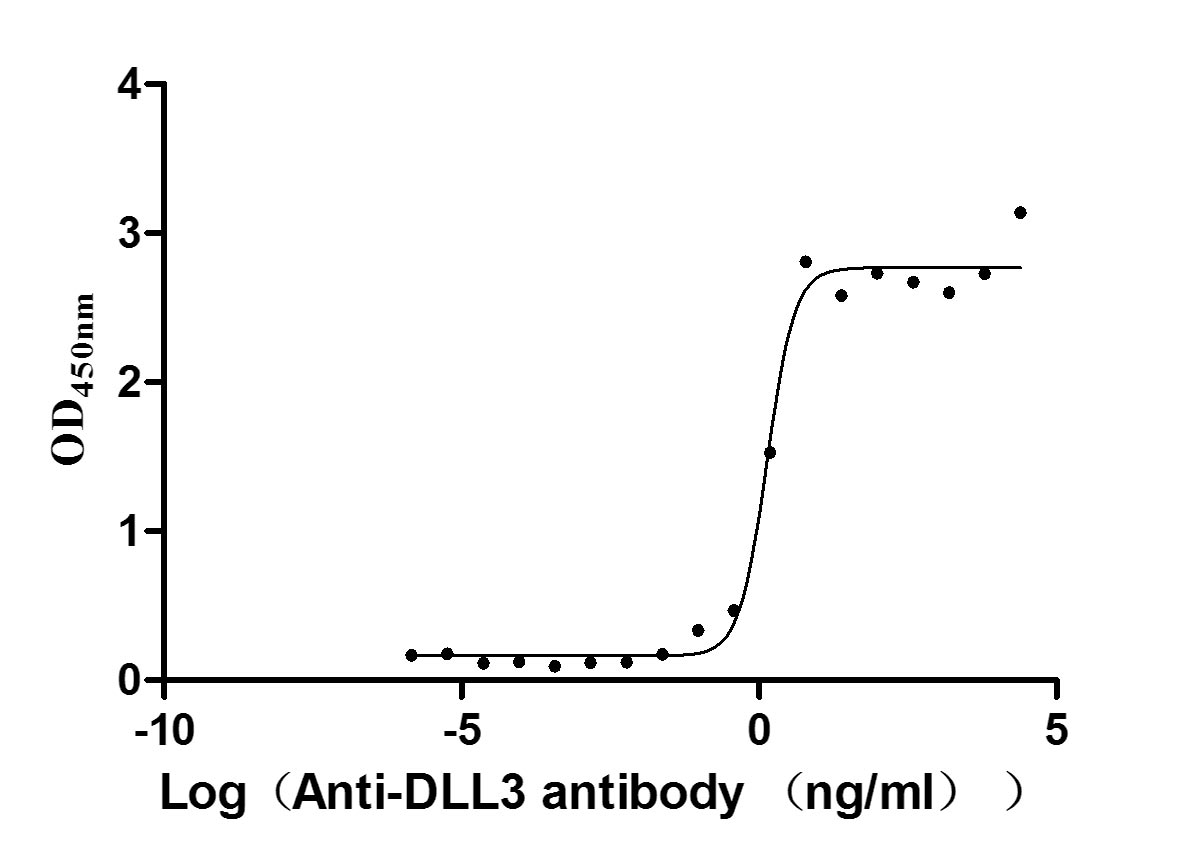
Recombinant Human Delta-like protein 3 (DLL3), partial (Active)
Express system: Mammalian cell
Species: Homo sapiens (Human)
-
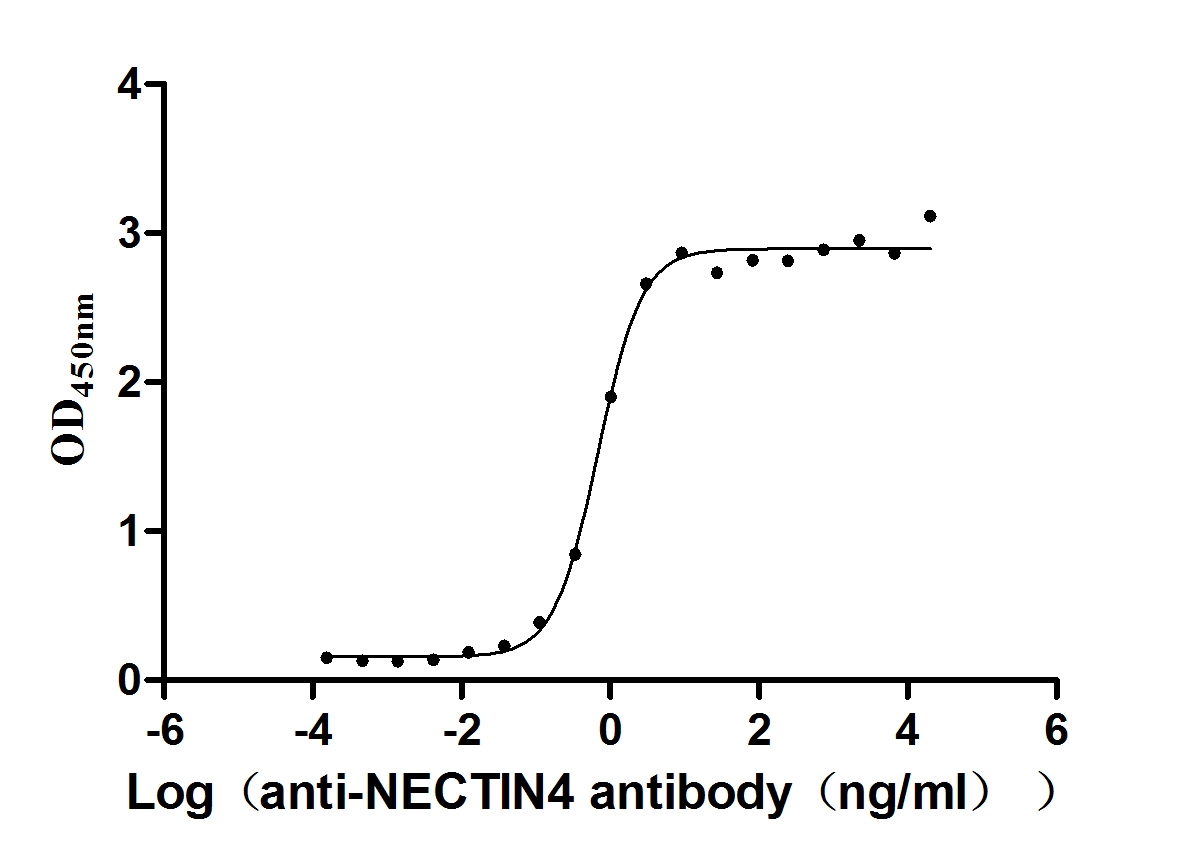
Recombinant Human Nectin-4 (NECTIN4), partial (Active)
Express system: Mammalian cell
Species: Homo sapiens (Human)
-
-AC1.jpg)
Recombinant Human T-cell surface protein tactile (CD96), partial (Active)
Express system: Mammalian cell
Species: Homo sapiens (Human)
-
-AC1.jpg)
Recombinant Human Claudin-18.2 (CLDN18.2)-VLPs (Active)
Express system: Mammalian cell
Species: Homo sapiens (Human)
-
-AC1.jpg)
Recombinant Human Dickkopf-related protein 1 (DKK1) (Active)
Express system: Mammalian cell
Species: Homo sapiens (Human)
-
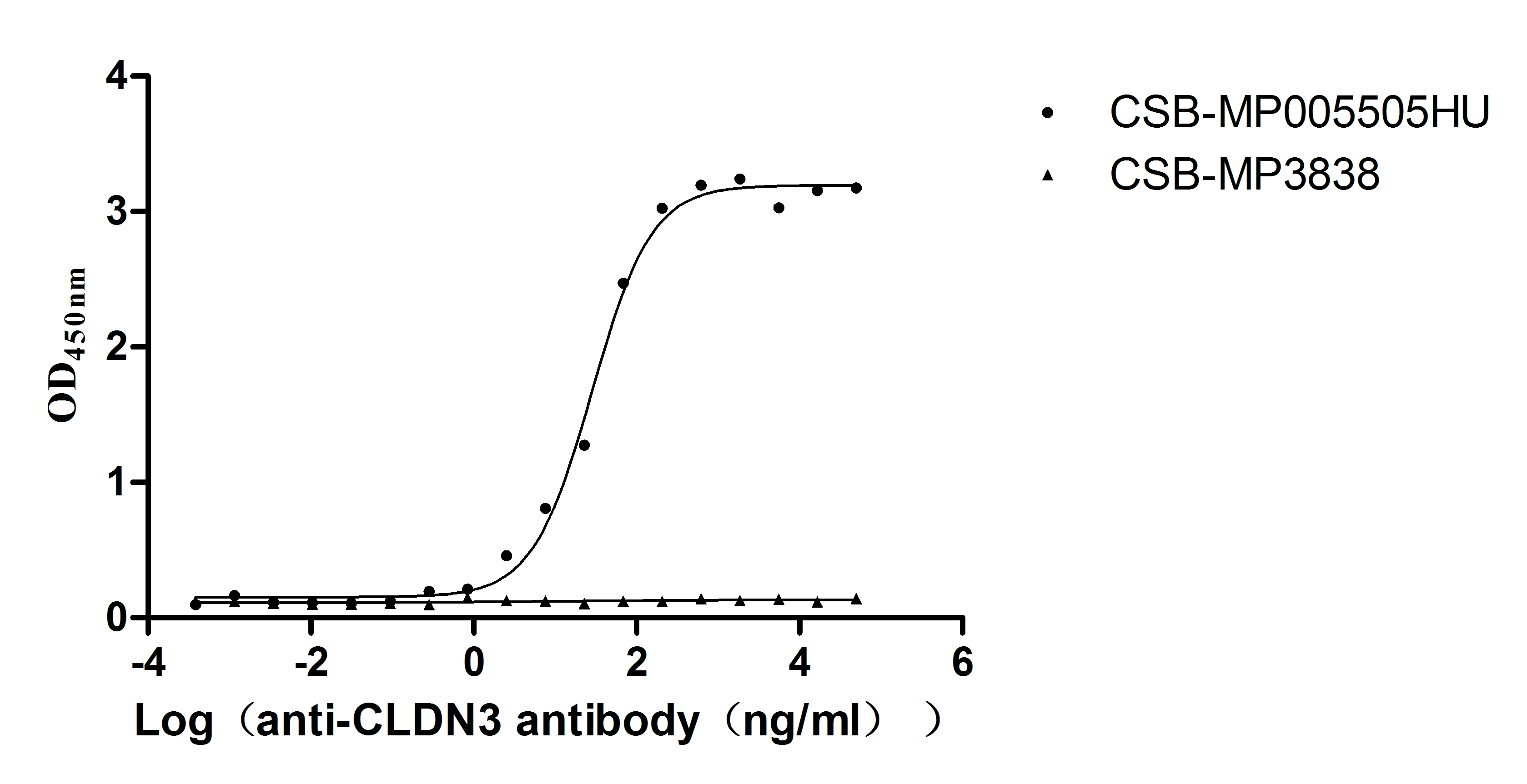
Recombinant Human Claudin-3 (CLDN3)-VLPs (Active)
Express system: Mammalian cell
Species: Homo sapiens (Human)
-
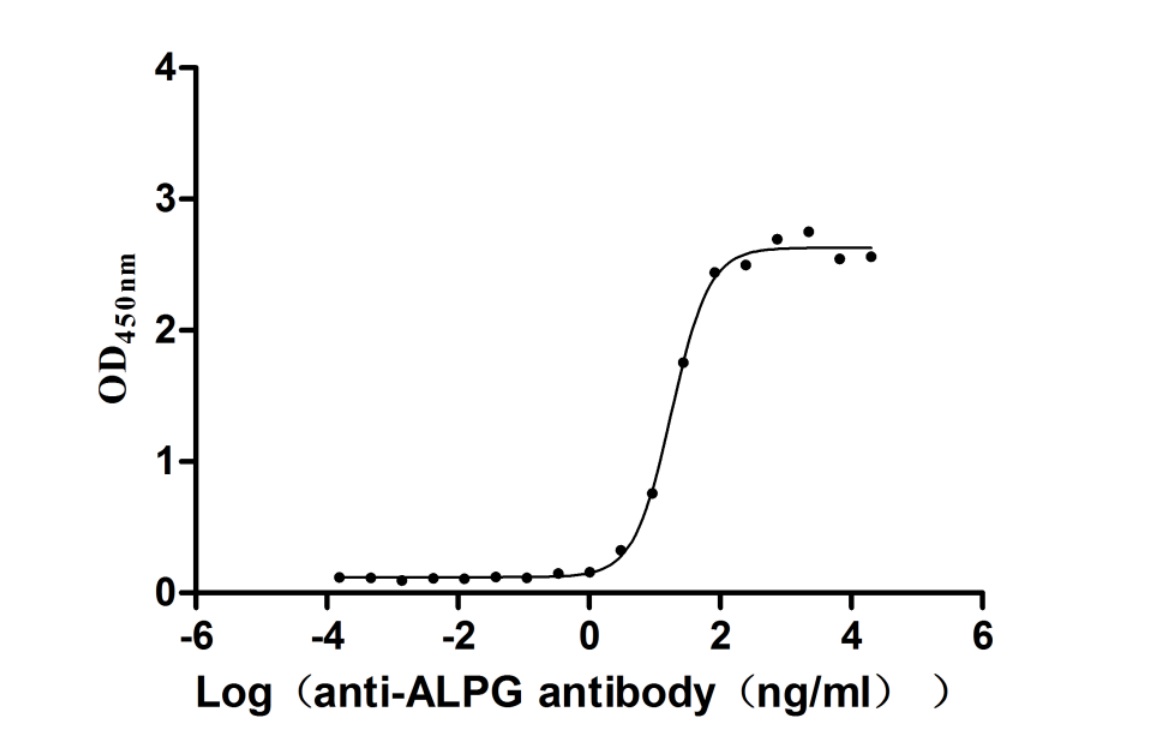
Recombinant Human Alkaline phosphatase, germ cell type (ALPG) (Active)
Express system: Mammalian cell
Species: Homo sapiens (Human)
-
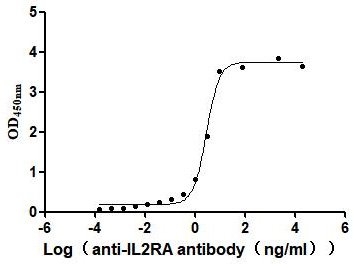
Recombinant Human Interleukin-2 receptor subunit alpha (IL2RA), partial (Active)
Express system: Mammalian cell
Species: Homo sapiens (Human)