
Recombinant Mouse Fatty acid-binding protein, adipocyte (Fabp4)
In Stock-
中文名稱:Recombinant Mouse Fatty acid-binding protein, adipocyte (Fabp4)
-
品名簡稱:Recombinant Mouse Fabp4 protein
-
貨號:CSB-MP007945MO
-
說明書:
-
規格:¥708
-
圖片:
-
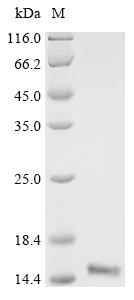 (Tris-Glycine gel) Discontinuous SDS-PAGE (reduced) with 5% enrichment gel and 15% separation gel.
-
-
其他:
產品詳情
-
純度:Greater than 95% as determined by SDS-PAGE.
-
生物活性:Not Test
-
基因名:
-
Uniprot No.:
-
別名:3T3-L1 lipid-binding protein;Adipocyte lipid-binding protein;ALBP;Adipocyte-type fatty acid-binding protein;A-FABP;AFABP;Fatty acid-binding protein 4;Myelin P2 protein homolog;P15;P2 adipocyte protein;Protein 422
-
種屬:Mus musculus (Mouse)
-
蛋白長度:Full Length
-
來源:Mammalian cell
-
分子量:15.4 kDa
-
表達區域:2-132aa
-
氨基酸序列CDAFVGTWKLVSSENFDDYMKEVGVGFATRKVAGMAKPNMIISVNGDLVTIRSESTFKNTEISFKLGVEFDEITADDRKVKSIITLDGGALVQVQKWDGKSTTIKRKRDGDKLVVECVMKGVTSTRVYERA
Note: The complete sequence may include tag sequence, target protein sequence, linker sequence and extra sequence that is translated with the protein sequence for the purpose(s) of secretion, stability, solubility, etc.
If the exact amino acid sequence of this recombinant protein is critical to your application, please explicitly request the full and complete sequence of this protein before ordering. -
蛋白標簽:C-terminal 6xHis-tagged
-
產品提供形式:Liquid or Lyophilized powder
Note: We will preferentially ship the format that we have in stock, however, if you have any special requirement for the format, please remark your requirement when placing the order, we will prepare according to your demand. -
緩沖液:If the delivery form is liquid, the default storage buffer is Tris/PBS-based buffer, 5%-50% glycerol.If the delivery form is lyophilized powder, the buffer before lyophilization is Tris/PBS-based buffer, 6% Trehalose, pH 8.0.
-
復溶:We recommend that this vial be briefly centrifuged prior to opening to bring the contents to the bottom. Please reconstitute protein in deionized sterile water to a concentration of 0.1-1.0 mg/mL.We recommend to add 5-50% of glycerol (final concentration) and aliquot for long-term storage at -20°C/-80°C. Our default final concentration of glycerol is 50%. Customers could use it as reference.
-
儲存條件:Store at -20°C/-80°C upon receipt, aliquoting is necessary for mutiple use. Avoid repeated freeze-thaw cycles.
-
保質期:The shelf life is related to many factors, storage state, buffer ingredients, storage temperature and the stability of the protein itself.
Generally, the shelf life of liquid form is 6 months at -20°C/-80°C. The shelf life of lyophilized form is 12 months at -20°C/-80°C. -
貨期:3-7 business days
-
注意事項:Repeated freezing and thawing is not recommended. Store working aliquots at 4℃ for up to one week.
-
Datasheet & COA:Please contact us to get it.
產品評價

相關產品
靶點詳情
-
功能:Lipid transport protein in adipocytes. Binds both long chain fatty acids and retinoic acid. Delivers long-chain fatty acids and retinoic acid to their cognate receptors in the nucleus.
-
基因功能參考文獻:
- The findings chart the pathway of FABP4 secretion and provide a potential therapeutic means to control metabolic disorders associated with its dysregulated secretion. PMID: 29212659
- Study in A-FABP knockout mice revealed that A-FABP acts as a physiological stimulator of brown adipose tissue-mediated adaptive thermogenesis. PMID: 28128199
- Fabp4/5 confers protection against metabolic diseases but does not extend lifespan. PMID: 29020626
- Ectopic expression and secretion of FABP4 in vascular endothelial cells contribute to neointima formation after vascular injury. PMID: 28903937
- FABP4 regulates the expression of BLT1R and its downstream signaling via control of oxidative stress in macrophages PMID: 28546450
- Upregulated ROS induced by FABP4 was of significance in activating FoxM1 leading to airway inflammation and epithelial barrier dysfunction. PMID: 29158087
- Collectively, these results demonstrate that C. pneumoniae exploits host FABP4 to facilitate fat mobilization and intracellular replication in adipocytes. This work uncovers a novel strategy used by intracellular pathogens for acquiring energy via hijacking of the host lipid metabolism pathway. PMID: 29108997
- High Fabp4 expression is associated with Acute myeloid leukemia. PMID: 27885273
- These data suggest that the function of SIRT6 in the Fabp4-Cre-expressing cells in addition to mature adipocytes plays a critical role in body weight maintenance and metabolic homeostasis. PMID: 28385723
- This study demonstrating a FABP4-UCP2 axis with the potential to modulate the microglial inflammatory response. PMID: 28214555
- our data establish A-FABP as a new molecular sensor in triggering macrophage-associated sterile inflammation in obesity. PMID: 27920274
- these data offer a novel pathway whereby FABP4/aP2 regulates macrophage redox signaling and inflammasome activation via control of UCP2 expression. PMID: 27795298
- FABP4 locally produced by epicardial/perivascular fat and macrophages in vascular plaques contributes to the development of coronary atherosclerosis. PMID: 27013610
- endothelial PATZ1 thus potently inhibits endothelial function and angiogenesis via inhibition of FABP4 expression, and abnormal induction of endothelial PATZ1 may contribute to multiple aspects of vascular dysfunction in diabetes PMID: 27297106
- These results suggest that the antiinflammatory phenotype of FABP4/aP2 null mice is mediated by increased intracellular monounsaturated fatty acids leading to the increased expression of both uncoupling protein 2 and SirT3. PMID: 26789108
- FABP4 could reverse the activation of the leptin-induced mitochondrial fatty acid oxidation. PMID: 26310911
- FABP4 is a hypoxia inducible gene that sensitizes mice to liver I/R injury. PMID: 26070408
- Data suggest Fabp4 is up-regulated and DNA methylation is down-regulated in aorta in hyperhomocysteinemia induced by high-methionine diet; up-regulation of DNA methyltransferase 1 (Dnmt1) promotes DNA methylation and decreases Fabp4 expression. PMID: 26606905
- Data show that the weight gain was blunted in male, but not female, fatty acid binding protein 4-Cre-driven promoter (FaChOX) mice when placed on either a normal chow diet or an obesogenic Western diet. PMID: 26248218
- Data show that overexpression of cattle adipocyte fatty acid-binding protein (A-FABP)gene promoted fat deposition in the skeletal muscle of transgenic mice. PMID: 25867423
- Data suggest that expression of Fabp4 (fatty acid binding protein 4) in preadipocytes is up-regulated by arachidonic acid during adipogenesis; this up-regulation appears mediated by prostaglandin F2alpha/FP (prostaglandin F2alpha receptor) signaling. PMID: 25325755
- results show that chemical inhibition of lipase activity, genetic deficiency of adipose triglyceride lipase and, to a lesser extent, hormone-sensitive lipase blocked aP2 secretion from adipocytes. PMID: 25535287
- FABP4-/- mice demonstrated a significant decrease in neovessel formation and significant improvement in physiological revascularization. PMID: 24802082
- A-FABP deficiency protects mice against MI/R-induced and/or diabetes-induced cardiac injury at least partially through activation of the eNOS/NO pathway and reduction in superoxide anion production PMID: 26186740
- -). As Cre-loxP-mediated genetic lineage tracing is irreversible and heritable, the genetic labelling (RFP) would inevitably label all descendants of these early FABP4+ embryonic VECs, regardless of whether they express CreER at P7 or not. PMID: 25265869
- FABP4 is expressed in the mouse placental labyrinth, with highest expression at E16.5. FABP4 is dispensable for feto-placental growth and placental lipid accumulation. PMID: 25096952
- The present results demonstrate that deletion of IL-6 driven by a fatty acid binding protein (aP2) promoter-Cre inducible system regulates body weight, body fat and metabolism in a sex-specific fashion. PMID: 24934978
- miR-24 plays an important role in regulating adipocyte differentiation and FABP4 expression. The mechanism involved may be the upregulation of AP-1. PMID: 24301787
- FABP4/5 play an indispensable role in thermogenesis in brown adipose tissue and skeletal muscle. PMID: 24603714
- peripheral uptake of FA via capillary endothelial FABP4/5 is crucial for systemic metabolism and may establish FABP4/5 as potentially novel targets for the modulation of energy homeostasis. PMID: 24244493
- In aP2-Cre/ERalpha(flox/flox) mice, increased serum estrogen levels cause over-stimulation in the uterus. PMID: 24416430
- found that the FABP4 level was higher and PPARgamma level was lower in human visceral fat and mouse epididymal fat compared with their subcutaneous fat PMID: 24319114
- Neutralization of secreted aP2 reduces glucose production. PMID: 23663740
- lower dermis adipose layer development is signalled by expression of FABP4 PMID: 23555789
- Capillary endothelial FABP4/5 are required for (fatty acid)FA transport into FA-consuming tissues that include the heart. PMID: 23968980
- High Fabp4 expression is associated with atherosclerotic lesion. PMID: 23387955
- FABP4 promotes VEGF-induced airway angiogenesis. PMID: 23391391
- FABP4 expression in adipose and hepatic tissues in the settings of obesity and insulin resistance, was analyzed. PMID: 23139800
- fatty acid binding protein 4 (FABP4), commonly known as adipocyte protein 2 (aP2), has been extensively used as a marker for differentiated adipocytes. However, whether aP2 is expressed in adipogenic progenitors is controversial PMID: 23047894
- These findings indicate that FABP4 may have a crucial role in modulating IL-6 and vascular endothelial growth factor as angiogenesis inducers stimulated by the cellular action of thrombin on adipocytes via PAR1. PMID: 23008513
- fatty acid-binding protein (FABP4), an intracellular fatty acid chaperone, in the mouse thymus, and examined its role in the control of cytokine production PMID: 22585040
- In the aP2-Cre mice, the recombinase activity is expressed in the central nervous system of the embryos. PMID: 22150821
- Report statins/dexamethasone synergistically induce FABP4 expression in macrophages. PMID: 22503826
- Unsaturated fatty acids inhibited the basal as well as lipopolysaccharides induced Adipocyte fatty acid binding protein expression. PMID: 21046125
- Fabp4 is highly expressed in mouse decidua. In vitro decidualization is significantly stimulated by Fabp4 overexpression and inhibited by Fabp4 siRNA and FABP4 inhibitor. PMID: 21704217
- Results define a new class of in vivo ligands for aP2 and other fatty acid binding proteins and extend their physiological substrates to include bioactive aldehydes. PMID: 20509169
- The lack of aP2 in donor marrow cells led to the development of smaller (5.5-fold) atherosclerotic lesions in the recipient mice. PMID: 11606480
- data provide support for the portal region hypothesis and suggest dynamic fluctuations in this region regulate cavity access, but not ligand affinity or selectivity PMID: 11827549
- Ap2-deficient mice with advanced atherosclerosis and severe hypercholesterolemia fed a Western diet for 14 weeks have significant reductions in mean atherosclerotic lesion size in the proximal aorta, en face aorta, and innominate/right carotid artery. PMID: 12377750
- A-FABP and E-FABP bind to hormone-sensitive lipase with high affinity PMID: 13129924
顯示更多
收起更多
-
亞細胞定位:Cytoplasm. Nucleus.
-
蛋白家族:Calycin superfamily, Fatty-acid binding protein (FABP) family
-
數據庫鏈接:
Most popular with customers
-
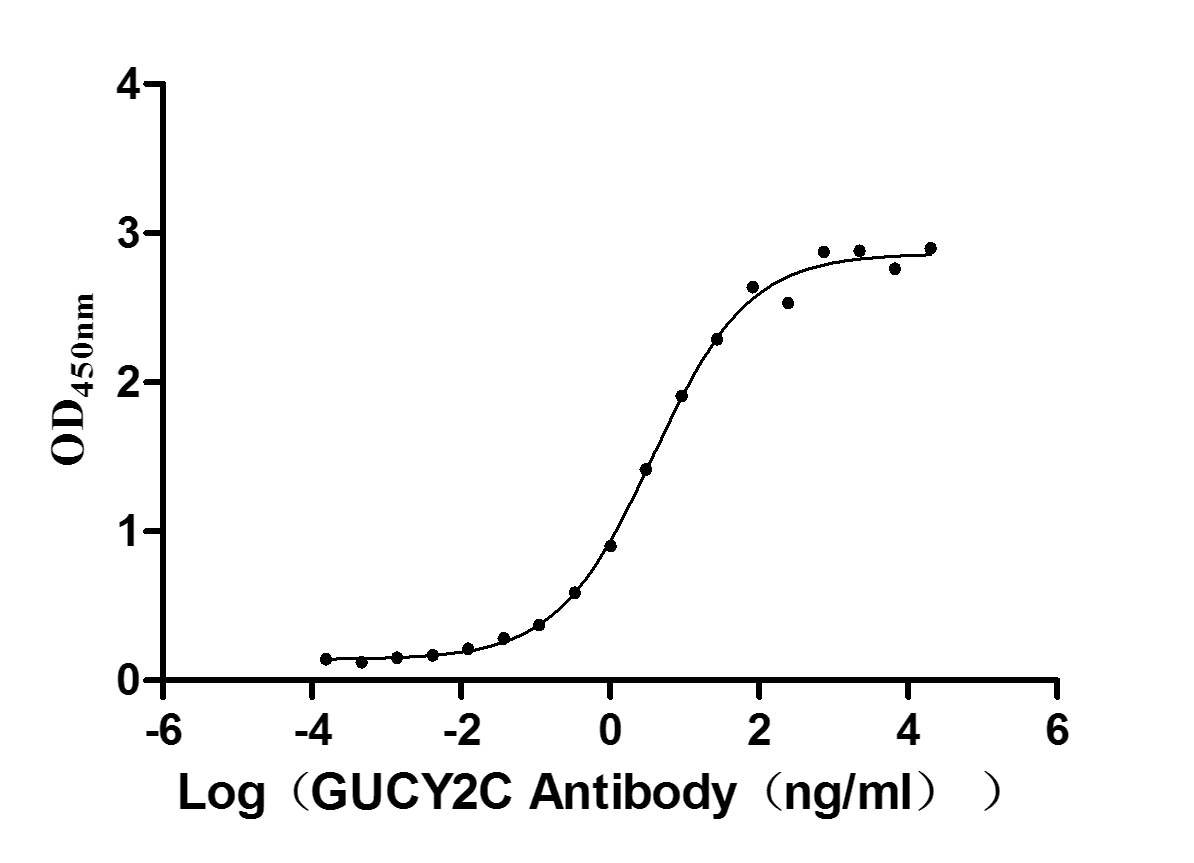
Recombinant Human Heat-stable enterotoxin receptor (GUCY2C), partial (Active)
Express system: Mammalian cell
Species: Homo sapiens (Human)
-
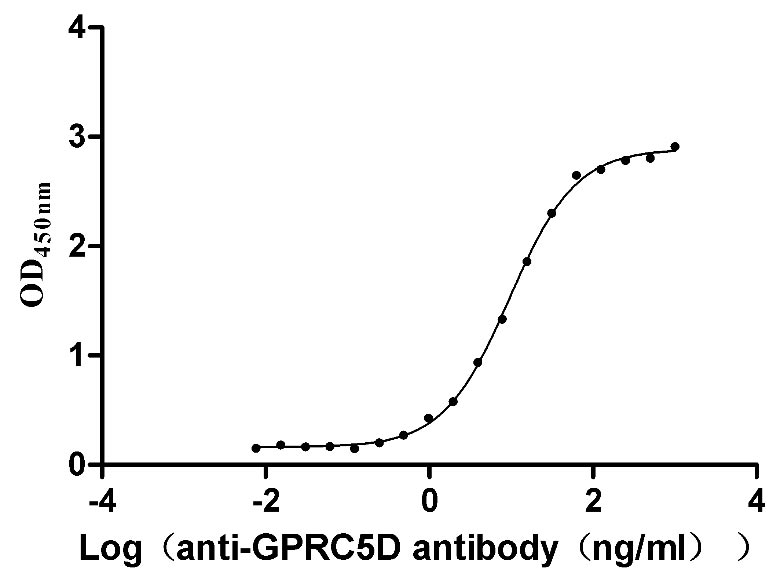
Recombinant Human G-protein coupled receptor family C group 5 member D (GPRC5D)-VLPs (Active)
Express system: Mammalian cell
Species: Homo sapiens (Human)
-
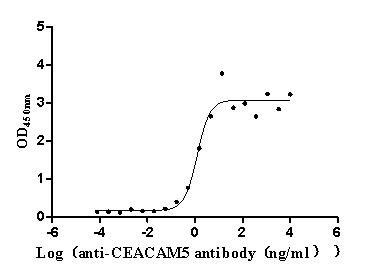
Express system: Mammalian cell
Species: Homo sapiens (Human)
-
f4-AC1.jpg)
Recombinant Human Claudin-6 (CLDN6)-VLPs, Fluorescent (Active)
Express system: Mammalian cell
Species: Homo sapiens (Human)
-
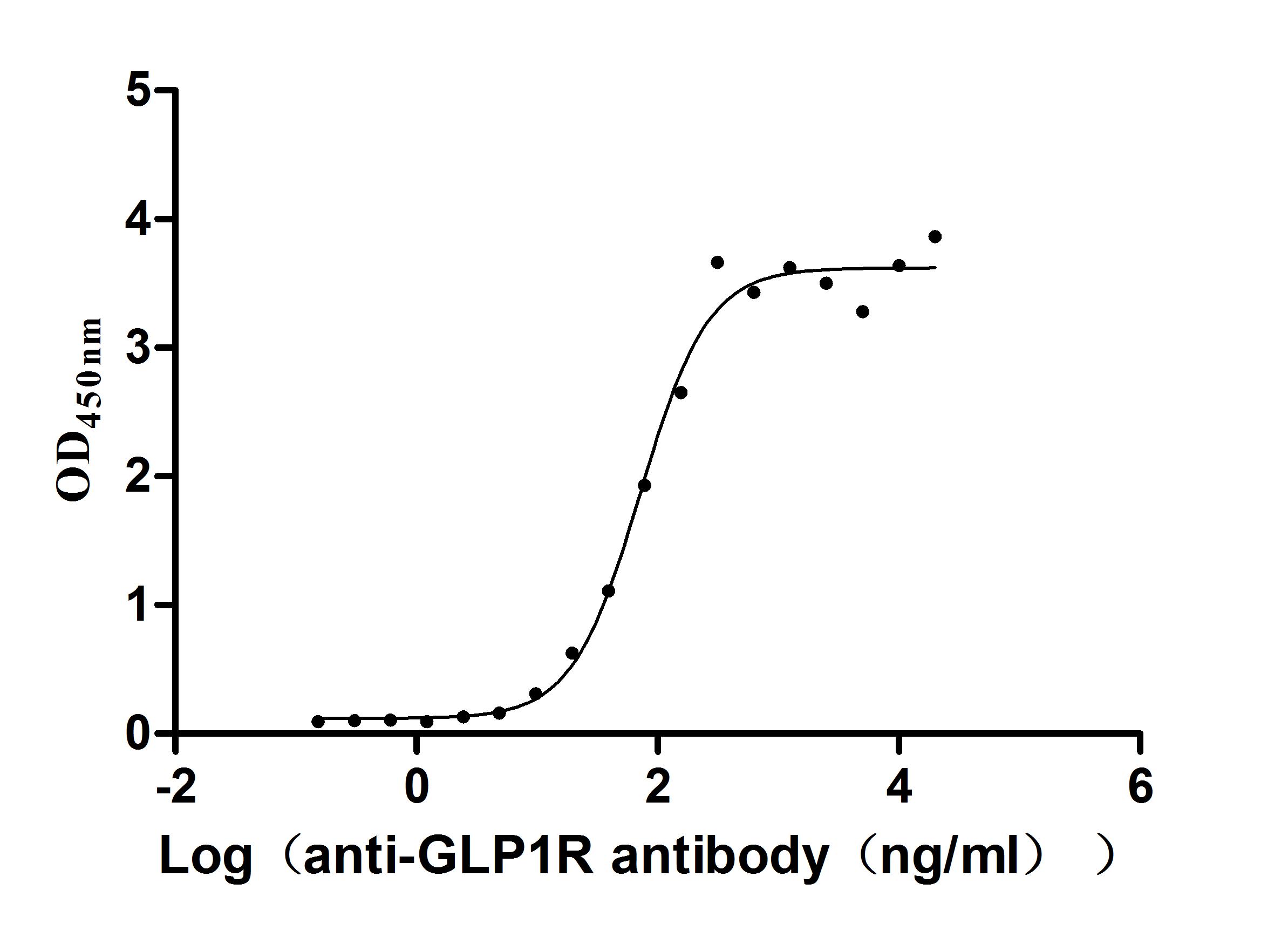
Recombinant Human Glucagon-like peptide 1 receptor (GLP1R), partial (Active)
Express system: Mammalian cell
Species: Homo sapiens (Human)
-
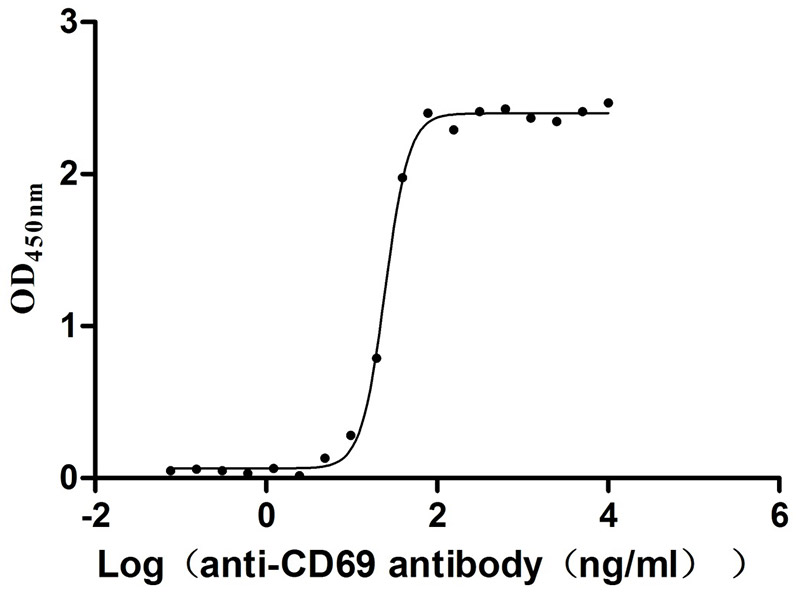
Recombinant Human Early activation antigen CD69 (CD69), partial (Active)
Express system: Mammalian cell
Species: Homo sapiens (Human)
-
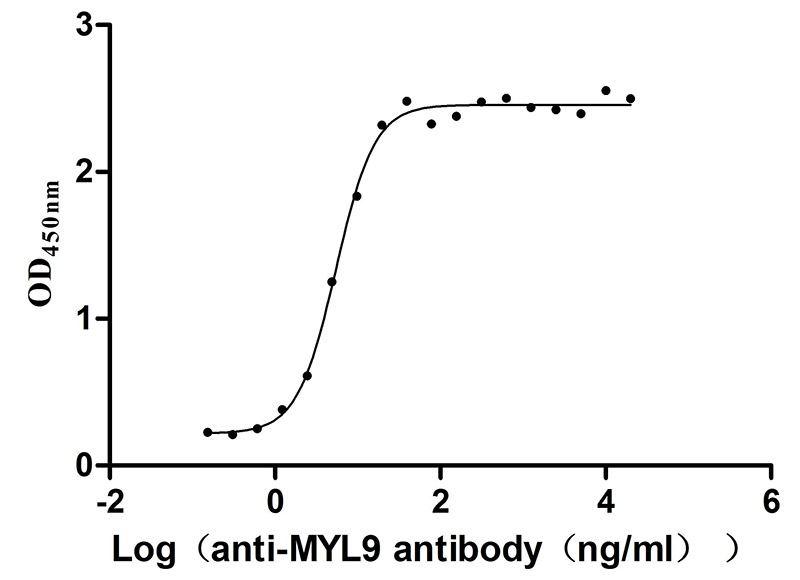
Recombinant Human Myosin regulatory light polypeptide 9 (MYL9) (Active)
Express system: Yeast
Species: Homo sapiens (Human)
-
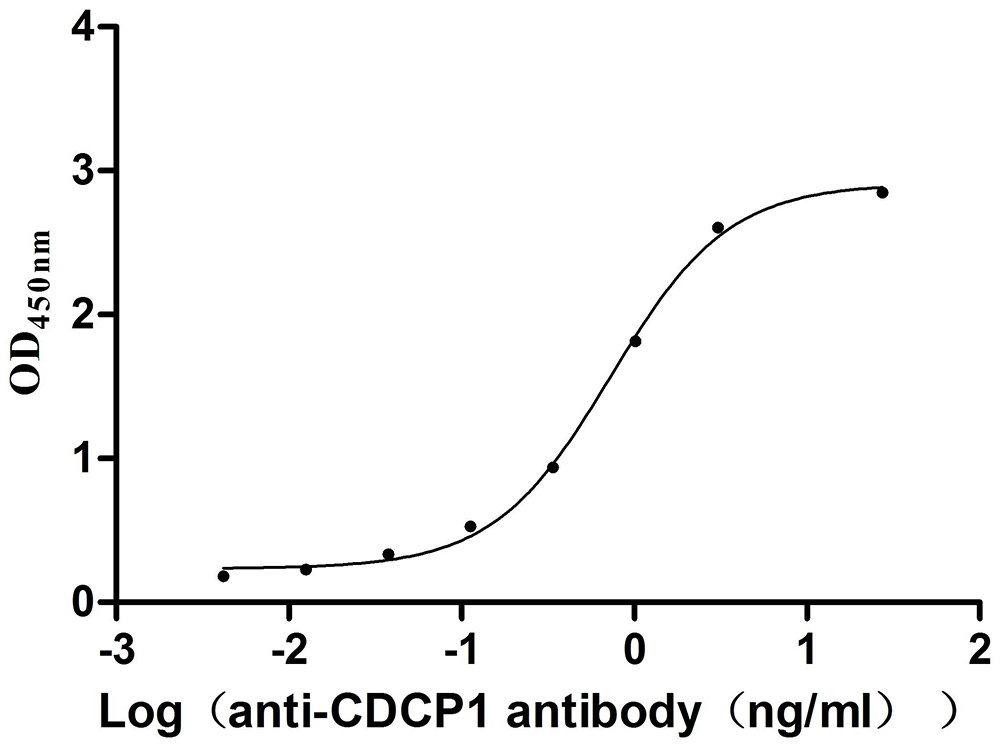
Recombinant Mouse CUB domain-containing protein 1 (Cdcp1), partial (Active)
Express system: Mammalian cell
Species: Mus musculus (Mouse)