
Recombinant Mouse Dickkopf-related protein 3 (Dkk3)
-
中文名稱:小鼠Dkk3重組蛋白
-
貨號:CSB-YP865568MO
-
規格:
-
來源:Yeast
-
其他:
-
中文名稱:小鼠Dkk3重組蛋白
-
貨號:CSB-EP865568MO
-
規格:
-
來源:E.coli
-
其他:
-
中文名稱:小鼠Dkk3重組蛋白
-
貨號:CSB-EP865568MO-B
-
規格:
-
來源:E.coli
-
共軛:Avi-tag Biotinylated
E. coli biotin ligase (BirA) is highly specific in covalently attaching biotin to the 15 amino acid AviTag peptide. This recombinant protein was biotinylated in vivo by AviTag-BirA technology, which method is BriA catalyzes amide linkage between the biotin and the specific lysine of the AviTag.
-
其他:
-
中文名稱:小鼠Dkk3重組蛋白
-
貨號:CSB-BP865568MO
-
規格:
-
來源:Baculovirus
-
其他:
-
中文名稱:小鼠Dkk3重組蛋白
-
貨號:CSB-MP865568MO
-
規格:
-
來源:Mammalian cell
-
其他:
產品詳情
-
純度:>85% (SDS-PAGE)
-
基因名:
-
Uniprot No.:
-
別名:Dkk3Dickkopf-related protein 3; Dickkopf-3; Dkk-3; mDkk-3
-
種屬:Mus musculus (Mouse)
-
蛋白長度:Full Length of Mature Protein
-
表達區域:23-349
-
氨基酸序列PSPTVTWT PAEPGPALNY PQEEATLNEM FREVEELMED TQHKLRSAVE EMEAEEAAAK TSSEVNLASL PPNYHNETST ETRVGNNTVH VHQEVHKITN NQSGQVVFSE TVITSVGDEE GKRSHECIID EDCGPTRYCQ FSSFKYTCQP CRDQQMLCTR DSECCGDQLC AWGHCTQKAT KGGNGTICDN QRDCQPGLCC AFQRGLLFPV CTPLPVEGEL CHDPTSQLLD LITWELEPEG ALDRCPCASG LLCQPHSHSL VYMCKPAFVG SHDHSEESQL PREAPDEYED VGFIGEVRQE LEDLERSLAQ EMAFEGPAPV ESLGGEEEI
-
蛋白標簽:Tag?type?will?be?determined?during?the?manufacturing?process.
The tag type will be determined during production process. If you have specified tag type, please tell us and we will develop the specified tag preferentially. -
產品提供形式:Lyophilized powder
Note: We will preferentially ship the format that we have in stock, however, if you have any special requirement for the format, please remark your requirement when placing the order, we will prepare according to your demand. -
復溶:We recommend that this vial be briefly centrifuged prior to opening to bring the contents to the bottom. Please reconstitute protein in deionized sterile water to a concentration of 0.1-1.0 mg/mL.We recommend to add 5-50% of glycerol (final concentration) and aliquot for long-term storage at -20℃/-80℃. Our default final concentration of glycerol is 50%. Customers could use it as reference.
-
儲存條件:Store at -20°C/-80°C upon receipt, aliquoting is necessary for mutiple use. Avoid repeated freeze-thaw cycles.
-
保質期:The shelf life is related to many factors, storage state, buffer ingredients, storage temperature and the stability of the protein itself.
Generally, the shelf life of liquid form is 6 months at -20°C/-80°C. The shelf life of lyophilized form is 12 months at -20°C/-80°C. -
貨期:Delivery time may differ from different purchasing way or location, please kindly consult your local distributors for specific delivery time.Note: All of our proteins are default shipped with normal blue ice packs, if you request to ship with dry ice, please communicate with us in advance and extra fees will be charged.
-
注意事項:Repeated freezing and thawing is not recommended. Store working aliquots at 4°C for up to one week.
-
Datasheet :Please contact us to get it.
產品評價

相關產品
靶點詳情
-
功能:Antagonizes canonical Wnt signaling by inhibiting LRP5/6 interaction with Wnt and by forming a ternary complex with the transmembrane protein KREMEN that promotes internalization of LRP5/6. DKKs play an important role in vertebrate development, where they locally inhibit Wnt regulated processes such as antero-posterior axial patterning, limb development, somitogenesis and eye formation. In the adult, Dkks are implicated in bone formation and bone disease, cancer and Alzheimer disease.
-
基因功能參考文獻:
- findings suggest that Dkk3 may be used as diagnostic marker and as therapeutic target for age-related muscle atrophy, and reveal a distinct transcriptional control of Fbxo32 and Trim63 PMID: 29717119
- The data of this study suggest that Dkk3 is an agonist of Wnt signaling, and the ability of transgenic expression of Dkk3 to compensate for the decrease in Dkk3 expression in AD mice, reverse dysfunctional Wnt signaling, and partially inhibit the pathological development of AD suggests that Dkk3 could serve as a therapeutic target for the treatment of AD. PMID: 28922151
- DKK3 expression in macrophages is involved in the pathogenesis of atherosclerosis through modulation of inflammation and inactivation of the Wnt/beta-catenin pathway. PMID: 28219919
- DKK3 deficiency accelerated atherosclerosis and delayed re-endothelialization and exacerbated neointima formation. PMID: 28674110
- These results suggest that Dkk3 has pleiotropic roles for a secretory glycoprotein that acts primarily in the gastrointestinal tract, thymus, endocrine and reproductive organs of the mouse. PMID: 27866302
- these data suggest that downregulation of tubular beta-catenin signaling induced by Dkk-3 has a detrimental role in chronic proteinuria, partially through the increase in apoptosis. PMID: 27010856
- Dkk3 expression was seen in the superficial zone of the mandibular condyle cartilage. PMID: 26362410
- Studied role of Dkk3 on the pathogenesis of familial dilated cardiomyopathy, and whether and how Dkk3 interferes with Wnt signaling in heart tissues. PMID: 26641069
- the soluble DKK3 protein might be a promising new agent for the improvement of current protocols for the directed differentiation of pluripotent and multipotent stem cells PMID: 26424886
- DKK3 induces stem cell differentiation into smooth muscle lineage via ATF6 signaling and myocardin expression. PMID: 26105053
- Date indicate that B1 cells have a better survival and proliferation capacity in the absence of Dickkopf-3 protein (DKK3). PMID: 25672757
- DKK3 acts as a cardioprotective regulator of pathological cardiac hypertrophy PMID: 24413772
- This is the first report of role of DKK3 in the testis and DKK3 mediated regulation of spermatogenesis via WNT-4/beta-CATENIN modulation. PMID: 23667645
- Findings suggest that Dkk-3 maintains the structural integrity of the prostate gland by limiting TGF-beta/Smad signalling. PMID: 23444370
- Dkk3 can act as a modifier gene in a mouse model for altered potassium channel function and suggest its potential involvement in human PA syndromes. PMID: 22918120
- The precise expression of the Dkk3 protein was examined by generating transgenic mice that express EGFP integrated into the Dkk3 gene in a bacterial artificial chromosome plasmid. PMID: 22910798
- abrogation of DKK3 function reversed tolerance, leading to eradication of tumors expressing the target antigen and to rejection of autologous skin grafts. Thus, our findings define DKK3 as a immune modulator with a crucial role for CD8 T-cell tolerance PMID: 22307622
- Dkk-3 is expressed in human and mouse epidermis at the interface of upper spinous layer and granular layer. REIC/Dkk-3 expression is suppressed in the regenerative and inflammative epidermis of model mice. PMID: 21323747
- data establish that Krm proteins are novel binding partners of Dkk3 and suggest a mechanism by which Dkk3 potentiates Wnt signaling PMID: 20370576
- REIC/Dkk-3 stable transfectants show a reduction of malignancy in mouse prostate cancer RM9 cells in vitro and in vivo. PMID: 19885619
- Dkks were involved in craniofacial developmental processes, including facial outgrowth, myogenesis, osteogenesis, palatogenesis, olfactory epithelium and tooth development; and the expression persisted to postnatal stage in the muscles and bones. PMID: 16195809
- Altered phenotypes in dkk3 mutant mice were observed in the frequency of NK cells, immunoglobulin M, hemoglobin, and hematocrit levels, as well as lung ventilation. Furthermore, dkk3-deficient mice display hyperactivity PMID: 16508007
- Dkk3 was mainly detected in the occipital-vertebral joint. PMID: 16521043
- Dkk3 plays a regulatory role in endochondral bone formation. PMID: 17002559
- Heat-shock proteins play a crucial role in tumor-specific apoptosis by Dkk3. PMID: 17549386
- data demonstrate that Dkk3 is a positive regulator of Wnt signaling, in contrast to its family member Dkk1; Dkk3 protects against apoptosis by reducing caspase activity, suggesting that Dkk3 may play a cytoprotective role in the retina PMID: 18093317
- both ATF3 and Smad were crucially and synergistically involved in down-regulation of Id-1, which regulated JNK phosphorylation in REIC/Dkk-3-induced apoptosis. PMID: 18922905
- Altered phenotypes in dkk3 mutant mice were observed in the frequency of NK cells, immunoglobulin M, hemoglobin, and hematocrit levels, as well as lung ventilation. Furthermore, dkk3-deficient mice display hyperactivity. PMID: 16508007
顯示更多
收起更多
-
亞細胞定位:Secreted.
-
蛋白家族:Dickkopf family
-
組織特異性:Highest expression in brain, eye and heart.
-
數據庫鏈接:
Most popular with customers
-
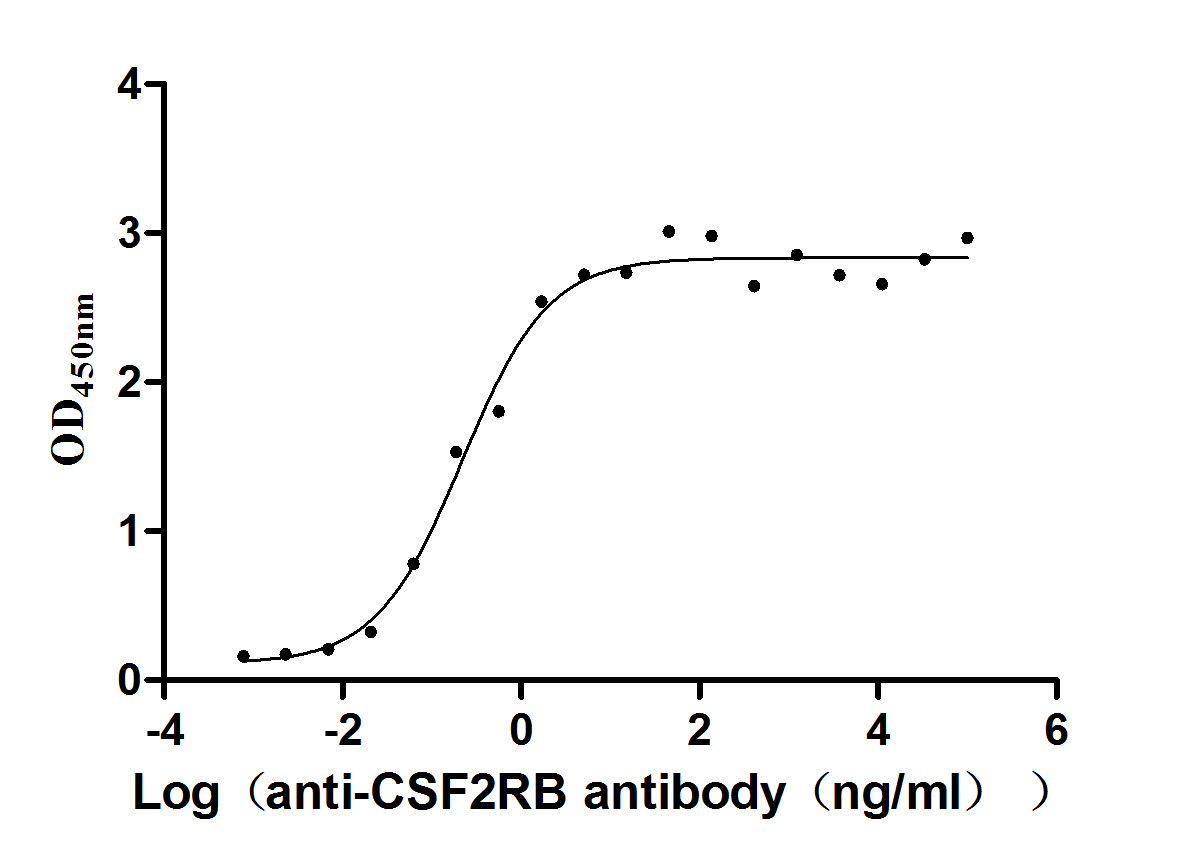
Recombinant Human Cytokine receptor common subunit beta (CSF2RB), partial (Active)
Express system: Mammalian cell
Species: Homo sapiens (Human)
-

Recombinant Rat Intestinal-type alkaline phosphatase 1 (Alpi) (Active)
Express system: Mammalian cell
Species: Rattus norvegicus (Rat)
-
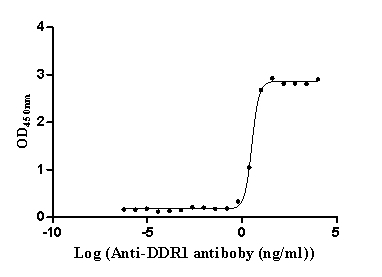
Recombinant Human Epithelial discoidin domain-containing receptor 1 (DDR1), partial (Active)
Express system: Mammalian cell
Species: Homo sapiens (Human)
-
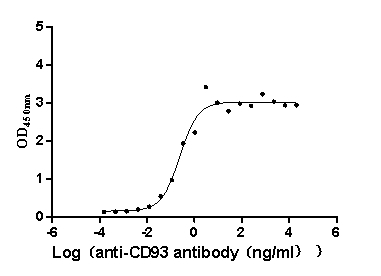
Recombinant Macaca fascicularis CD93 molecule (CD93), partial (Active)
Express system: Mammalian cell
Species: Macaca fascicularis (Crab-eating macaque) (Cynomolgus monkey)
-
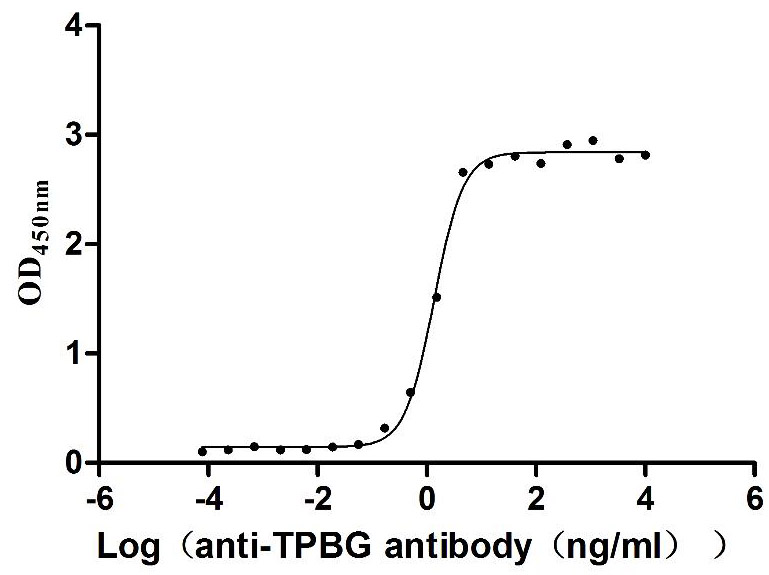
Recombinant Human Trophoblast glycoprotein (TPBG), partial (Active)
Express system: Mammalian cell
Species: Homo sapiens (Human)
-
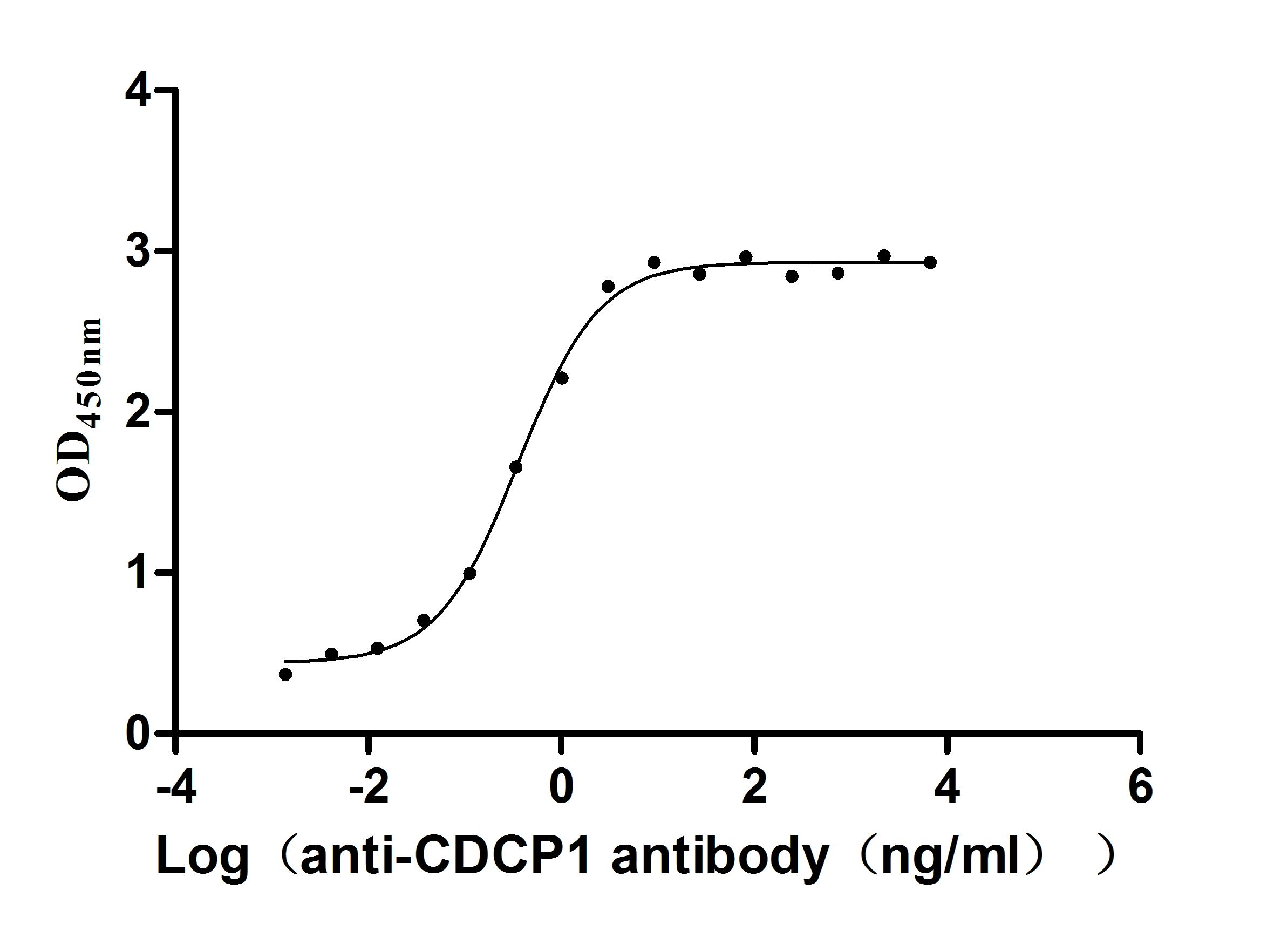
Recombinant Human CUB domain-containing protein 1 (CDCP1), partial (Active)
Express system: Mammalian cell
Species: Homo sapiens (Human)
-
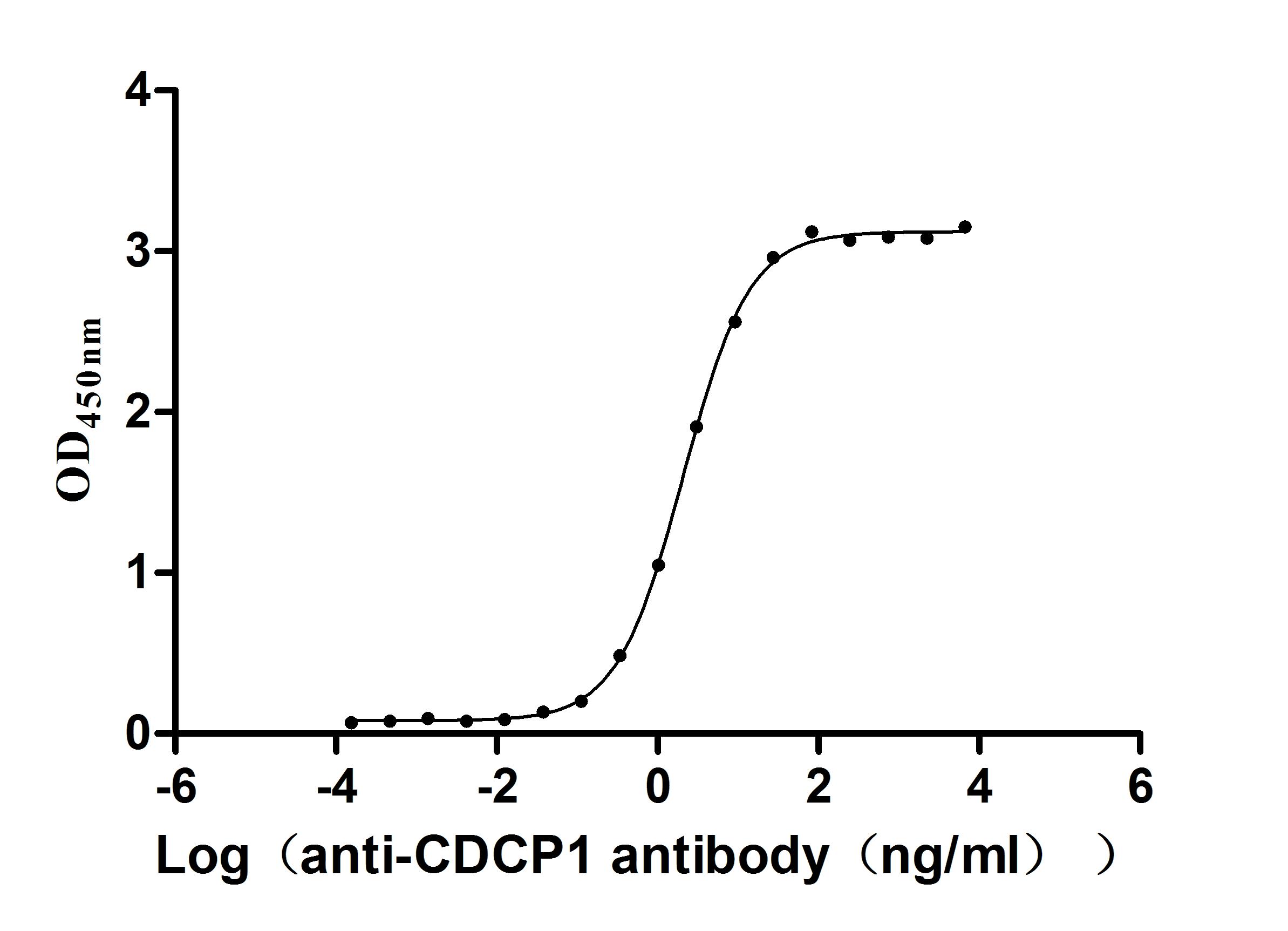
Recombinant Macaca fascicularis CUB domain containing protein 1 (CDCP1), partial (Active)
Express system: Mammalian cell
Species: Macaca fascicularis (Crab-eating macaque) (Cynomolgus monkey)
-
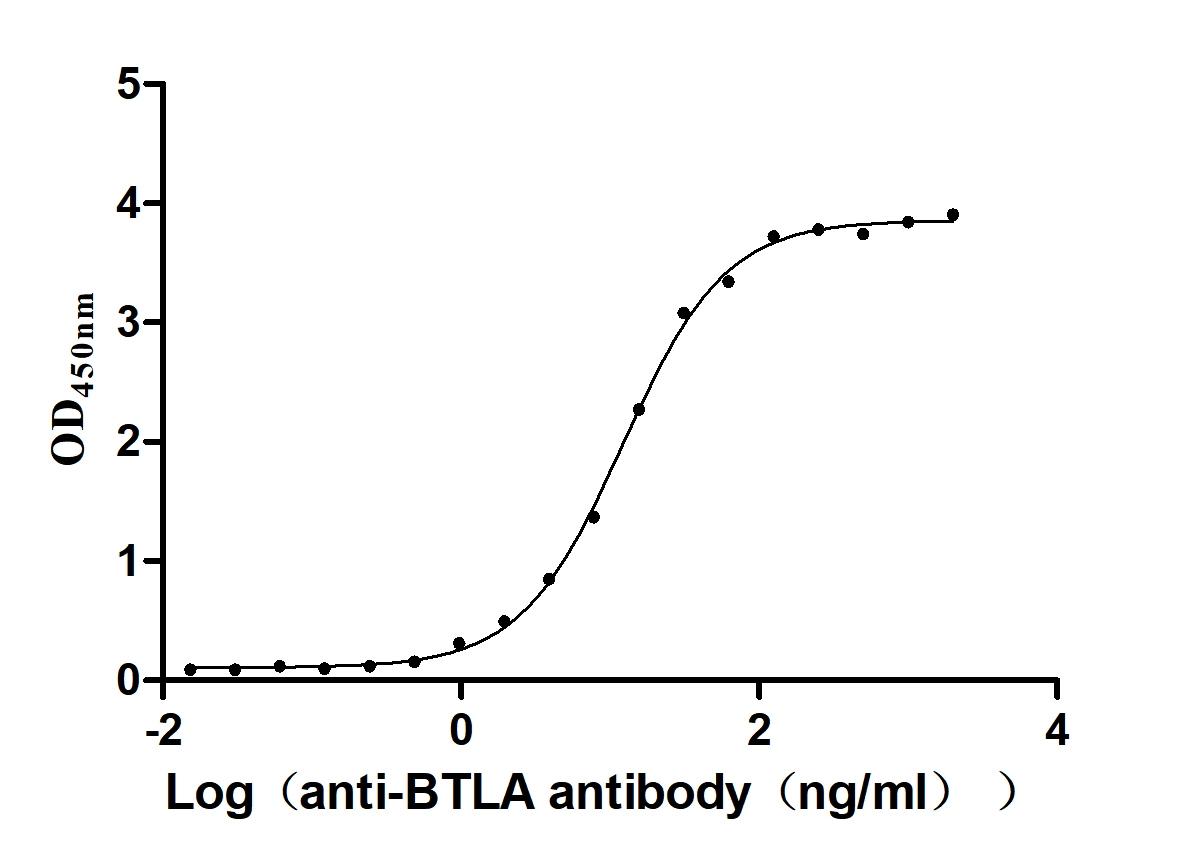
Recombinant Human B- and T-lymphocyte attenuator(BTLA), partial (Active)
Express system: Mammalian cell
Species: Homo sapiens (Human)