Recombinant Mouse C-C chemokine receptor type 1 (Ccr1), partial
-
中文名稱:Recombinant Mouse C-C chemokine receptor type 1(Ccr1),partial
-
貨號:CSB-YP004839MO1
-
規格:
-
來源:Yeast
-
其他:
-
中文名稱:Recombinant Mouse C-C chemokine receptor type 1(Ccr1),partial
-
貨號:CSB-EP004839MO1
-
規格:
-
來源:E.coli
-
其他:
-
中文名稱:Recombinant Mouse C-C chemokine receptor type 1(Ccr1),partial
-
貨號:CSB-EP004839MO1-B
-
規格:
-
來源:E.coli
-
共軛:Avi-tag Biotinylated
E. coli biotin ligase (BirA) is highly specific in covalently attaching biotin to the 15 amino acid AviTag peptide. This recombinant protein was biotinylated in vivo by AviTag-BirA technology, which method is BriA catalyzes amide linkage between the biotin and the specific lysine of the AviTag.
-
其他:
-
中文名稱:Recombinant Mouse C-C chemokine receptor type 1(Ccr1),partial
-
貨號:CSB-BP004839MO1
-
規格:
-
來源:Baculovirus
-
其他:
-
中文名稱:Recombinant Mouse C-C chemokine receptor type 1(Ccr1),partial
-
貨號:CSB-MP004839MO1
-
規格:
-
來源:Mammalian cell
-
其他:
產品詳情
-
純度:>85% (SDS-PAGE)
-
基因名:
-
Uniprot No.:
-
別名:Ccr1; Cmkbr1; C-C chemokine receptor type 1; C-C CKR-1; CC-CKR-1; CCR-1; CCR1; Macrophage inflammatory protein 1-alpha receptor; MIP-1alpha-R; RANTES-R; CD antigen CD191
-
種屬:Mus musculus (Mouse)
-
蛋白長度:Partial
-
蛋白標簽:Tag?type?will?be?determined?during?the?manufacturing?process.
The tag type will be determined during production process. If you have specified tag type, please tell us and we will develop the specified tag preferentially. -
產品提供形式:Lyophilized powder
Note: We will preferentially ship the format that we have in stock, however, if you have any special requirement for the format, please remark your requirement when placing the order, we will prepare according to your demand. -
復溶:We recommend that this vial be briefly centrifuged prior to opening to bring the contents to the bottom. Please reconstitute protein in deionized sterile water to a concentration of 0.1-1.0 mg/mL.We recommend to add 5-50% of glycerol (final concentration) and aliquot for long-term storage at -20℃/-80℃. Our default final concentration of glycerol is 50%. Customers could use it as reference.
-
儲存條件:Store at -20°C/-80°C upon receipt, aliquoting is necessary for mutiple use. Avoid repeated freeze-thaw cycles.
-
保質期:The shelf life is related to many factors, storage state, buffer ingredients, storage temperature and the stability of the protein itself.
Generally, the shelf life of liquid form is 6 months at -20°C/-80°C. The shelf life of lyophilized form is 12 months at -20°C/-80°C. -
貨期:Delivery time may differ from different purchasing way or location, please kindly consult your local distributors for specific delivery time.Note: All of our proteins are default shipped with normal blue ice packs, if you request to ship with dry ice, please communicate with us in advance and extra fees will be charged.
-
注意事項:Repeated freezing and thawing is not recommended. Store working aliquots at 4°C for up to one week.
-
Datasheet :Please contact us to get it.
產品評價

相關產品
靶點詳情
-
功能:Receptor for a C-C type chemokine. Binds to MIP-1-alpha, RANTES, and less efficiently, to MIP-1-beta or MCP-1 and subsequently transduces a signal by increasing the intracellular calcium ions level. Responsible for affecting stem cell proliferation.
-
基因功能參考文獻:
- CCL9 secreted by splenic macrophages induces a CCR1dependent accumulation of MDSCs. PMID: 30365155
- The enhanced presence of CCL3 can explain the immediate analgesic effects, independent from an anti-inflammatory action, evoked by the administration of the CCR1 antagonist J113863 in carrageenan- and complete Freund's adjuvant inflamed mice. PMID: 26663750
- Inhibition of CCR1, the distal part of this signaling relay, may have a therapeutic impact in metastatic disease with lower toxicity than blocking upstream targets. PMID: 26122939
- Data indicate that deletion or inhibition of CC chemokine receptor 1 (CCR1) decreases pain responses. PMID: 25170619
- CCR1-mediated accumulation of myeloid cells in the liver microenvironment promotes mouse colon cancer metastasis. PMID: 25326065
- CCR1 is required for recruitment of neutrophils during respiratory infection with modified vaccinia virus Ankara. PMID: 25008920
- This study demonstrates a Tpl2-dependent mechanism for macrophage expression of select chemokine receptors. PMID: 24713702
- Ccr1 plays a critical role in the recruitment of T and mononuclear phagocyte cells to inflamed kidneys of NZB/W mice, which in turn contribute to the progression of renal injury. PMID: 24367031
- CCR1.beta-arrestin-2 complex may be related to a potential scavenging function of the receptor, which may be important for maintenance of chemokine gradients and receptor responsiveness in complex fields of chemokines during inflammation. PMID: 24056371
- CCR1 expression by both hematopoietic and nonhematopoietic cells favors tumor aggressiveness and liver cancer metastasis development. PMID: 23730212
- findings show that CCR1 is pivotal for bone remodeling induced by mechanical loading during orthodontic tooth movement and these actions depend, at least in part, on CCL3 PMID: 23059626
- neutrophil Ccr1 amplifies late renal immunopathology and increases mortality in invasive candidiasis by mediating excessive recruitment of neutrophils from the blood to the target organ. PMID: 22916017
- a bis-quinoline compound, (7-chloro-N-(4-(7-chloroquinolin-4-ylamino)butyl)quinolin-4-amine; RE-660) has C-C chemokine receptor type 1 (CCR1)-agonistic properties PMID: 22104149
- CCR1 functions within the glioblastoma microenvironment through CCR1 and CCR5 in a redundant manner. PMID: 22425022
- The selective interaction of CCL3 with its receptor, CCR1, is critical for radiation-induced lung inflammation and fibrosis, and these conditions can be largely prevented by a small molecule inhibitor of CCR1 PMID: 20870892
- chemokine receptors CCR1, CCR2 and CCR4 have roles in the pathogenesis of experimental dengue infection in mice PMID: 21206747
- Data suggest that the CCR1 receptor has a key role in the pathogenesis of smoke-induced inflammation. PMID: 20387089
- These results suggest that peripheral nerve injury elicits the up-regulation of spinal MIP-1alpha and CCR1 to participate in neuropathic pain. PMID: 20692319
- the axis of CCR1 and its ligands are likely to be involved in cross-talk between osteoclasts and osteoblasts by modulating the RANK-RANKL-mediated interaction. PMID: 20571024
- Lack of the Ccr1, Mmp2, or Mmp9 gene in the host dramatically suppresses outgrowths of disseminated tumors in the liver. PMID: 20616008
- Overexpression of CCR1 enhances transplanted mesenchymal stem cell survival, migration, and engraftment in ischemic myocardium. PMID: 20378860
- Mast cells produce intercellular connections and that mediators are directionally released upon co-stimulation of FcepsilonRI and CCR1. PMID: 20173038
- Results reveal the potential involvement of CCL9 and CCR1 in macrophage and microglial cells by CpG-ODNs and may help understanding the role of the chemokine/chemokine receptor pairs in macrophage/microglia under physiologic and pathologic conditions. PMID: 19883904
- CCL9 and its receptor CCR1 are the major chemokine and receptor species expressed by osteoclasts PMID: 12397598
- CCR1 exacerbates L. major infection in C57BL/6 mice by up-regulating Th2-like response rather than inhibiting Th1 development or/and influencing leucocyte chemotaxis PMID: 12631234
- Signaling via CCR1 is critical in the pathogenesis of the IL-13-induced inflammatory pulmonary phenotype. PMID: 14734772
- CCR1 plays a significant role in the development of chronic heart graft rejection. PMID: 14757698
- Ccr1 is essential for establishment of an efficient antiviral response during a systemic HSV-2 infection. PMID: 15030585
- CCR1 has a role in progression of experimental lupus nephritis PMID: 15153561
- CCR1 chemokines may stimulate the chemotactic recruitment and RANKL formation of bone-resorptive osteoclasts and have a role in skeletal diseases PMID: 15537451
- While dispensable for leukocyte recruitment during sepsis, CCR1 is a pivotal focus of host immune response to sepsis that triggers unregulated expression of proinflammatory cytokines resulting in increased injury and mortality. PMID: 15557190
- CCR1-mediated recruitment and local activation of macrophages contribute to disease progression in COL4A3-deficient mice. CCR1 is potential therapeutic target for Alport disease or other progressive nephropathies with interstitial macrophage infiltrates. PMID: 15716328
- Neutrophil migration observed in this model of immune inflammation is mediated by MIP-1alpha[CCL3], which via CCR1, induces the sequential release of TNF-alpha and LTB(4). PMID: 15831559
- Rac activation is critical for both CCR1- and CCR5-triggered signaling cascades mediating beta-chemokine-induced reorganization of the actin cytoskeleton PMID: 15882964
- Chemokine receptor CCR1 has functions for leukocyte adhesion to vascular endothelium and for transendothelial diapedesis. CCR1 blockade can improve injury in progressive kidney disease models, even in advanced disease states. PMID: 16088077
- observations suggest the contribution of the CCR1-CCL3 axis to hepatocellular carcinoma progression PMID: 16284949
- CCR1 signaling cascade is under the control of NFAT2 and seems to enhance the migration of differentiating osteoclasts PMID: 16355273
- CCR1 may be a potential target during detrimental pulmonary responses during infection PMID: 16456018
- proinflammatory interferon gamma was increased in the neointima of CCR1(-/-) mice, and its blockade unmasked a reduction in macrophage recruitment PMID: 16467202
- Alters the immuno-inflammatory response in atherosclerosis and prevents excessive plaque growth and inflammation. PMID: 16491201
- analysis of CCR1 chemokine receptor structure and BX 471 antagonist binding followed by experimental validation PMID: 16837468
- CCR1 plays a role in osteolysis and angiogenesis in multiple myeloma. It affects myeloma cells and stromal cells. PMID: 17086356
- Lack of CCR1 prevents accumulation of CD34(+) iMCs at the invasion front and suppresses tumor invasion. PMID: 17369830
- Substance P stimulates expression of neutrophil CCR1 via neurokinin-1 receptor and nuclear factor kappa B activation. PMID: 17494633
- CCR1/CCL5 receptor-ligand interactions modulate allo-specific T-cell responses. PMID: 17641205
- Ccr1 deficiency reduces inflammatory remodelling and preserves left ventricular function after myocardial infarction. PMID: 18088392
- No increase in mortality was observed during the acute phase of disease following MHV infection of mice lacking CCR1 (CCR1-/-) as compared to wild-type (CCR1+/+) mice. PMID: 18158733
- identify CCR1 as a potential target for alleviating T-cell accumulation during exacerbation of asthmatic disease. PMID: 18202190
- CCR1 and CCR5 and their ligand CCL3 play a crucial role in the regulation of intratumoral dendritic cell accumulation and the subsequent establishment of tumor immunity following induction of tumor apoptosis by suicide genes. PMID: 18644849
- In a model of renal ischemia-reperfusion injury, CCR1 is an important factor promoting infiltration by neutrophils and macrophages; however, this activity does not appear to affect tissue injury. PMID: 19050287
顯示更多
收起更多
-
亞細胞定位:Cell membrane; Multi-pass membrane protein.
-
蛋白家族:G-protein coupled receptor 1 family
-
組織特異性:Detected in the heart, spleen, lung, peritoneal exudate cells and leukocytes.
-
數據庫鏈接:
Most popular with customers
-
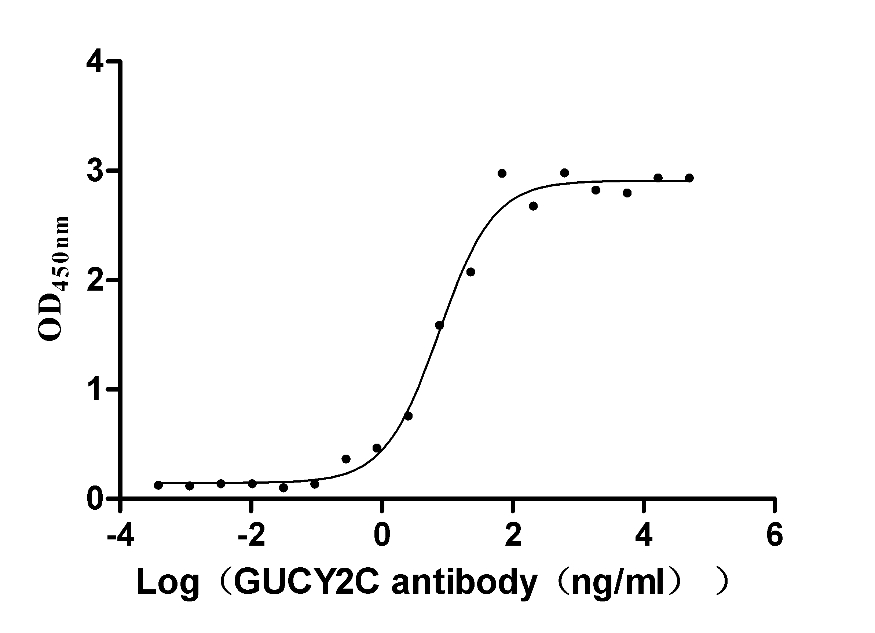
Recombinant Human Heat-stable enterotoxin receptor (GUCY2C), partial (Active)
Express system: Mammalian cell
Species: Homo sapiens (Human)
-
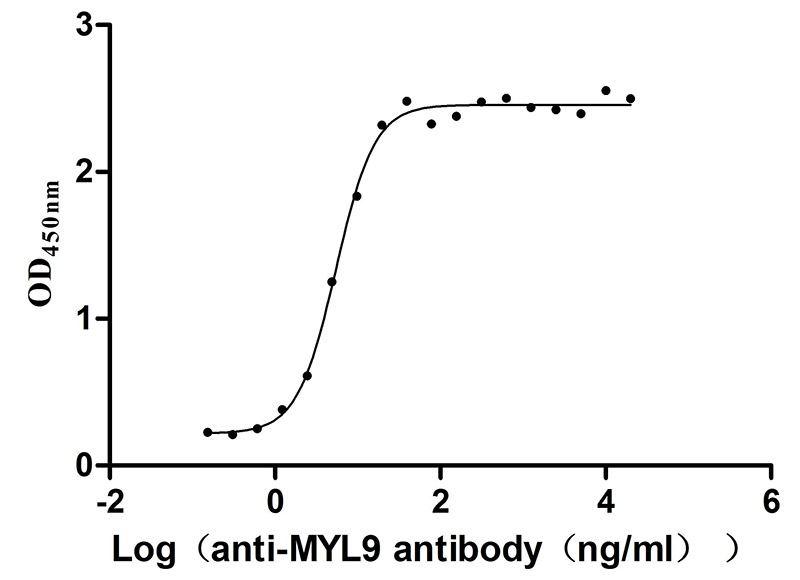
Recombinant Human Myosin regulatory light polypeptide 9 (MYL9) (Active)
Express system: Yeast
Species: Homo sapiens (Human)
-
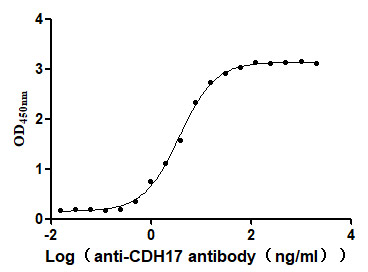
Recombinant Human Cadherin-17 (CDH17), partial (Active)
Express system: Mammalian cell
Species: Homo sapiens (Human)
-
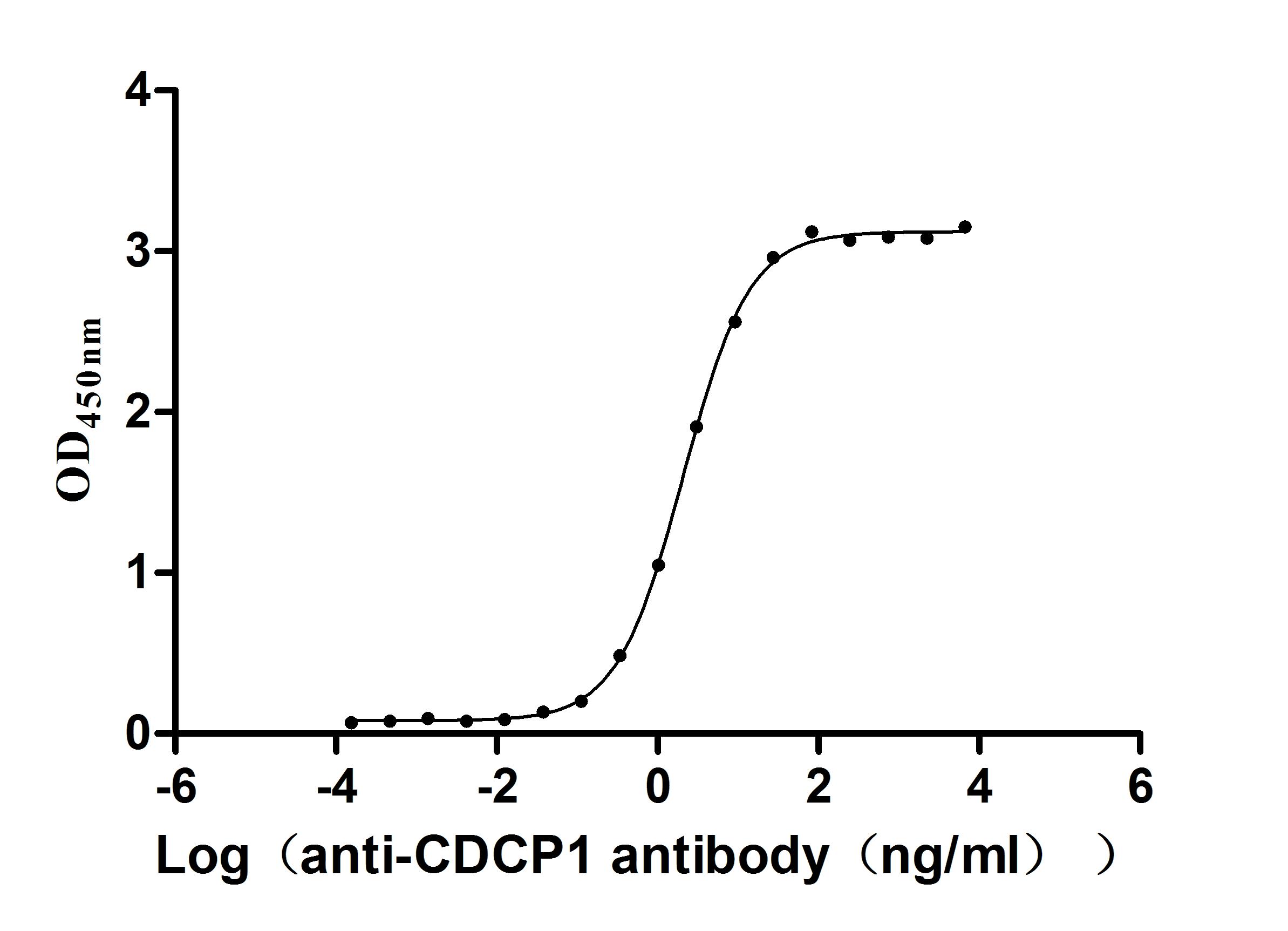
Recombinant Macaca fascicularis CUB domain containing protein 1 (CDCP1), partial (Active)
Express system: Mammalian cell
Species: Macaca fascicularis (Crab-eating macaque) (Cynomolgus monkey)
-
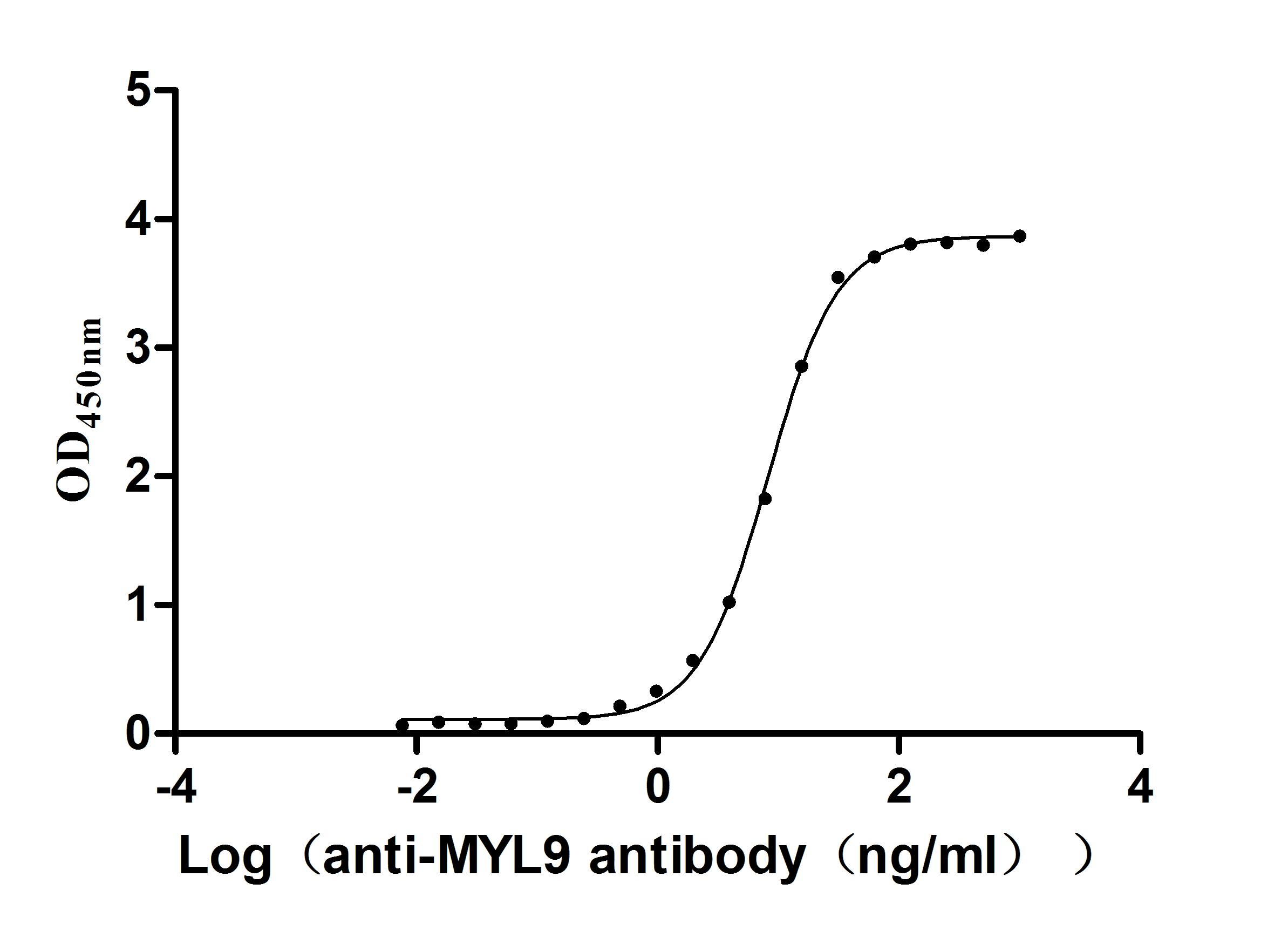
Recombinant Human Myosin regulatory light chain 12B (MYL12B) (Active)
Express system: E.coli
Species: Homo sapiens (Human)
-
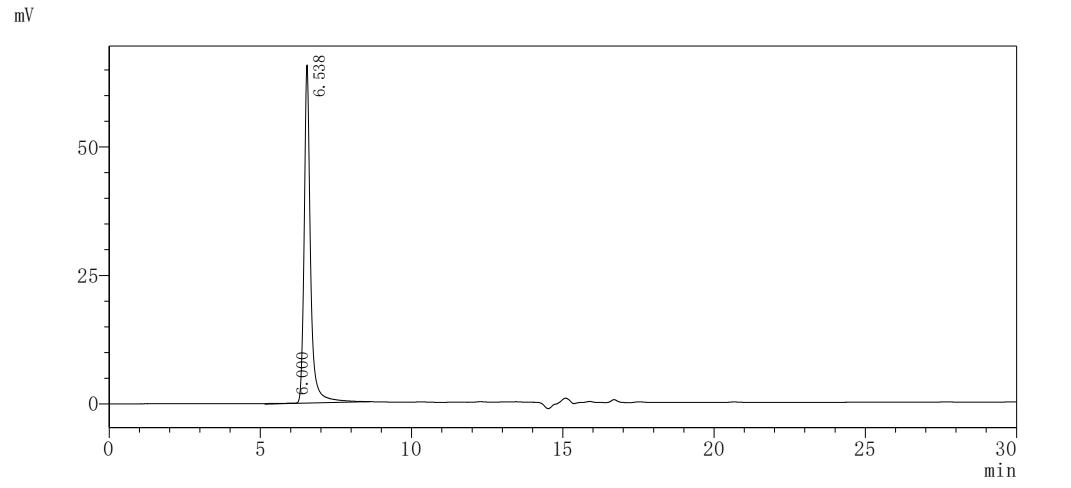
Recombinant Human C-C chemokine receptor type 9 (CCR9)-VLPs (Active)
Express system: Mammalian cell
Species: Homo sapiens (Human)
-
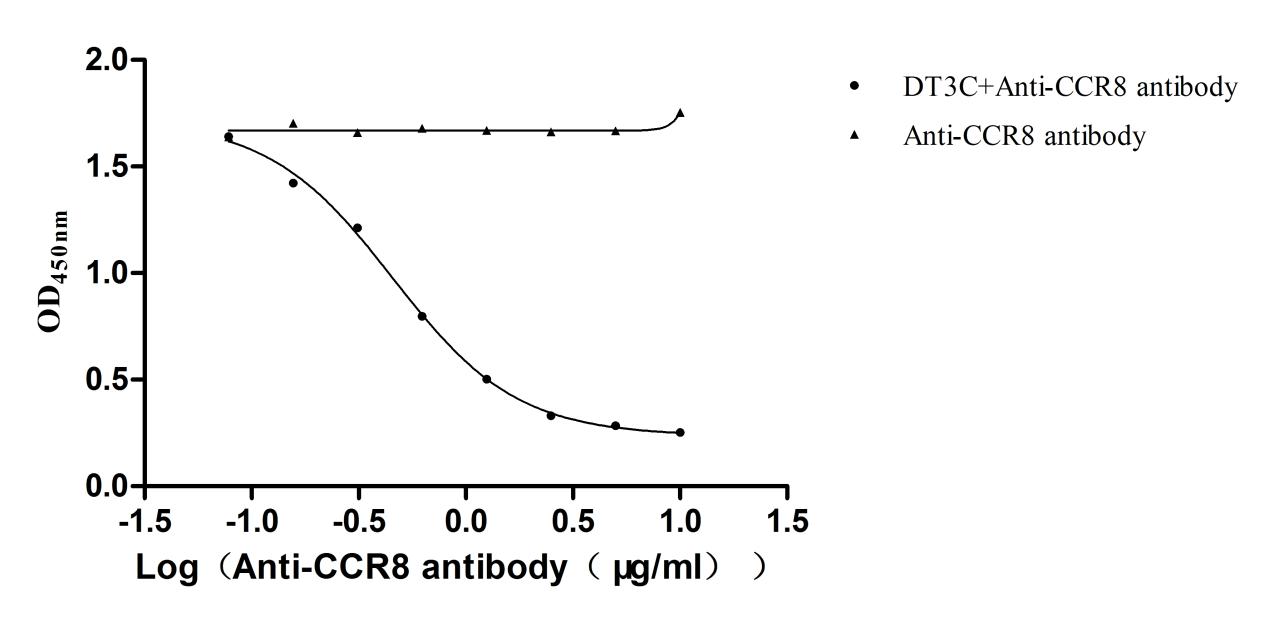
Recombinant DT3C (Diphtheria toxin & spg 3C domain) for Antibody Internalization Assay (Active)
Express system: E.coli
Species: N/A