
Recombinant Human adenovirus B serotype 7 Early E1A 28 kDa protein
-
中文名稱:Recombinant Human adenovirus B serotype 7 Early E1A 28 kDa protein
-
貨號:CSB-YP361001HII
-
規(guī)格:
-
來源:Yeast
-
其他:
-
中文名稱:Recombinant Human adenovirus B serotype 7 Early E1A 28 kDa protein
-
貨號:CSB-EP361001HII
-
規(guī)格:
-
來源:E.coli
-
其他:
-
中文名稱:Recombinant Human adenovirus B serotype 7 Early E1A 28 kDa protein
-
貨號:CSB-EP361001HII-B
-
規(guī)格:
-
來源:E.coli
-
共軛:Avi-tag Biotinylated
E. coli biotin ligase (BirA) is highly specific in covalently attaching biotin to the 15 amino acid AviTag peptide. This recombinant protein was biotinylated in vivo by AviTag-BirA technology, which method is BriA catalyzes amide linkage between the biotin and the specific lysine of the AviTag.
-
其他:
-
中文名稱:Recombinant Human adenovirus B serotype 7 Early E1A 28 kDa protein
-
貨號:CSB-BP361001HII
-
規(guī)格:
-
來源:Baculovirus
-
其他:
-
中文名稱:Recombinant Human adenovirus B serotype 7 Early E1A 28 kDa protein
-
貨號:CSB-MP361001HII
-
規(guī)格:
-
來源:Mammalian cell
-
其他:
產(chǎn)品詳情
-
純度:>85% (SDS-PAGE)
-
基因名:N/A
-
Uniprot No.:
-
別名:Early E1A protein; Early E1A 28 kDa protein
-
種屬:Human adenovirus B serotype 7 (HAdV-7) (Human adenovirus 7)
-
蛋白長度:full length protein
-
表達(dá)區(qū)域:1-261
-
氨基酸序列MRHLRFLPQE IISSETGIEI LEFVVNTLMG DDPEPPVQPF DPPTLHDLYD LEVDGPEDPN EGAVNGFFTD SMLLAADEGL DINPPPETLV TPGVVVESGR GGKKLPDLGA AEMDLRCYEE GFPPSDDEDG ETEQSIHTAV NEGVKAASDV FKLDCPELPG HGCKSCEFHR NNTGMKELLC SLCYMRMHCH FIYSPVSDDE SPSPDSTTSP PEIQAPAPAN VCKPIPVKPK PGKRPAVDKL EDLLEGGDGP LDLSTRKLPR Q
-
蛋白標(biāo)簽:Tag?type?will?be?determined?during?the?manufacturing?process.
The tag type will be determined during production process. If you have specified tag type, please tell us and we will develop the specified tag preferentially. -
產(chǎn)品提供形式:Lyophilized powder
Note: We will preferentially ship the format that we have in stock, however, if you have any special requirement for the format, please remark your requirement when placing the order, we will prepare according to your demand. -
復(fù)溶:We recommend that this vial be briefly centrifuged prior to opening to bring the contents to the bottom. Please reconstitute protein in deionized sterile water to a concentration of 0.1-1.0 mg/mL.We recommend to add 5-50% of glycerol (final concentration) and aliquot for long-term storage at -20℃/-80℃. Our default final concentration of glycerol is 50%. Customers could use it as reference.
-
儲存條件:Store at -20°C/-80°C upon receipt, aliquoting is necessary for mutiple use. Avoid repeated freeze-thaw cycles.
-
保質(zhì)期:The shelf life is related to many factors, storage state, buffer ingredients, storage temperature and the stability of the protein itself.
Generally, the shelf life of liquid form is 6 months at -20°C/-80°C. The shelf life of lyophilized form is 12 months at -20°C/-80°C. -
貨期:Delivery time may differ from different purchasing way or location, please kindly consult your local distributors for specific delivery time.Note: All of our proteins are default shipped with normal blue ice packs, if you request to ship with dry ice, please communicate with us in advance and extra fees will be charged.
-
注意事項:Repeated freezing and thawing is not recommended. Store working aliquots at 4°C for up to one week.
-
Datasheet :Please contact us to get it.
產(chǎn)品評價

靶點詳情
-
功能:Plays a role in viral genome replication by driving entry of quiescent cells into the cell cycle. Stimulation of progression from G1 to S phase allows the virus to efficiently use the cellular DNA replicating machinery to achieve viral genome replication. E1A protein has both transforming and trans-activating activities. Induces the disassembly of the E2F1 transcription factor from RB1 by direct competition for the same binding site on RB1, with subsequent transcriptional activation of E2F1-regulated S-phase genes and of the E2 region of the adenoviral genome. Release of E2F1 leads to the ARF-mediated inhibition of MDM2 and causes TP53/p53 to accumulate because it is not targeted for degradation by MDM2-mediated ubiquitination anymore. This increase in TP53, in turn, would arrest the cell proliferation and direct its death but this effect is counteracted by the viral protein E1B-55K. Inactivation of the ability of RB1 to arrest the cell cycle is critical for cellular transformation, uncontrolled cellular growth and proliferation induced by viral infection. Interaction with RBX1 and CUL1 inhibits ubiquitination of the proteins targeted by SCF(FBXW7) ubiquitin ligase complex, and may be linked to unregulated host cell proliferation. The tumorigenesis-restraining activity of E1A may be related to the disruption of the host CtBP-CtIP complex through the CtBP binding motif. Interaction with host TMEM173/STING impairs the ability of TMEM173/STING to sense cytosolic DNA and promote the production of type I interferon (IFN-alpha and IFN-beta). Promotes the sumoylation of host ZBED1/hDREF with SUMO1.
-
亞細(xì)胞定位:Host nucleus.
-
蛋白家族:Adenoviridae E1A protein family
Most popular with customers
-
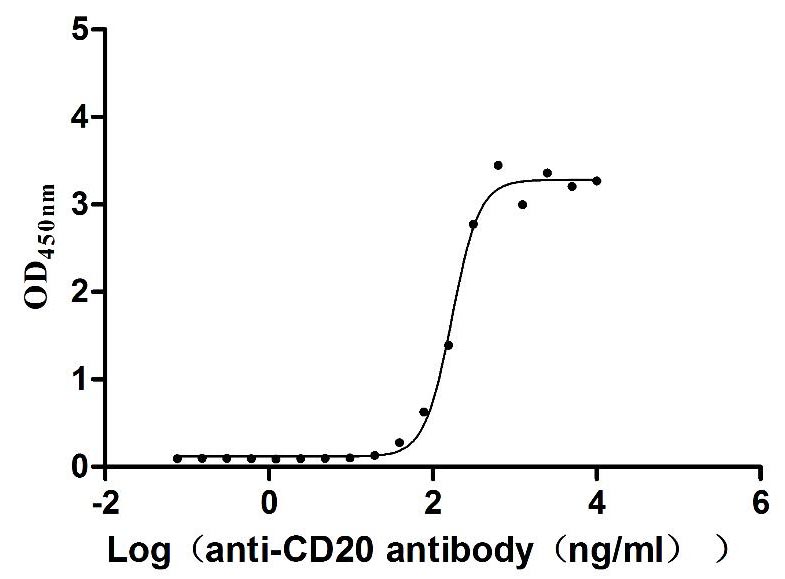
Recombinant Dog B-lymphocyte antigen CD20 (MS4A1)-VLPs (Active)
Express system: Mammalian cell
Species: Canis lupus familiaris (Dog) (Canis familiaris)
-
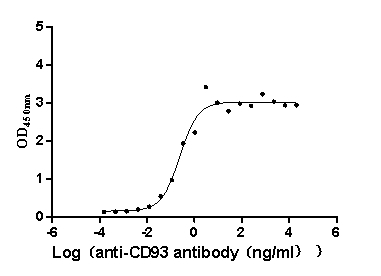
Recombinant Macaca fascicularis CD93 molecule (CD93), partial (Active)
Express system: Mammalian cell
Species: Macaca fascicularis (Crab-eating macaque) (Cynomolgus monkey)
-
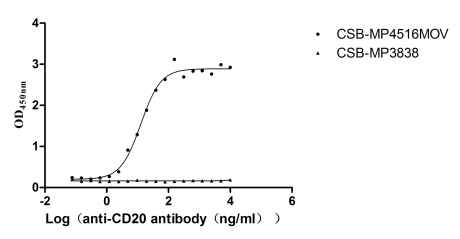
Recombinant Macaca fascicularis Membrane spanning 4-domains A1 (MS4A1)-VLPs (Active)
Express system: Mammalian cell
Species: Macaca fascicularis (Crab-eating macaque) (Cynomolgus monkey)
-
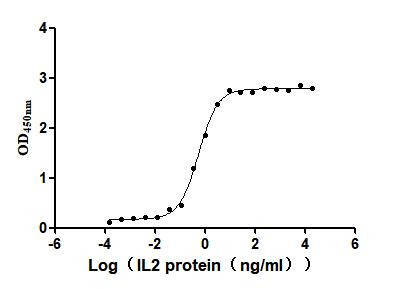
Recombinant Human Interleukin-2 (IL2) (Active)
Express system: Mammalian cell
Species: Homo sapiens (Human)
-
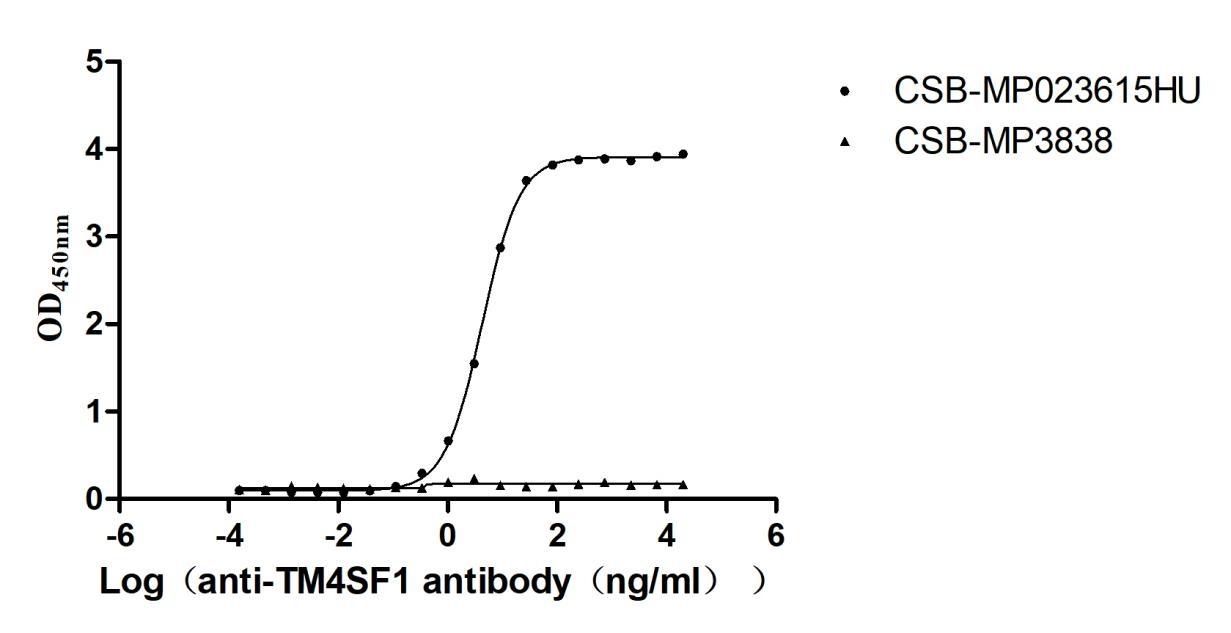
Recombinant Human Transmembrane 4 L6 family member 1(TM4SF1)-VLPs (Active)
Express system: Mammalian cell
Species: Homo sapiens (Human)
-
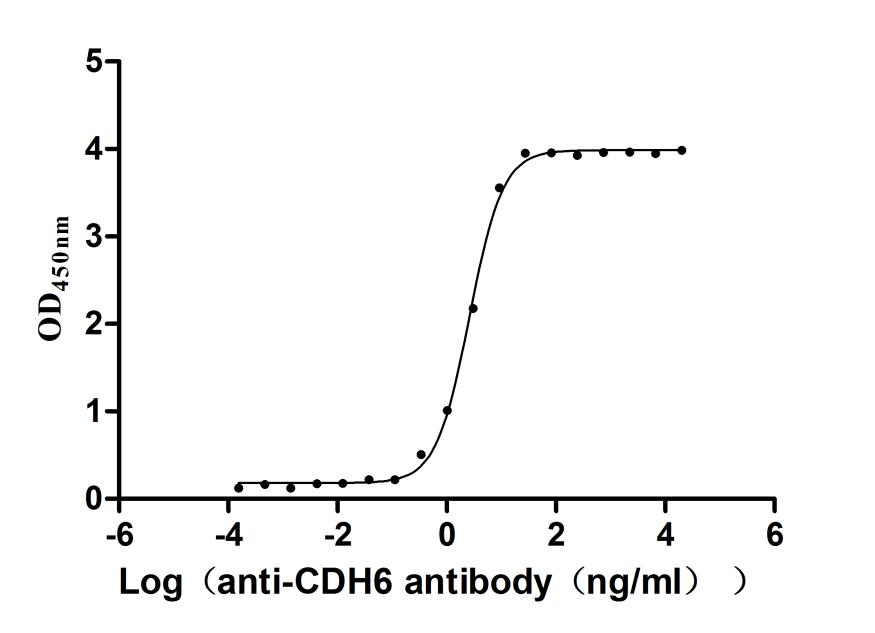
Recombinant Human Cadherin-6 (CDH6), partial (Active)
Express system: Mammalian cell
Species: Homo sapiens (Human)