Recombinant Human Uroporphyrinogen decarboxylase (UROD)
-
中文名稱:人UROD重組蛋白
-
貨號:CSB-YP025678HU
-
規(guī)格:
-
來源:Yeast
-
其他:
-
中文名稱:人UROD重組蛋白
-
貨號:CSB-EP025678HU
-
規(guī)格:
-
來源:E.coli
-
其他:
-
中文名稱:人UROD重組蛋白
-
貨號:CSB-EP025678HU-B
-
規(guī)格:
-
來源:E.coli
-
共軛:Avi-tag Biotinylated
E. coli biotin ligase (BirA) is highly specific in covalently attaching biotin to the 15 amino acid AviTag peptide. This recombinant protein was biotinylated in vivo by AviTag-BirA technology, which method is BriA catalyzes amide linkage between the biotin and the specific lysine of the AviTag.
-
其他:
-
中文名稱:人UROD重組蛋白
-
貨號:CSB-BP025678HU
-
規(guī)格:
-
來源:Baculovirus
-
其他:
-
中文名稱:人UROD重組蛋白
-
貨號:CSB-MP025678HU
-
規(guī)格:
-
來源:Mammalian cell
-
其他:
產品詳情
-
純度:>85% (SDS-PAGE)
-
基因名:UROD
-
Uniprot No.:
-
別名:DCUP_HUMAN; PCT; UPD; URO D; URO-D; urod; Uroporphyrinogen decarboxylase; Uroporphyrinogen III decarboxylase
-
種屬:Homo sapiens (Human)
-
蛋白長度:Full length protein
-
表達區(qū)域:1-367
-
氨基酸序列MEANGLGPQG FPELKNDTFL RAAWGEETDY TPVWCMRQAG RYLPEFRETR AAQDFFSTCR SPEACCELTL QPLRRFPLDA AIIFSDILVV PQALGMEVTM VPGKGPSFPE PLREEQDLER LRDPEVVASE LGYVFQAITL TRQRLAGRVP LIGFAGAPWT LMTYMVEGGG SSTMAQAKRW LYQRPQASHQ LLRILTDALV PYLVGQVVAG AQALQLFESH AGHLGPQLFN KFALPYIRDV AKQVKARLRE AGLAPVPMII FAKDGHFALE ELAQAGYEVV GLDWTVAPKK ARECVGKTVT LQGNLDPCAL YASEEEIGQL VKQMLDDFGP HRYIANLGHG LYPDMDPEHV GAFVDAVHKH SRLLRQN
-
蛋白標簽:Tag?type?will?be?determined?during?the?manufacturing?process.
The tag type will be determined during production process. If you have specified tag type, please tell us and we will develop the specified tag preferentially. -
產品提供形式:Lyophilized powder
Note: We will preferentially ship the format that we have in stock, however, if you have any special requirement for the format, please remark your requirement when placing the order, we will prepare according to your demand. -
復溶:We recommend that this vial be briefly centrifuged prior to opening to bring the contents to the bottom. Please reconstitute protein in deionized sterile water to a concentration of 0.1-1.0 mg/mL.We recommend to add 5-50% of glycerol (final concentration) and aliquot for long-term storage at -20℃/-80℃. Our default final concentration of glycerol is 50%. Customers could use it as reference.
-
儲存條件:Store at -20°C/-80°C upon receipt, aliquoting is necessary for mutiple use. Avoid repeated freeze-thaw cycles.
-
保質期:The shelf life is related to many factors, storage state, buffer ingredients, storage temperature and the stability of the protein itself.
Generally, the shelf life of liquid form is 6 months at -20°C/-80°C. The shelf life of lyophilized form is 12 months at -20°C/-80°C. -
貨期:Delivery time may differ from different purchasing way or location, please kindly consult your local distributors for specific delivery time.Note: All of our proteins are default shipped with normal blue ice packs, if you request to ship with dry ice, please communicate with us in advance and extra fees will be charged.
-
注意事項:Repeated freezing and thawing is not recommended. Store working aliquots at 4°C for up to one week.
-
Datasheet :Please contact us to get it.
產品評價

相關產品
靶點詳情
-
功能:Catalyzes the decarboxylation of four acetate groups of uroporphyrinogen-III to yield coproporphyrinogen-III.
-
基因功能參考文獻:
- a new mutation in the UROD gene in Egyptian patients with Hepatoerythropoietic porphyria, is reported. PMID: 26789143
- a new insight in the conformational changes occurred in the mutant structures of UROD protein. PMID: 24777812
- Data suggest that the traditional Chinese medicine (TCM) candidate potential three-in-one inhibitors for three drug target proteins epidermal growth factor receptor (EGFR), Her2, and uroporphyrinogen decarboxylase (UROD) against head and neck cancer. PMID: 23140436
- Expression of the D306Y mutation results in an insoluble recombinant protein. G318R and K297N have little effect on the structure or activity of recombinant URO-D, but the proteins display reduced stability in vitro. PMID: 19656450
- Among seventeen F-PCT patients, sixteen UROD mutations were identified. PMID: 23545314
- analysis of uroporphyrinogen decarboxylase as a potential target for specific components of traditional Chinese medicine PMID: 23209648
- Mutations in UROD gene is associated with familial porphyria cutanea tarda. PMID: 22382040
- Hepatoerythropoietic porphyria and familial porphyria cutanea tarda G281E mutation in the uroporphyrinogen decarboxylase gene PMID: 21079081
- function of Arg37 in uroporphyrinogen III decarboxylase PMID: 20553007
- description of 3 siblings with hepatoerythropoietic porphyria; sequencing of the UROD gene revealed compound heterozygosity for a novel missense mutation, V166A, and a complex deletion/insertion, 645del1053ins10 PMID: 20479301
- Sequence deletions in uroporphyrinogen decarboxylase is associated with Porphyria Cutanea Tarda. PMID: 15046048
- we identified eight mutations in 18 previously unclassified porphyria cutanea tarda families PMID: 15186324
- Sequencing of the hydroxymethylbilane synthase and uroporphyrinogen decarboxylase genes confirmed the relatively rare diagnosis of dual porphyria, and revealed a novel uroporphyrinogen decarboxylase mutation PMID: 16390615
- There is a high degree of molecular heterogeneity of familial porphyria cutanea tarda in Spain and molecular genetic analysis is useful in distinguish between F-PCT and sporadic PCT. PMID: 17627795
- role of UROD mutations as a strong risk factor for porphyria cutanea tarda even in areas where environmental factors (hepatitis C virus) have been shown to be highly associated with the disease PMID: 19419417
顯示更多
收起更多
-
相關疾病:Familial porphyria cutanea tarda (FPCT); Hepatoerythropoietic porphyria (HEP)
-
亞細胞定位:Cytoplasm.
-
蛋白家族:Uroporphyrinogen decarboxylase family
-
數(shù)據(jù)庫鏈接:
Most popular with customers
-
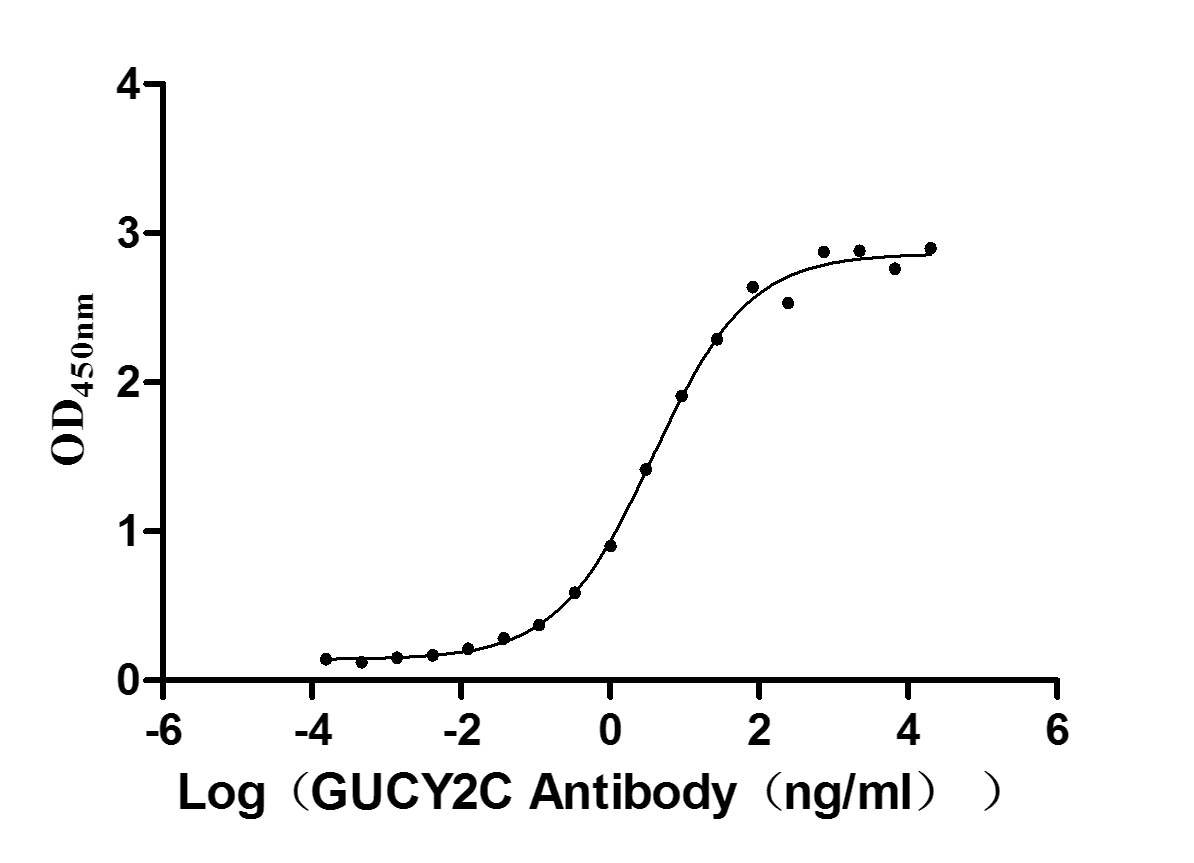
Recombinant Human Heat-stable enterotoxin receptor (GUCY2C), partial (Active)
Express system: Mammalian cell
Species: Homo sapiens (Human)
-
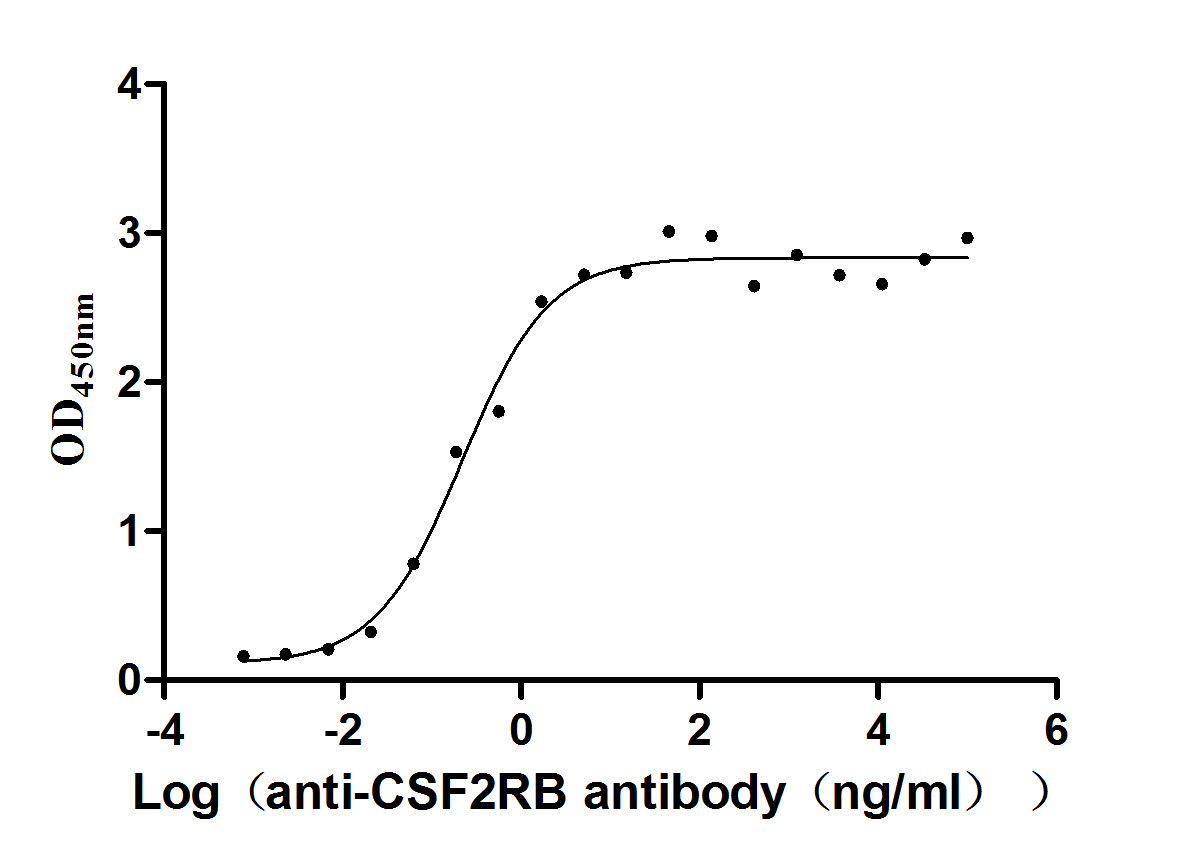
Recombinant Human Cytokine receptor common subunit beta (CSF2RB), partial (Active)
Express system: Mammalian cell
Species: Homo sapiens (Human)
-
-AC1.jpg)
Recombinant Human Angiopoietin-2 (ANGPT2) (Active)
Express system: Mammalian cell
Species: Homo sapiens (Human)
-
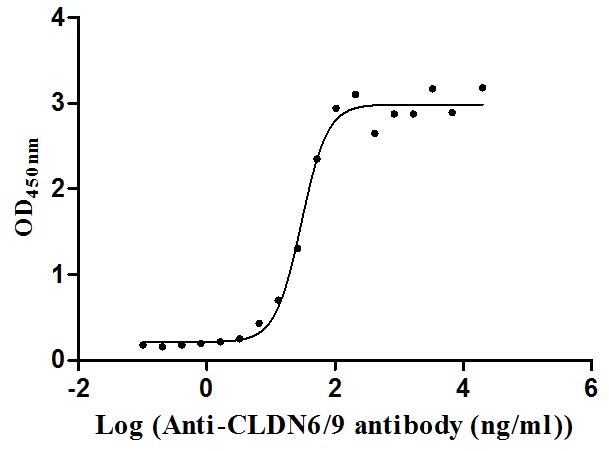
Recombinant Human Claudin-9 (CLDN9)-VLPs (Active)
Express system: Mammalian cell
Species: Homo sapiens (Human)
-
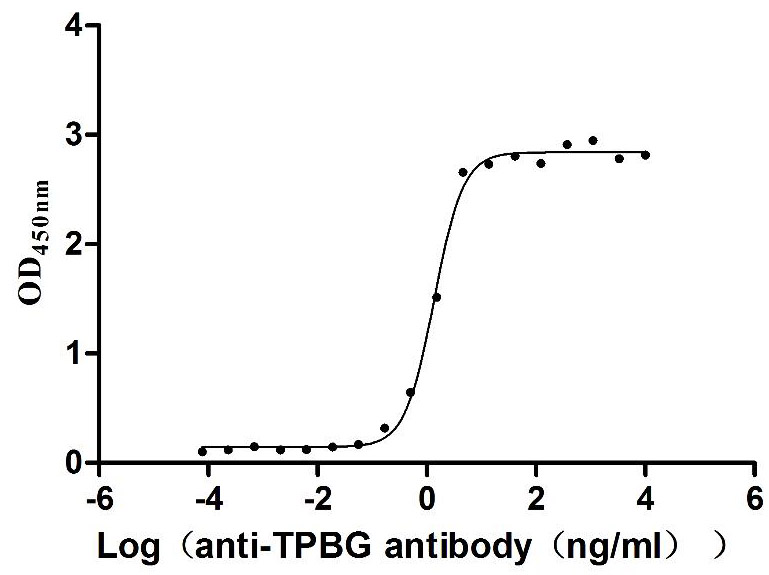
Recombinant Human Trophoblast glycoprotein (TPBG), partial (Active)
Express system: Mammalian cell
Species: Homo sapiens (Human)
-
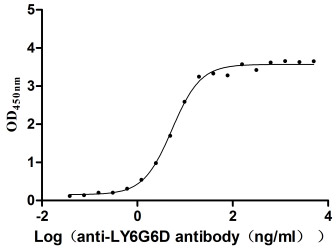
Recombinant Macaca fascicularis lymphocyte antigen 6 family member G6D (LY6G6D) (Active)
Express system: Yeast
Species: Macaca fascicularis (Crab-eating macaque) (Cynomolgus monkey)
-
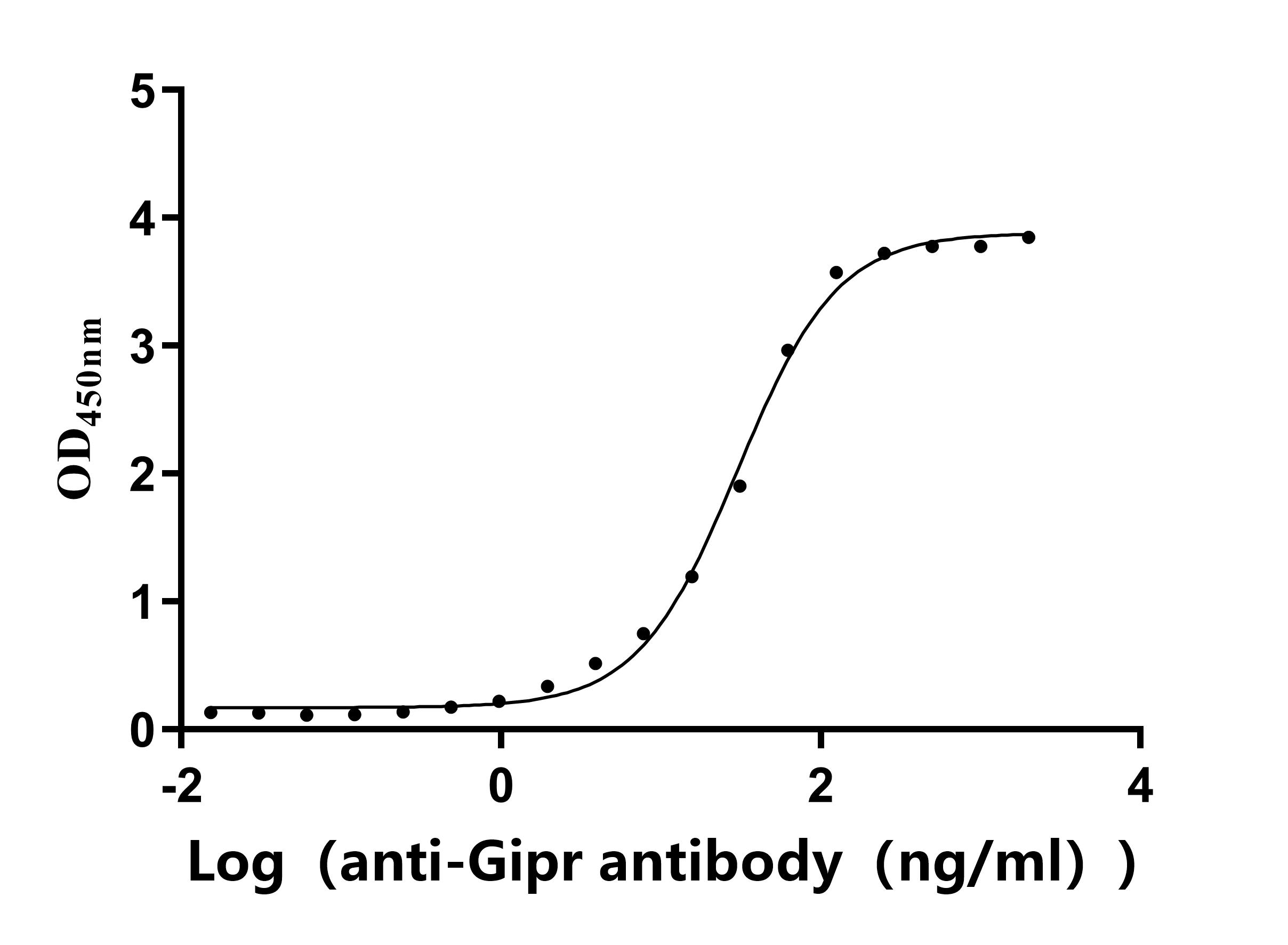
Recombinant Rat Gastric inhibitory polypeptide receptor (Gipr), partial (Active)
Express system: Mammalian cell
Species: Rattus norvegicus (Rat)
-
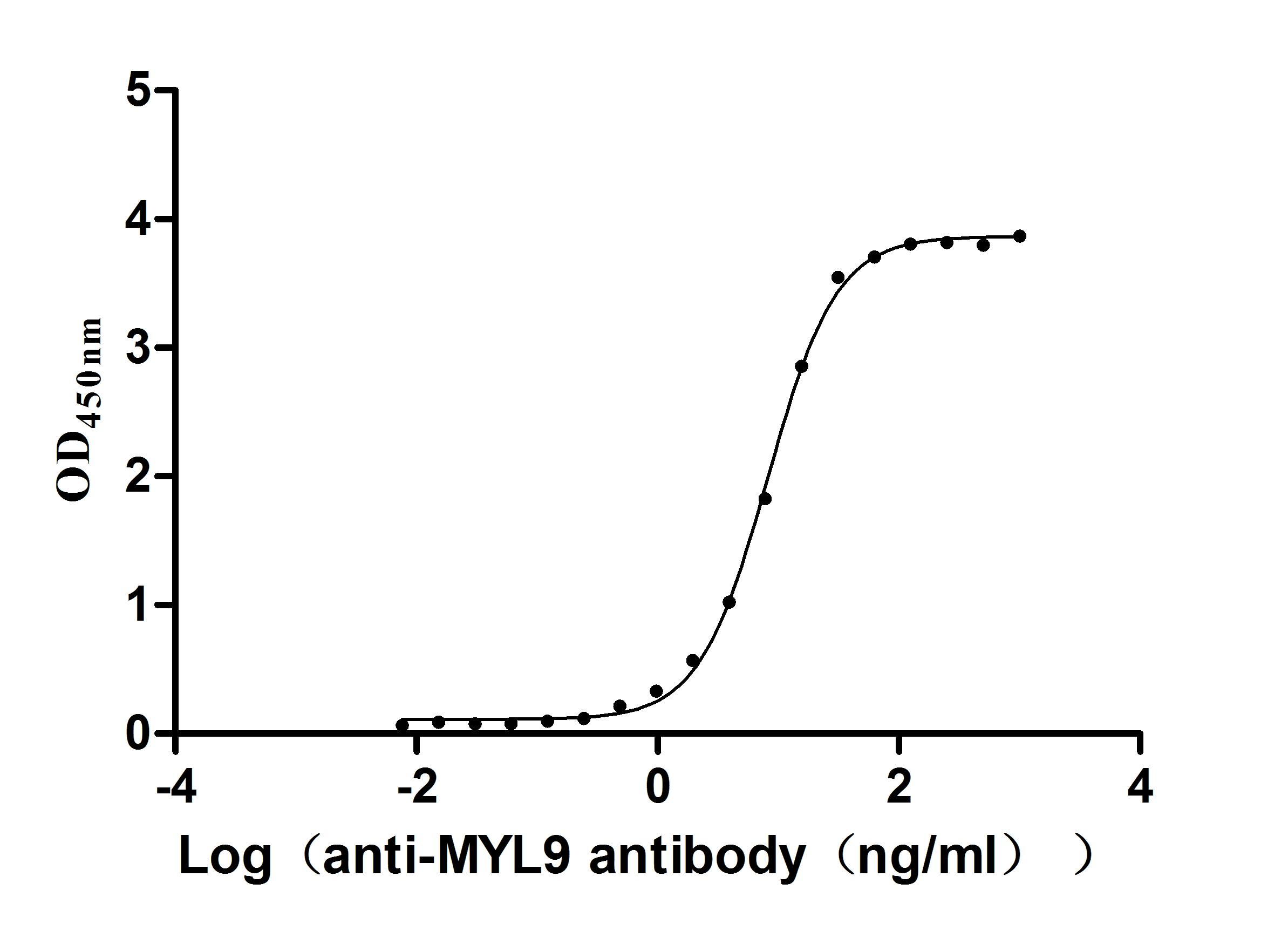
Recombinant Human Myosin regulatory light chain 12B (MYL12B) (Active)
Express system: E.coli
Species: Homo sapiens (Human)