Recombinant Human Unconventional myosin-Ie (MYO1E), partial
-
中文名稱:人MYO1E重組蛋白
-
貨號:CSB-YP621526HU
-
規格:
-
來源:Yeast
-
其他:
-
中文名稱:人MYO1E重組蛋白
-
貨號:CSB-EP621526HU
-
規格:
-
來源:E.coli
-
其他:
-
中文名稱:人MYO1E重組蛋白
-
貨號:CSB-EP621526HU-B
-
規格:
-
來源:E.coli
-
共軛:Avi-tag Biotinylated
E. coli biotin ligase (BirA) is highly specific in covalently attaching biotin to the 15 amino acid AviTag peptide. This recombinant protein was biotinylated in vivo by AviTag-BirA technology, which method is BriA catalyzes amide linkage between the biotin and the specific lysine of the AviTag.
-
其他:
-
中文名稱:人MYO1E重組蛋白
-
貨號:CSB-BP621526HU
-
規格:
-
來源:Baculovirus
-
其他:
-
中文名稱:人MYO1E重組蛋白
-
貨號:CSB-MP621526HU
-
規格:
-
來源:Mammalian cell
-
其他:
產品詳情
-
純度:>85% (SDS-PAGE)
-
基因名:MYO1E
-
Uniprot No.:
-
別名:FSGS6; HuncM-IC; MYO1C; Myo1e; MYO1E variant protein; MYO1E_HUMAN; Myosin heavy chain myr 3; Myosin IC, formerly; Myosin IE; Myosin-Ic; Myr 3; Myr3; MYR5; Unconventional myosin 1E; Unconventional myosin Ie; Unconventional myosin-Ie
-
種屬:Homo sapiens (Human)
-
蛋白長度:Partial
-
蛋白標簽:Tag?type?will?be?determined?during?the?manufacturing?process.
The tag type will be determined during production process. If you have specified tag type, please tell us and we will develop the specified tag preferentially. -
產品提供形式:Lyophilized powder
Note: We will preferentially ship the format that we have in stock, however, if you have any special requirement for the format, please remark your requirement when placing the order, we will prepare according to your demand. -
復溶:We recommend that this vial be briefly centrifuged prior to opening to bring the contents to the bottom. Please reconstitute protein in deionized sterile water to a concentration of 0.1-1.0 mg/mL.We recommend to add 5-50% of glycerol (final concentration) and aliquot for long-term storage at -20℃/-80℃. Our default final concentration of glycerol is 50%. Customers could use it as reference.
-
儲存條件:Store at -20°C/-80°C upon receipt, aliquoting is necessary for mutiple use. Avoid repeated freeze-thaw cycles.
-
保質期:The shelf life is related to many factors, storage state, buffer ingredients, storage temperature and the stability of the protein itself.
Generally, the shelf life of liquid form is 6 months at -20°C/-80°C. The shelf life of lyophilized form is 12 months at -20°C/-80°C. -
貨期:Delivery time may differ from different purchasing way or location, please kindly consult your local distributors for specific delivery time.Note: All of our proteins are default shipped with normal blue ice packs, if you request to ship with dry ice, please communicate with us in advance and extra fees will be charged.
-
注意事項:Repeated freezing and thawing is not recommended. Store working aliquots at 4°C for up to one week.
-
Datasheet :Please contact us to get it.
產品評價

相關產品
靶點詳情
-
功能:Myosins are actin-based motor molecules with ATPase activity. Unconventional myosins serve in intracellular movements. Their highly divergent tails bind to membranous compartments, which are then moved relative to actin filaments. Binds to membranes containing anionic phospholipids via its tail domain. Required for normal morphology of the glomerular basement membrane, normal development of foot processes by kidney podocytes and normal kidney function. In dendritic cells, may control the movement of class II-containing cytoplasmic vesicles along the actin cytoskeleton by connecting them with the actin network via ARL14EP and ARL14.
-
基因功能參考文獻:
- our data suggests that MYO1E contributes to breast tumor malignancy and regulates the differentiation and proliferation state of breast tumor cells. PMID: 27329840
- The ERK signaling pathway thus promotes cell motility through regulation of the subcellular localization of Myo1E. PMID: 27502487
- Coinheritance of COL4A5 and MYO1E mutations accentuate the severity of kidney disease. PMID: 25739341
- Myo1e is a key component contributing to the functional integrity of podocytes. PMID: 23977349
- MYO1E mutations are not a major cause of Chinese familial Steroid-resistant nephrotic syndrome. PMID: 24750828
- Homozygosity mapping and exome sequencing in a consanguineous kindred identified MYO1E and NEIL1 as novel candidate genes for human autosomal recessive steroid-resistant nephrotic syndrome. PMID: 21697813
- MYO1E mutations are associated with childhood-onset, glucocorticoid-resistant focal segmental glomerulosclerosis. PMID: 21756023
- myo1e binds lipids through nonspecific electrostatic interactions rather than a stereospecific protein-phosphoinositide interaction. PMID: 20860408
- The kinetic mechanism of Myo1e (human myosin-IC). PMID: 11940582
- Two proteins with prominent functions in endocytosis, synaptojanin-1 and dynamin, bind to the SH3 domain of human Myo1E. PMID: 17257598
顯示更多
收起更多
-
相關疾病:Focal segmental glomerulosclerosis 6 (FSGS6)
-
亞細胞定位:Cytoplasm. Cytoplasm, cytoskeleton. Cytoplasmic vesicle. Cytoplasmic vesicle, clathrin-coated vesicle. Cell junction.
-
蛋白家族:TRAFAC class myosin-kinesin ATPase superfamily, Myosin family
-
組織特異性:Expressed in the immune system. In the kidney, predominantly expressed in the glomerulus, including podocytes.
-
數據庫鏈接:
Most popular with customers
-
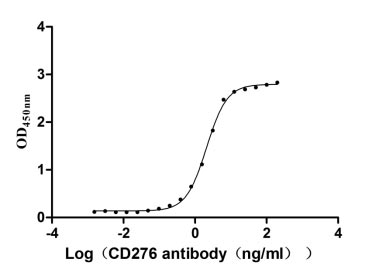
Recombinant Human CD276 antigen (CD276), partial (Active)
Express system: Mammalian cell
Species: Homo sapiens (Human)
-
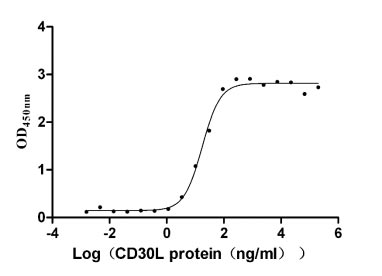
Recombinant Human Tumor necrosis factor receptor superfamily member 8 (TNFRSF8), partial (Active)
Express system: Mammalian cell
Species: Homo sapiens (Human)
-
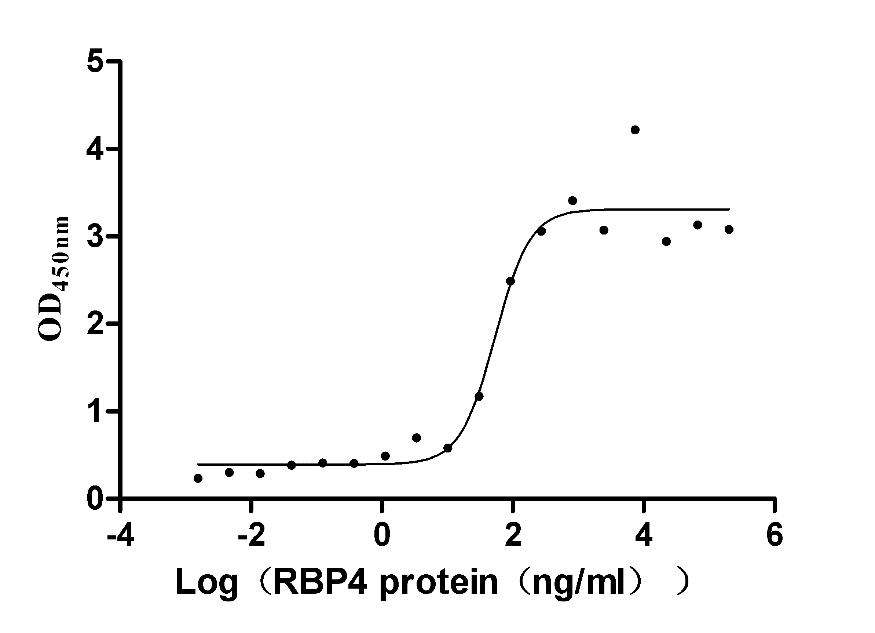
Recombinant Mouse Retinol-binding protein 4 (Rbp4) (Active)
Express system: Mammalian cell
Species: Mus musculus (Mouse)
-
Recombinant Human C-C chemokine receptor type 8 (CCR8)-VLPs (Active)
Express system: Mammalian cell
Species: Homo sapiens (Human)
-
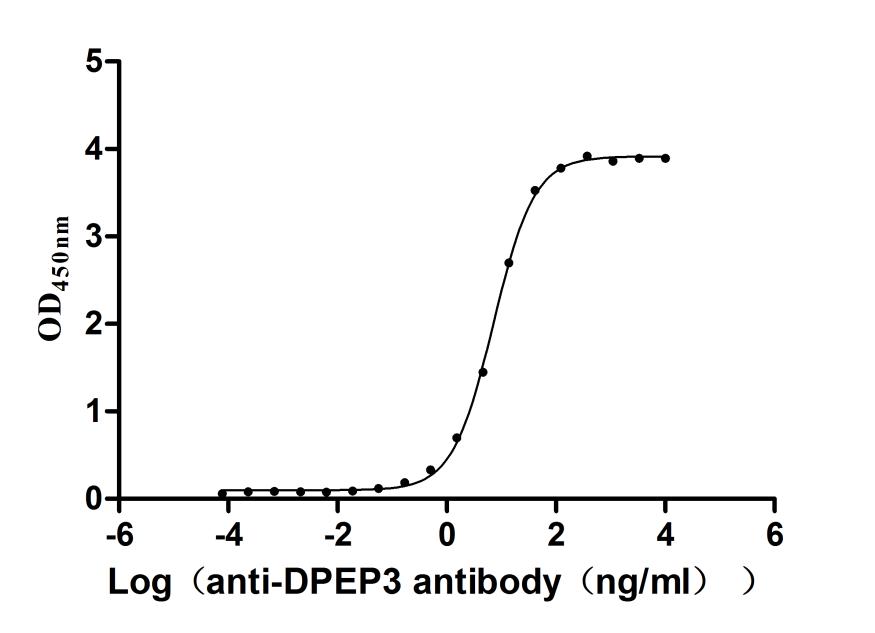
Recombinant Human Dipeptidase 3(DPEP3), partial (Active)
Express system: Mammalian cell
Species: Homo sapiens (Human)
-
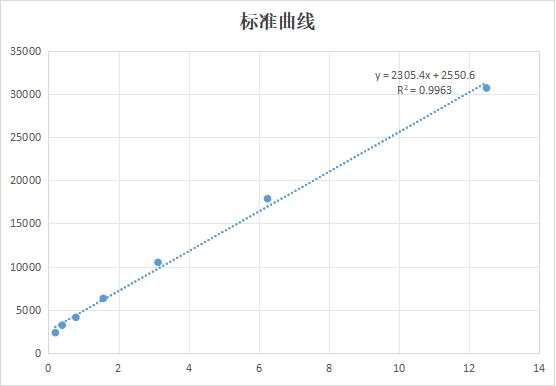
Recombinant Human Urokinase-type plasminogen activator(PLAU) (Active)
Express system: Mammalian cell
Species: Homo sapiens (Human)