Recombinant Human T-box transcription factor TBX5 (TBX5)
-
中文名稱:人TBX5重組蛋白
-
貨號:CSB-YP857866HU
-
規格:
-
來源:Yeast
-
其他:
-
中文名稱:人TBX5重組蛋白
-
貨號:CSB-EP857866HU-B
-
規格:
-
來源:E.coli
-
共軛:Avi-tag Biotinylated
E. coli biotin ligase (BirA) is highly specific in covalently attaching biotin to the 15 amino acid AviTag peptide. This recombinant protein was biotinylated in vivo by AviTag-BirA technology, which method is BriA catalyzes amide linkage between the biotin and the specific lysine of the AviTag.
-
其他:
-
中文名稱:人TBX5重組蛋白
-
貨號:CSB-BP857866HU
-
規格:
-
來源:Baculovirus
-
其他:
-
中文名稱:人TBX5重組蛋白
-
貨號:CSB-MP857866HU
-
規格:
-
來源:Mammalian cell
-
其他:
產品詳情
-
純度:>85% (SDS-PAGE)
-
基因名:
-
Uniprot No.:
-
別名:Holt Oram syndrome; HOS; T box 5; T box protein 5; T box transcription factor TBX 5; T box transcription factor TBX5; T-box protein 5; T-box transcription factor TBX5; TBX 5; TBX5; TBX5_HUMAN; Transcription factor T box 5
-
種屬:Homo sapiens (Human)
-
蛋白長度:full length protein
-
表達區域:1-518
-
氨基酸序列MADADEGFGL AHTPLEPDAK DLPCDSKPES ALGAPSKSPS SPQAAFTQQG MEGIKVFLHE RELWLKFHEV GTEMIITKAG RRMFPSYKVK VTGLNPKTKY ILLMDIVPAD DHRYKFADNK WSVTGKAEPA MPGRLYVHPD SPATGAHWMR QLVSFQKLKL TNNHLDPFGH IILNSMHKYQ PRLHIVKADE NNGFGSKNTA FCTHVFPETA FIAVTSYQNH KITQLKIENN PFAKGFRGSD DMELHRMSRM QSKEYPVVPR STVRQKVASN HSPFSSESRA LSTSSNLGSQ YQCENGVSGP SQDLLPPPNP YPLPQEHSQI YHCTKRKEEE CSTTDHPYKK PYMETSPSEE DSFYRSSYPQ QQGLGASYRT ESAQRQACMY ASSAPPSEPV PSLEDISCNT WPSMPSYSSC TVTTVQPMDR LPYQHFSAHF TSGPLVPRLA GMANHGSPQL GEGMFQHQTS VAHQPVVRQC GPQTGLQSPG TLQPPEFLYS HGVPRTLSPH QYHSVHGVGM VPEWSDNS
-
蛋白標簽:Tag?type?will?be?determined?during?the?manufacturing?process.
The tag type will be determined during production process. If you have specified tag type, please tell us and we will develop the specified tag preferentially. -
產品提供形式:Lyophilized powder
Note: We will preferentially ship the format that we have in stock, however, if you have any special requirement for the format, please remark your requirement when placing the order, we will prepare according to your demand. -
復溶:We recommend that this vial be briefly centrifuged prior to opening to bring the contents to the bottom. Please reconstitute protein in deionized sterile water to a concentration of 0.1-1.0 mg/mL.We recommend to add 5-50% of glycerol (final concentration) and aliquot for long-term storage at -20℃/-80℃. Our default final concentration of glycerol is 50%. Customers could use it as reference.
-
儲存條件:Store at -20°C/-80°C upon receipt, aliquoting is necessary for mutiple use. Avoid repeated freeze-thaw cycles.
-
保質期:The shelf life is related to many factors, storage state, buffer ingredients, storage temperature and the stability of the protein itself.
Generally, the shelf life of liquid form is 6 months at -20°C/-80°C. The shelf life of lyophilized form is 12 months at -20°C/-80°C. -
貨期:Delivery time may differ from different purchasing way or location, please kindly consult your local distributors for specific delivery time.Note: All of our proteins are default shipped with normal blue ice packs, if you request to ship with dry ice, please communicate with us in advance and extra fees will be charged.
-
注意事項:Repeated freezing and thawing is not recommended. Store working aliquots at 4°C for up to one week.
-
Datasheet :Please contact us to get it.
產品評價

相關產品
靶點詳情
-
功能:DNA-binding protein that regulates the transcription of several genes and is involved in heart development and limb pattern formation. Binds to the core DNA motif of NPPA promoter.
-
基因功能參考文獻:
- The single nucleotide polymorphisms (SNPs) of NKX2.5, GATA4, and TBX5 are highly associated with congenital heart diseases in the Chinese population, but not significant in the SNPs of FOG2. PMID: 29972125
- Study showed that thalidomide inhibited the TBX5/HAND2 physical interaction, and the in silico docking revealed that the same amino acids involved in the interaction of TBX5 with DNA are also involved in its binding to HAND2. Results establish a HAND2/TBX5 pathway implicated in heart development and diseases. PMID: 28469241
- down-regulation of miR-10a-5p promotes proliferation and restricts apoptosis via targeting TBX5 in inflamed synoviocytes. PMID: 29545315
- Diagnosis of Holt-Oram syndrome is possible as early as in prenatal period and it can be verified by genetic tests. PMID: 27958623
- TBX5 overexpression markedly suppressed in vitro NSCLC cell proliferation, colony formation, and invasion and induced apoptosis. PMID: 28276311
- TBX5 variants show possible pathogenic Fibrosis of the Cardiac Conduction system. PMID: 27005929
- TBX5 deficiency-mediated downregulation of NFAT3 is crucial for the high cytokine-producing activity of T cells PMID: 29180489
- A novel heterozygous missense mutation in TBX5 gene identified in a case of ventricular septal defect. The mutation causes significant changes of the activity of TBX5 in vitro. PMID: 28434921
- There is no difference in NKX2.5 and TBX5 gene mutations between in vitro fertilization and naturally conceived children with congenital heart disease (CHD). PMID: 28606231
- Rs7312625 of TBx5 gene was significantly associated with lone atrial fibrillation, and snp-snp interaction increased the risk of atrial fibrillation. PMID: 27479212
- Hence, the variant distribution of NKX2-5, GATA4 and TBX5 are tightly associated with particular Congenital heart disease subtypes. Further structure-modelling analysis revealed that these mutated amino acid residuals maintain their DNA-binding ability and structural stability PMID: 27426723
- Findings suggest that a single introduction of the three cardiomyogenic transcription factor (GATA4, cand TBX5)genes using polyethyleneimine (PEI)-based transfection is sufficient for transdifferentiation of adipose-derived stem cells (hADSCs) towards the cardiomyogenic lineage. PMID: 27553283
- Three genes-ATP6V1G1 in 9q32, GMPS in 3q25.31, and TBX5 in 12q24.21-exhibited concomitant hypermethylation and decreased expression. The i(12p)-positive cells displayed global hypomethylation of gene-poor regions on 12p, a footprint previously associated with constitutional and acquired gains of whole chromosomes as well as with X-chromosome inactivation in females PMID: 26890086
- report on the association between a TBX5 lossoffunction mutation and increased susceptibility to atrial fibrillation PMID: 27035640
- Whole-genome microarray mRNA-expression profiles of myofibroblasts and skin fibroblasts revealed four additional genes that are significantly differentially expressed in these two cell types: NKX2-3 and LRRC17 in myofibroblasts and SHOX2 and TBX5 in skin fibroblasts PMID: 27036009
- The Barrett-associated variants at GDF7 and TBX5 also increase esophageal adenocarcinoma risk. PMID: 26783083
- These include a patient with hypoplastic phalanges and absent hallux bilaterally with de novo deletion of 11.9 Mb on 7p21.1-22.1 spanning 63 genes including RAC1, another patient with severe Holt-Oram syndrome and a large de novo deletion 2.2 Mb on 12q24.13-24.21 spanning 20 genes including TBX3 and TBX5, and a third patient with acheiropodia who had a nullizygous deletion of 102 kb on 7q36.3 spanning LMBR1 PMID: 26749485
- provide both genetic and functional evidence to support the contribution of TBX5 gene in the pathogenesis of Atrial fibrillation PMID: 26762269
- In summary, our study implicated a gene network involving Tbx5, Osr1 and Pcsk6 interaction in second heart field for atrial septation, providing a molecular framework for understanding the role of Tbx5 in congenital heart disease ontogeny. PMID: 26744331
- The findings expand the mutational spectrum of TBX5 linked to Atrial fibrillation (AF), and provide new evidence that dysfunctional TBX5 may contribute to lone AF. PMID: 26917986
- TBX5 microdeletion with microinsertion was detected in patient with Holt-Oram syndrome. PMID: 26780237
- The crystal structure of cardiac TBX5 protein includes the N-terminal and DNA binding domains, which mediate intermolecular interactions. PMID: 26926761
- Exome analysis revealed the splice mutation (c.148-1G>C) in TBX5 gene showing that haploinsufficiency of TBX5 protein caused the symptoms of the patients with Holt-Oram syndrome. PMID: 26401820
- defines a TBX5-nucleosome remodeling and deacetylase interaction essential to cardiac development and the evolution of the mammalian heart PMID: 26859351
- Data show that the combination of GATA binding protein 4 (Gata4), T-box transcription factor 5 (Tbx5) and BRG1-associated factor 60C protein (Baf60c) is sufficient for inducing adipose tissue-derived mesenchymal stem cells (ADMSCs) to form cardiomyocytes. PMID: 26071180
- All Holt-Oram syndrome patients in this study showed cardiac septal anomalies. Half of them showed TBX5 gene mutations. PMID: 25216260
- a novel heterozygous TBX5 mutation, p.A143T, was identified in a patient with sporadic dilated cardiomyopathy. PMID: 25963046
- TBX5 mutation is involved in the development of cardiac conduction disorders. PMID: 25426816
- Two heterozygous mutations in TBX5 were discovered in screening a series of 94 patients with Tetralogy of Fallot. PMID: 25263169
- A novel TBX5 mutation, p.S154A, was identified in a family with familial dilated cardiomyopathy.The mutation was associated with significantly decreased TBX5 transcriptional activity. PMID: 25725155
- a novel mutation of TBX5 gene in Holt-Oram Syndrome PMID: 24408148
- TBX5 isoforms derived from novel exons have distinct expression domains and function. Alternative splicing regulates TBX5 function in heart and limb. PMID: 25623069
- TBX5 mutations and clinical features of Holt-Oram syndrome. [Review] PMID: 25680289
- This is a novel gene implicated in atrial fibrillation PMID: 25124494
- miR-10a and miR-10b repressed TBX5 expression and decreased TBX5 protein levels by targeting the TBX5 3'-untranslated region in Congenital heart disease patients . PMID: 24714979
- closest protein-coding genes were respectively GDF7 (rs3072), which encodes a ligand in the bone morphogenetic protein pathway, and TBX5 (rs2701108), which encodes a transcription factor that regulates esophageal and cardiac development PMID: 25447851
- Reprogramming efficiency was significantly enhanced for cardiac myocytes when there were lower levels of Tbx5. PMID: 25416133
- Rheumatoid arthritis synovial fibroblasts contribute to the inflammatory processes operating in the pathogenesis of rheumatoid arthritis via epigenetic control of TBX5. PMID: 25320281
- Data show that Hdac3 physically interacts with Tbx5 and modulates its acetylation to repress Tbx5-dependent activation of cardiomyocyte lineage-specific genes. PMID: 24565863
- The TBX5 DNA-binding domain complex was shown to interact with a DNA element from atrial natriuretic factor. PMID: 24817716
- Tbx5 knock-down hearts displayed a marked decrease in vascular density and coronary vasculogenesis. PMID: 25245104
- Our results indicate that rs3825214 conferred a significant risk of lone AF in this Chinese Han population. PMID: 23717681
- beta-catenin forms a complex with YAP1 and TBX5, which promotes colon cancer cell survival and contributes to malignant transformation. These observations reveal hitherto unidentified components of the beta-catenin pathway that play key roles in survival of beta-catenin-active cells. PMID: 23245941
- Single-base-pair mutation in the TBX5 enhancer is associated with the isolated congenital heart disease. PMID: 22543974
- This is the first known report of an intragenic duplication of TBX5 and its clinical effects; an atypical HOS phenotype. PMID: 22333898
- data will not only deepen our understanding of genetic causes of CHD but also provide insight into designing novel personalized therapy for adult patients with CHD by upregulating TBX5 gene expression with different approache PMID: 22901678
- We will introduce several genetic approaches, which have been or are currently being applied to the study of PDA, that have been successful in identifying polymorphisms associated with adult diseases. PMID: 22414880
- Mutations of TBX5 cause Holt-Oram syndrome, which includes congenital heart disease as a clinical feature. PMID: 22011241
- This incomplete penetrance has not been described in TBX5-associated Holt-Oram syndrome or in families with clinical Holt-Oram syndrome PMID: 21752519
- Data show that Tbx4 and Tbx5 harbour conserved and divergent transcriptional regulatory domains that account for their roles in limb development. In particular, both factors share an activator domain and the ability to stimulate limb growth PMID: 20975709
顯示更多
收起更多
-
相關疾病:Holt-Oram syndrome (HOS)
-
亞細胞定位:Nucleus. Cytoplasm.
-
數據庫鏈接:
Most popular with customers
-
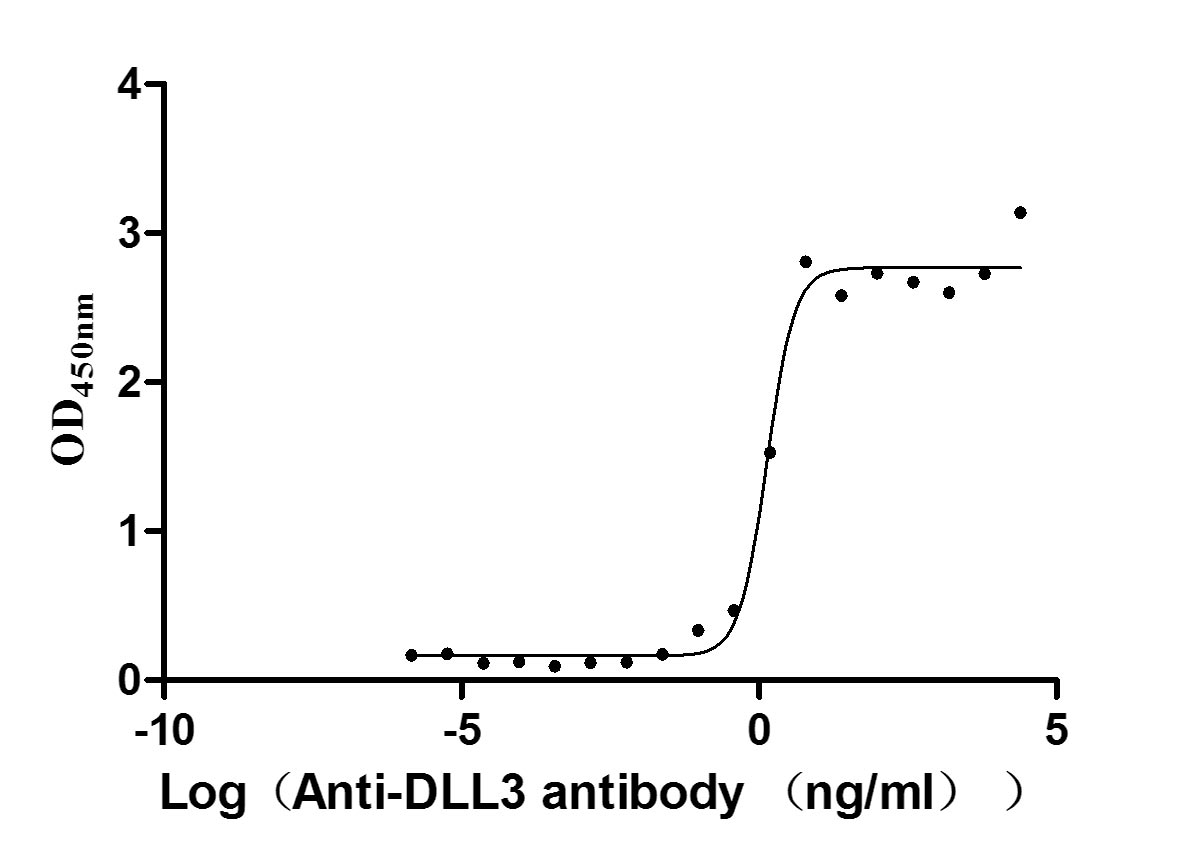
Recombinant Human Delta-like protein 3 (DLL3), partial (Active)
Express system: Mammalian cell
Species: Homo sapiens (Human)
-
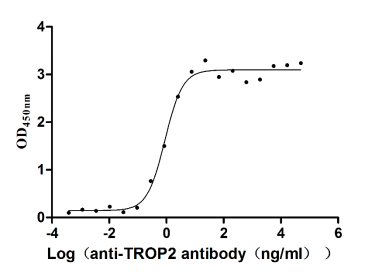
Recombinant Human Tumor-associated calcium signal transducer 2 (TACSTD2), partial (Active)
Express system: Mammalian cell
Species: Homo sapiens (Human)
-
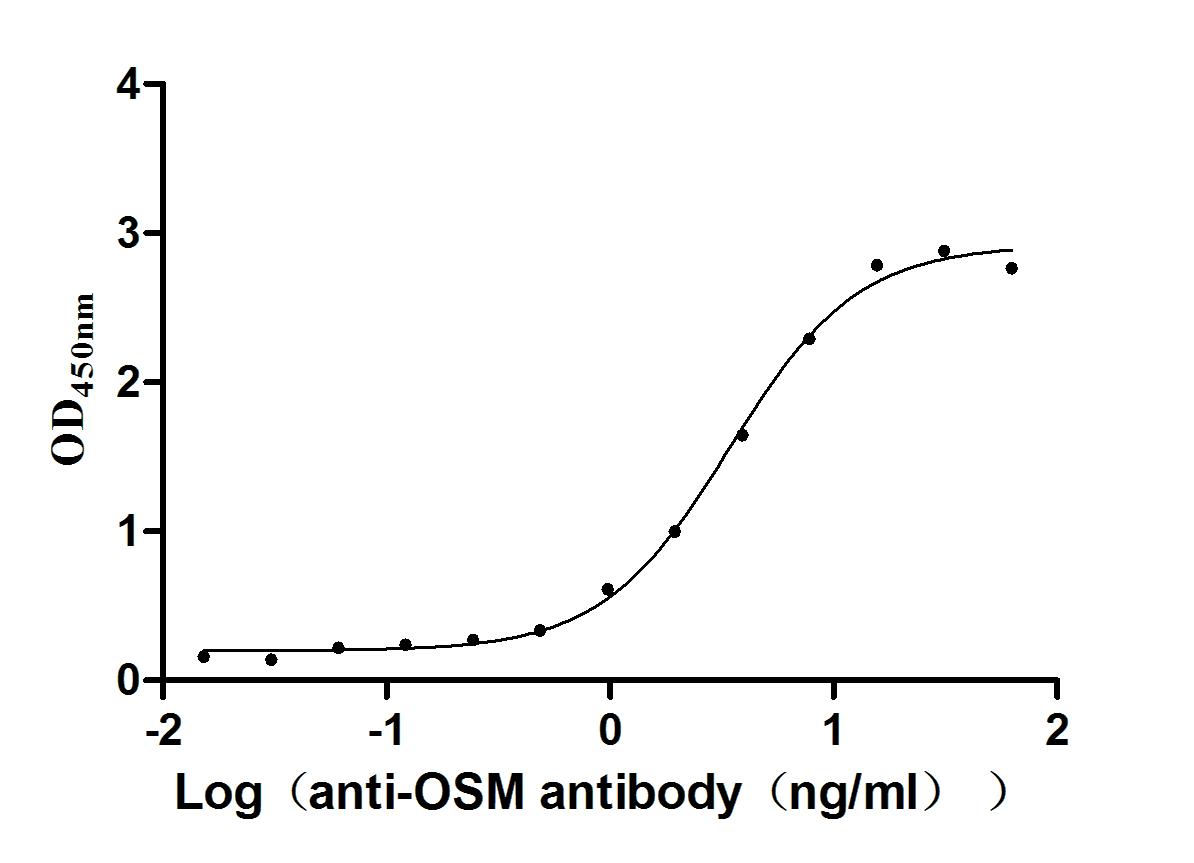
Recombinant Human Oncostatin-M (OSM), partial (Active)
Express system: Mammalian cell
Species: Homo sapiens (Human)
-
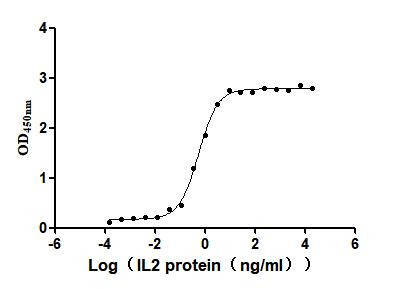
Recombinant Human Interleukin-2 (IL2) (Active)
Express system: Mammalian cell
Species: Homo sapiens (Human)
-
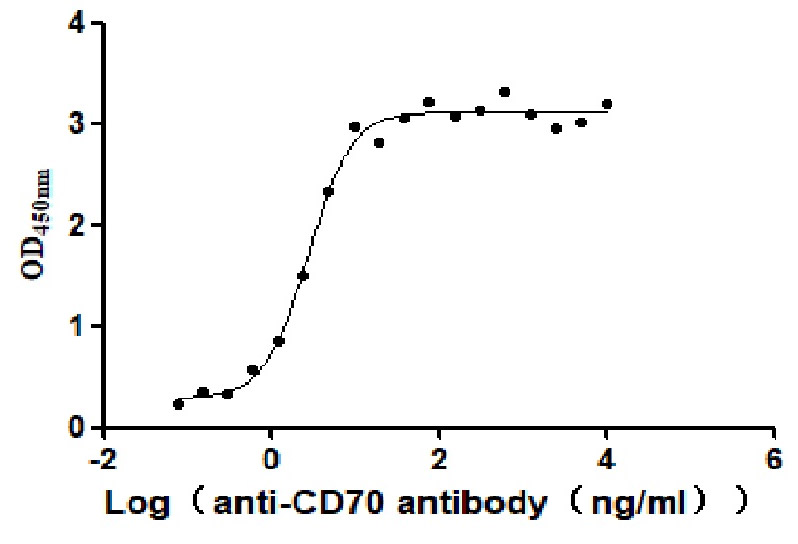
Recombinant Human CD70 antigen (CD70), partial (Active)
Express system: Mammalian cell
Species: Homo sapiens (Human)
-
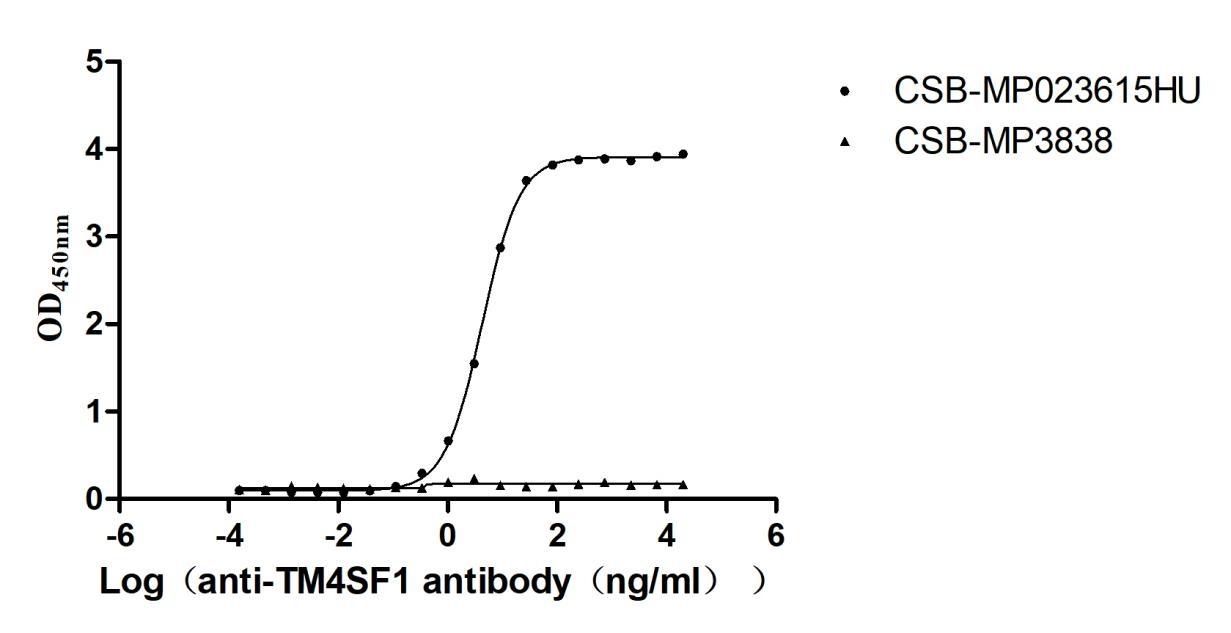
Recombinant Human Transmembrane 4 L6 family member 1(TM4SF1)-VLPs (Active)
Express system: Mammalian cell
Species: Homo sapiens (Human)
-
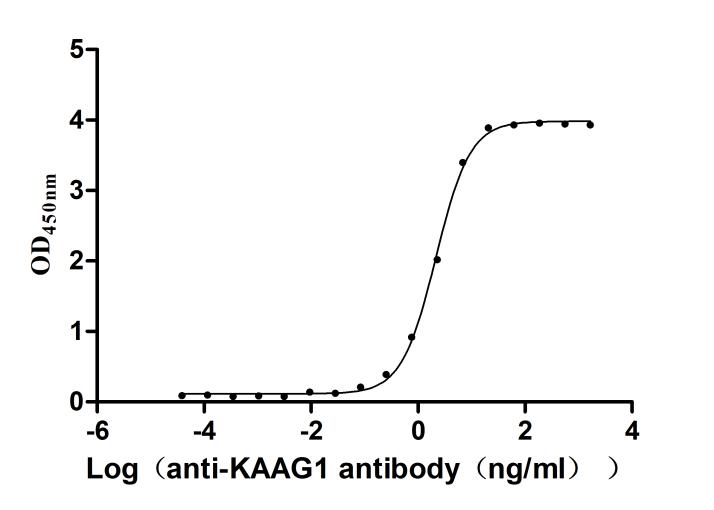
Recombinant Human Kidney-associated antigen 1 (KAAG1) (Active)
Express system: E.coli
Species: Homo sapiens (Human)
-
Recombinant Macaca fascicularis Interleukin 1 receptor accessory protein(IL1RAP), partial (Active)
Express system: Mammalian cell
Species: Macaca fascicularis (Crab-eating macaque) (Cynomolgus monkey)