Recombinant Human Polymerase I and transcript release factor,isoform 3 (PTRF)
-
中文名稱:Recombinant Human Polymerase I and transcript release factor,isoform 3(PTRF)
-
貨號:CSB-YP019070HU
-
規格:
-
來源:Yeast
-
其他:
-
中文名稱:Recombinant Human Polymerase I and transcript release factor,isoform 3(PTRF)
-
貨號:CSB-EP019070HU
-
規格:
-
來源:E.coli
-
其他:
-
中文名稱:Recombinant Human Polymerase I and transcript release factor,isoform 3(PTRF)
-
貨號:CSB-EP019070HU-B
-
規格:
-
來源:E.coli
-
共軛:Avi-tag Biotinylated
E. coli biotin ligase (BirA) is highly specific in covalently attaching biotin to the 15 amino acid AviTag peptide. This recombinant protein was biotinylated in vivo by AviTag-BirA technology, which method is BriA catalyzes amide linkage between the biotin and the specific lysine of the AviTag.
-
其他:
-
中文名稱:Recombinant Human Polymerase I and transcript release factor,isoform 3(PTRF)
-
貨號:CSB-BP019070HU
-
規格:
-
來源:Baculovirus
-
其他:
-
中文名稱:Recombinant Human Polymerase I and transcript release factor,isoform 3(PTRF)
-
貨號:CSB-MP019070HU
-
規格:
-
來源:Mammalian cell
-
其他:
產品詳情
-
純度:>85% (SDS-PAGE)
-
基因名:CAVIN1
-
Uniprot No.:
-
別名:2310075E07Rik; AW546441; Cavin 1; Cavin; Cavin-1; CAVIN1; CGL4; FKSG13; FLJ90031; MGC118550; OTTMUSP00000002049; Polymerase I and transcript release factor; Ptrf; PTRF_HUMAN; RNA polymerase I and transcript release factor; RP23-279L23.6; TTF I interacting peptide 12
-
種屬:Homo sapiens (Human)
-
蛋白長度:full length protein
-
表達區域:1-390
-
氨基酸序列MEDPTLYIVE RPLPGYPDAE APEPSSAGAQ AAEEPSGAGS EELIKSDQVN GVLVLSLLDK IIGAVDQIQL TQAQLEERQA EMEGAVQSIQ GELSKLGKAH ATTSNTVSKL LEKVRKVSVN VKTVRGSLER QAGQIKKLEV NEAELLRRRN FKVMIYQDEV KLPAKLSISK SLKESEALPE KEGEELGEGE RPEEDAAALE LSSDEAVEVE EVIEESRAER IKRSGLRRVD DFKKAFSKEK MEKTKVRTRE NLEKTRLKTK ENLEKTRHTL EKRMNKLGTR LVPAERREKL KTSRDKLRKS FTPDHVVYAR SKTAVYKVPP FTFHVKKIRE GQVEVLKATE MVEVGADDDE GGAERGEAGD LRRGSSPDVH ALLEITEESD AVLVDKSDSD
-
蛋白標簽:Tag?type?will?be?determined?during?the?manufacturing?process.
The tag type will be determined during production process. If you have specified tag type, please tell us and we will develop the specified tag preferentially. -
產品提供形式:Lyophilized powder
Note: We will preferentially ship the format that we have in stock, however, if you have any special requirement for the format, please remark your requirement when placing the order, we will prepare according to your demand. -
復溶:We recommend that this vial be briefly centrifuged prior to opening to bring the contents to the bottom. Please reconstitute protein in deionized sterile water to a concentration of 0.1-1.0 mg/mL.We recommend to add 5-50% of glycerol (final concentration) and aliquot for long-term storage at -20℃/-80℃. Our default final concentration of glycerol is 50%. Customers could use it as reference.
-
儲存條件:Store at -20°C/-80°C upon receipt, aliquoting is necessary for mutiple use. Avoid repeated freeze-thaw cycles.
-
保質期:The shelf life is related to many factors, storage state, buffer ingredients, storage temperature and the stability of the protein itself.
Generally, the shelf life of liquid form is 6 months at -20°C/-80°C. The shelf life of lyophilized form is 12 months at -20°C/-80°C. -
貨期:Delivery time may differ from different purchasing way or location, please kindly consult your local distributors for specific delivery time.Note: All of our proteins are default shipped with normal blue ice packs, if you request to ship with dry ice, please communicate with us in advance and extra fees will be charged.
-
注意事項:Repeated freezing and thawing is not recommended. Store working aliquots at 4°C for up to one week.
-
Datasheet :Please contact us to get it.
產品評價

相關產品
靶點詳情
-
功能:Plays an important role in caveolae formation and organization. Essential for the formation of caveolae in all tissues. Core component of the CAVIN complex which is essential for recruitment of the complex to the caveolae in presence of calveolin-1 (CAV1). Essential for normal oligomerization of CAV1. Promotes ribosomal transcriptional activity in response to metabolic challenges in the adipocytes and plays an important role in the formation of the ribosomal transcriptional loop. Dissociates transcription complexes paused by DNA-bound TTF1, thereby releasing both RNA polymerase I and pre-RNA from the template. The caveolae biogenesis pathway is required for the secretion of proteins such as GASK1A.
-
基因功能參考文獻:
- PTRF inhibits the proliferation, migration, and invasion of colorectal cancer cells. Future studies need to define the role of PTRF in the regulation of chemo-resistance in colorectal cancer cells and in colorectal cancer stem cells. PMID: 27203393
- Purified Cavin1 60S complexes were analyzed structurally in solution and after liposome reconstitution by electron cryotomography. Cavin1 adopted a flexible, net-like protein mesh able to form polyhedral lattices on phosphatidylserine-containing vesicles. Mutating the two coiled-coil domains in Cavin1 revealed that they mediate distinct assembly steps during 60S complex formation. PMID: 27834731
- Data suggest that the predominant plasmalemmal anionic lipid phosphatidylserine is essential for proper caveolin/cavin clustering, caveola formation, and caveola dynamics; membrane scrambling (by using other phospholipids) can perturb caveolar stability; these studies involved caveolin-1 and cavin-1 as models of caveolin/cavin clustering. PMID: 28698382
- DNA methylation profiling identifies PTRF/Cavin-1 as a novel tumor suppressor in Ewing sarcoma when co-expressed with caveolin-1, which PTRF, disrupts the MDM2/p53 complex, leading to apoptosis. PMID: 27894957
- Results show that PTRF is a direct target of miR-187. PTRF plays crucial roles in miR-187-induced epithelial-mesenchymal transition and migration of non-small cell lung cancer cells. PMID: 28393200
- The expression of the PTRF protein was significantly weaker than that in the adjacent normal lung tissues using immunohistochemical staining. The findings revealed that miR187 promotes cell growth and invasion by targeting PTRF and miR187 may be a new prognostic factor for nonsmall cell lung cancer PMID: 27634346
- A homozygous PTRF mutation was identified in patient-1. Congenital generalized lipodystrophy type 4 was caused by homozygous PTRF c.481-482insGTGA (p.Lys161Serfs*41) mutation in patient-2. PMID: 27167729
- This study reports an unanticipated function of ROR1 as a scaffold of cavin-1 and caveolin-1, two essential structural components of caveolae. PMID: 26725982
- Cavin-1 and cavin-2 are strongly expressed within caveolae-like structures within liver sinusoidal endothelial cells of the hepatitis C-related cirrhotic liver and cavin-1 would play a critical role in regulating aspects of caveolin-1. PMID: 26086560
- Rather than forming a single coat complex containing the three cavin family members, single-molecule analysis reveals an exquisite specificity of interactions between cavin1, cavin2 and cavin3. PMID: 24473072
- Our data support a role for PTRF/cavin-1, through caveolae formation, as an attenuator of the non-caveolar functionality of Cav1 in Gal3-Cav1 signalling and regulation of focal adhesion dynamics and cancer cell migration. PMID: 25942420
- this study presents a novel mutation of PTRF from Saudi Arabia and our findings broaden the mutation spectrum of PTRF in the familial CGL4 phenotype. PMID: 25721873
- cavin3 is recruited to the caveolae coat by cavin1 to interact with caveolin1 and regulate the duration time of caveolae at the plasma membrane. PMID: 25588833
- The presence of caveolae as an anatomic structure is not sufficient to ensure their proper function in patient with PTRF mutation. PMID: 25904680
- Using in silico and in vitro analysis we show that Cavin-1 is expressed in myogenic Rhabdomyosarcoma tumors and human and primary mouse RMS cultures. Cavin-1 or Cav-1 knockdown led to impairment of cell proliferation and migration. PMID: 25822667
- PTRF acts as a modulator in GBM chemoresistance PMID: 24747515
- In human adipose tissue, PTRF mRNA levels positively correlated with markers of lipolysis and cellular senescence. A negative relationship between telomere length and PTRF mRNA levels was observed in human subcutaneous fat. PMID: 24812087
- caveolin-1 in advanced prostate cancer is present outside of caveolae, because of the lack of cavin-1 expression PMID: 23934189
- The tumor-promoting role of cavin-1 in pancreatic cancer was found to be largely dependent on caveolin-1. PMID: 23770857
- In this review stromal PTRF expression decreases with progression of prostate cancer disease. PMID: 23938946
- PTRF and Cav-1 can bind IGF-IR and regulate IGF-IR internalization and plasma membrane replacement, mechanisms frequently deregulated in cancer cells.[review] PMID: 23404184
- PTRF/cavin-1 is essential for multidrug resistance in cancer cells via the fortification of lipid rafts. PMID: 23214712
- Data show that two proteins, PTRF/cavin-1 and MIF, which are differentially expressed between normal lung and non-small cell lung cancer. PMID: 22461895
- The cavin family protein Polymerase 1 and transcript release factor, SRBC and serum deprivation response protein were down regulated in breast cancer cell lines and breast tumor tissue. PMID: 21913217
- This study identified no pathogenic mutations in BAG3, MATR3, PTRF or TCAP in Australian muscular dystrophy. PMID: 21683594
- PTRF expression is increased in senescent human fibroblasts. PMID: 21445100
- PTRF/cavin-1 is a novel regulator of oxidative stress-induced premature senescence by acting as a link between free radicals and activation of the p53/p21(Waf1/Cip1) pathway. PMID: 21705337
- PTRF/cavin-1-expressing PC3 cells exhibit decreased migration, and that this effect is mediated by reduced MMP9 production. PMID: 20732728
- membrane-delimited interaction between MG53 and PTRF contributes to initiation of cell membrane repair PMID: 21343302
- Findings suggest that Cav-1 and PTRF/Cavin could represent two relevant and distinct targets to modulate IGF-IR function. PMID: 21152401
- These data demonstrate a new function for PTRF/cavin-1, a new functional interaction between caveolin-1 and Rab8 and that actomyosin interactions can induce tension on caveolin-1-containing membranes. PMID: 20427576
- mutations in PTRF result in a novel phenotype that includes generalized lipodystrophy with mild metabolic derangements, myopathy, cardiac arrhythmias, atlantoaxial instability, and pyloric stenosis PMID: 20684003
- PTRF-CAVIN deficiency thus presents the phenotypic spectrum caused by a quintessential lack of functional caveolae. PMID: 20300641
- Caveolae of human adipocytes are proposed to function in targeting, relocation and proteolytic control of PTRF and other PEST-domain-containing signalling proteins PMID: 15242332
- The findings indicate also a novel extranuclear function for PTRF in the control of lipolysis. PMID: 17026959
- identified PTRF mutations in 5 nonconsanguineous patients who presented with both generalized lipodystrophy and muscular dystrophy PMID: 19726876
- Observational study of gene-disease association. (HuGE Navigator) PMID: 19068216
顯示更多
收起更多
-
相關疾病:Congenital generalized lipodystrophy 4 (CGL4)
-
亞細胞定位:Membrane, caveola. Cell membrane. Microsome. Endoplasmic reticulum. Cytoplasm, cytosol. Mitochondrion. Nucleus.
-
蛋白家族:CAVIN family
-
數據庫鏈接:
Most popular with customers
-
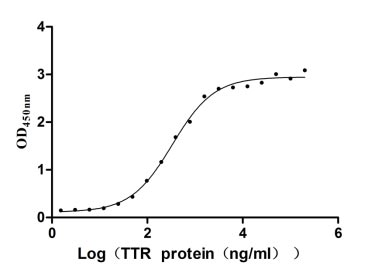
Recombinant Human Transthyretin (TTR) (Active)
Express system: Mammalian cell
Species: Homo sapiens (Human)
-
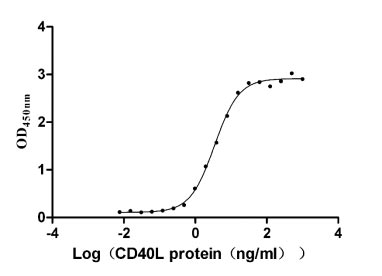
Recombinant Human Tumor necrosis factor receptor superfamily member 5 (CD40), partial (Active)
Express system: Mammalian cell
Species: Homo sapiens (Human)
-
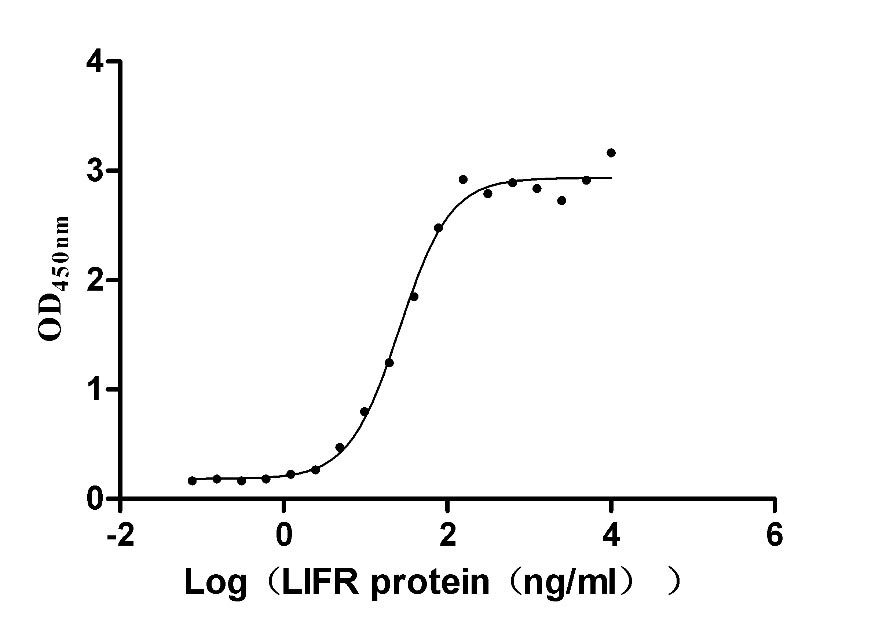
Recombinant Human Leukemia inhibitory factor (LIF) (Active)
Express system: Mammalian cell
Species: Homo sapiens (Human)
-
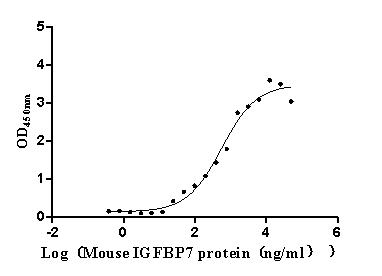
Recombinant Mouse Complement component C1q receptor (Cd93), partial (Active)
Express system: Mammalian cell
Species: Mus musculus (Mouse)
-
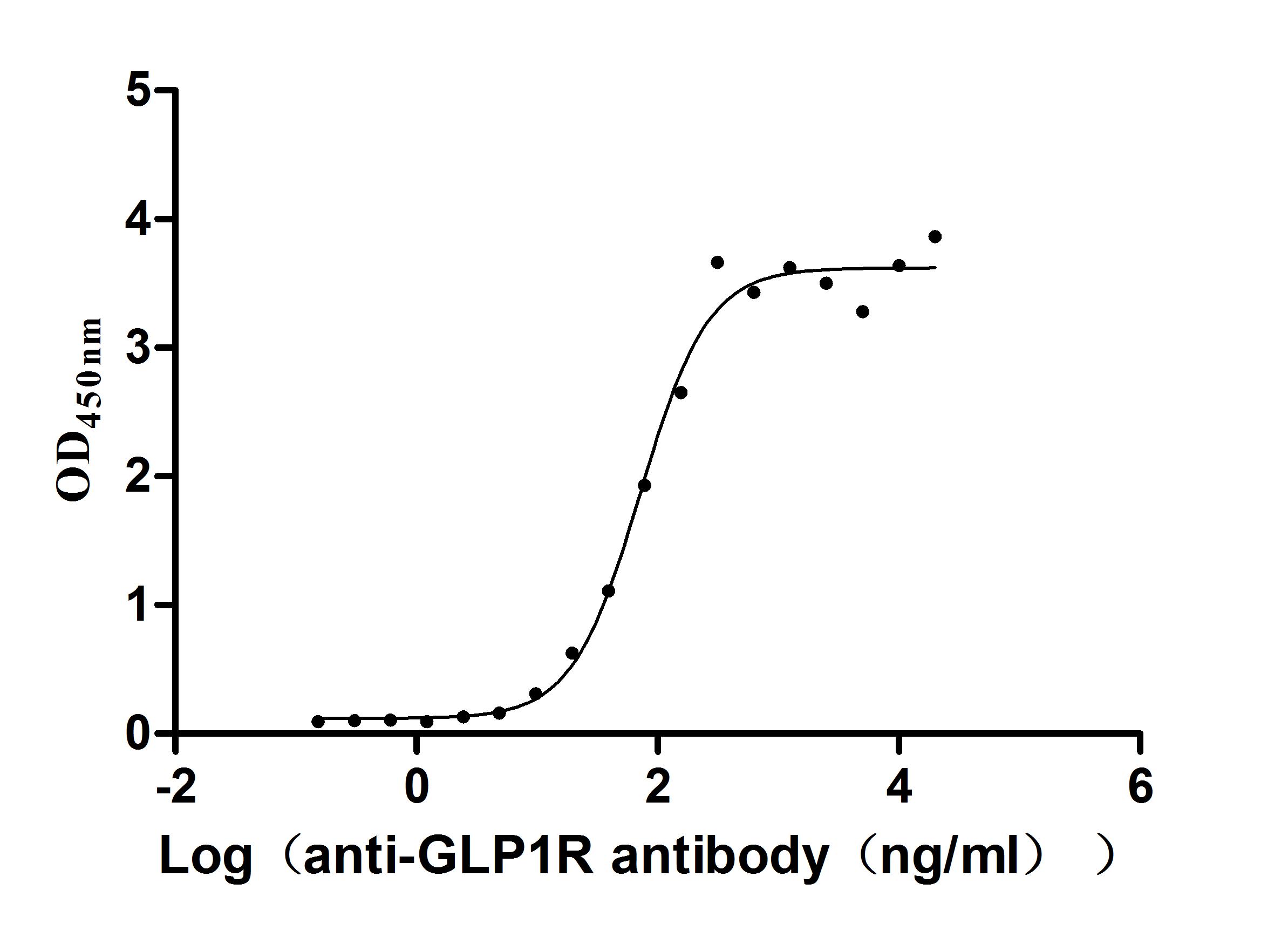
Recombinant Human Glucagon-like peptide 1 receptor (GLP1R), partial (Active)
Express system: Mammalian cell
Species: Homo sapiens (Human)
-
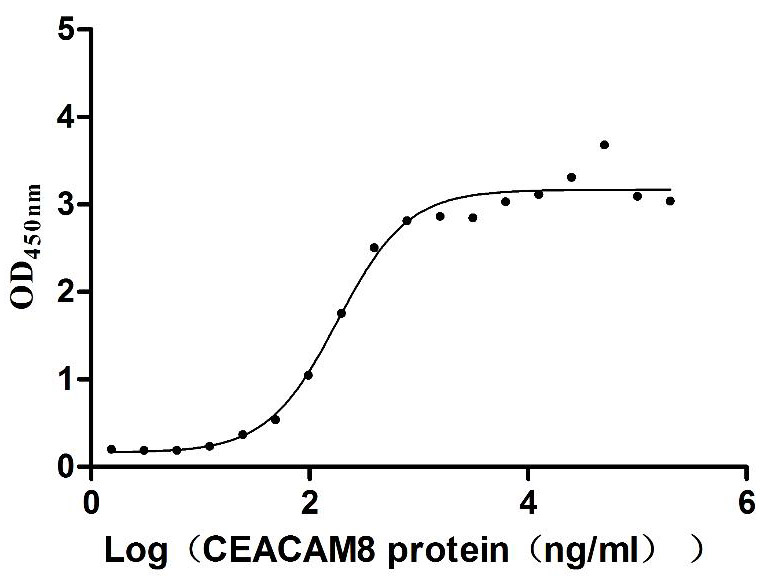
Recombinant Human Carcinoembryonic antigen-related cell adhesion molecule 6 (CEACAM6) (Active)
Express system: Mammalian cell
Species: Homo sapiens (Human)
-
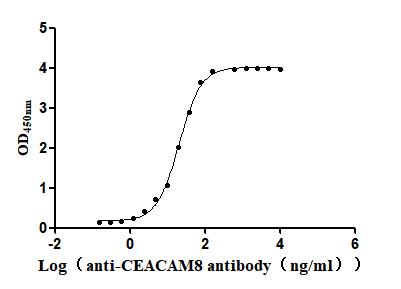
Recombinant Human Carcinoembryonic antigen-related cell adhesion molecule 8(CEACAM8) (Active)
Express system: Mammalian cell
Species: Homo sapiens (Human)
-
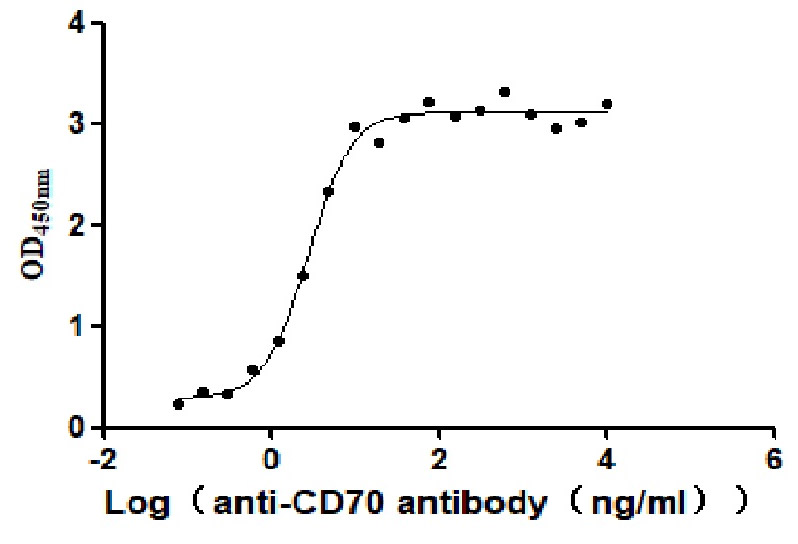
Recombinant Human CD70 antigen (CD70), partial (Active)
Express system: Mammalian cell
Species: Homo sapiens (Human)