Recombinant Human Nucleoprotein TPR (TPR), partial
-
中文名稱:人TPR重組蛋白
-
貨號:CSB-YP024118HU
-
規格:
-
來源:Yeast
-
其他:
-
中文名稱:人TPR重組蛋白
-
貨號:CSB-EP024118HU
-
規格:
-
來源:E.coli
-
其他:
-
中文名稱:人TPR重組蛋白
-
貨號:CSB-EP024118HU-B
-
規格:
-
來源:E.coli
-
共軛:Avi-tag Biotinylated
E. coli biotin ligase (BirA) is highly specific in covalently attaching biotin to the 15 amino acid AviTag peptide. This recombinant protein was biotinylated in vivo by AviTag-BirA technology, which method is BriA catalyzes amide linkage between the biotin and the specific lysine of the AviTag.
-
其他:
-
中文名稱:人TPR重組蛋白
-
貨號:CSB-BP024118HU
-
規格:
-
來源:Baculovirus
-
其他:
-
中文名稱:人TPR重組蛋白
-
貨號:CSB-MP024118HU
-
規格:
-
來源:Mammalian cell
-
其他:
產品詳情
-
純度:>85% (SDS-PAGE)
-
基因名:TPR
-
Uniprot No.:
-
別名:Nucleoprotein TPR; tpr; TPR_HUMAN; translocated promoter region (to activated MET oncogene)
-
種屬:Homo sapiens (Human)
-
蛋白長度:Partial
-
蛋白標簽:Tag?type?will?be?determined?during?the?manufacturing?process.
The tag type will be determined during production process. If you have specified tag type, please tell us and we will develop the specified tag preferentially. -
產品提供形式:Lyophilized powder
Note: We will preferentially ship the format that we have in stock, however, if you have any special requirement for the format, please remark your requirement when placing the order, we will prepare according to your demand. -
復溶:We recommend that this vial be briefly centrifuged prior to opening to bring the contents to the bottom. Please reconstitute protein in deionized sterile water to a concentration of 0.1-1.0 mg/mL.We recommend to add 5-50% of glycerol (final concentration) and aliquot for long-term storage at -20℃/-80℃. Our default final concentration of glycerol is 50%. Customers could use it as reference.
-
儲存條件:Store at -20°C/-80°C upon receipt, aliquoting is necessary for mutiple use. Avoid repeated freeze-thaw cycles.
-
保質期:The shelf life is related to many factors, storage state, buffer ingredients, storage temperature and the stability of the protein itself.
Generally, the shelf life of liquid form is 6 months at -20°C/-80°C. The shelf life of lyophilized form is 12 months at -20°C/-80°C. -
貨期:Delivery time may differ from different purchasing way or location, please kindly consult your local distributors for specific delivery time.Note: All of our proteins are default shipped with normal blue ice packs, if you request to ship with dry ice, please communicate with us in advance and extra fees will be charged.
-
注意事項:Repeated freezing and thawing is not recommended. Store working aliquots at 4°C for up to one week.
-
Datasheet :Please contact us to get it.
產品評價

相關產品
靶點詳情
-
功能:Component of the nuclear pore complex (NPC), a complex required for the trafficking across the nuclear envelope. Functions as a scaffolding element in the nuclear phase of the NPC essential for normal nucleocytoplasmic transport of proteins and mRNAs, plays a role in the establishment of nuclear-peripheral chromatin compartmentalization in interphase, and in the mitotic spindle checkpoint signaling during mitosis. Involved in the quality control and retention of unspliced mRNAs in the nucleus; in association with NUP153, regulates the nuclear export of unspliced mRNA species bearing constitutive transport element (CTE) in a NXF1- and KHDRBS1-independent manner. Negatively regulates both the association of CTE-containing mRNA with large polyribosomes and translation initiation. Does not play any role in Rev response element (RRE)-mediated export of unspliced mRNAs. Implicated in nuclear export of mRNAs transcribed from heat shock gene promoters; associates both with chromatin in the HSP70 promoter and with mRNAs transcribed from this promoter under stress-induced conditions. Modulates the nucleocytoplasmic transport of activated MAPK1/ERK2 and huntingtin/HTT and may serve as a docking site for the XPO1/CRM1-mediated nuclear export complex. According to some authors, plays a limited role in the regulation of nuclear protein export. Plays also a role as a structural and functional element of the perinuclear chromatin distribution; involved in the formation and/or maintenance of NPC-associated perinuclear heterochromatin exclusion zones (HEZs). Finally, acts as a spatial regulator of the spindle-assembly checkpoint (SAC) response ensuring a timely and effective recruitment of spindle checkpoint proteins like MAD1L1 and MAD2L1 to unattached kinetochore during the metaphase-anaphase transition before chromosome congression. Its N-terminus is involved in activation of oncogenic kinases.
-
基因功能參考文獻:
- Fusion of TPR(2-142) protein to the MET intracellular domain strongly and selectively stabilizes the alphaG helix of the MET kinase domain.TPR has an ability to induce dimerization and activation of fusion kinases. PMID: 28528776
- Using a BioID proximity-based proteomic screen, we identify the nuclear pore complex protein TPR as a novel AKAP95 binding partner. We show interaction between AKAP95 and TPR in mitosis, and an AKAP95-dependent enrichment of TPR in the spindle microtubule area in metaphase, then later in the spindle midzone area. PMID: 28379780
- Tpr maintains a chromatin environment favourable for HIV replication. PMID: 25744187
- SLK interacts with Tpr and alpha-actinin-4 in cells, and these protein-protein interactions may control the subcellular localization and the biological activity of SLK. PMID: 26094769
- Protein kinase A phosphorylates the S2094 residue and that the site is hyperphosphorylated during mitosis. PMID: 24938596
- analysis of interactions between CRM1 and the nuclear pore protein Tpr and snurportin PMID: 24722547
- Tpr is a kinetochore-independent, rate-limiting factor required to mount and sustain a robust SAC response. PMID: 24344181
- Tpr import is mediated by the most abundant import receptor, KPNA2, which binds the bipartite NLS in Tpr with nanomolar affinity PMID: 23649804
- Tpr depletion increased p53 nuclear accumulation and facilitated autophagy. PMID: 23170199
- Exon 23 of the translocated promoter region gene was fused to exon 13 of FGFR1 resulting in 8p11 myeloproliferative syndrome. PMID: 22619110
- Perinuclear localization of Tpr at the nucleopore complex is crucial for regulating intron containing mRNA export. PMID: 22253824
- Depletion of Tpr by RNA interference triggers G0-G1 arrest and ultimately induces a senescent-like phenotype dependent on the presence of p53. PMID: 21811608
- Tpr plays an important role in quality control of mRNA trafficked on the Nxf1 pathway. PMID: 21613532
- Tpr has a role as a determinant of perinuclear organization, with a direct role in forming a morphologically distinct nuclear sub-compartment and delimiting heterochromatin distribution PMID: 20407419
- results indicate that Tpr plays a critical role in the intranuclear dynamics of RNA pol II transcripts, including the processing, intranuclear transport and targeting, as well as their translocation through the NPC in mammalian cells PMID: 11952838
- model in which Tpr constitutes the central architectural element that forms the scaffold of the nuclear basket PMID: 15229283
- HSP mRNA export escapes stress inhibition via HSF1-mediated recruitment of the nuclear pore-associating protein TPR to HSP genes, functionally connecting the first and last nuclear steps of the gene expression PMID: 17897941
- candidate target gene TPR within 1q and 22q that are potentially important in the pathogenesis of intracranial pediatric ependymomas. PMID: 18663750
- Tpr regulates Mad1-Mad2 proteins are regulated during the cell cycle and mitotic spindle checkpoint signaling. PMID: 18981471
顯示更多
收起更多
-
相關疾病:A chromosomal aberration involving TPR has been found in papillary thyroid carcinomas (PTCs). Intrachromosomal rearrangement that links the 5'-end of the TPR gene to the protein kinase domain of NTRK1 forms the fusion protein TRK-T1. TRK-T1 is a 55 kDa protein reacting with antibodies against the carboxy terminus of the NTRK1 protein.
-
亞細胞定位:Nucleus. Nucleus membrane; Peripheral membrane protein; Nucleoplasmic side. Nucleus envelope. Nucleus, nuclear pore complex. Cytoplasm. Cytoplasm, cytoskeleton, spindle. Chromosome, centromere, kinetochore. Nucleus membrane; Peripheral membrane protein; Cytoplasmic side.
-
蛋白家族:TPR family
-
組織特異性:Expressed in esophagus, ovary, liver, skin, smooth muscles, cerebrum and fetal cerebellum (at protein level). Highest in testis, lung, thymus, spleen and brain, lower levels in heart, liver and kidney.
-
數據庫鏈接:
Most popular with customers
-
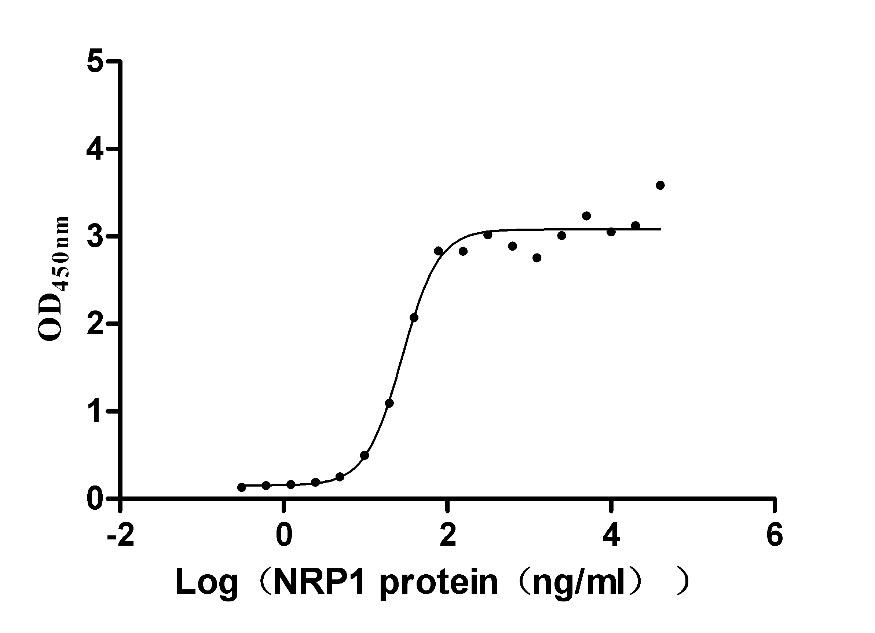
Recombinant Human Neuropilin-1 (NRP1) (Active)
Express system: Mammalian cell
Species: Homo sapiens (Human)
-
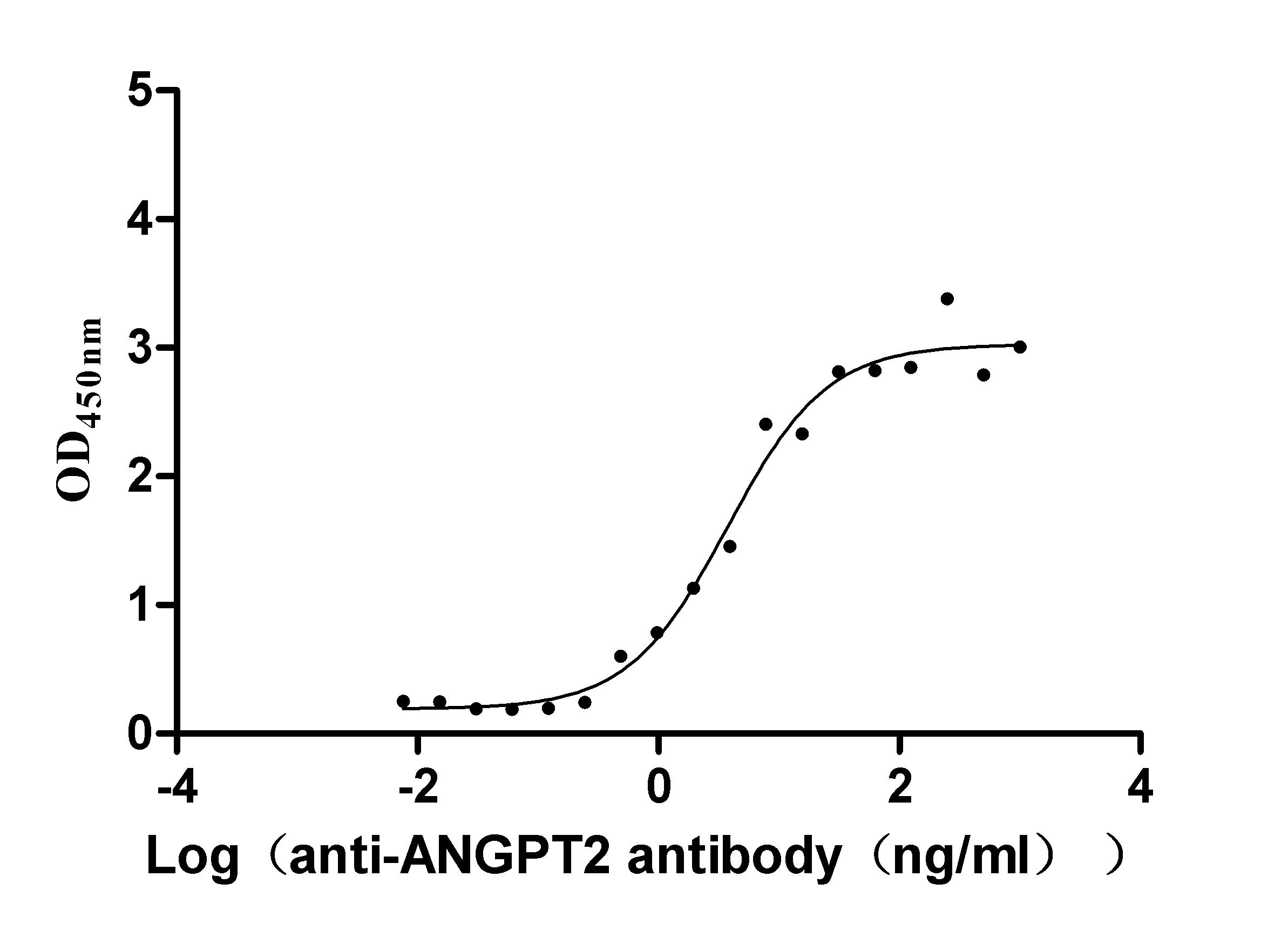
Recombinant Dog Angiopoietin-2 (ANGPT2) (Active)
Express system: Mammalian cell
Species: Canis lupus familiaris (Dog) (Canis familiaris)
-
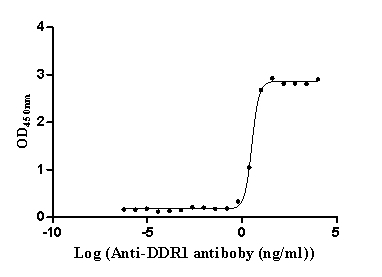
Recombinant Human Epithelial discoidin domain-containing receptor 1 (DDR1), partial (Active)
Express system: Mammalian cell
Species: Homo sapiens (Human)
-
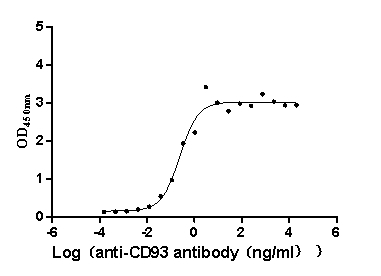
Recombinant Macaca fascicularis CD93 molecule (CD93), partial (Active)
Express system: Mammalian cell
Species: Macaca fascicularis (Crab-eating macaque) (Cynomolgus monkey)
-
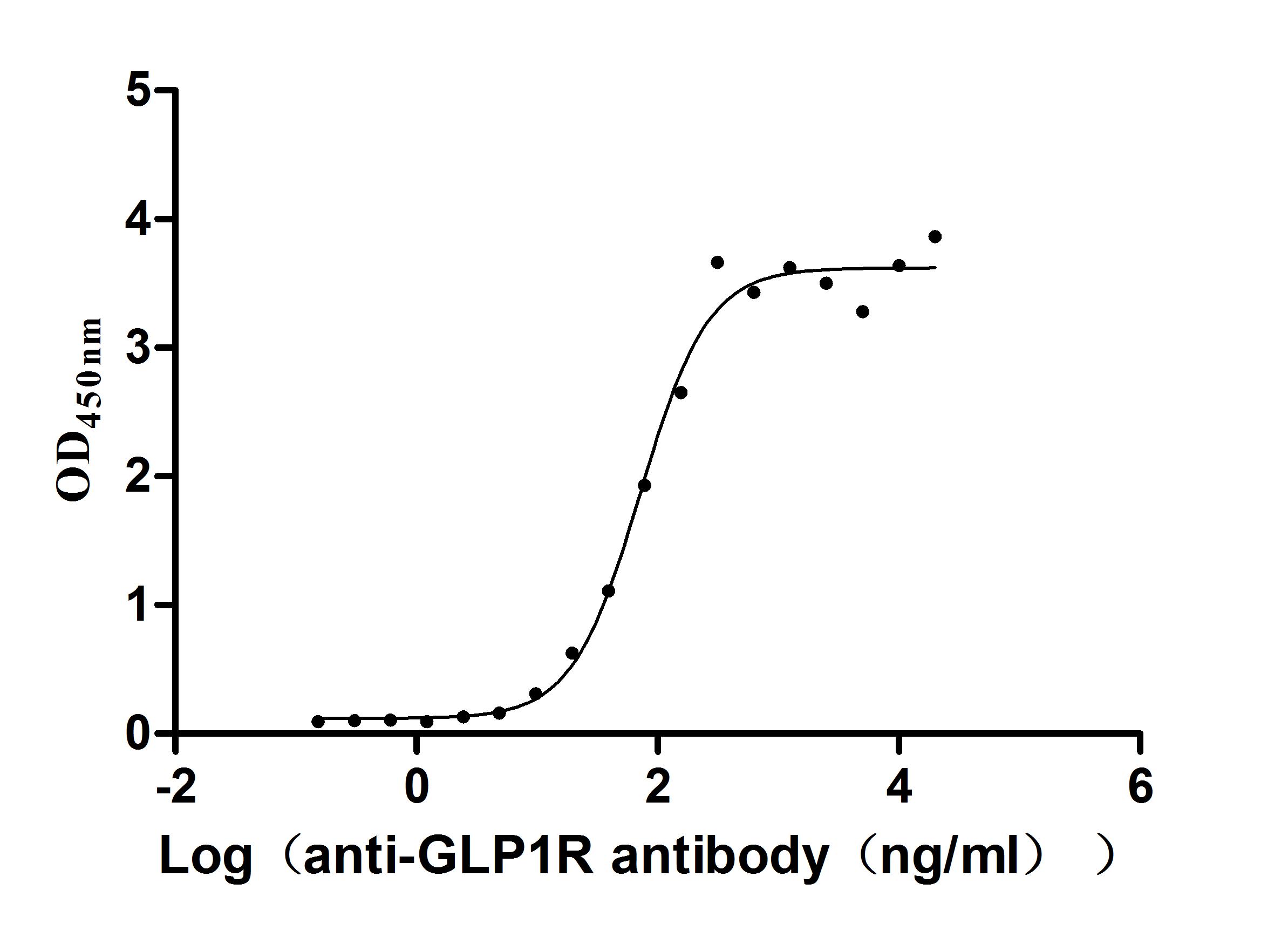
Recombinant Human Glucagon-like peptide 1 receptor (GLP1R), partial (Active)
Express system: Mammalian cell
Species: Homo sapiens (Human)
-
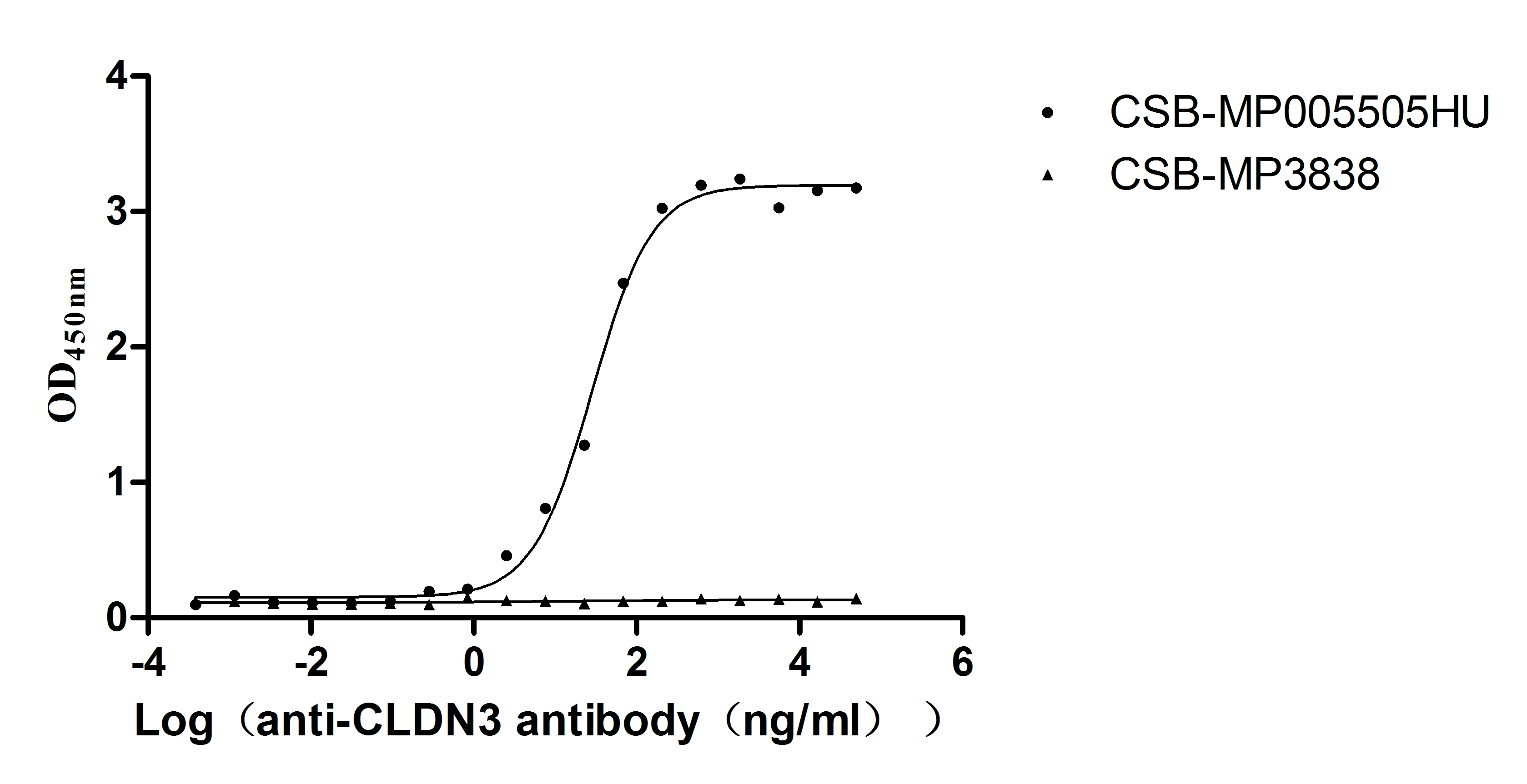
Recombinant Human Claudin-3 (CLDN3)-VLPs (Active)
Express system: Mammalian cell
Species: Homo sapiens (Human)
-
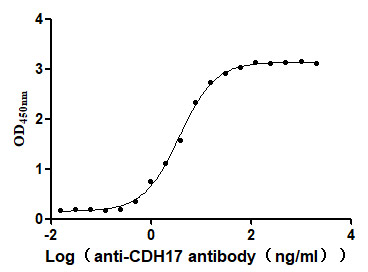
Recombinant Human Cadherin-17 (CDH17), partial (Active)
Express system: Mammalian cell
Species: Homo sapiens (Human)
-
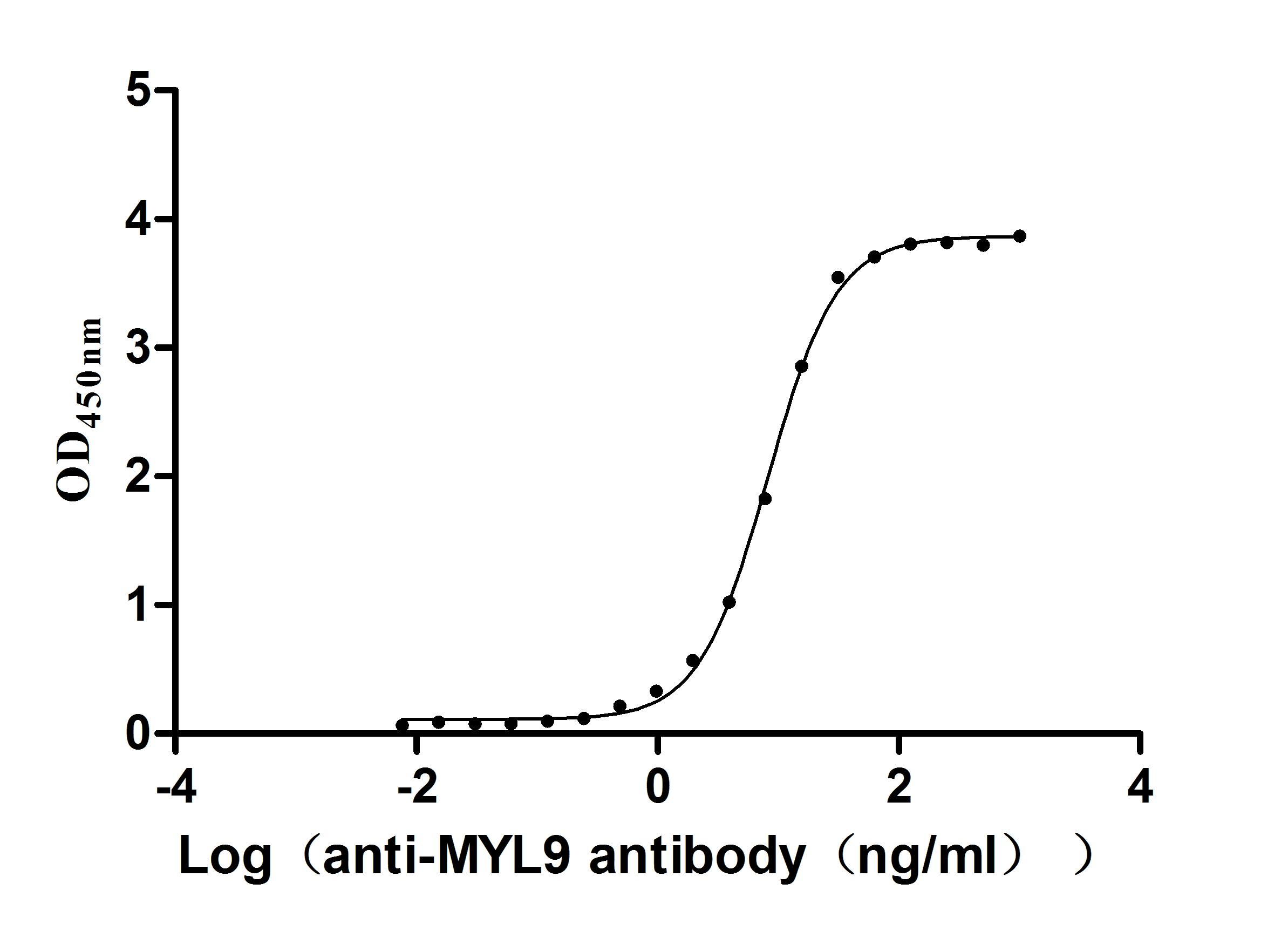
Recombinant Human Myosin regulatory light chain 12B (MYL12B) (Active)
Express system: E.coli
Species: Homo sapiens (Human)