Recombinant Human Glycine dehydrogenase [decarboxylating], mitochondrial (GLDC), partial
-
中文名稱:人GLDC重組蛋白
-
貨號:CSB-YP328400HU
-
規格:
-
來源:Yeast
-
其他:
-
中文名稱:人GLDC重組蛋白
-
貨號:CSB-EP328400HU
-
規格:
-
來源:E.coli
-
其他:
-
中文名稱:人GLDC重組蛋白
-
貨號:CSB-EP328400HU-B
-
規格:
-
來源:E.coli
-
共軛:Avi-tag Biotinylated
E. coli biotin ligase (BirA) is highly specific in covalently attaching biotin to the 15 amino acid AviTag peptide. This recombinant protein was biotinylated in vivo by AviTag-BirA technology, which method is BriA catalyzes amide linkage between the biotin and the specific lysine of the AviTag.
-
其他:
-
中文名稱:人GLDC重組蛋白
-
貨號:CSB-BP328400HU
-
規格:
-
來源:Baculovirus
-
其他:
-
中文名稱:人GLDC重組蛋白
-
貨號:CSB-MP328400HU
-
規格:
-
來源:Mammalian cell
-
其他:
產品詳情
-
純度:>85% (SDS-PAGE)
-
基因名:GLDC
-
Uniprot No.:
-
別名:GCE; GCSP; GCSP_HUMAN; GLDC; Glycine cleavage system P protein; glycine cleavage system protein P; Glycine decarboxylase; glycine decarboxylase P protein ; Glycine dehydrogenase (decarboxylating) mitochondrial; Glycine dehydrogenase [decarboxylating]; mitochondrial; Gycine dehydrogenase (decarboxylating); HYGN1; MGC138198; MGC138200; NKH
-
種屬:Homo sapiens (Human)
-
蛋白長度:Partial
-
蛋白標簽:Tag?type?will?be?determined?during?the?manufacturing?process.
The tag type will be determined during production process. If you have specified tag type, please tell us and we will develop the specified tag preferentially. -
產品提供形式:Lyophilized powder
Note: We will preferentially ship the format that we have in stock, however, if you have any special requirement for the format, please remark your requirement when placing the order, we will prepare according to your demand. -
復溶:We recommend that this vial be briefly centrifuged prior to opening to bring the contents to the bottom. Please reconstitute protein in deionized sterile water to a concentration of 0.1-1.0 mg/mL.We recommend to add 5-50% of glycerol (final concentration) and aliquot for long-term storage at -20℃/-80℃. Our default final concentration of glycerol is 50%. Customers could use it as reference.
-
儲存條件:Store at -20°C/-80°C upon receipt, aliquoting is necessary for mutiple use. Avoid repeated freeze-thaw cycles.
-
保質期:The shelf life is related to many factors, storage state, buffer ingredients, storage temperature and the stability of the protein itself.
Generally, the shelf life of liquid form is 6 months at -20°C/-80°C. The shelf life of lyophilized form is 12 months at -20°C/-80°C. -
貨期:Delivery time may differ from different purchasing way or location, please kindly consult your local distributors for specific delivery time.Note: All of our proteins are default shipped with normal blue ice packs, if you request to ship with dry ice, please communicate with us in advance and extra fees will be charged.
-
注意事項:Repeated freezing and thawing is not recommended. Store working aliquots at 4°C for up to one week.
-
Datasheet :Please contact us to get it.
產品評價

相關產品
靶點詳情
-
功能:The glycine cleavage system catalyzes the degradation of glycine. The P protein (GLDC) binds the alpha-amino group of glycine through its pyridoxal phosphate cofactor; CO(2) is released and the remaining methylamine moiety is then transferred to the lipoamide cofactor of the H protein (GCSH).
-
基因功能參考文獻:
- A novel compound heterozygous variant was identified in the GLDC gene in a Chinese family with non-ketotic hyperglycinemia PMID: 29304759
- it was concluded that elevated serum GLDC may increase lung cancer risk, and that smoking, GLDC, the miR29 family and DNMT signaling pathways may serve an important role in early malignant transformation during the development of lung cancer. PMID: 29956770
- a comprehensive functional and structural analysis of 19 GLDC missense variants identified in a cohort of 26 nonketotic hyperglycinemia patients was performed PMID: 28244183
- The position and frequency of the breakpoint for CNVs correlated with intron size and presence of Alu elements. Missense mutations, most often recurring, were the most common type of disease-causing mutation in AMT PMID: 27362913
- We show that the combination of GLDC and HIF-1alpha expression is an independent prognostic factor in early-stage lung non-small cell cancer PMID: 28062918
- study reports a novel mutation, c.2296G>T (p.Gly766Cys), in exon 19 of the glycine decarboxylase (GLDC) gene in a consanguineous Indian couple with a history of 4 neonatal deaths PMID: 23349517
- Identification of a splice acceptor site mutation and five different non-synonymous variants in GLDC were found in patients with neural tube defects. PMID: 22171071
- Study shows that glycine metabolism and the metabolic enzyme glycine decarboxylase (GLDC) drive tumor-initiating cells and tumorigenesis in non-small cell lung cancer. PMID: 22225612
- Heterozygous GLDC gene mutation in transient neonatal hyperglycinemia. PMID: 12402263
- Missense and nonsense mutations found in glycine encephalopathy PMID: 14552331
- Three adults with mild hyperglycinemia, infantile hypotonia, mental retardation, behavioral hyperirritability, and aggressive outbursts were screened for glycine decarboxylase mutations; two novel missense mutations were found. PMID: 15824356
- The mutation in this nonketotic hyperglycinemia kindred led to missplicing and reduced GLDC (glycine decarboxylase) expression. PMID: 15851735
- Single nucleotide substitution that abolishes the initiator methionine codon of the GLDC gene is associated with glycine encephalopathy PMID: 15864413
- the nonketotic hyperglycinemia is due to a novel GLDC mutation. PMID: 16404748
- forty different gene alterations in the GLDC gene were identified in patients with glycine encephalopathy PMID: 16601880
- A screening system for GLDC deletions by multiplex ligation-dependent probe amplification identified 14 deletions of different length & Alu-mediated recombination in non-ketotic hyperglycinaemia patients. PMID: 17361008
- a histidine-to-aspartic acid change at amino acid position 371 (p. His371Asp mutation) in the glycine decarboxylase in a non-ketotic hyperglycemia patient. PMID: 18581728
顯示更多
收起更多
-
相關疾病:Non-ketotic hyperglycinemia (NKH)
-
亞細胞定位:Mitochondrion.
-
蛋白家族:GcvP family
-
數據庫鏈接:
Most popular with customers
-
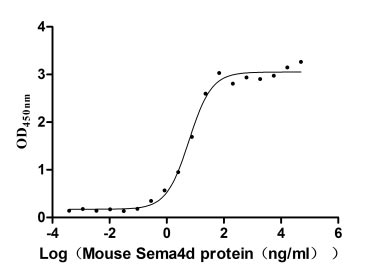
Recombinant Mouse Semaphorin-4D (Sema4d), partial (Active)
Express system: Mammalian cell
Species: Mus musculus (Mouse)
-
-AC1.jpg)
Recombinant Human Poliovirus receptor (PVR) (I340M), partial (Active)
Express system: Mammalian cell
Species: Homo sapiens (Human)
-
-AC1.jpg)
Recombinant Human Microtubule-associated protein tau (MAPT) (Active)
Express system: Mammalian cell
Species: Homo sapiens (Human)
-
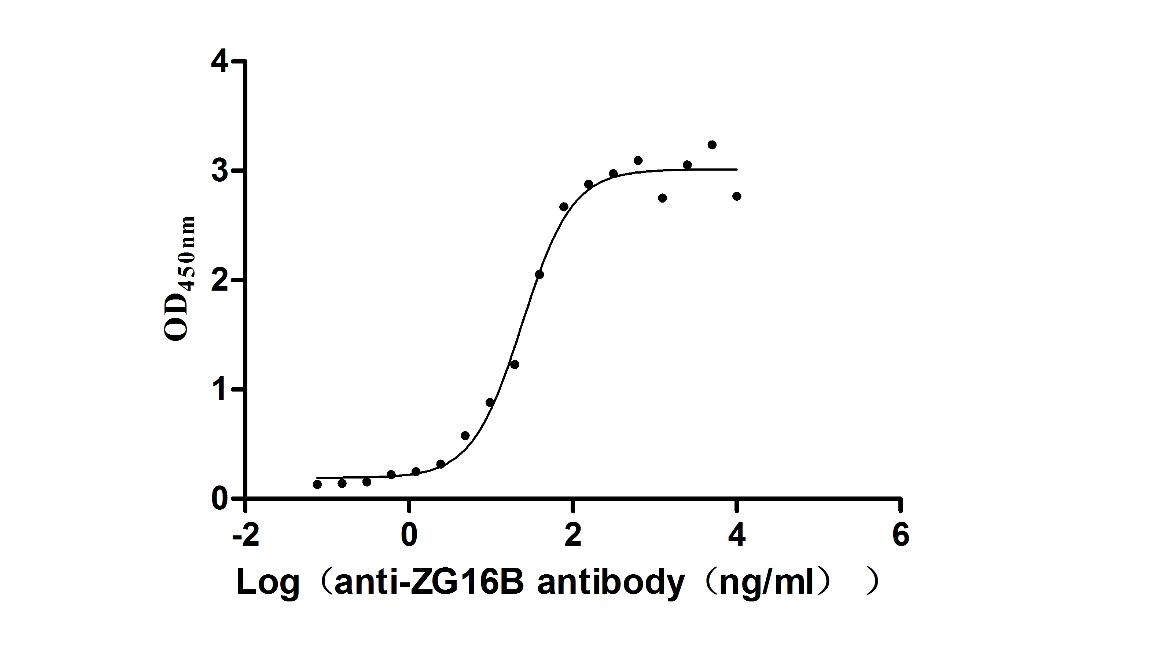
Recombinant Macaca fascicularis zymogen granule protein 16 homolog B (ZG16B) (Active)
Express system: Mammalian cell
Species: Macaca fascicularis (Crab-eating macaque) (Cynomolgus monkey)
-
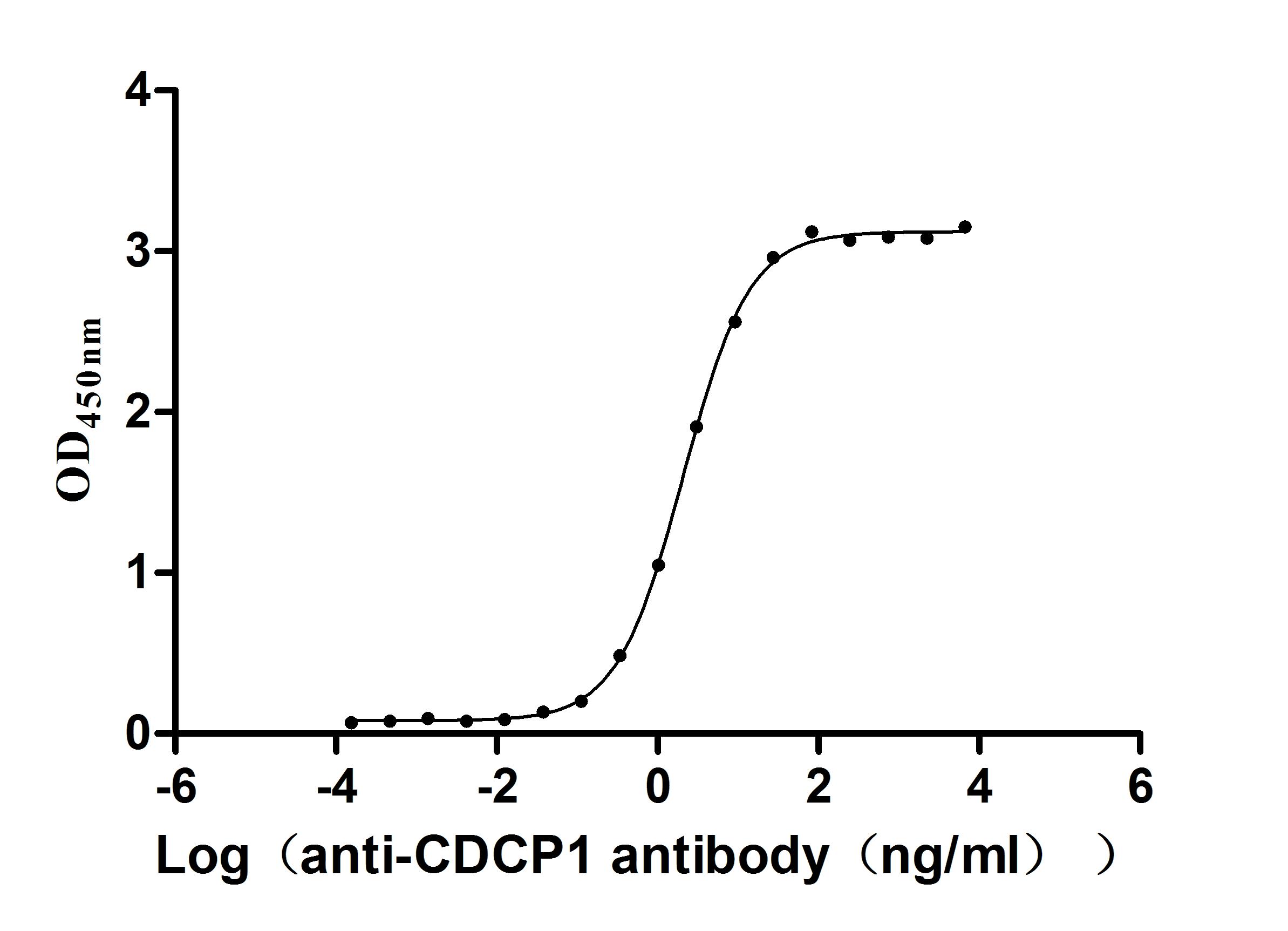
Recombinant Macaca fascicularis CUB domain containing protein 1 (CDCP1), partial (Active)
Express system: Mammalian cell
Species: Macaca fascicularis (Crab-eating macaque) (Cynomolgus monkey)
-
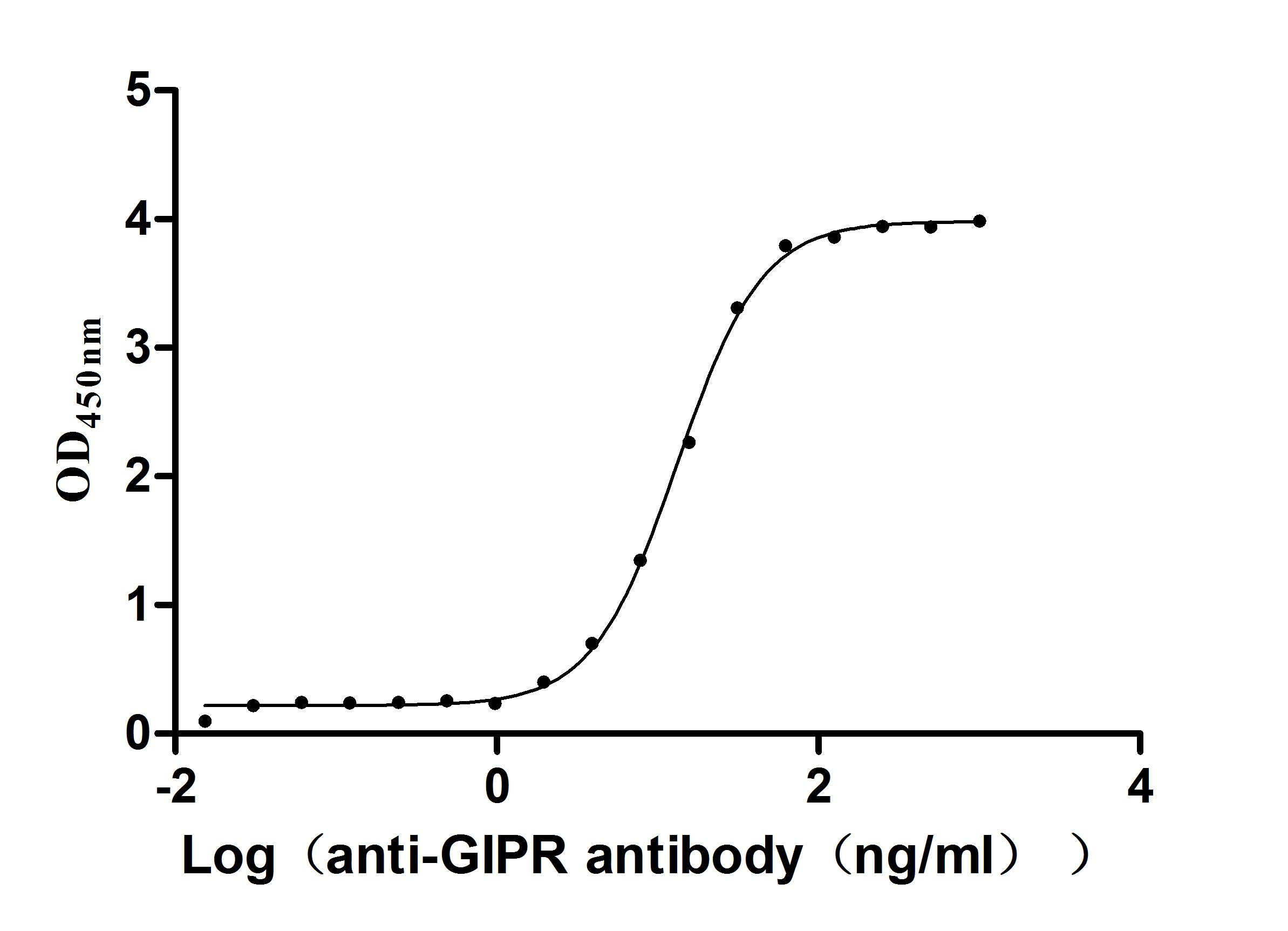
Recombinant Macaca fascicularis Gastric inhibitory polypeptide receptor (GIPR), partial (Active)
Express system: yeast
Species: Macaca fascicularis (Crab-eating macaque) (Cynomolgus monkey)
-
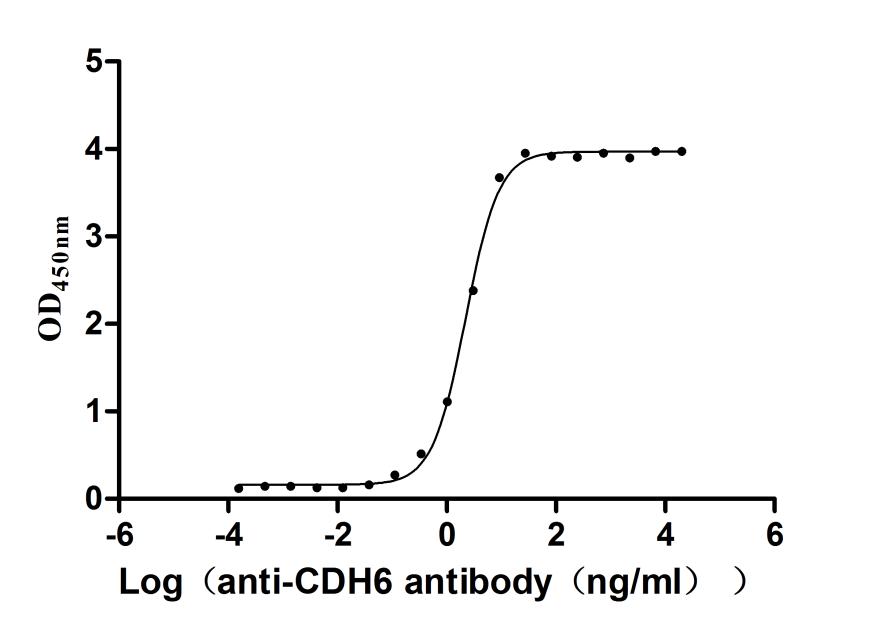
Recombinant Macaca fascicularis Cadherin 6(CDH6),partial (Active)
Express system: Mammalian cell
Species: Macaca fascicularis (Crab-eating macaque) (Cynomolgus monkey)
-
Recombinant Macaca fascicularis Zinc transporter ZIP6 isoform X1(SLC39A6),partial (Active)
Express system: Baculovirus
Species: Macaca fascicularis (Crab-eating macaque) (Cynomolgus monkey)