Recombinant Human Glia-derived nexin (SERPINE2)
In Stock-
中文名稱:人SERPINE2重組蛋白
-
品名簡稱:Recombinant Human SERPINE2 protein
-
貨號:CSB-EP021082HUc7
-
說明書:
-
規格:¥1344
-
圖片:
-
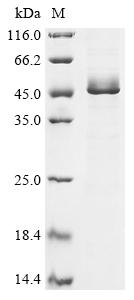 (Tris-Glycine gel) Discontinuous SDS-PAGE (reduced) with 5% enrichment gel and 15% separation gel.
-
-
其他:
產品詳情
-
純度:Greater than 85% as determined by SDS-PAGE.
-
基因名:SERPINE2
-
Uniprot No.:
-
種屬:Homo sapiens (Human)
-
蛋白長度:Full Length of Mature Protein
-
來源:E.coli
-
分子量:48.8 kDa
-
表達區域:20-398aa
-
氨基酸序列SHFNPLSLEELGSNTGIQVFNQIVKSRPHDNIVISPHGIASVLGMLQLGADGRTKKQLAMVMRYGVNGVGKILKKINKAIVSKKNKDIVTVANAVFVKNASEIEVPFVTRNKDVFQCEVRNVNFEDPASACDSINAWVKNETRDMIDNLLSPDLIDGVLTRLVLVNAVYFKGLWKSRFQPENTKKRTFVAADGKSYQVPMLAQLSVFRCGSTSAPNDLWYNFIELPYHGESISMLIALPTESSTPLSAIIPHISTKTIDSWMSIMVPKRVQVILPKFTAVAQTDLKEPLKVLGITDMFDSSKANFAKITTGSENLHVSHILQKAKIEVSEDGTKASAATTAILIARSSPPWFIVDRPFLFFIRHNPTGAVLFMGQINKP
Note: The complete sequence may include tag sequence, target protein sequence, linker sequence and extra sequence that is translated with the protein sequence for the purpose(s) of secretion, stability, solubility, etc.
If the exact amino acid sequence of this recombinant protein is critical to your application, please explicitly request the full and complete sequence of this protein before ordering. -
蛋白標簽:C-terminal 6xHis-tagged
-
產品提供形式:Liquid or Lyophilized powder
Note: We will preferentially ship the format that we have in stock, however, if you have any special requirement for the format, please remark your requirement when placing the order, we will prepare according to your demand. -
緩沖液:If the delivery form is liquid, the default storage buffer is Tris/PBS-based buffer, 5%-50% glycerol. If the delivery form is lyophilized powder, the buffer before lyophilization is Tris/PBS-based buffer, 6% Trehalose.
-
復溶:We recommend that this vial be briefly centrifuged prior to opening to bring the contents to the bottom. Please reconstitute protein in deionized sterile water to a concentration of 0.1-1.0 mg/mL.We recommend to add 5-50% of glycerol (final concentration) and aliquot for long-term storage at -20°C/-80°C. Our default final concentration of glycerol is 50%. Customers could use it as reference.
-
儲存條件:Store at -20°C/-80°C upon receipt, aliquoting is necessary for mutiple use. Avoid repeated freeze-thaw cycles.
-
保質期:The shelf life is related to many factors, storage state, buffer ingredients, storage temperature and the stability of the protein itself.
Generally, the shelf life of liquid form is 6 months at -20°C/-80°C. The shelf life of lyophilized form is 12 months at -20°C/-80°C. -
貨期:3-7 business days
-
注意事項:Repeated freezing and thawing is not recommended. Store working aliquots at 4°C for up to one week.
-
Datasheet & COA:Please contact us to get it.
產品評價

相關產品
靶點詳情
-
功能:Serine protease inhibitor with activity toward thrombin, trypsin, and urokinase. Promotes neurite extension by inhibiting thrombin. Binds heparin.
-
基因功能參考文獻:
- Study identified a secreted protein, SerpinE2 or glia-derived nexin, as causative for the highly invasive potential of slow-cycling melanoma cells. PMID: 28925403
- miR-199a-3p overexpression inhibited the expression of the extracellular serine protease inhibitor E2 (SerpinE2). PMID: 28677735
- The role of PN-1 in the pathogenesis of intervertebral disk degeneration PMID: 27460424
- SerpinE2 is required in the extracellular milieu of breast tumors where it acts in multiple ways to regulate tumor matrix deposition, thereby controlling tumor cell dissemination. PMID: 27793045
- Single nucleotide polymorphisms in EPHX1, GSTP1, SERPINE2, and TGFB1 contributing to the quantitative traits of chronic obstructive pulmonary disease in Chinese Han population. PMID: 27193053
- high expression of SerpinE2 in osteosarcoma stimulates cell proliferation, promotes drugresistance, and results in poor survival by regulating CDK4 and cyclin D1. PMID: 27221371
- The results indicate that SERPINE2 and SLPI play a significant role in the development of papillary thyroid cancer and imply that the evaluation of serum concentrations of both anticoagulant molecules may be considered as additional marker for the differentiation of malignancies during the preoperative diagnosis of patients with thyroid gland tumors. PMID: 28255192
- We filtered four OSCC genes including SERPINB9, SERPINE2, GAK, and HSP90B1 through the gene global prioritization score (P < 0.005). PMID: 26318431
- together, these data demonstrate that SERPINE2 might prevent cartilage catabolism by inhibiting the expression of MMP-13, one of the most relevant collagenases, involved in cartilage breakdown in OA. PMID: 26305372
- The results suggest that the rs3795879 polymorphism of SERPINE2 is not a risk factor for chronic obstructive pulmonary disease. PMID: 26214473
- aberrant Serpine2/Pn-1 is required for proliferation of human and mouse medulloblastoma cells. PMID: 25901736
- Our findings indicate that upregulated SERPINE2 may contribute to the aggressive phenotype of gastric cancer and suggest that SERPINE2 can be used as a novel prognostic factor and anticancer target in patients with gastric cancer. PMID: 25359682
- MAGI2, SERPINE2, and NT5C3B expression levels are associated with airway wall thickening and additionally with bronchial inflammation, emphysema, and lung function, respectively, all features of chronic obstructive pulmonary disease. PMID: 25517131
- Haplotypes carrying major alleles of rs729631 (C), rs975278 (G), rs7583463 (C) of SERPINE2 had protective effect on lung function amongst South Indian male smokers with COPD. PMID: 24587150
- role in lung homeostasis and pulmonary fibrosis PMID: 25199049
- SERPINE2 and PLAU are involved in cumulus expansion and oocyte maturation. PMID: 24023701
- Studies suggest that protease nexin 1 as a marker of prostate cancer. PMID: 23385179
- PN1 regulates Hh signaling by decreasing protein levels of the Hh ligand Sonic (SHH) and its downstream effectors. PMID: 23041623
- crystal structures of PN1 in complex with heparin and catalytically inert thrombin suggest a unique 2-step mechanism of thrombin recognition involving rapid electrostatics-driven association PMID: 22618708
- PN-1 has direct antiangiogenic properties and is a yet-unrecognized player in the angiogenic balance PMID: 22331468
- Data suggested that there was no significant association between SERPINE2 polymorphism and COPD susceptibility in the Chinese Han population. PMID: 22028159
- SERPINE2 gene is a chronic obstructive pulmonary disease susceptibility gene, and block 1 of SERPINE2 appears to be the genetic variant region that affects the Han Chinese. PMID: 21611750
- The variant allele of the rs729631 SNP was found to pose over two-fold risk for overall panlobular changes and over four-fold risk for pathological panlobular changes. PMID: 22145704
- Results weakly support SERPINE2 as a Dutch hypothesis candidate gene through nominally significant associations with asthma and related traits. PMID: 21436250
- data identify the temporal and spatial SERPINE2 distribution in the human placenta and suggest its possible role in modulating tissue remodeling of extravillous trophoblasts in the placenta during pregnancy. PMID: 21806836
- SERPINE2 protein is highly expressed in the endometrium during the secretory phase, indicating that it may participate in tissue remodeling involved in implantation. PMID: 21426587
- platelet PN-1 can be considered as a new important regulator of thrombolysis in vivo PMID: 21403095
- In cerebellum, thrombin can activate PAR-1 expression after ICH, and PN-1 appears quickly after Intracerebral hemorrhage in order to control the deleterious effect of thrombin. PMID: 20819545
- data indicate that serpinE2 is up-regulated by oncogenic activation of Ras, BRAF and MEK1 and contributes to pro-neoplastic actions of ERK signaling in intestinal epithelial cells. PMID: 20942929
- SERPINE2 may be a risk factor for the development of emphysema and its association with emphysema may be stronger in smokers. PMID: 21067581
- SERPINE2 was overexpressed in the ER-negative breast cancer group. PMID: 20805453
- human astrocytes express Pn-1 and astrocytic expression is regulated in a dynamic manner by injury-related factors PMID: 20623540
- SERPINE2, was previously identified as a COPD susceptibility gene in the chromosome 2q linkage region. Using independent genotyping data in 2 smaller studies in Boston and Norway the results were replicated. PMID: 20463177
- SERPINE2 was identified as a possible promoter of testicular germ cell tumors lymph node metastasis. PMID: 20035713
- Results suggest that the SERPINE2 gene contributes to the susceptibility to COPD. PMID: 19949669
- Platelet PN-1 is a key player in the thrombotic process, whose negative regulatory role has been, up to now, markedly underestimated. PMID: 19855083
- Elevated levels of GDN/PN1 and XIP mRNAs induced by Allitridi provide valuable molecular evidence for elucidating garlic's efficacies against neurodegenerative and inflammatory diseases. PMID: 11925594
- PN1 may play a much larger role in the modeling and remodeling of brain tissues during development and is not simply an extravasated thrombin clearance mechanism as previously suggested PMID: 12356769
- the 4G/4G-PAI-1 genotype might be a protective factor against atherothrombotic cerebral infarction (ACI), whereas the factor V point mutation (1691G-A) and the factor VII Arg/Gln353 gene polymorphism have not proved to be risk factors for ACI PMID: 12859287
- The pericyte expression of protease nexin 1 may provide endogenous anticoagulant activity. PMID: 16015279
- Arg15, Phe34, Pro13, and Arg20 are important for FXIa inhibition by PN2 Kunitz protease inhibitor domain PMID: 16085935
- SERPINE2 is a COPD-susceptibility gene and is likely influenced by gene-by-smoking interaction. PMID: 16358219
- This study shows that syndecan-1-mediated internalization of protease nexin-1 stimulated the Ras-ERK signaling pathway. PMID: 16741952
- Expression array analysis demonstrated association and repication of SERPINE2 as a potential COPD susceptibility gene. PMID: 16921128
- Protease nexin-1 forms complexes with thrombomodulin and modulates its anticoagulant activity. PMID: 17379830
- provides support for SERPINE2 as a COPD susceptibility gene PMID: 17446335
- Co-injection of pancreatic stellate cells and tumor cells dramatically enhances the invasive potential of SERPINE2-expressing SUIT-2 cells in nude mice. PMID: 17703087
- Macrophages and platelets are the major source of protease nexin-1 in human atherosclerotic plaque. PMID: 18617644
- in severe COPD, SNPs in EPHX1 and SERPINE2 were associated with hypoxemia PMID: 19017876
- Here, we report that nexin-1 inhibits trypsin-4, and forms stable complexes only with this trypsin-isoenzyme. This result suggests that nexin-1 could modulate trypsin activity in brain where both nexin-1 and trypsin-4 are expressed. PMID: 19249338
顯示更多
收起更多
-
亞細胞定位:Secreted, extracellular space.
-
蛋白家族:Serpin family
-
數據庫鏈接:
Most popular with customers
-
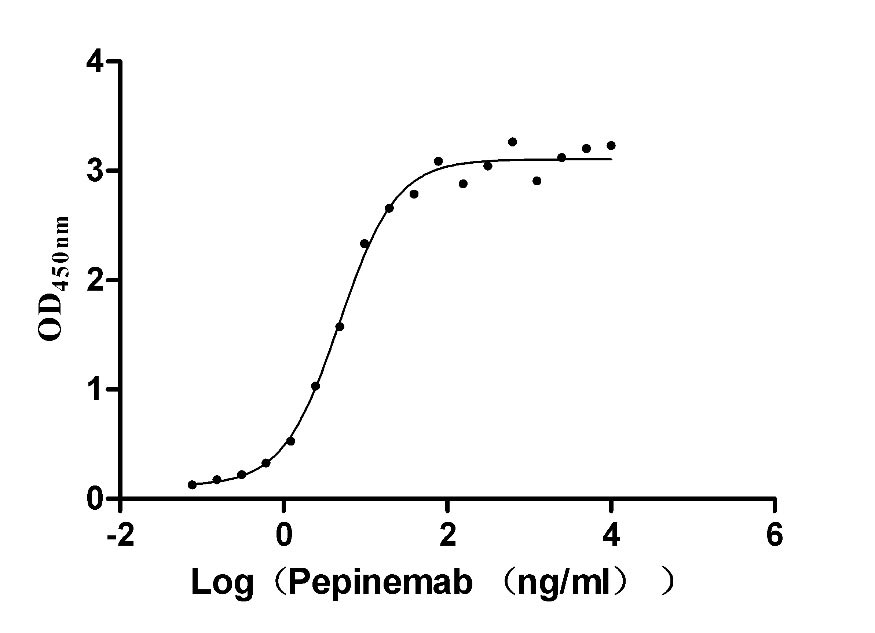
Recombinant Human Semaphorin-4D (SEMA4D), partial (Active)
Express system: Mammalian cell
Species: Homo sapiens (Human)
-
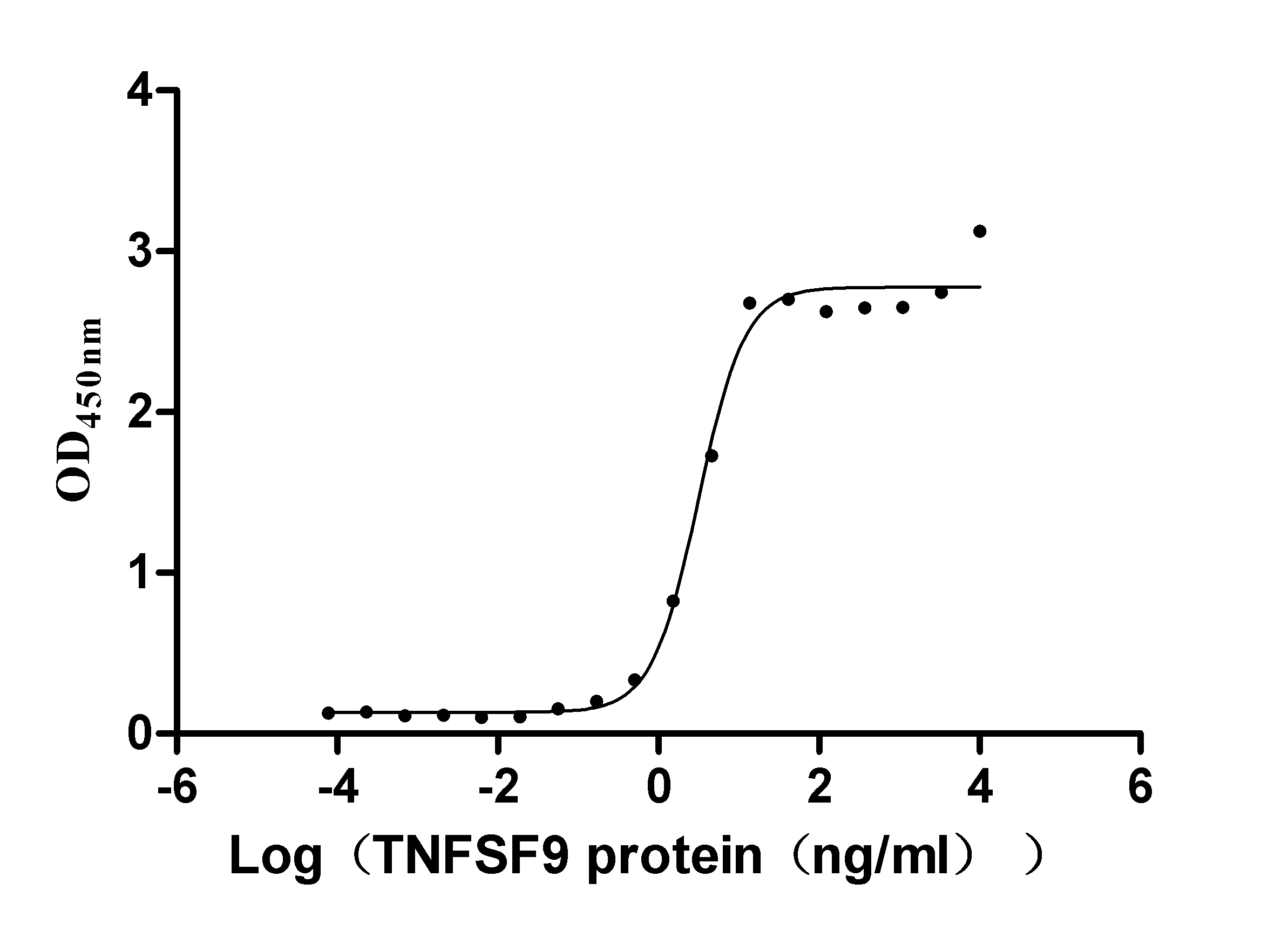
Recombinant Human Tumor necrosis factor ligand superfamily member 9 (TNFSF9), partial (Active)
Express system: Mammalian cell
Species: Homo sapiens (Human)
-

Recombinant Human Intestinal-type alkaline phosphatase (ALPI) (Active)
Express system: Mammalian cell
Species: Homo sapiens (Human)
-
-AC1.jpg)
Recombinant Human Dickkopf-related protein 1 (DKK1) (Active)
Express system: Mammalian cell
Species: Homo sapiens (Human)
-
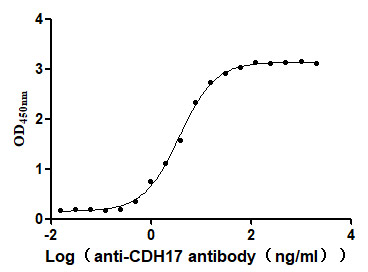
Recombinant Human Cadherin-17 (CDH17), partial (Active)
Express system: Mammalian cell
Species: Homo sapiens (Human)
-
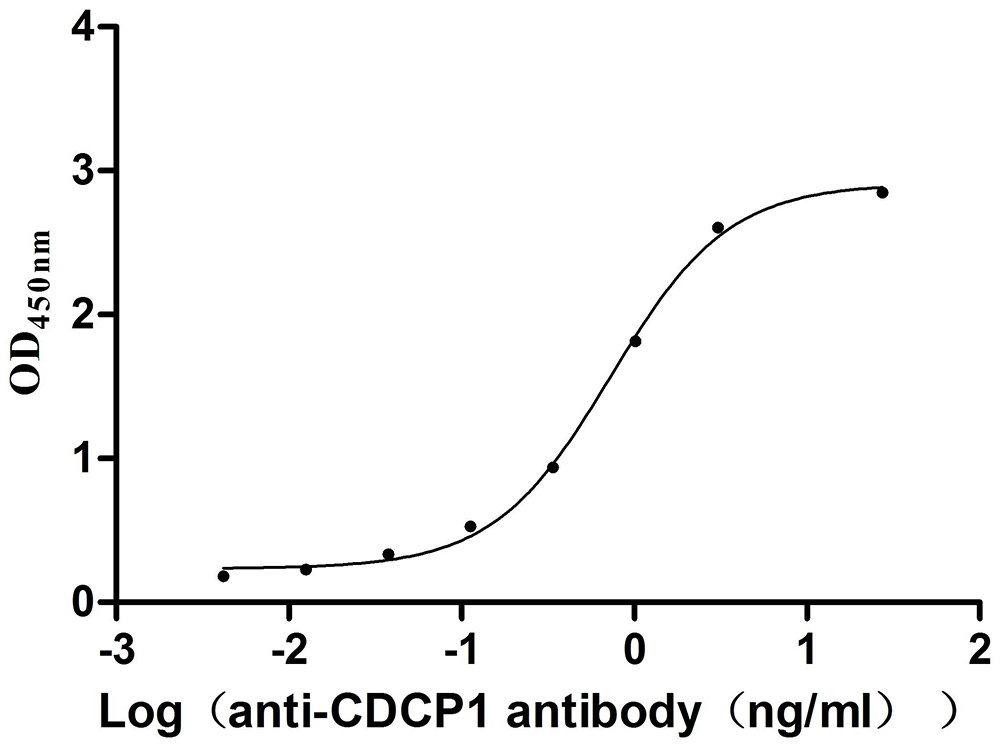
Recombinant Mouse CUB domain-containing protein 1 (Cdcp1), partial (Active)
Express system: Mammalian cell
Species: Mus musculus (Mouse)
-
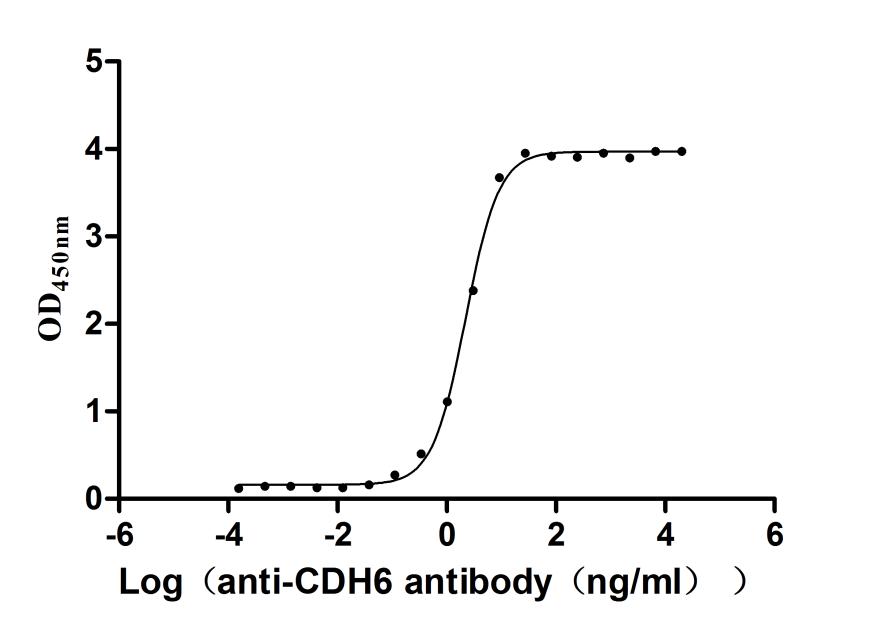
Recombinant Macaca fascicularis Cadherin 6(CDH6),partial (Active)
Express system: Mammalian cell
Species: Macaca fascicularis (Crab-eating macaque) (Cynomolgus monkey)
-
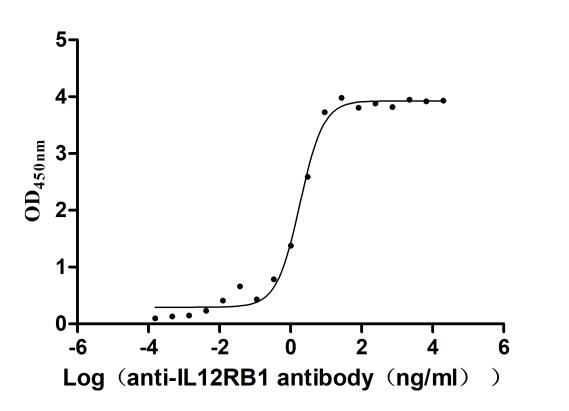
Recombinant Human Interleukin-12 receptor subunit beta-1(IL12RB1),partial (Active)
Express system: Mammalian cell
Species: Homo sapiens (Human)