
Recombinant Human CCR4-NOT transcription complex subunit 1 (CNOT1), partial
-
中文名稱:Recombinant Human CCR4-NOT transcription complex subunit 1(CNOT1) ,partial
-
貨號:CSB-YP005663HU
-
規(guī)格:
-
來源:Yeast
-
其他:
-
中文名稱:Recombinant Human CCR4-NOT transcription complex subunit 1(CNOT1) ,partial
-
貨號:CSB-EP005663HU-B
-
規(guī)格:
-
來源:E.coli
-
共軛:Avi-tag Biotinylated
E. coli biotin ligase (BirA) is highly specific in covalently attaching biotin to the 15 amino acid AviTag peptide. This recombinant protein was biotinylated in vivo by AviTag-BirA technology, which method is BriA catalyzes amide linkage between the biotin and the specific lysine of the AviTag.
-
其他:
-
中文名稱:Recombinant Human CCR4-NOT transcription complex subunit 1(CNOT1) ,partial
-
貨號:CSB-BP005663HU
-
規(guī)格:
-
來源:Baculovirus
-
其他:
-
中文名稱:Recombinant Human CCR4-NOT transcription complex subunit 1(CNOT1) ,partial
-
貨號:CSB-MP005663HU
-
規(guī)格:
-
來源:Mammalian cell
-
其他:
產(chǎn)品詳情
-
純度:>85% (SDS-PAGE)
-
基因名:CNOT1
-
Uniprot No.:
-
別名:CNOT1; CDC39; KIAA1007; NOT1; AD-005CCR4-NOT transcription complex subunit 1; CCR4-associated factor 1; Negative regulator of transcription subunit 1 homolog; NOT1H; hNOT1
-
種屬:Homo sapiens (Human)
-
蛋白長度:Partial
-
蛋白標(biāo)簽:Tag?type?will?be?determined?during?the?manufacturing?process.
The tag type will be determined during production process. If you have specified tag type, please tell us and we will develop the specified tag preferentially. -
產(chǎn)品提供形式:Lyophilized powder
Note: We will preferentially ship the format that we have in stock, however, if you have any special requirement for the format, please remark your requirement when placing the order, we will prepare according to your demand. -
復(fù)溶:We recommend that this vial be briefly centrifuged prior to opening to bring the contents to the bottom. Please reconstitute protein in deionized sterile water to a concentration of 0.1-1.0 mg/mL.We recommend to add 5-50% of glycerol (final concentration) and aliquot for long-term storage at -20℃/-80℃. Our default final concentration of glycerol is 50%. Customers could use it as reference.
-
儲存條件:Store at -20°C/-80°C upon receipt, aliquoting is necessary for mutiple use. Avoid repeated freeze-thaw cycles.
-
保質(zhì)期:The shelf life is related to many factors, storage state, buffer ingredients, storage temperature and the stability of the protein itself.
Generally, the shelf life of liquid form is 6 months at -20°C/-80°C. The shelf life of lyophilized form is 12 months at -20°C/-80°C. -
貨期:Delivery time may differ from different purchasing way or location, please kindly consult your local distributors for specific delivery time.Note: All of our proteins are default shipped with normal blue ice packs, if you request to ship with dry ice, please communicate with us in advance and extra fees will be charged.
-
注意事項:Repeated freezing and thawing is not recommended. Store working aliquots at 4°C for up to one week.
-
Datasheet :Please contact us to get it.
產(chǎn)品評價

相關(guān)產(chǎn)品
靶點詳情
-
功能:Scaffolding component of the CCR4-NOT complex which is one of the major cellular mRNA deadenylases and is linked to various cellular processes including bulk mRNA degradation, miRNA-mediated repression, translational repression during translational initiation and general transcription regulation. Additional complex functions may be a consequence of its influence on mRNA expression. Its scaffolding function implies its interaction with the catalytic complex module and diverse RNA-binding proteins mediating the complex recruitment to selected mRNA 3'UTRs. Involved in degradation of AU-rich element (ARE)-containing mRNAs probably via association with ZFP36. Mediates the recruitment of the CCR4-NOT complex to miRNA targets and to the RISC complex via association with TNRC6A, TNRC6B or TNRC6C. Acts as a transcriptional repressor. Represses the ligand-dependent transcriptional activation by nuclear receptors. Involved in the maintenance of embryonic stem (ES) cell identity.
-
基因功能參考文獻(xiàn):
- These results together with the authors' previous study, have identified that CNOT1 provides a platform for the recruitment of TTP and CNOT7, and is involved in TTPmediated ICAM1 and IL8 mRNA decay. PMID: 29956766
- YTHDF2 recruits the CCR4-NOT complex through a direct interaction between the YTHDF2 N-terminal region and the SH domain of the CNOT1 subunit, and that this recruitment is essential for the deadenylation of m6A-containing RNAs by CAF1 and CCR4. PMID: 27558897
- the CNOT1-LMNA-Hedgehog signaling pathway axis exerts an oncogenic role in osteosarcoma progression, which could be a potential target for gene therapy. PMID: 28188704
- we demonstrate that joint deletion of two short conserved motifs that bind UNR and DDX6 relieves repression of 4E-T-bound mRNA, in part reliant on the 4E-T-DDX6-CNOT1 axis. PMID: 27342281
- miRNAs, AGOs, GW182, the CCR4-NOT complex, and DDX6/Me31B repress and degrade polyadenylated mRNA targets that are translated via scanning-independent mechanisms in both human and Drosophila melanogaster cells PMID: 27009120
- Single nucleotide polymorphism in CNOT1 gene is associated with osteosarcoma susceptibility. PMID: 25663449
- CNOT1 facilitates recruitment of DDX6 to miRNA-targeted mRNAs, placing DDX6 as a downstream effector in the miRNA silencing pathway. PMID: 25035296
- SNP rs7188697 A/G significantly associated with response to dendritic cells therapeutic HIV vaccine PMID: 24433985
- Crystal structures of the DDX6, CNOT1 and CNOT9 complexes. PMID: 24768538
- Crystal structure of the DDX6, CNOT9 and CNOT1 complex. PMID: 24768540
- The CNOT2-CNOT3 heterodimer is stabilized and tightly anchored to the surface of CNOT1 through an unexpected intertwined arrangement of peptide regions lacking defined secondary structure. PMID: 24121232
- Authors identify an evolutionarily conserved C-terminal motif in human TTP that directly binds a central domain of CNOT1, a core subunit of the CCR4-NOT complex. PMID: 23644599
- The NOT1 MIF4G domain binds CAF1 through a pre-formed interface and leaves the CAF1 catalytic site fully accessible to RNA substrates. PMID: 22977175
- Cnot1, Cnot2, and Cnot3 represent a novel component of the core self-renewal and pluripotency circuitry conserved in mouse and human ESCs. PMID: 22367759
- Depletion of CNOT1 induces cell death in a caspase-dependent manner. PMID: 21976065
- purification and characterization of 1.0 MDa yeast CCR4-NOT complex identifies two novel components, CAF40 and CAF130: yeast CAF40 binds human NOT1 PMID: 11733989
- CNOT1 interacts in a ligand-dependent manner with RXR and represses transcription mediated by several RXR heterodimers. PMID: 16778766
- Data show that Ccr4-Not function in RNA splicing and nuclear export, and that CNOT1 binds CNOT4 in yeast two-hybrid assays. PMID: 19558367
顯示更多
收起更多
-
亞細(xì)胞定位:Cytoplasm, P-body. Nucleus.
-
蛋白家族:CNOT1 family
-
組織特異性:Strongly expressed in brain, heart, thymus, spleen, kidney, liver, placenta and lung. Weakly expressed in skeletal muscle and colon.
-
數(shù)據(jù)庫鏈接:
Most popular with customers
-
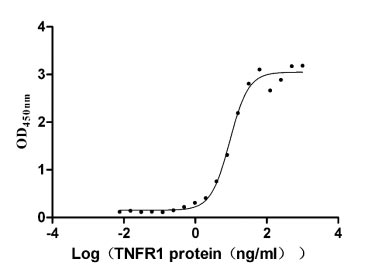
Recombinant Human Tumor necrosis factor receptor superfamily member 1A (TNFRSF1A), partial (Active)
Express system: Mammalian cell
Species: Homo sapiens (Human)
-
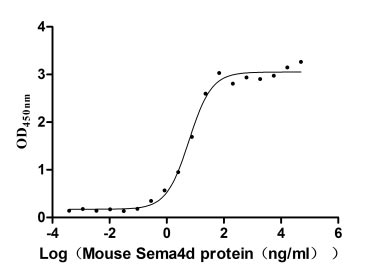
Recombinant Mouse Semaphorin-4D (Sema4d), partial (Active)
Express system: Mammalian cell
Species: Mus musculus (Mouse)
-
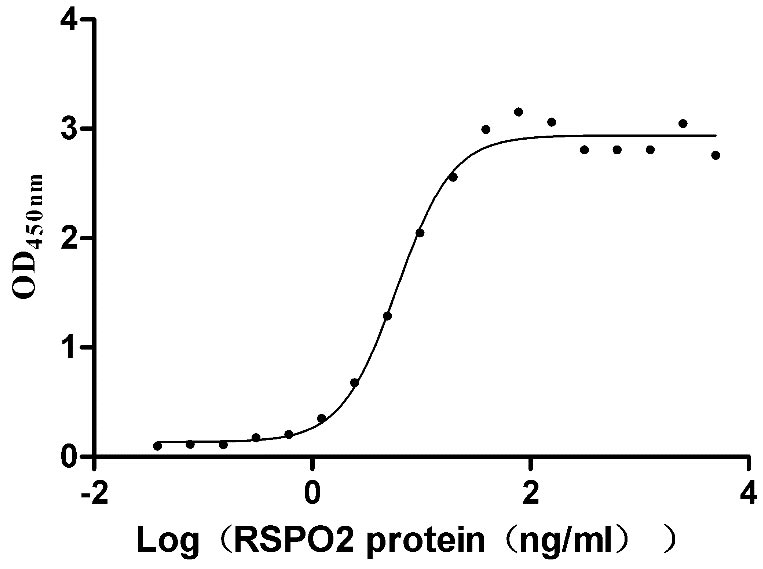
Recombinant Human E3 ubiquitin-protein ligase ZNRF3 (ZNRF3), partial (Active)
Express system: Mammalian cell
Species: Homo sapiens (Human)
-
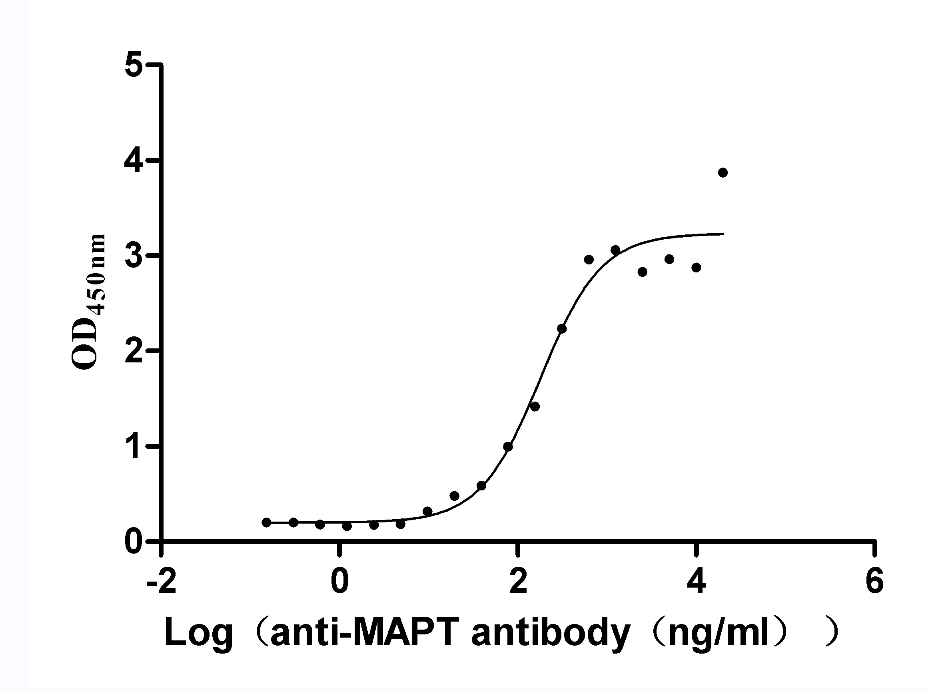
Recombinant Rat Microtubule-associated protein tau (Mapt) (Active)
Express system: Mammalian cell
Species: Rattus norvegicus (Rat)
-
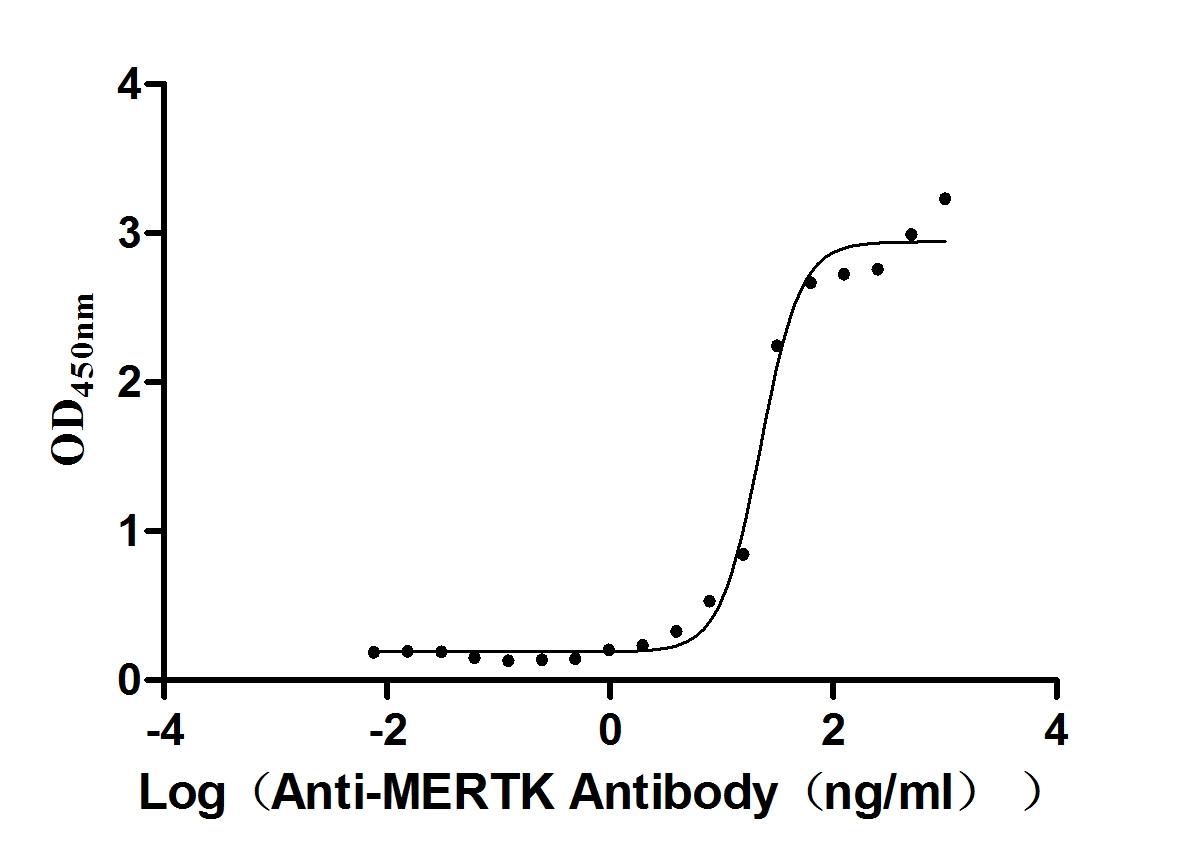
Recombinant Mouse Tyrosine-protein kinase Mer (Mertk), partial (Active)
Express system: Mammalian cell
Species: Mus musculus (Mouse)
-
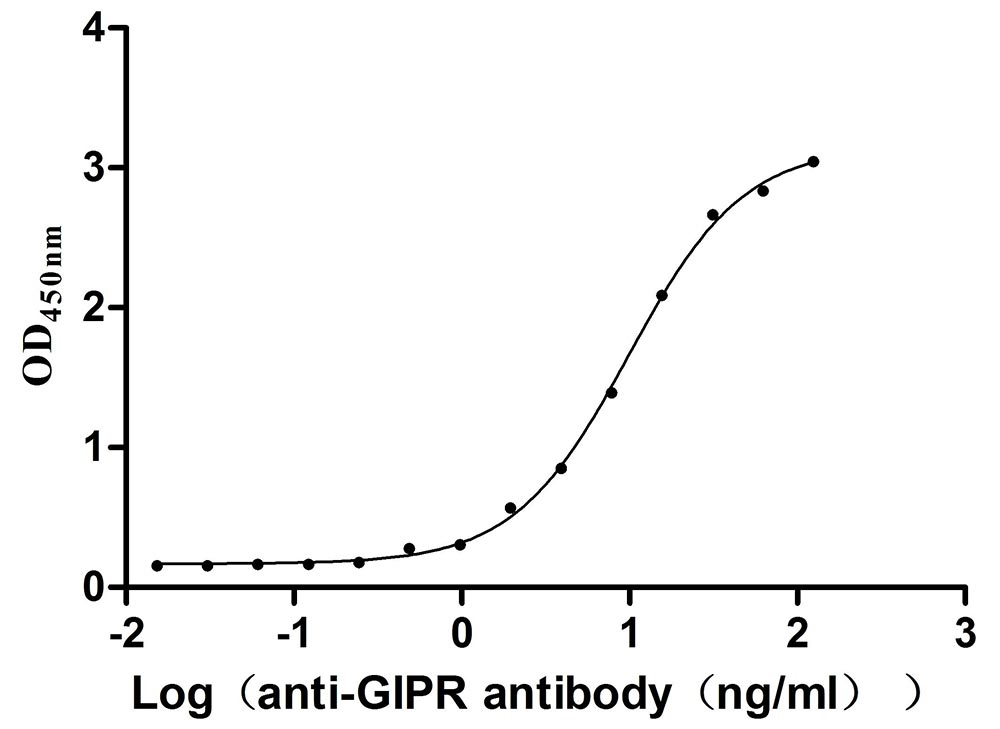
Recombinant Mouse Gastric inhibitory polypeptide receptor (Gipr), partial (Active)
Express system: Mammalian cell
Species: Mus musculus (Mouse)
-
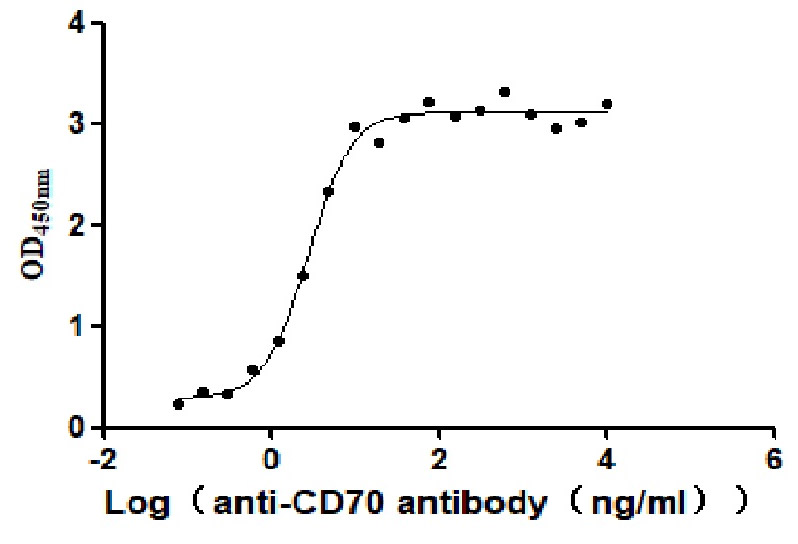
Recombinant Human CD70 antigen (CD70), partial (Active)
Express system: Mammalian cell
Species: Homo sapiens (Human)
-
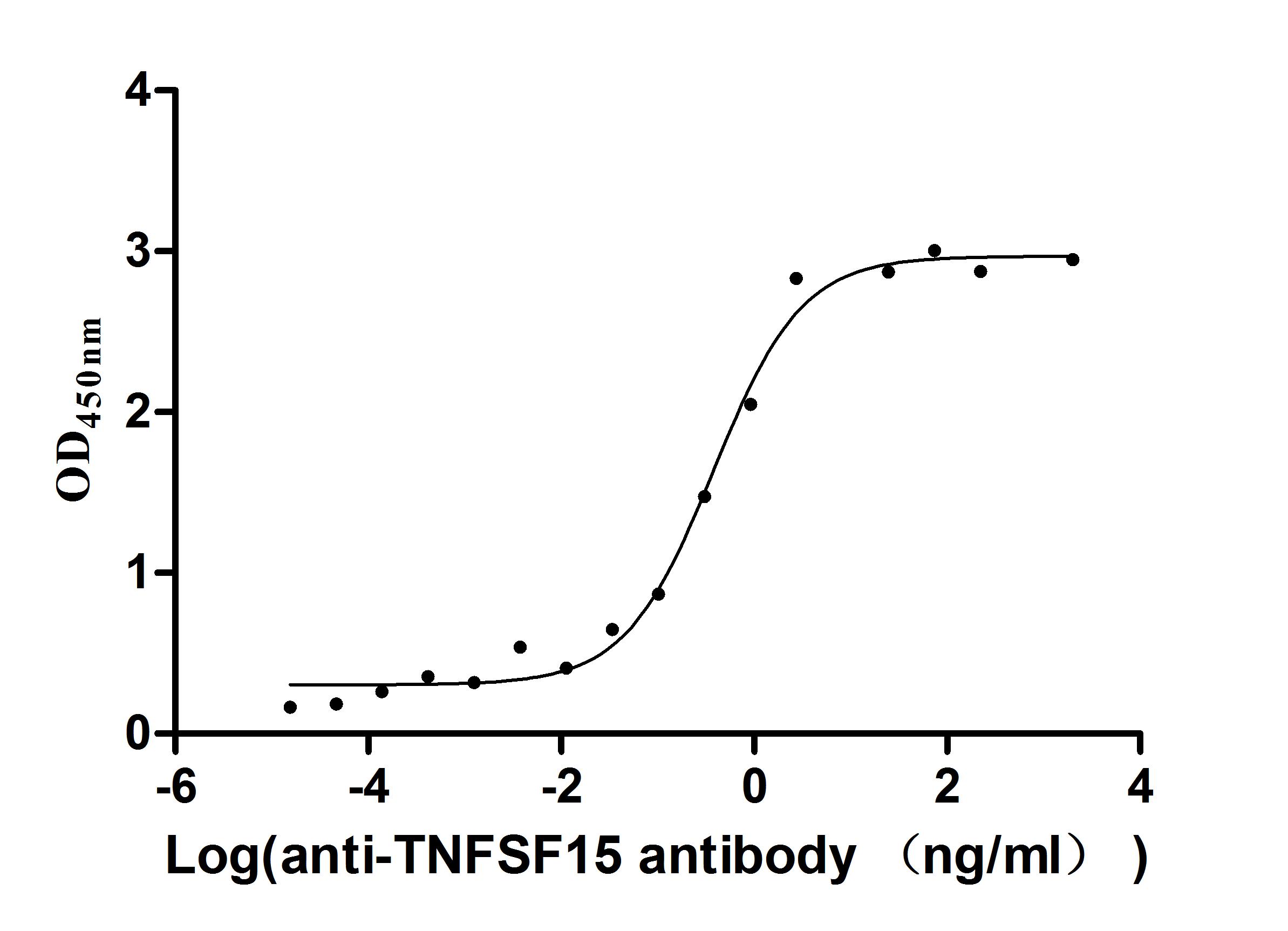
Express system: Mammalian cell
Species: Homo sapiens (Human)