Recombinant Escherichia coli RNA polymerase sigma factor rpoD (rpoD)
-
中文名稱:Recombinant Escherichia coli RNA polymerase sigma factor rpoD (rpoD)
-
品名簡稱:Recombinant E.coli rpoD protein
-
貨號:CSB-EP360419ENV
-
說明書:
-
規格:¥1836
-
圖片:
-
 (Tris-Glycine gel) Discontinuous SDS-PAGE (reduced) with 5% enrichment gel and 15% separation gel.
-
-
其他:
產品詳情
-
純度:Greater than 90% as determined by SDS-PAGE.
-
生物活性:Not Test
-
基因名:rpoD
-
Uniprot No.:
-
別名:Sigma-70
-
種屬:Escherichia coli (strain K12)
-
蛋白長度:Full Length
-
來源:E.coli
-
分子量:77.2 kDa
-
表達區域:1-613aa
-
氨基酸序列MEQNPQSQLKLLVTRGKEQGYLTYAEVNDHLPEDIVDSDQIEDIIQMINDMGIQVMEEAPDADDLMLAENTADEDAAEAAAQVLSSVESEIGRTTDPVRMYMREMGTVELLTREGEIDIAKRIEDGINQVQCSVAEYPEAITYLLEQYDRVEAEEARLSDLITGFVDPNAEEDLAPTATHVGSELSQEDLDDDEDEDEEDGDDDSADDDNSIDPELAREKFAELRAQYVVTRDTIKAKGRSHATAQEEILKLSEVFKQFRLVPKQFDYLVNSMRVMMDRVRTQERLIMKLCVEQCKMPKKNFITLFTGNETSDTWFNAAIAMNKPWSEKLHDVSEEVHRALQKLQQIEEETGLTIEQVKDINRRMSIGEAKARRAKKEMVEANLRLVISIAKKYTNRGLQFLDLIQEGNIGLMKAVDKFEYRRGYKFSTYATWWIRQAITRSIADQARTIRIPVHMIETINKLNRISRQMLQEMGREPTPEELAERMLMPEDKIRKVLKIAKEPISMETPIGDDEDSHLGDFIEDTTLELPLDSATTESLRAATHDVLAGLTAREAKVLRMRFGIDMNTDYTLEEVGKQFDVTRERIRQIEAKALRKLRHPSRSEVLRSFLDD
Note: The complete sequence may include tag sequence, target protein sequence, linker sequence and extra sequence that is translated with the protein sequence for the purpose(s) of secretion, stability, solubility, etc.
If the exact amino acid sequence of this recombinant protein is critical to your application, please explicitly request the full and complete sequence of this protein before ordering. -
蛋白標簽:C-terminal 6xHis-tagged
-
產品提供形式:Liquid or Lyophilized powder
Note: We will preferentially ship the format that we have in stock, however, if you have any special requirement for the format, please remark your requirement when placing the order, we will prepare according to your demand. -
緩沖液:If the delivery form is liquid, the default storage buffer is Tris/PBS-based buffer, 5%-50% glycerol. If the delivery form is lyophilized powder, the buffer before lyophilization is Tris/PBS-based buffer, 6% Trehalose, pH 8.0.
-
復溶:We recommend that this vial be briefly centrifuged prior to opening to bring the contents to the bottom. Please reconstitute protein in deionized sterile water to a concentration of 0.1-1.0 mg/mL.We recommend to add 5-50% of glycerol (final concentration) and aliquot for long-term storage at -20°C/-80°C. Our default final concentration of glycerol is 50%. Customers could use it as reference.
-
儲存條件:Store at -20°C/-80°C upon receipt, aliquoting is necessary for mutiple use. Avoid repeated freeze-thaw cycles.
-
保質期:The shelf life is related to many factors, storage state, buffer ingredients, storage temperature and the stability of the protein itself.
Generally, the shelf life of liquid form is 6 months at -20°C/-80°C. The shelf life of lyophilized form is 12 months at -20°C/-80°C. -
貨期:Basically, we can dispatch the products out in 3-7 working days after receiving your orders. Delivery time may differ from different purchasing way or location, please kindly consult your local distributors for specific delivery time.
-
注意事項:Repeated freezing and thawing is not recommended. Store working aliquots at 4℃ for up to one week.
-
Datasheet & COA:Please contact us to get it.
產品評價

相關產品
靶點詳情
-
功能:Sigma factors are initiation factors that promote the attachment of RNA polymerase to specific initiation sites and are then released. This sigma factor is the primary sigma factor during exponential growth. Preferentially transcribes genes associated with fast growth, such as ribosomal operons, other protein-synthesis related genes, rRNA- and tRNA-encoding genes and prfB.
-
基因功能參考文獻:
- Counter-intuitively, intermolecular epistasis can alleviate the constraints of individual components, thereby increasing phenotypic variation that selection could act on and facilitating adaptive evolution. PMID: 29130883
- In contrast to NusG, which freely binds to RNA polymerase, RfaH exists in a structurally distinct autoinhibitory state in which the RNA polymerase-binding site is buried at the interface between two RfaH domains. PMID: 28605514
- Here the authors establish that the primary sigma factor in Escherichia coli, sigma(70), can function as an elongation factor in vivo by loading directly onto the transcription elongation complex in trans. PMID: 26371553
- These data suggested that template strand single-stranded DNA competes with lipiarmycin for binding to RNA polymerase and that sigma(70) regions 1.2 and 3.2 attenuate lipiarmycin action by promoting DNA duplex opening. PMID: 26724534
- The sigma70-subunit of E. coli RNA polymerase (a small protein, being a part of RNA holoenzyme, and responsible for initiation of transcription of constitutive genes) is modeled at different ionic strengths PMID: 26841497
- Data suggest that RNAP sigma 70 interactions with DNA immediately downstream of the transcription bubble are particularly important for initiation of transcription. PMID: 25311862
- Authors conclude that bacteriophage interruption of mlrA and RpoS mutations provide major obstacles limiting curli expression and biofilm formation in most serotype O157 : H7 strains. PMID: 23744902
- where at least three regions of the 6S RNA must interact with Esigma(70) in a cooperative manner so as to ensure effective pRNA-dependent release. PMID: 24681966
- The study presents the initial steps of the 6S RNA - RNA polymerase complex decay. PMID: 23667906
- X-ray crystal structure of Escherichia coli RNA polymerase sigma70 holoenzyme PMID: 23389035
- Deliberately slowing the intrinsic 6S RNA release rate by nucleotide feeding experiments reveals that sigma70 ejection occurs abruptly once a pRNA length of 9 nucleotides is reached. PMID: 23118417
- study found that although Rob makes fewer interactions with sigma(70) R4 than SoxS, the 2 proteins make the same position-dependent interactions; Rob occludes sigma(70) R4 from binding the -35 hexamer, just as does SoxS; thus, the C-terminal domain does not substantially alter the way Rob interacts with sigma(70) R4 at class II promoters PMID: 22465792
- Data indicate that region 1.1 and, to a lesser extent, region 1.2 of sigma(70) subunit determine higher promoter complex stability of RNA polymerase (RNAP). PMID: 22605342
- changes in the structure of region 2 of the sigma(70) subunit have stronger effects on transcription pausing than on promoter recognition, likely by weakening the interactions of the sigma subunit with the core RNAP during transcription elongation. PMID: 22098235
- The strength of the -15 element in sigma(70) promoter inversely correlates with the strengths of the -35 element and -10 element. PMID: 21908667
- sigma70 drives yjbEFGH transcription and it also acts to repress its induction. PMID: 21396442
- Mutation of sigma(70) residue R451, which is highly conserved, results in reduced growth rate, consistent with a central role in promoter recognition. PMID: 21398630
- His180 substitutions influence several steps of transcription initiation, including core binding, promoter DNA recognition and open complex formation. PMID: 21451247
- Genetic evidence for a novel interaction between transcriptional activator soxs and region 4 of the sigma(70) subunit of RNA polymerase at class ii SoxS-dependent promoters in Escherichia coli PMID: 21195716
- SoxS is now the first example of an E. coli transcriptional activator that uses a single positive control surface to make specific protein-protein contacts with two different subunits of RNAP. PMID: 20595001
- Phenotypically, cells overproducing sigma(70) favours growth and reproduction at the expense of motility and damage protection. PMID: 19574956
- in vivo association of sigma(70) and NusA with elongating RNA polymerase is regulated by growth conditions PMID: 15596728
- analysis of promoter DNA melting by Thermus aquaticus and Escherichia coli RNA polymerases PMID: 15731103
- amino acid substitutions in region 4 of sigma(70) that have specific effects on the sigma(70) region 4/beta-flap RNA polymerase interaction, either weakening or strengthening it PMID: 15761057
- Establishment of downstream contacts leads to remodeling of upstream interactions between sigma70 and the -10 promoter element that might facilitate promoter escape and sigma release PMID: 15978618
- the recognition of the -35 region involves similar amino acid residues in regions 4.2 of E. coli sigma32 and sigma70 PMID: 16166539
- the core of promoter melting activity of RNA polymerase is localized to a very small subset of all promoter-polymerase contacts PMID: 16169843
- an important role of sigma region 3.2 in the binding of initiating substrates in RNA polymerase active center and in the process of promoter clearance PMID: 16690607
- Sigma region 1.2 acts as a core RNA polymerase-dependent allosteric switch that modulates non-template DNA strand recognition by sigma region 2 during transcription initiation and elongation. PMID: 17268549
- sigma(70) NCR/beta' interaction facilitates promoter escape and hinders early elongation pausing, in contrast to the sigma(2)/beta' coiled-coil interaction, which has opposite effects. PMID: 17332752
- experiments support a model in which the role of Rsd is primarily to sequester sigma(70), thereby increasing the levels of RNA polymerase containing the alternative sigma(38) factor PMID: 17351046
- The 2.6 A-resolution X-ray crystal structure of Rsd bound to sigma(70) domain 4 (sigma(70)(4)), the primary determinant for Rsd binding within sigma(70), was determined. PMID: 17681541
- the T429 of Sigma 70 acts as a competitor for the hydrogen bonding that stabilizes the highly conserved - 11A-T base pairs of the promoter DNA, thus facilitating initiation of strand separation at this particular position in the - 10 region. PMID: 18155246
- The tyrosine at residue 430 in region 2.3 of sigma(70) was shown to be involved in quenching the fluorescence of a 2-AP substituted at -11, presumably through a stacking interaction. PMID: 18976666
- Residues in sigma70 region 4.2, the C-terminus of the second helix, contribute significantly to 6S RNA binding but not to binding of a minimal promoter. PMID: 19538447
顯示更多
收起更多
-
亞細胞定位:Cytoplasm.
-
蛋白家族:Sigma-70 factor family, RpoD/SigA subfamily
-
數據庫鏈接:
KEGG: ecj:JW3039
STRING: 316385.ECDH10B_3242
Most popular with customers
-
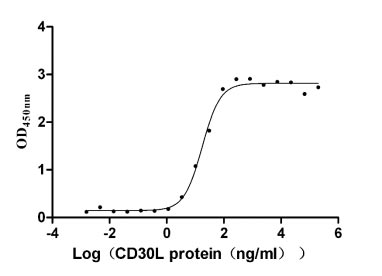
Recombinant Human Tumor necrosis factor receptor superfamily member 8 (TNFRSF8), partial (Active)
Express system: Mammalian cell
Species: Homo sapiens (Human)
-
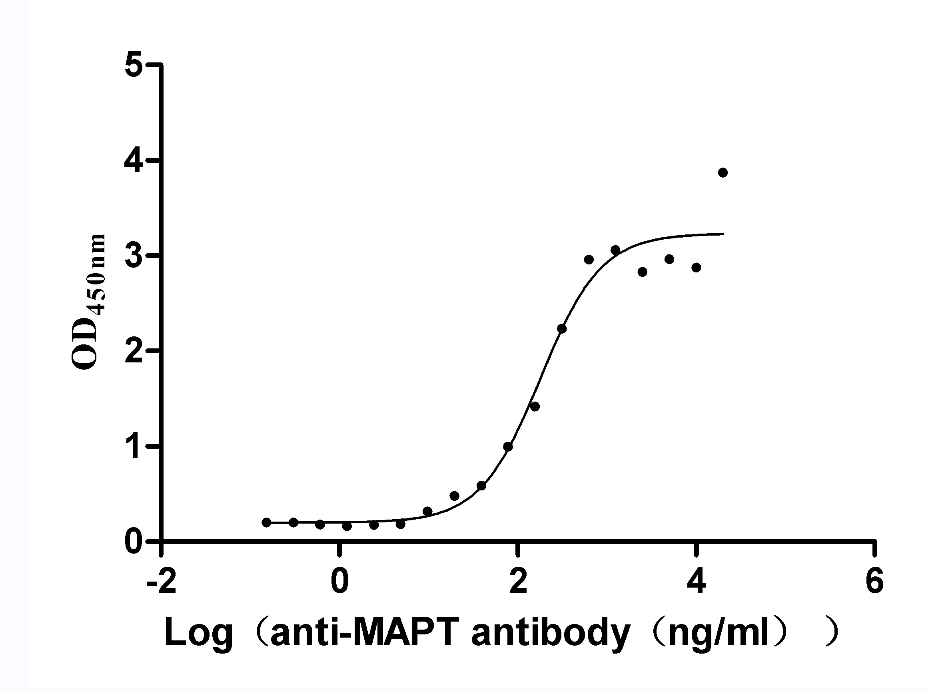
Recombinant Rat Microtubule-associated protein tau (Mapt) (Active)
Express system: Mammalian cell
Species: Rattus norvegicus (Rat)
-
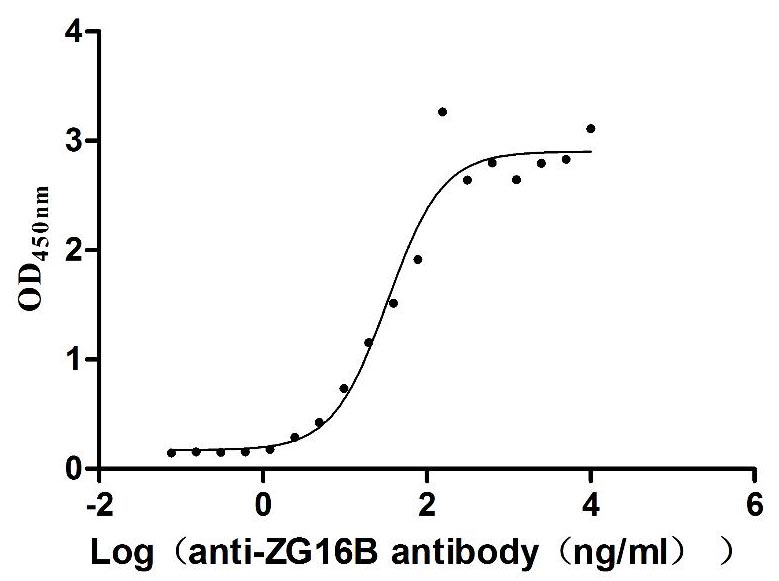
Recombinant Human Pancreatic adenocarcinoma up-regulated factor (ZG16B) (Active)
Express system: Mammalian cell
Species: Homo sapiens (Human)
-
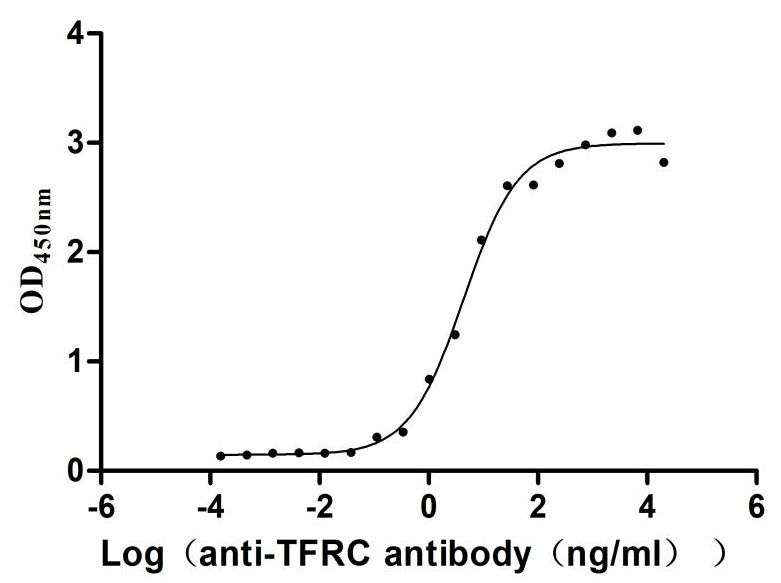
Recombinant Human Transferrin receptor protein 1 (TFRC), partial (Active)
Express system: Mammalian cell
Species: Homo sapiens (Human)
-
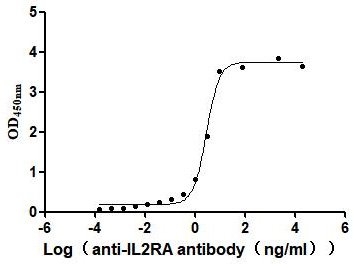
Recombinant Human Interleukin-2 receptor subunit alpha (IL2RA), partial (Active)
Express system: Mammalian cell
Species: Homo sapiens (Human)
-
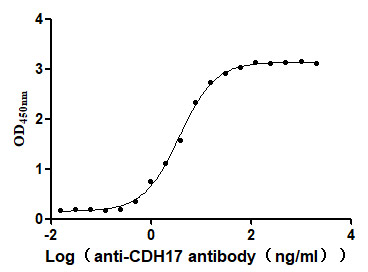
Recombinant Human Cadherin-17 (CDH17), partial (Active)
Express system: Mammalian cell
Species: Homo sapiens (Human)
-
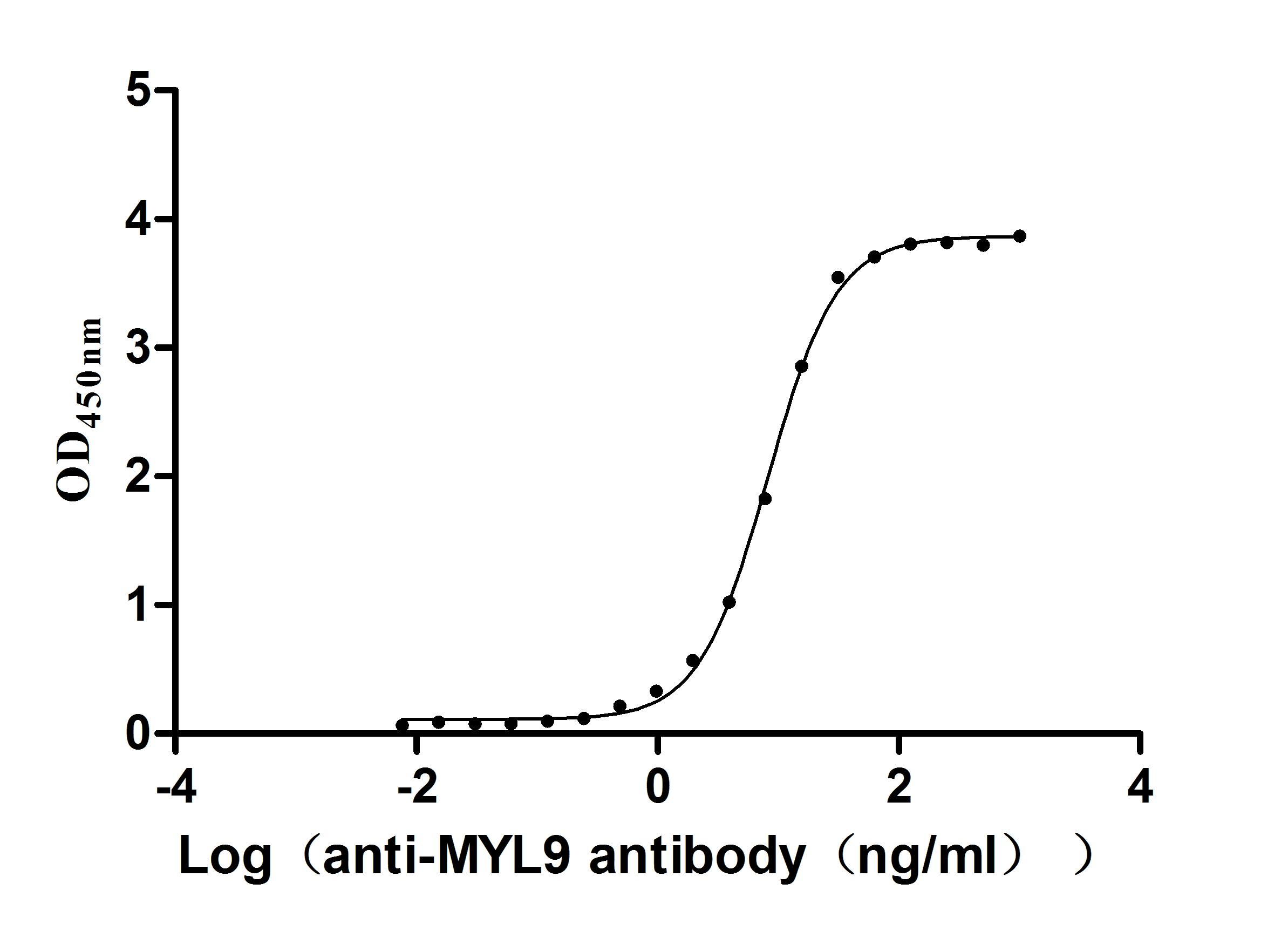
Recombinant Human Myosin regulatory light chain 12B (MYL12B) (Active)
Express system: E.coli
Species: Homo sapiens (Human)
-
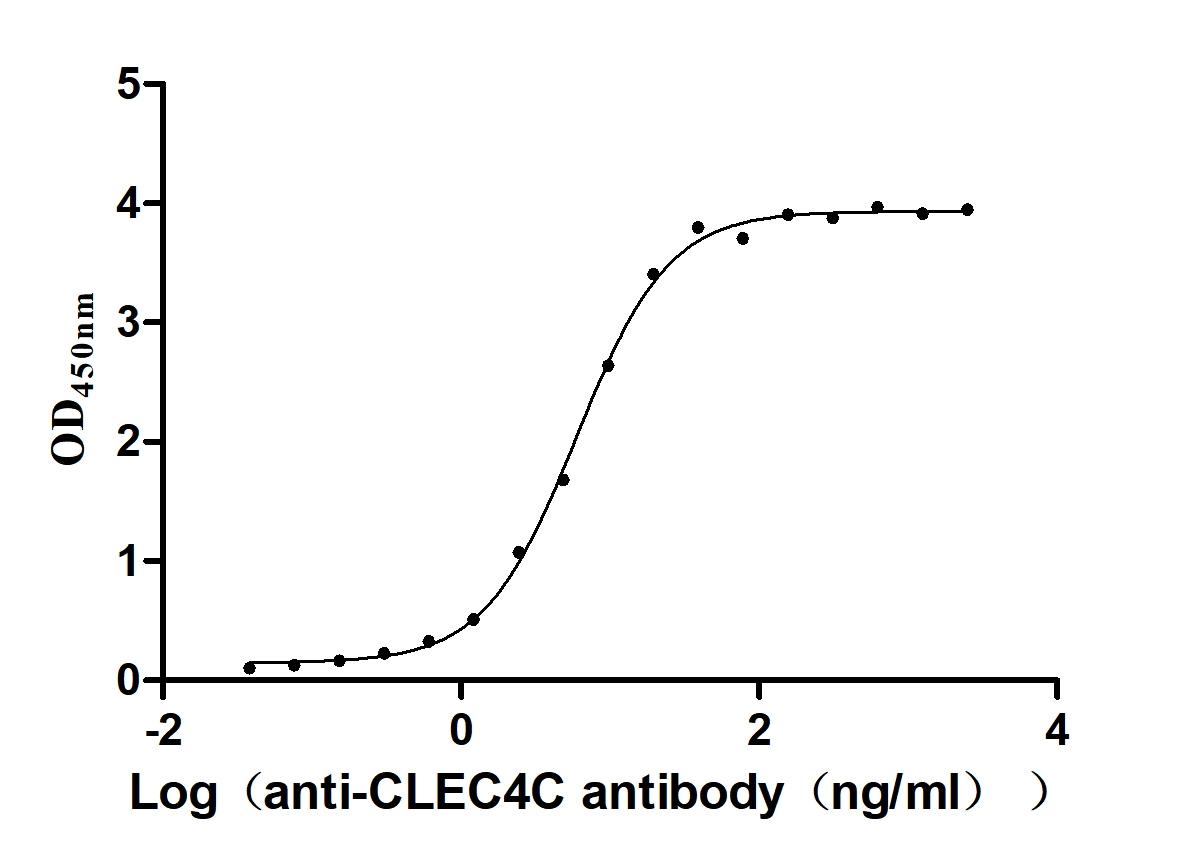
Recombinant Macaca fascicularis C-type lectin domain family 4 member C(CLEC4C), partial (Active)
Express system: Mammalian cell
Species: Macaca fascicularis (Crab-eating macaque) (Cynomolgus monkey)