Recombinant Avian infectious bronchitis virus Replicase polyprotein 1a (1a), partial
-
中文名稱:Recombinant Avian infectious bronchitis virus Replicase polyprotein 1a (1a),partial
-
貨號(hào):CSB-YP315162ARK
-
規(guī)格:
-
來源:Yeast
-
其他:
-
中文名稱:Recombinant Avian infectious bronchitis virus Replicase polyprotein 1a (1a),partial
-
貨號(hào):CSB-EP315162ARK
-
規(guī)格:
-
來源:E.coli
-
其他:
-
中文名稱:Recombinant Avian infectious bronchitis virus Replicase polyprotein 1a (1a),partial
-
貨號(hào):CSB-EP315162ARK-B
-
規(guī)格:
-
來源:E.coli
-
共軛:Avi-tag Biotinylated
E. coli biotin ligase (BirA) is highly specific in covalently attaching biotin to the 15 amino acid AviTag peptide. This recombinant protein was biotinylated in vivo by AviTag-BirA technology, which method is BriA catalyzes amide linkage between the biotin and the specific lysine of the AviTag.
-
其他:
-
中文名稱:Recombinant Avian infectious bronchitis virus Replicase polyprotein 1a (1a),partial
-
貨號(hào):CSB-BP315162ARK
-
規(guī)格:
-
來源:Baculovirus
-
其他:
-
中文名稱:Recombinant Avian infectious bronchitis virus Replicase polyprotein 1a (1a),partial
-
貨號(hào):CSB-MP315162ARK
-
規(guī)格:
-
來源:Mammalian cell
-
其他:
產(chǎn)品詳情
-
純度:>85% (SDS-PAGE)
-
基因名:1a
-
Uniprot No.:
-
別名:1a; Replicase polyprotein 1a; pp1a; ORF1a polyprotein) [Cleaved into: Non-structural protein 2; nsp2; p87); Non-structural protein 3; nsp3; EC 3.4.22.-; Papain-like proteinase; PL-PRO; p195); Non-structural protein 4; nsp4; Peptide HD2; p41); 3C-like proteinase; 3CL-PRO; 3CLp; EC 3.4.22.-; M-PRO; nsp5; p33); Non-structural protein 6; nsp6; p34); Non-structural protein 7; nsp7; p9); Non-structural protein 8; nsp8; p24); Non-structural protein 9; nsp9; p10); Non-structural protein 10; nsp10; Growth factor-like peptide; GFL; p16); Non-structural protein 11; nsp11)]
-
種屬:Avian infectious bronchitis virus (strain Beaudette CK) (IBV)
-
蛋白長(zhǎng)度:Partial
-
蛋白標(biāo)簽:Tag?type?will?be?determined?during?the?manufacturing?process.
The tag type will be determined during production process. If you have specified tag type, please tell us and we will develop the specified tag preferentially. -
產(chǎn)品提供形式:Lyophilized powder
Note: We will preferentially ship the format that we have in stock, however, if you have any special requirement for the format, please remark your requirement when placing the order, we will prepare according to your demand. -
復(fù)溶:We recommend that this vial be briefly centrifuged prior to opening to bring the contents to the bottom. Please reconstitute protein in deionized sterile water to a concentration of 0.1-1.0 mg/mL.We recommend to add 5-50% of glycerol (final concentration) and aliquot for long-term storage at -20℃/-80℃. Our default final concentration of glycerol is 50%. Customers could use it as reference.
-
儲(chǔ)存條件:Store at -20°C/-80°C upon receipt, aliquoting is necessary for mutiple use. Avoid repeated freeze-thaw cycles.
-
保質(zhì)期:The shelf life is related to many factors, storage state, buffer ingredients, storage temperature and the stability of the protein itself.
Generally, the shelf life of liquid form is 6 months at -20°C/-80°C. The shelf life of lyophilized form is 12 months at -20°C/-80°C. -
貨期:Delivery time may differ from different purchasing way or location, please kindly consult your local distributors for specific delivery time.Note: All of our proteins are default shipped with normal blue ice packs, if you request to ship with dry ice, please communicate with us in advance and extra fees will be charged.
-
注意事項(xiàng):Repeated freezing and thawing is not recommended. Store working aliquots at 4°C for up to one week.
-
Datasheet :Please contact us to get it.
產(chǎn)品評(píng)價(jià)

靶點(diǎn)詳情
-
功能:Multifunctional protein involved in the transcription and replication of viral RNAs. Contains the proteinases responsible for the cleavages of the polyprotein.; May play a role in the modulation of host cell survival signaling pathway by interacting with host PHB and PHB2. Indeed, these two proteins play a role in maintaining the functional integrity of the mitochondria and protecting cells from various stresses.; Responsible for the cleavages located at the N-terminus of the replicase polyprotein. In addition, PL-PRO possesses a deubiquitinating/deISGylating activity and processes both 'Lys-48'- and 'Lys-63'-linked polyubiquitin chains from cellular substrates.; Plays a role in host membrane rearrangement that leads to creation of cytoplasmic double-membrane vesicles (DMV) necessary for viral replication. Alone is able to induce paired membranes. Coexpression of nsp3 and nsp4 does not result in the formation of DMVs.; Responsible for the majority of cleavages as it cleaves the C-terminus of replicase polyprotein at 11 sites. Recognizes substrates containing the core sequence Forms a hexadecamer with nsp8 (8 subunits of each) that may participate in viral replication by acting as a primase. Alternatively, may synthesize substantially longer products than oligonucleotide primers.; Forms a hexadecamer with nsp7 (8 subunits of each) that may participate in viral replication by acting as a primase. Alternatively, may synthesize substantially longer products than oligonucleotide primers.; Plays an essential role in viral replication by forming a homodimer that binds single-stranded RNA.; Plays a pivotal role in viral transcription by stimulating both nsp14 3'-5' exoribonuclease and nsp16 2'-O-methyltransferase activities. Therefore plays an essential role in viral mRNAs cap methylation.
-
亞細(xì)胞定位:[Papain-like protease]: Host endoplasmic reticulum membrane; Multi-pass membrane protein. Host cytoplasm.; [Non-structural protein 4]: Host endoplasmic reticulum membrane; Multi-pass membrane protein. Host cytoplasm.; [Non-structural protein 6]: Host endoplasmic reticulum membrane; Multi-pass membrane protein.; [Non-structural protein 7]: Host cytoplasm, host perinuclear region. Host cytoplasm. Host endoplasmic reticulum. Note=nsp7, nsp8, nsp9 and nsp10 are localized in cytoplasmic foci, largely perinuclear. Late in infection, they merge into confluent complexes.; [Non-structural protein 8]: Host cytoplasm, host perinuclear region. Host cytoplasm. Host endoplasmic reticulum. Note=nsp7, nsp8, nsp9 and nsp10 are localized in cytoplasmic foci, largely perinuclear. Late in infection, they merge into confluent complexes.; [Non-structural protein 9]: Host cytoplasm, host perinuclear region. Host cytoplasm. Host endoplasmic reticulum. Note=nsp7, nsp8, nsp9 and nsp10 are localized in cytoplasmic foci, largely perinuclear. Late in infection, they merge into confluent complexes.; [Non-structural protein 10]: Host cytoplasm, host perinuclear region. Host cytoplasm. Host endoplasmic reticulum. Note=nsp7, nsp8, nsp9 and nsp10 are localized in cytoplasmic foci, largely perinuclear. Late in infection, they merge into confluent complexes.
-
蛋白家族:Coronaviruses polyprotein 1ab family
Most popular with customers
-
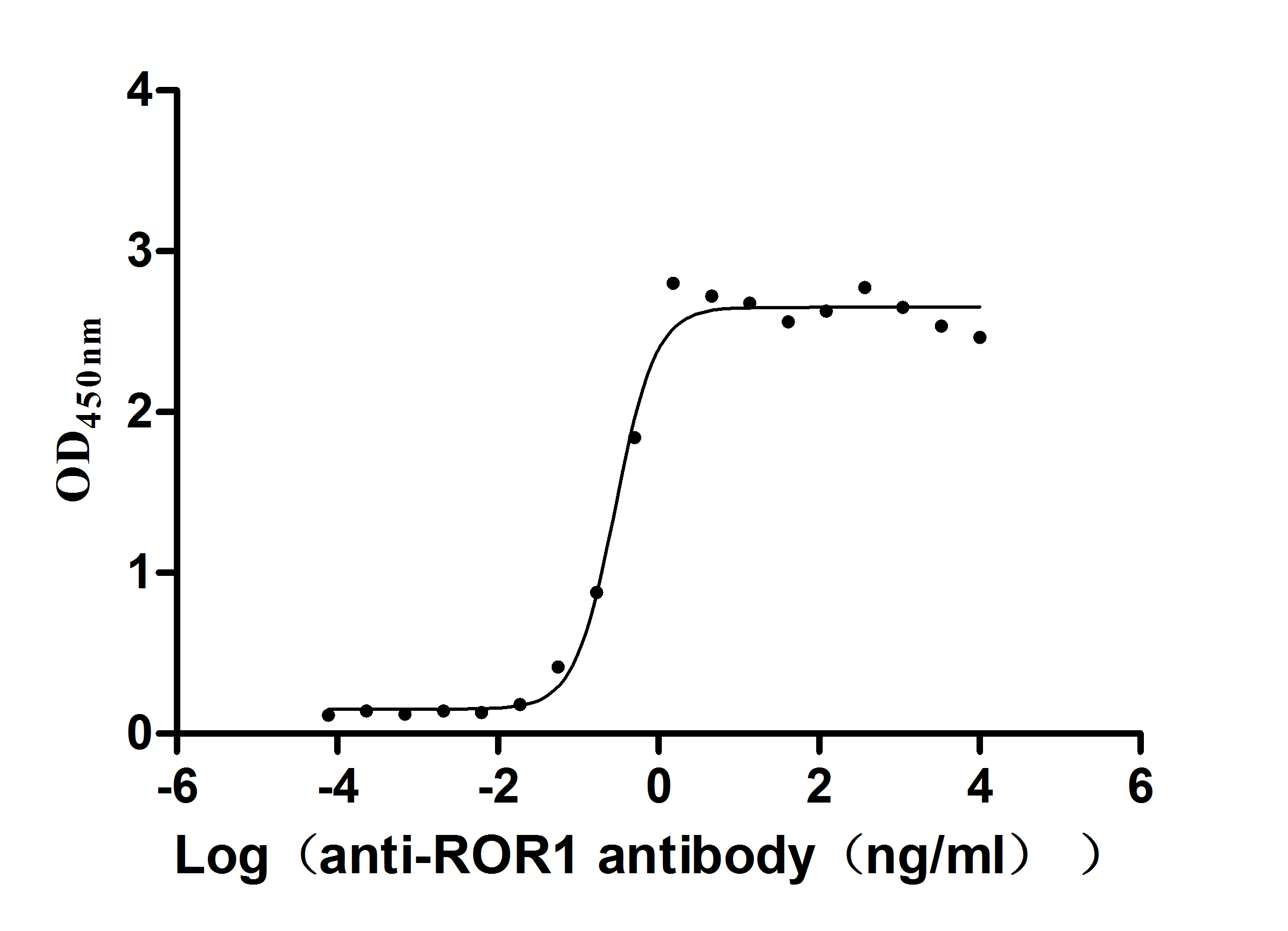
Express system: Mammalian cell
Species: Homo sapiens (Human)
-
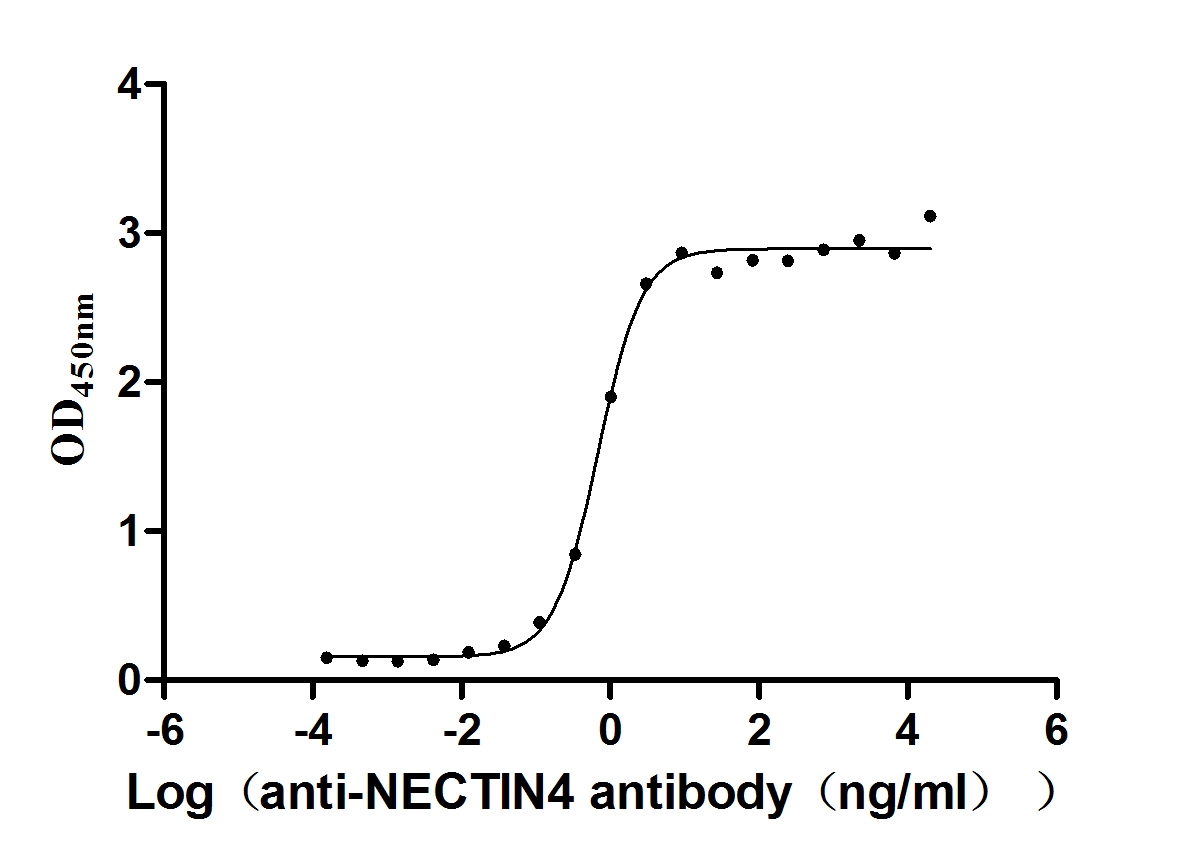
Recombinant Human Nectin-4 (NECTIN4), partial (Active)
Express system: Mammalian cell
Species: Homo sapiens (Human)
-
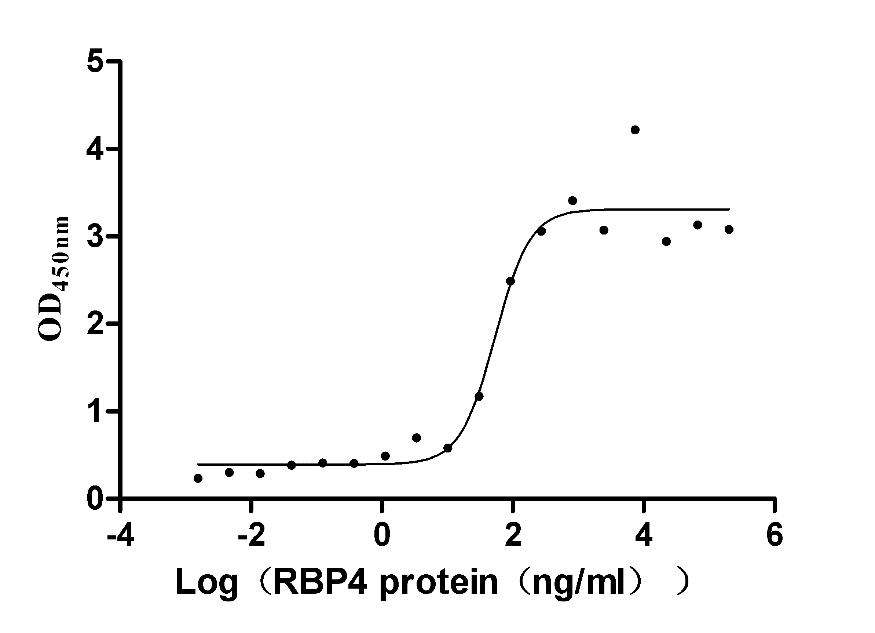
Recombinant Mouse Retinol-binding protein 4 (Rbp4) (Active)
Express system: Mammalian cell
Species: Mus musculus (Mouse)
-
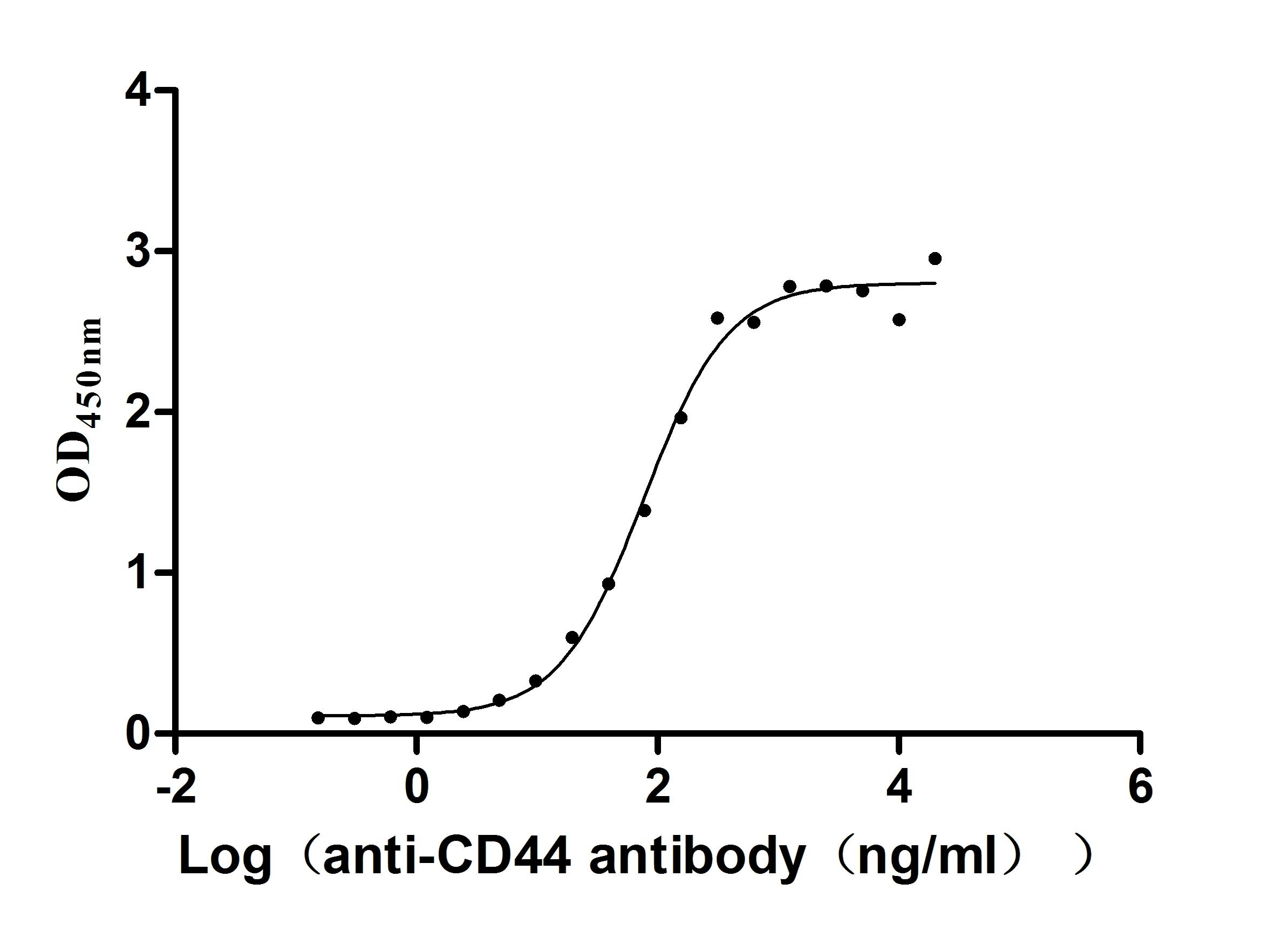
Recombinant Macaca fascicularis CD44 antigen (CD44), partial (Active)
Express system: Mammalian cell
Species: Macaca fascicularis (Crab-eating macaque) (Cynomolgus monkey)
-
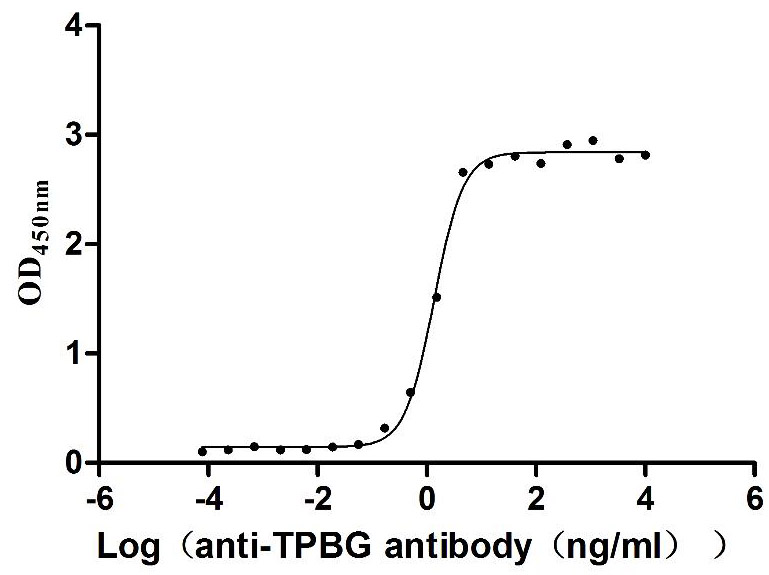
Recombinant Human Trophoblast glycoprotein (TPBG), partial (Active)
Express system: Mammalian cell
Species: Homo sapiens (Human)
-
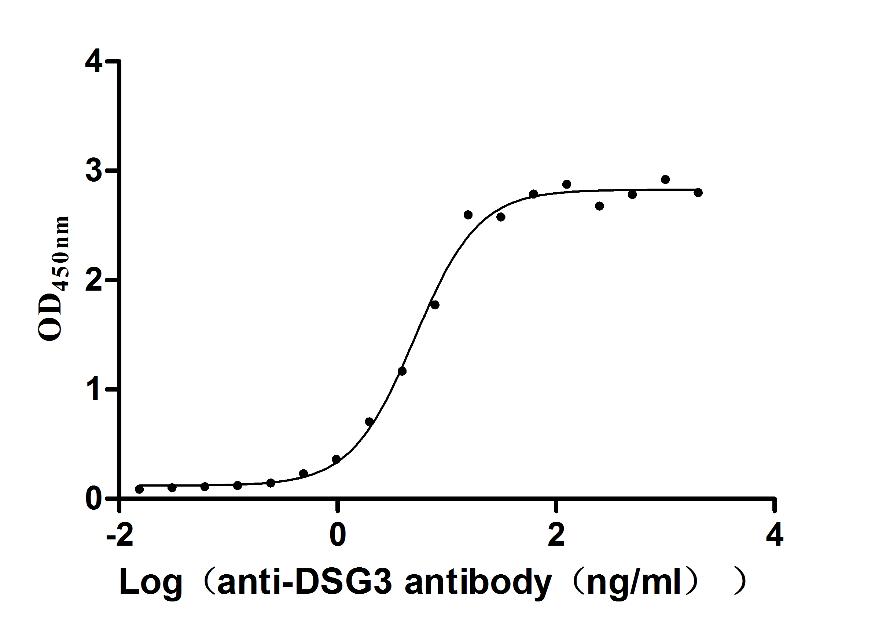
Recombinant Human Desmoglein-3 (DSG3), partial (Active)
Express system: Baculovirus
Species: Homo sapiens (Human)
-
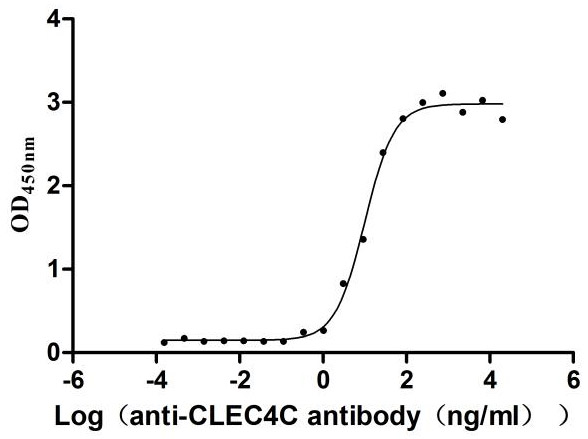
Recombinant Human C-type lectin domain family 4 member C (CLEC4C), partial (Active)
Express system: Mammalian cell
Species: Homo sapiens (Human)
-
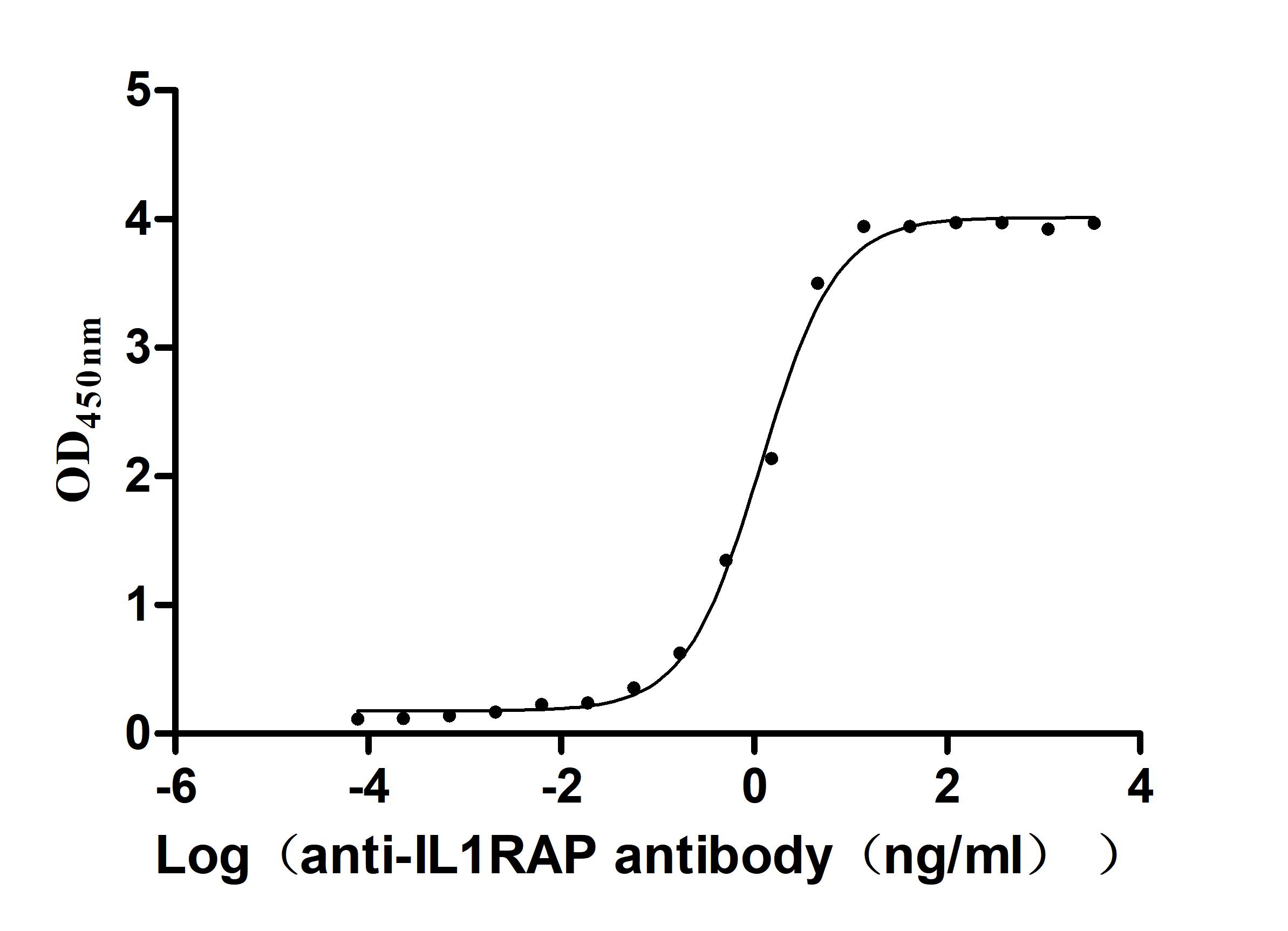
Recombinant Human Interleukin-1 receptor accessory protein (IL1RAP), partial (Active)
Express system: Mammalian cell
Species: Homo sapiens (Human)