
Recombinant Arabidopsis thaliana Protein GIGANTEA (GI), partial
-
中文名稱:擬南芥GI重組蛋白
-
貨號(hào):CSB-YP882924DOA
-
規(guī)格:
-
來(lái)源:Yeast
-
其他:
-
中文名稱:擬南芥GI重組蛋白
-
貨號(hào):CSB-EP882924DOA
-
規(guī)格:
-
來(lái)源:E.coli
-
其他:
-
中文名稱:擬南芥GI重組蛋白
-
貨號(hào):CSB-EP882924DOA-B
-
規(guī)格:
-
來(lái)源:E.coli
-
共軛:Avi-tag Biotinylated
E. coli biotin ligase (BirA) is highly specific in covalently attaching biotin to the 15 amino acid AviTag peptide. This recombinant protein was biotinylated in vivo by AviTag-BirA technology, which method is BriA catalyzes amide linkage between the biotin and the specific lysine of the AviTag.
-
其他:
-
中文名稱:擬南芥GI重組蛋白
-
貨號(hào):CSB-BP882924DOA
-
規(guī)格:
-
來(lái)源:Baculovirus
-
其他:
-
中文名稱:擬南芥GI重組蛋白
-
貨號(hào):CSB-MP882924DOA
-
規(guī)格:
-
來(lái)源:Mammalian cell
-
其他:
產(chǎn)品詳情
-
純度:>85% (SDS-PAGE)
-
基因名:GI
-
Uniprot No.:
-
別名:GI; At1g22770; T22J18.6; Protein GIGANTEA
-
種屬:Arabidopsis thaliana (Mouse-ear cress)
-
蛋白長(zhǎng)度:Partial
-
蛋白標(biāo)簽:Tag?type?will?be?determined?during?the?manufacturing?process.
The tag type will be determined during production process. If you have specified tag type, please tell us and we will develop the specified tag preferentially. -
產(chǎn)品提供形式:Lyophilized powder
Note: We will preferentially ship the format that we have in stock, however, if you have any special requirement for the format, please remark your requirement when placing the order, we will prepare according to your demand. -
復(fù)溶:We recommend that this vial be briefly centrifuged prior to opening to bring the contents to the bottom. Please reconstitute protein in deionized sterile water to a concentration of 0.1-1.0 mg/mL.We recommend to add 5-50% of glycerol (final concentration) and aliquot for long-term storage at -20℃/-80℃. Our default final concentration of glycerol is 50%. Customers could use it as reference.
-
儲(chǔ)存條件:Store at -20°C/-80°C upon receipt, aliquoting is necessary for mutiple use. Avoid repeated freeze-thaw cycles.
-
保質(zhì)期:The shelf life is related to many factors, storage state, buffer ingredients, storage temperature and the stability of the protein itself.
Generally, the shelf life of liquid form is 6 months at -20°C/-80°C. The shelf life of lyophilized form is 12 months at -20°C/-80°C. -
貨期:Delivery time may differ from different purchasing way or location, please kindly consult your local distributors for specific delivery time.Note: All of our proteins are default shipped with normal blue ice packs, if you request to ship with dry ice, please communicate with us in advance and extra fees will be charged.
-
注意事項(xiàng):Repeated freezing and thawing is not recommended. Store working aliquots at 4°C for up to one week.
-
Datasheet :Please contact us to get it.
產(chǎn)品評(píng)價(jià)

靶點(diǎn)詳情
-
功能:Involved in regulation of circadian rhythm and photoperiodic flowering. May play a role in maintenance of circadian amplitude and period length. Is involved in phytochrome B signaling. Stabilizes ADO3 and the circadian photoreceptor ADO1/ZTL. Regulates 'CONSTANS' (CO) in the long-day flowering pathway by modulating the ADO3-dependent protein stability of CDF1 and CDF2, but is not essential to activate CO transcription. Regulates, via the microRNA miR172, a CO-independent pathway that promotes photoperiodic flowering by inducing 'FLOWERING LOCUS T'.
-
基因功能參考文獻(xiàn):
- daily rhythms of GIGANTEA expression respond to day length in a way that depends on the latitude of origin of accessions PMID: 28644109
- ABA-dependent control of signalling enables drought escape via up-regulation of FLOWERING LOCUS T PMID: 27733440
- Data indicate three conserved regulatory modules (CRMs) within the GIGANTEA (GI) promoter. PMID: 25361953
- transitory regulator of SOS pathway activity whose presence or amount connects flowering to environmental conditions PMID: 23656866
- The drought escape response requires GI, FT/TSF, and AGL20 proteins in Arabidopsis. PMID: 23719890
- Spatial partitioning of GI enhances computational performance of the plant circadian network. PMID: 23830866
- GI expressed in either mesophyll or vascular bundles rescues the late-flowering phenotype of the gi-2 loss-of-function mutant under both short-day and long-day conditions. PMID: 21709243
- Soluble affinity-tagged full-length GI was expressed in Escherichia coli (E. coli. PMID: 21111047
- GI acts as part of the sucrose-signaling network and propose this role permits metabolic input into circadian timing in Arabidopsis. PMID: 21383174
- Data indicate that GI mutants gi-2 and gi-3 showed that the amount of phloem parenchyma containing wall ingrowths was reduced 15-fold compared with wild-type. PMID: 20545890
- The post-translational activation of GI and promotion of flowering by steroid application supports a nuclear role for GI in the floral transition. PMID: 19943973
- Loss of GI function causes late flowering and reduces CO and FT RNA levels PMID: 15155885
- These results suggest that GI gene positively regulates freezing tolerance via a CBF-independent pathway. PMID: 16231185
- GI plays a critical role in maintaining rhythmicity in leaf movement at higher temperatures. PMID: 16617099
- Plants seem to respond to changes in the environment partly through environmentally induced modifications of a basal clock-regulated pattern of Gigantea transcript accumulation PMID: 16775702
- GIGANTEA (GI) acts both in series with and in parallel to TOC1 within the central circadian oscillator and its function in the regulation of a clock output can be biochemically separated from its role within the circadian clock. PMID: 17098855
- GI affects phyA-mediated very-low-fluence responses via mechanisms that do not obviously involve its circadian functions. PMID: 17384162
- A significant association between GI and total fruit set that resulted in a 14% difference in average fruit set among GI haplogroups, was detected. PMID: 17614917
- GIGANTEA is essential to establish and sustain oscillations of ZEITLUPE by a direct protein-protein interaction PMID: 17704763
- FKF1 & GIGANTEA (GI) form a complex in a blue-light-dependent manner; FKF1-GI complex forms on CO promoter in late afternoon to regulate CO expression providing mechanism of how coincidence of light with circadian timing regulates photoperiodic flowering PMID: 17872410
- GI-mediated photoperiodic flowering is governed by the coordinated interaction of two distinct genetic pathways: one mediated via CO and the other mediated via miR172 and its targets. PMID: 17890372
- regulate gene expression of CO gene in arabidopsis. PMID: 18453150
顯示更多
收起更多
-
亞細(xì)胞定位:Nucleus. Cytoplasm.
-
蛋白家族:GIGANTEA family
-
組織特異性:Widely expressed with highest levels in inflorescence apices, young flowers and young siliques.
-
數(shù)據(jù)庫(kù)鏈接:
Most popular with customers
-
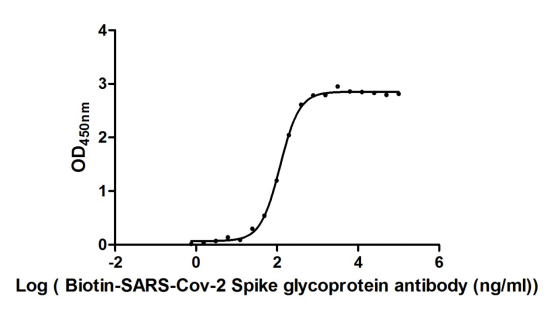
Recombinant Severe acute respiratory syndrome coronavirus 2 Spike glycoprotein (S), partial (Active)
Express system: Mammalian cell
Species: Severe acute respiratory syndrome coronavirus 2 (2019-nCoV) (SARS-CoV-2)
-
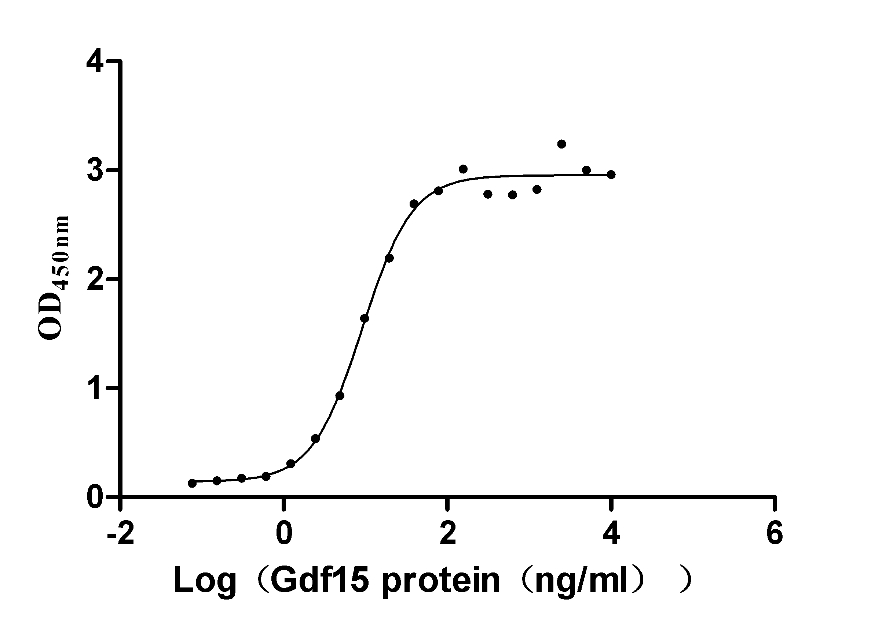
Recombinant Mouse GDNF family receptor alpha-like (Gfral), partial (Active)
Express system: Mammalian cell
Species: Mus musculus (Mouse)
-
Express system: Mammalian cell
Species: Homo sapiens (Human)
-
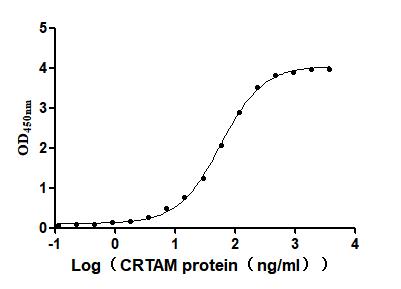
Recombinant Mouse Cytotoxic and regulatory T-cell molecule (Crtam), partial (Active)
Express system: Mammalian cell
Species: Mus musculus (Mouse)
-
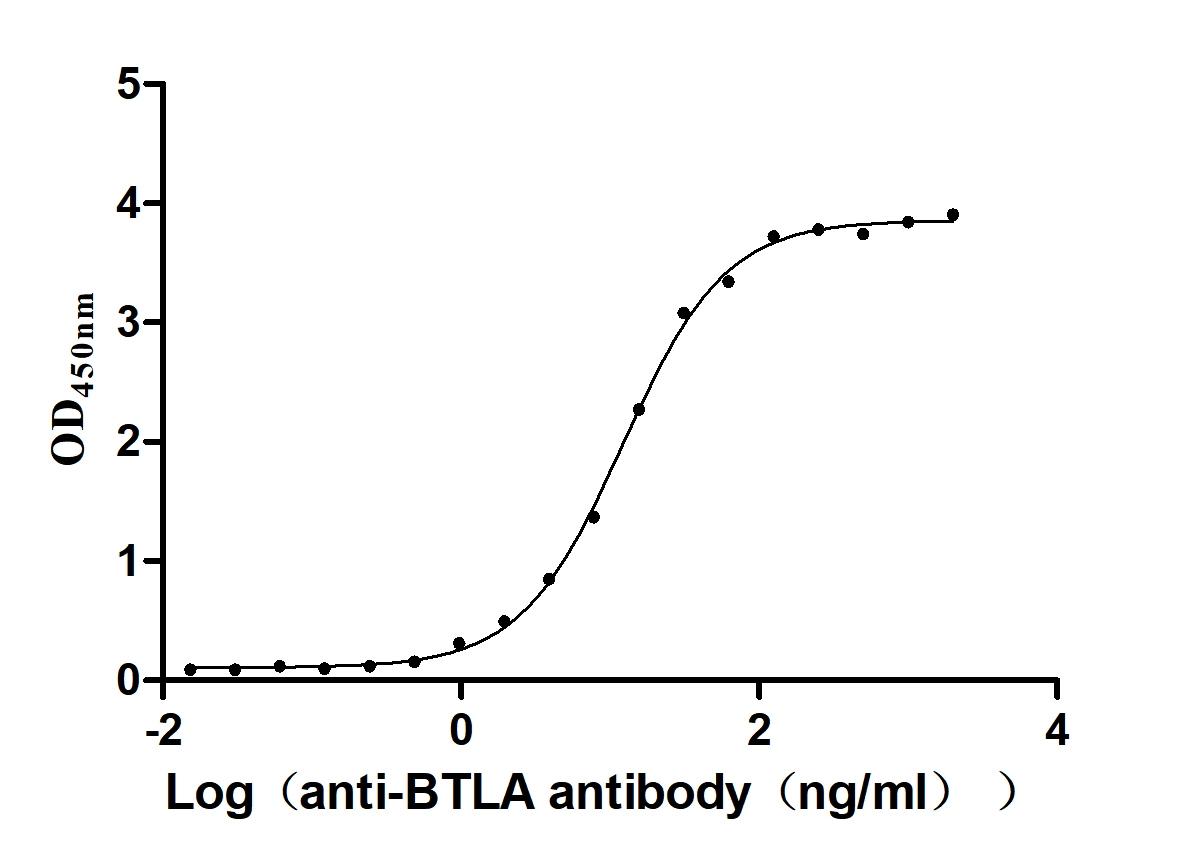
Recombinant Human B- and T-lymphocyte attenuator(BTLA), partial (Active)
Express system: Mammalian cell
Species: Homo sapiens (Human)
-
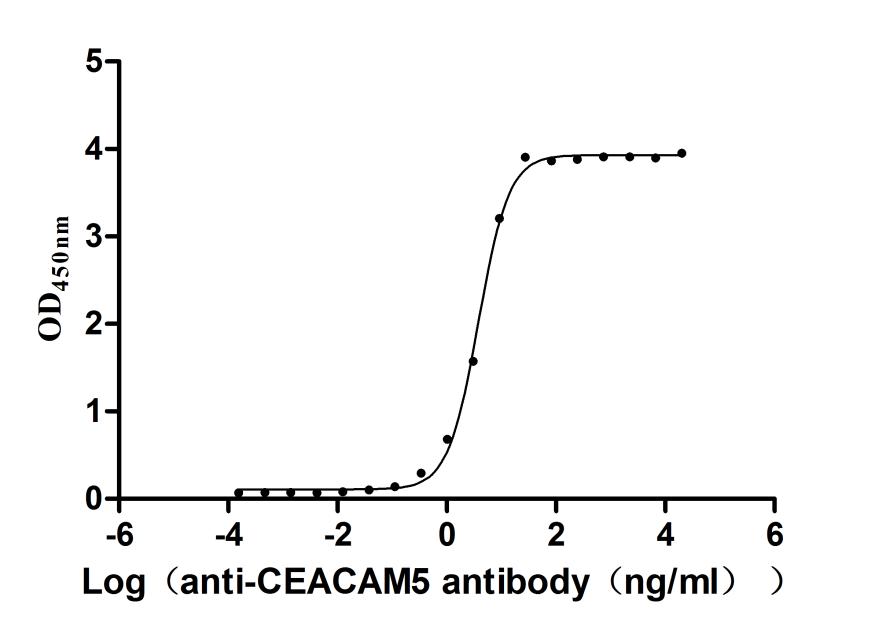
Express system: Mammalian cell
Species: Macaca mulatta (Rhesus macaque)
-
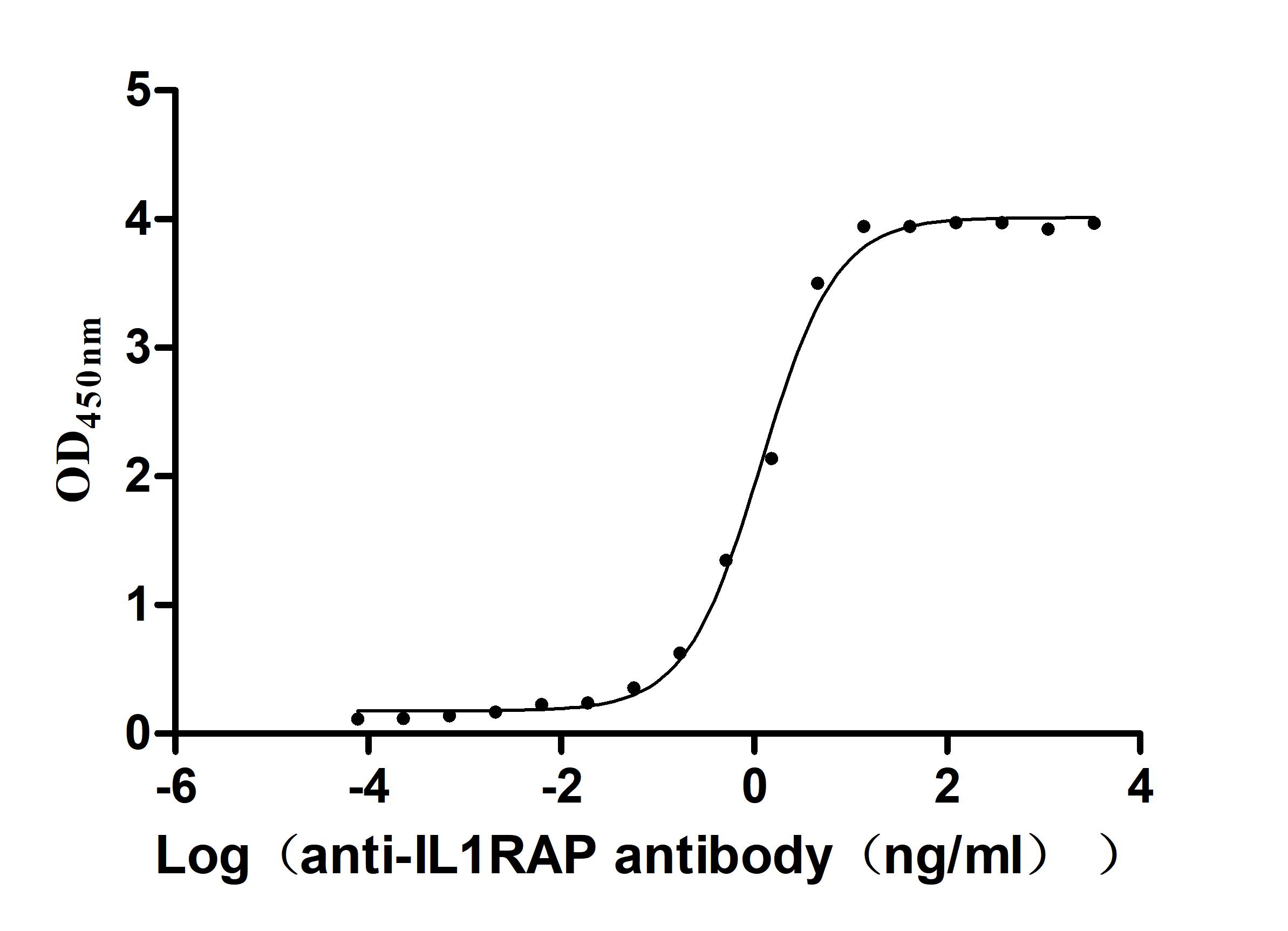
Recombinant Human Interleukin-1 receptor accessory protein (IL1RAP), partial (Active)
Express system: Mammalian cell
Species: Homo sapiens (Human)
-
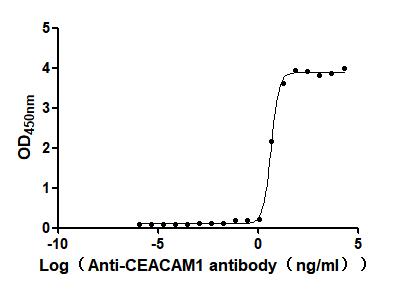
Express system: Mammalian cell
Species: Homo sapiens (Human)