
Recombinant Macaca fascicularis Legumain (LGMN) (Active)
In Stock-
品名簡稱:Recombinant Cynomolgus monkey LGMN protein (Active)
-
貨號:CSB-MP012903MOV1
-
說明書:
-
規格:¥612
-
圖片:
-
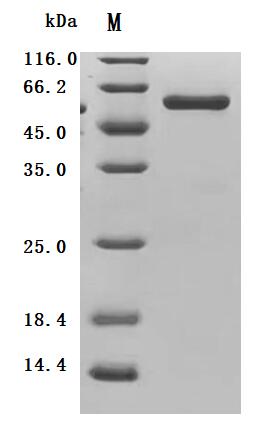 (Tris-Glycine gel) Discontinuous SDS-PAGE (reduced) with 5% enrichment gel and 15% separation gel.
 -
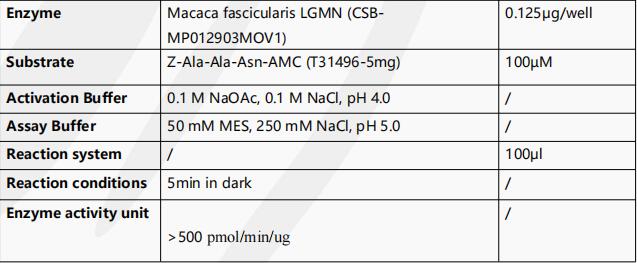 Activity
Measured by its ability to cleave the fluorogenic peptide substrate, N-carbobenzyloxy-Ala-Ala-Asn-7-amido-4-methylcoumarin (Z-AAN-AMC). The specific activity is >500 pmol/min/μg. Biological Activity Assay
-
-
其他:
產品詳情
-
純度:Greater than 95% as determined by SDS-PAGE.
-
內毒素:Less than 1.0 EU/ug as determined by LAL method.
-
生物活性:Measured by its ability to cleave the fluorogenic peptide substrate, N-carbobenzyloxy-Ala-Ala-Asn-7-amido-4-methylcoumarin (Z-AAN-AMC). The specific activity is >500 pmol/min/μg.
-
基因名:
-
Uniprot No.:
-
別名:Legumain; EC 3.4.22.34; Asparaginyl endopeptidase; Protease, cysteine 1
-
種屬:Macaca fascicularis (Crab-eating macaque) (Cynomolgus monkey)
-
蛋白長度:Full Length
-
來源:Mammalian cell
-
分子量:49.0 kDa
-
表達區域:18-433aa
-
氨基酸序列VPIDDPEDGGKHWVVIVAGSNGWYNYRHQADACHAYQIIHRNGIPDEQIVVMMYDDIAYSEDNPTPGIVINRPNGTDVYQGVPKDYTGEDVTPQNFLAVLRGDAEAVKGIGSGKVLKSGPQDHVFVYFTDHGSTGILVFPNEDLHVKDLNETIYYMYKHKMYRKMVFYIEACESGSMMNHLPDNINVYATTAANPRESSYACYYDEKRSTYLGDWYSVNWMEDSDVEDLTKETLHKQYHLVKSHTNTSHVMQYGNKTISTMKVMQFQGMKHKASSPLSLPPVTHLDLTPSPDVPLTIMKRKLMNTNDLEESRQLTEEIQRHLDARHLIEKSVRKIVSLLAASEAEVEQLLSERAPLTGHSCYPEALLHFRTHCFNWHSPTYEYALRHLYVLVNLCEKPYPLHRIKLSMDHVCLGHY
-
蛋白標簽:C-terminal?10xHis-tagged
-
產品提供形式:Lyophilized powder
Note: We will preferentially ship the format that we have in stock, however, if you have any special requirement for the format, please remark your requirement when placing the order, we will prepare according to your demand. -
緩沖液:Lyophilized from a 0.2 μm sterile filtered 20 mM Tris-HCl, 0.5 M NaCl, 6% Trehalose, pH 8.0
-
復溶:We recommend that this vial be briefly centrifuged prior to opening to bring the contents to the bottom. Please reconstitute protein in deionized sterile water to a concentration of 0.1-1.0 mg/mL.We recommend to add 5-50% of glycerol (final concentration) and aliquot for long-term storage at -20°C/-80°C. Our default final concentration of glycerol is 50%. Customers could use it as reference.
-
儲存條件:Store at -20°C/-80°C upon receipt, aliquoting is necessary for mutiple use. Avoid repeated freeze-thaw cycles.
-
保質期:The shelf life is related to many factors, storage state, buffer ingredients, storage temperature and the stability of the protein itself.
Generally, the shelf life of liquid form is 6 months at -20°C/-80°C. The shelf life of lyophilized form is 12 months at -20°C/-80°C. -
貨期:3-7 business days
-
注意事項:Repeated freezing and thawing is not recommended. Store working aliquots at 4℃ for up to one week.
-
Datasheet & COA:Please contact us to get it.
產品評價

相關產品
靶點詳情
-
功能:Has a strict specificity for hydrolysis of asparaginyl bonds. Can also cleave aspartyl bonds slowly, especially under acidic conditions. Required for normal lysosomal protein degradation in renal proximal tubules. Required for normal degradation of internalized EGFR. Plays a role in the regulation of cell proliferation via its role in EGFR degradation. May be involved in the processing of proteins for MHC class II antigen presentation in the lysosomal/endosomal system.
-
亞細胞定位:Lysosome.
-
蛋白家族:Peptidase C13 family
-
數據庫鏈接:
UniGene: Mfa.2014
Most popular with customers
-
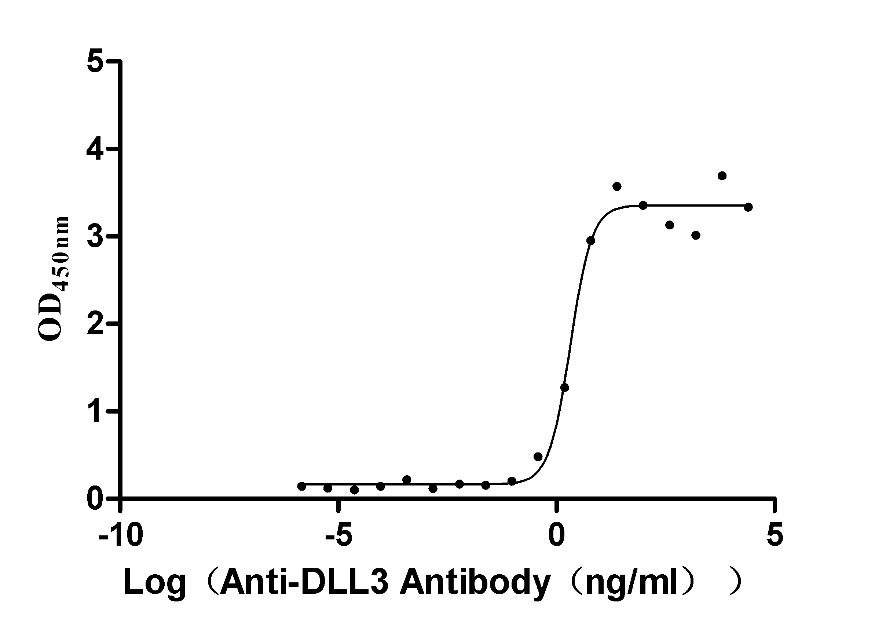
Recombinant Macaca fascicularis Delta-like protein 3 (DLL3), partial (Active)
Express system: Mammalian cell
Species: Macaca fascicularis (Crab-eating macaque) (Cynomolgus monkey)
-
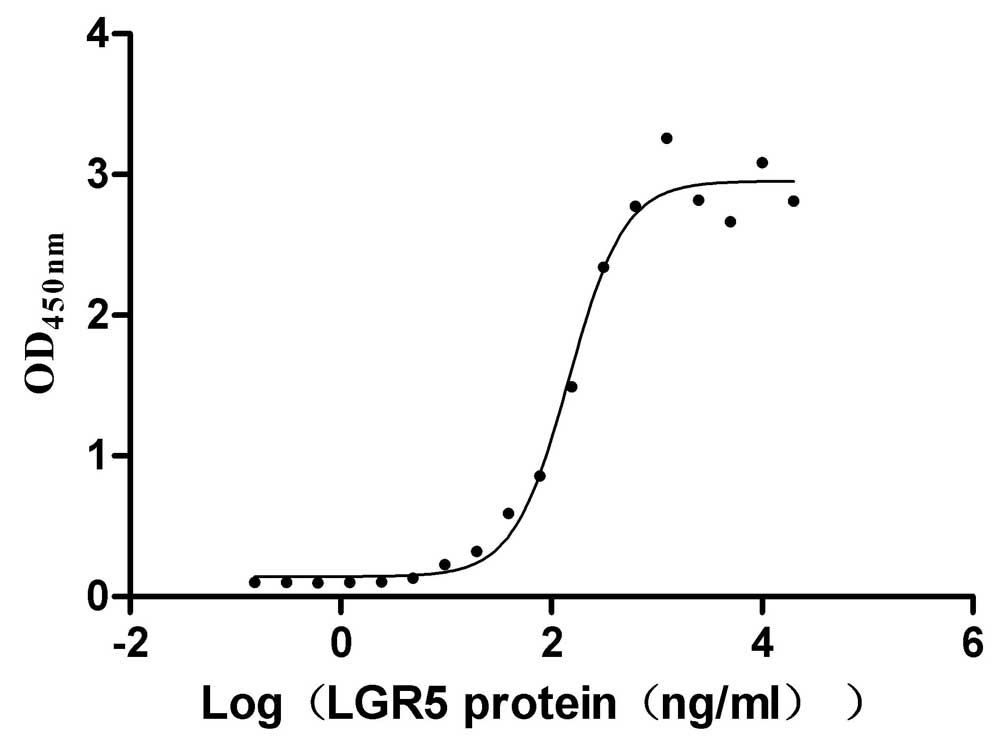
Recombinant Human R-spondin-1 (RSPO1), partial (Active)
Express system: Mammalian cell
Species: Homo sapiens (Human)
-
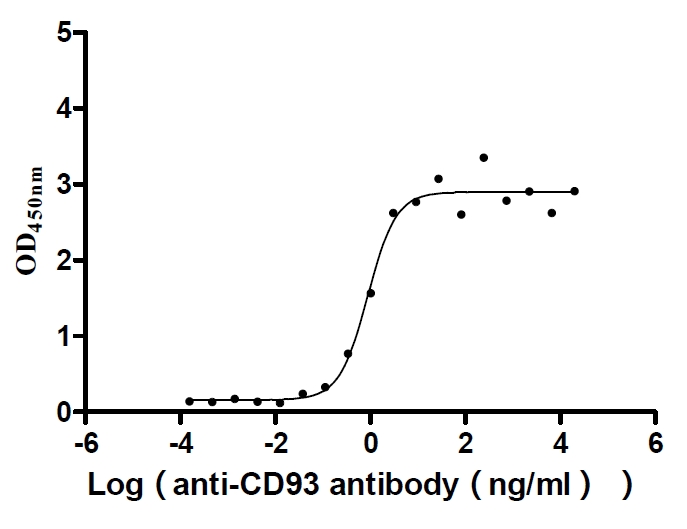
Recombinant Human Complement component C1q receptor (CD93), partial (Active)
Express system: Mammalian cell
Species: Homo sapiens (Human)
-
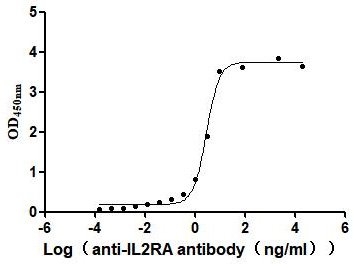
Recombinant Human Interleukin-2 receptor subunit alpha (IL2RA), partial (Active)
Express system: Mammalian cell
Species: Homo sapiens (Human)
-
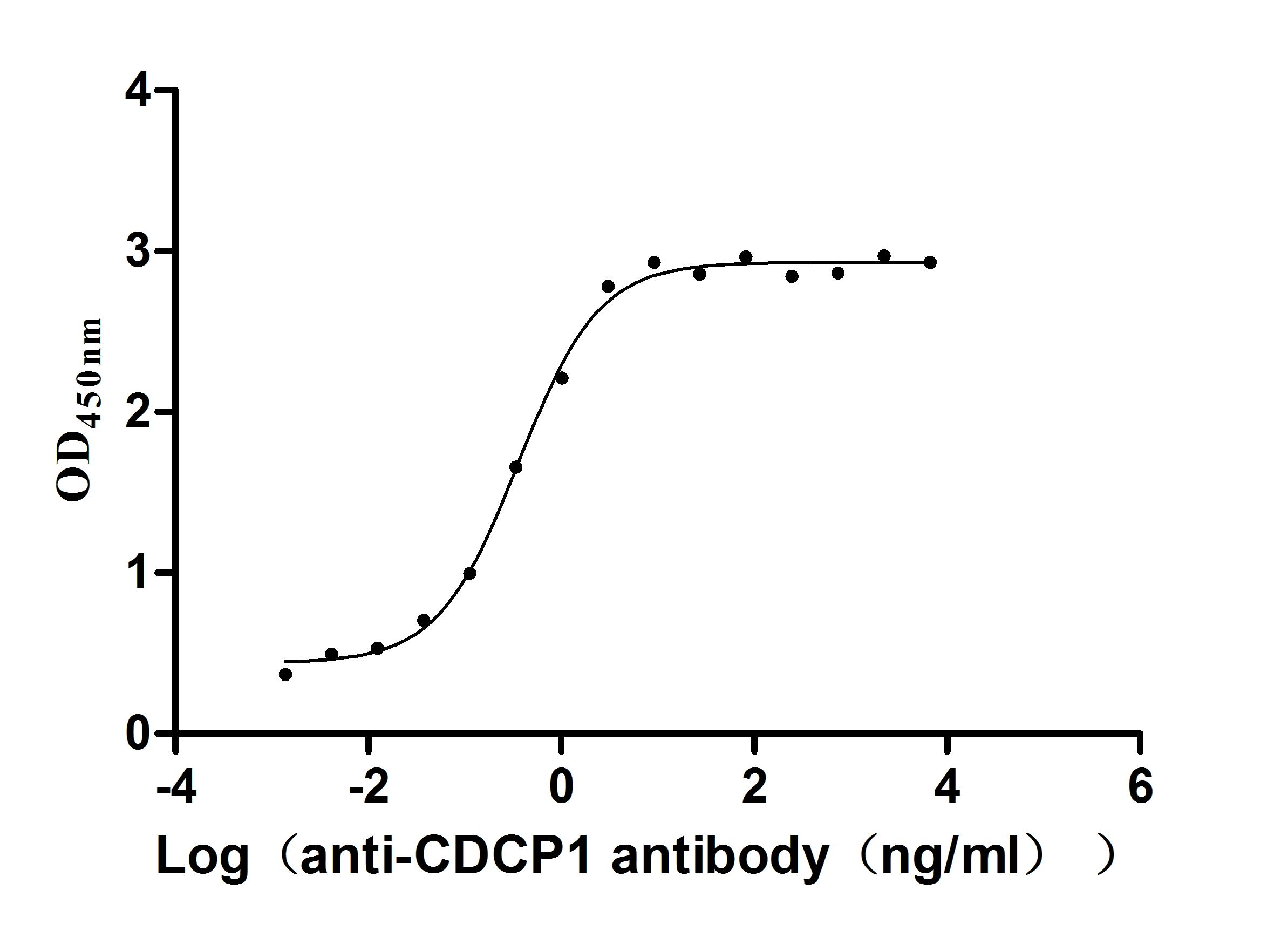
Recombinant Human CUB domain-containing protein 1 (CDCP1), partial (Active)
Express system: Mammalian cell
Species: Homo sapiens (Human)
-
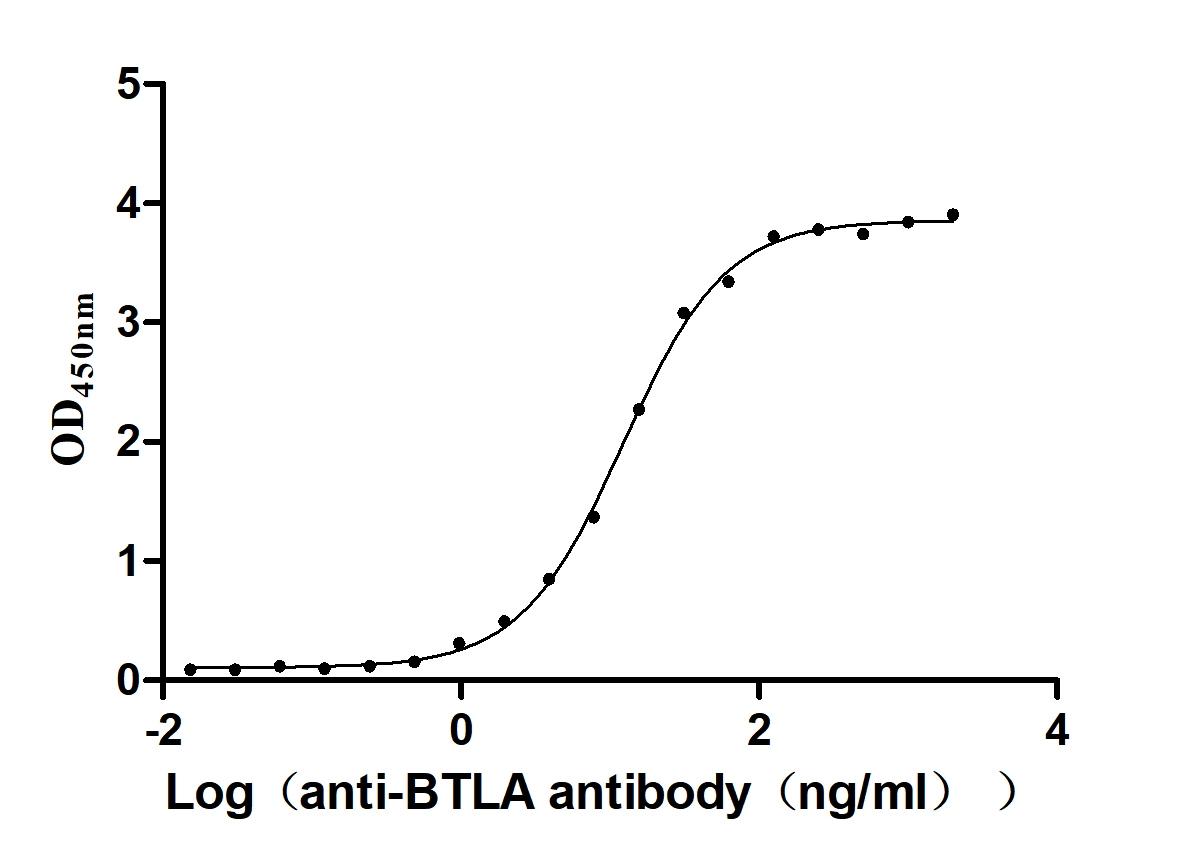
Recombinant Human B- and T-lymphocyte attenuator(BTLA), partial (Active)
Express system: Mammalian cell
Species: Homo sapiens (Human)
-
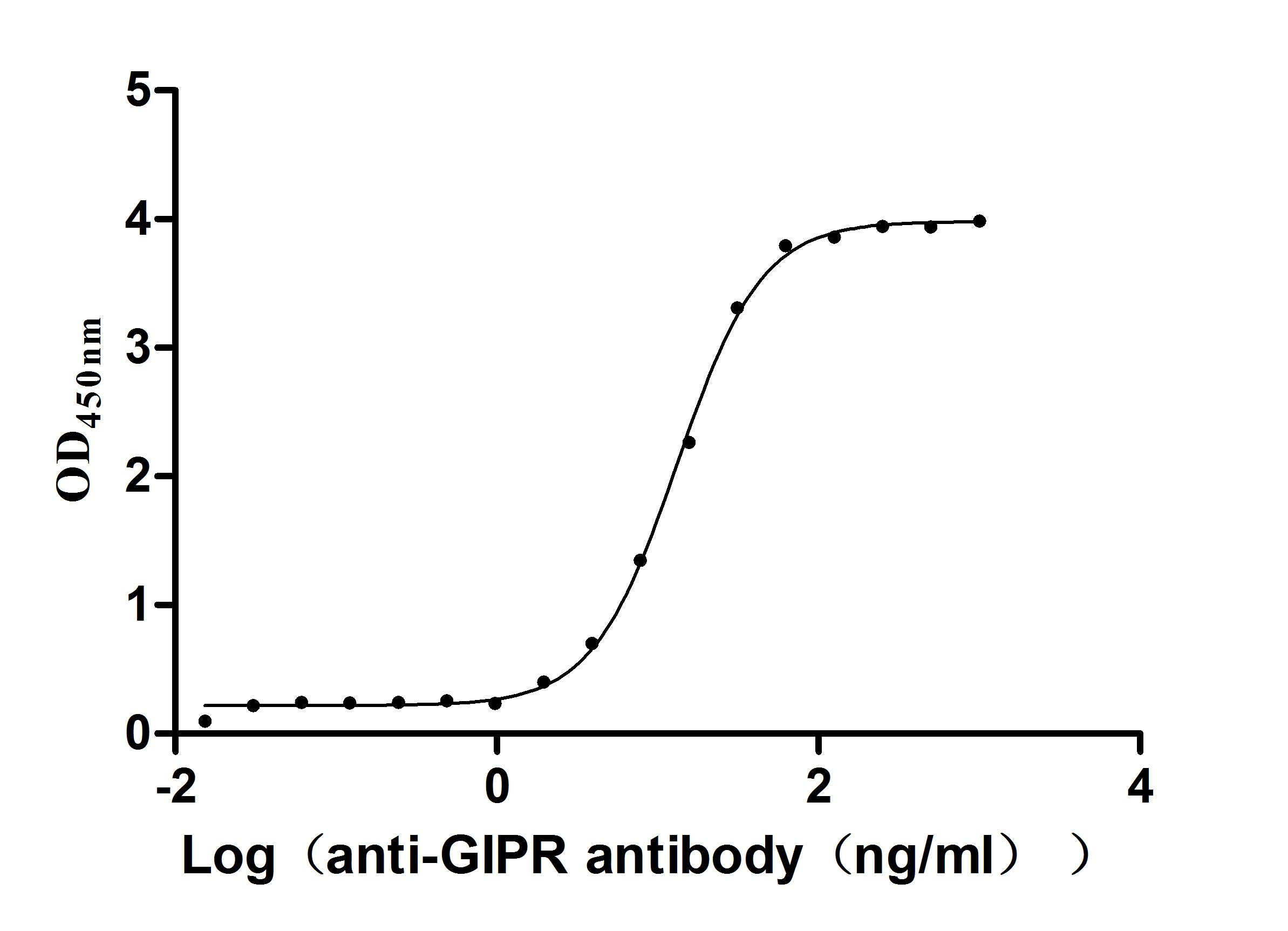
Recombinant Macaca fascicularis Gastric inhibitory polypeptide receptor (GIPR), partial (Active)
Express system: yeast
Species: Macaca fascicularis (Crab-eating macaque) (Cynomolgus monkey)
-
Recombinant Macaca fascicularis Zinc transporter ZIP6 isoform X1(SLC39A6),partial (Active)
Express system: Baculovirus
Species: Macaca fascicularis (Crab-eating macaque) (Cynomolgus monkey)