-
中文名稱:小鼠血管生成素樣蛋白4 (ANGPTL4)酶聯免疫試劑盒
-
貨號:CSB-EL001712MO
-
樣本類型:serum, plasma, tissue homogenates
-
檢測范圍:3.12 pg/mL-200 pg/mL
-
靈敏度:0.78 pg/mL
-
規格:96T/48T
-
價格:¥3600/¥2500
-
促銷:

-
其他:
產品詳情
-
產品描述:小鼠血管生成素樣蛋白4 (ANGPTL4)酶聯免疫試劑盒(CSB-EL001712MO)為競爭法ELISA試劑盒,定量檢測血清、血漿、組織勻漿樣本中的ANGPTL4含量。ANGPTL4是一種重要靶點。它是血管生成素樣蛋白家族成員,在脂質代謝、血管生成等生理過程發揮作用。研究其機制主要聚焦于它對脂蛋白脂肪酶活性的調節,以及在腫瘤血管生成和轉移中的影響,有望為相關疾病治療提供新策略。試劑盒檢測范圍為3.12 pg/mL-200 pg/mL,適用于基礎科研中探索ANGPTL4在代謝調控、心血管病理機制及腫瘤相關信號通路中的作用,可為細胞實驗、動物模型等研究提供精準的蛋白表達數據支持。本品僅用于科研,不用于臨床診斷,產品具體參數及操作步驟詳見產品說明書。
-
別名:Angptl4 ELISA kit; Farp ELISA kit; Fiaf ELISA kit; Ng27Angiopoietin-related protein 4 ELISA kit; 425O18-1 ELISA kit; Angiopoietin-like protein 4 ELISA kit; Fasting-induced adipose factor ELISA kit; Hepatic fibrinogen/angiopoietin-related protein ELISA kit; HFARP ELISA kit; Secreted protein Bk89) [Cleaved into: ANGPTL4 N-terminal chain; ANGPTL4 C-terminal chain] ELISA kit
-
縮寫:
-
Uniprot No.:
-
種屬:Mus musculus (Mouse)
-
反應時間:1-5h
-
上樣量:50-100ul
-
檢測波長:450 nm
-
研究領域:Cardiovascular
-
測定原理:quantitative
-
測定方法:Competitive
-
精密度:
Intra-assay Precision (Precision within an assay): CV%<8% Three samples of known concentration were tested twenty times on one plate to assess. Inter-assay Precision (Precision between assays): CV%<10% Three samples of known concentration were tested in twenty assays to assess. -
線性度:
To assess the linearity of the assay, samples were spiked with high concentrations of mouse ANGPTL4 in various matrices and diluted with the Sample Diluent to produce samples with values within the dynamic range of the assay. Sample Serum(n=4) 1:100 Average % 85 Range % 81-89 1:200 Average % 92 Range % 88-96 1:400 Average % 87 Range % 82-92 1:800 Average % 100 Range % 97-103 -
回收率:
The recovery of mouse ANGPTL4 spiked to levels throughout the range of the assay in various matrices was evaluated. Samples were diluted prior to assay as directed in the Sample Preparation section. Sample Type Average % Recovery Range Serum (n=5) 101 99-104 EDTA plasma (n=4) 88 85-91 -
標準曲線:
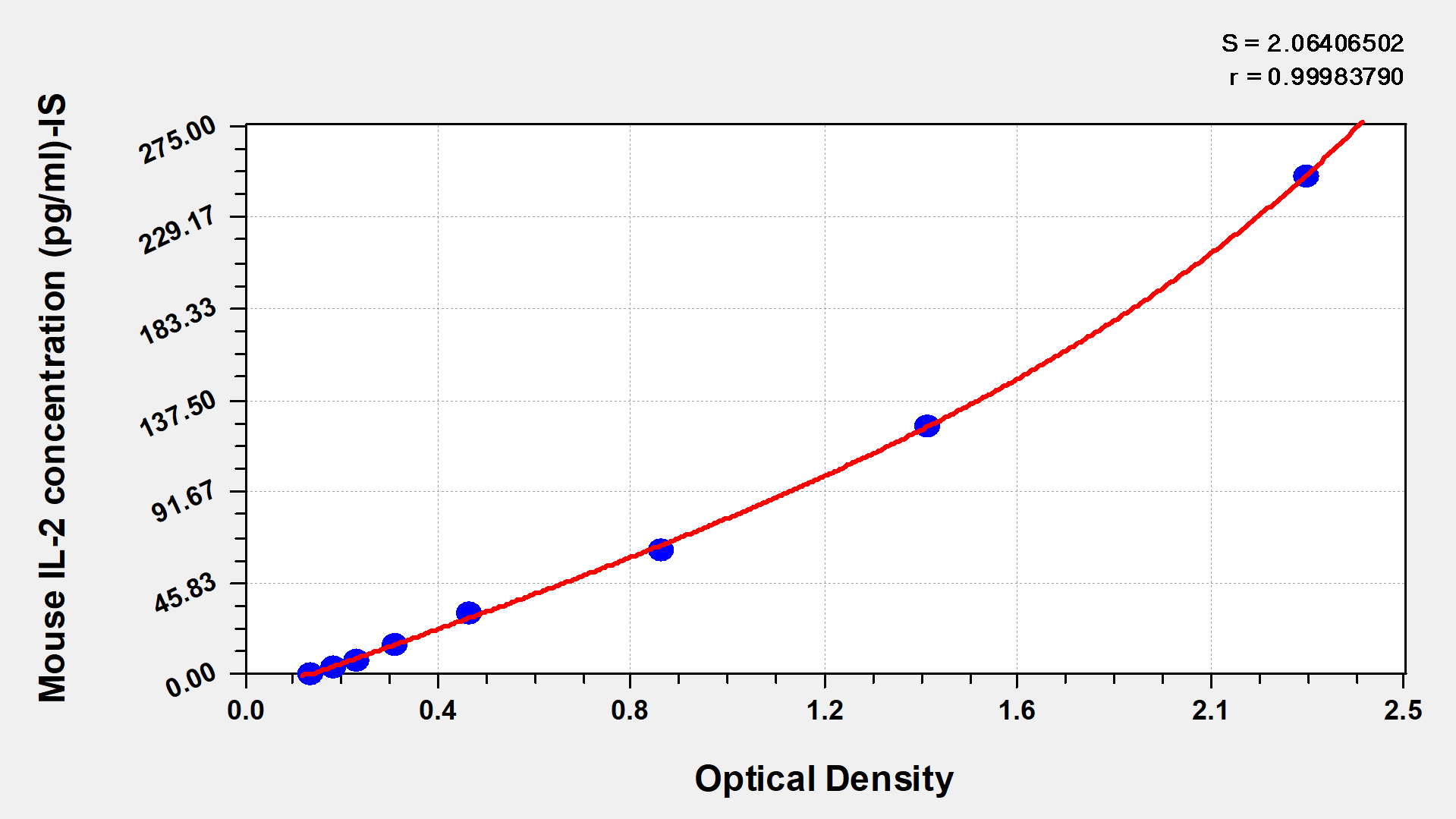
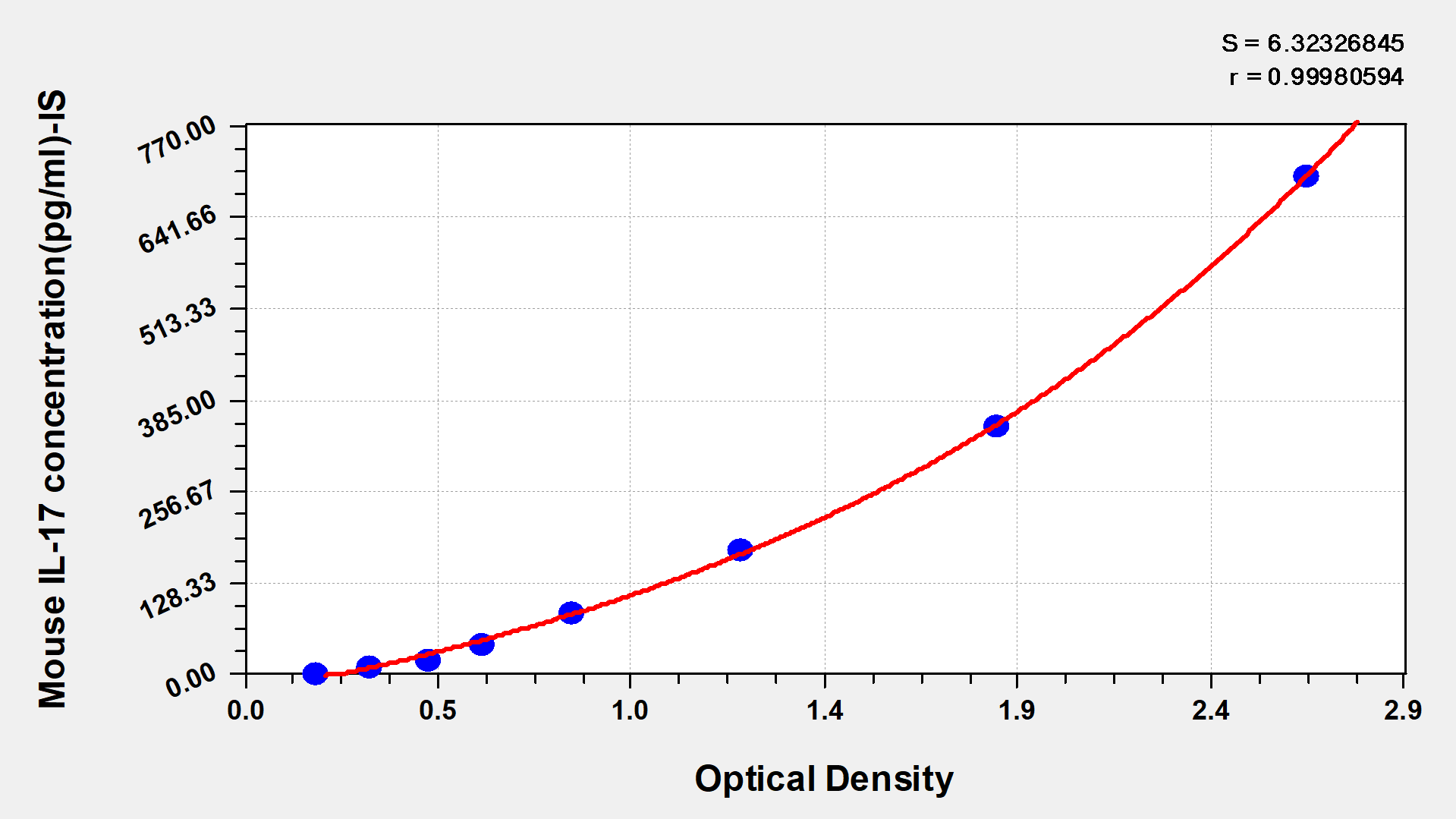
These standard curves are provided for demonstration only. A standard curve should be generated for each set of samples assayed. 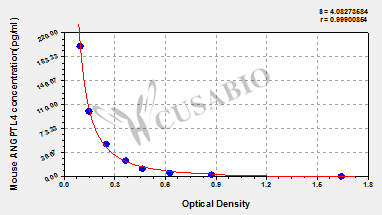
pg/ml OD1 OD2 Average 200 0.100 0.102 0.101 100 0.146 0.153 0.150 50 0.254 0.247 0.251 25 0.357 0.368 0.363 12.5 0.466 0.457 0.462 6.25 0.601 0.638 0.620 3.125 0.842 0.872 0.857 0 1.621 1.598 1.610 -
數據處理:
-
貨期:3-5 working days
引用文獻
- ANGPTL4 attenuates palmitic acid-induced endothelial cell injury by increasing autophagy W Zhan,Cellular signalling,2023
- Anti-mullerian hormone attenuates insulin resistance and systemic inflammation in old obese C57BL/6 male mice F Poursoleiman,Journal of Diabetes & Metabolic Disorders,2021
產品評價

相關產品
靶點詳情
-
功能:Mediates inactivation of the lipoprotein lipase LPL, and thereby plays a role in the regulation of triglyceride clearance from the blood serum and in lipid metabolism. May also play a role in regulating glucose homeostasis and insulin sensitivity. Inhibits proliferation, migration, and tubule formation of endothelial cells and reduces vascular leakage. Upon heterologous expression, inhibits the adhesion of endothelial cell to the extracellular matrix (ECM), and inhibits the reorganization of the actin cytoskeleton, formation of actin stress fibers and focal adhesions in endothelial cells that have adhered to ANGPTL4-containing ECM (in vitro). Depending on context, may modulate tumor-related angiogenesis (Probable).; Mediates inactivation of the lipoprotein lipase LPL, and thereby plays an important role in the regulation of triglyceride clearance from the blood serum and in lipid metabolism. Has higher activity in LPL inactivation than the uncleaved protein.
-
基因功能參考文獻:
- miR-134 accelerates atherogenesis by promoting lipid accumulation and proinflammatory cytokine secretion via the ANGPTL4/LPL pathway PMID: 28867683
- Functional studies in Angptl4-deficient mice confirm improved insulin sensitivity and glucose homeostasis. PMID: 29899519
- Data show that angiopoietin-like protein 4 (ANGPTL4)deficiency in mice knockout (ANGPTL4(-/-)) exacerbated colonic inflammation induced by dextran sulfate sodium (DSS) or stearic acid. PMID: 28287161
- Angptl4 is induced early in fasting to divert uptake of fatty acids and triglycerides away from adipose tissues. PMID: 28752045
- haematopoietic ANGPTL4 deficiency increases atherogenesis through regulating myeloid progenitor cell expansion and differentiation, foam cell formation and vascular inflammation. PMID: 27460411
- Following ANGPTL4 downregulation, the proliferation and invasion abilities of gastric cancer (GC)cell lines were suppressed as determined by MTT and Transwell assays, and cell apoptosis level and sensitivity to cisplatin were increased as determined by flow cytometry and MTT assay. In conclusion, these findings suggest that ANGPTL4 may be a new potential therapeutic target for GC PMID: 29436683
- The influence of H2O2 on ANGPTL4 provided new insight into the mechanism of atherosclerosis. PMID: 28849063
- The reduction of plasma triglyceride levels in Angptl4(-/-) mice and increase following Angptl4 overexpression suggest that changes in plasma triglyceride metabolism do not regulate alpha-cells in the pancreas. Our findings corroborate recent data showing that increased plasma amino acids and their transport into alpha-cells link glucagon receptor blockage to alpha-cell hyperplasia PMID: 28143927
- study demonstrates the key role of Angptl4 in glucocorticoid-augmented hepatic ceramide production that induces whole-body insulin resistance. PMID: 28743803
- 1) ANGPTL4 is not involved in the triglyceride-lowering effect ofbile acids ; 2) ANGPTL4 promotes bile acids absorption during taurocholic acid supplementation via a mechanism dependent on the gut microbiota. PMID: 28733267
- physiological changes in adipose tissue ANGPTL4 expression during fasting and cold resulted in inverse changes in the amount of mature-glycosylated LPL in wild-type mice, but not Angptl4(-/-) mice. We conclude that ANGPTL4 promotes loss of intracellular LPL by stimulating LPL degradation after LPL processing in the endoplasmic reticulum (ER). PMID: 27034464
- Angptl4-deficient mice show impaired insulin secretion and dysmorphic pancreatic islets. PMID: 28188788
- Angptl4 induces obesity-associated metabolic disorders. The present study suggested that Angptl4 promotes liver steatosis and lipolysis, in addition to impairing liver function; while Angptl4 improves glucose tolerance and insulin resistance, in addition to causing the downregulation of various insulin signaling pathway-associated genes. PMID: 27573470
- ANGPTL4 is part of a shuttling mechanism that directs fatty acids derived from circulating triglyceride-rich lipoproteins to brown adipose tissue during cold. PMID: 26476336
- these results suggest that IL-1beta increases Angptl4 expression through a mechanism dependent on the JNK-MAPK signaling pathway in MC3T3-E1 cells. PMID: 26069075
- glucagon receptor antagonist improves glycemia in diet-induced obese angptl4 knockout mice without increasing glucagon levels or alpha-cell proliferation, underscoring the importance of this protein. PMID: 26621734
- This study showed that phloridzin improved plasma lipoprotein lipase activity via a decrease of ANGPTL4 mRNA expression and an increase of AMP-activated protein kinase phosphorylation. PMID: 24932810
- Letter: Angiopoietin-like 4 is induced during sebocyte differentiation and regulates sebaceous lipogenesis in vitro but is dispensable for sebaceous gland function in vivo. PMID: 24815769
- GR and FoxO1 are required for Angptl4 transcription activation, and that FoxO1 negatively mediates the suppressive effect of insulin PMID: 24565756
- ANGPTL4 is a genetically and epigenetically inactivated secreted tumor suppressor that inhibits tumor angiogenesis. PMID: 23686315
- inactivation of LPL by Angptl4 appears to occur after both proteins have traveled along the secretory pathway and arrived at the cell surface. PMID: 24220340
- Angptl4 is necessary for rapid modulation of lipoprotein lipase activity in adipose tissue. PMID: 23176178
- Depletion of adipose angiopoietin-like 4 abolishes intermittent hypoxia-induced dyslipidemia and atherosclerosis in mice, and is regulated by hypoxia-inducible factor-1. PMID: 23328524
- Angptl4 suppresses foam cell formation to reduce atherosclerosis development. PMID: 23640487
- Angptls would be useful in instances where there is a need to maintain HSCs ex vivo, such as during transduction for gene therapy applications PMID: 22639947
- Locally expressed Angptl4 might play a role in local uterine/placental lipid metabolism. PMID: 22350948
- The effect of Toll-like Receptor activation on the expression of macrophage ANGPTL4 was studied. PMID: 22538368
- Angptl4 mRNA expression was increased through the elevated free FAs in diabetic mice. PMID: 22068616
- Data showed that PPARbeta/delta regulates epidermal maturation via ANGPTL4-mediated signalling pathway. PMID: 21966511
- ANGPTL4 tunes endothelial cell junction organization and pericyte coverage and controls vascular permeability and angiogenesis, both during development and in pathological conditions. PMID: 21832056
- serum LDL, HDL and TG levels are decreased in LDLR-, Angptl- mice. PMID: 21549101
- the cleavage of ANGPTL4 by these PCs modulates its inhibitory effect on LPL activity. PMID: 21398697
- Angiopoietin-like 4 interacts with integrins beta1 and beta5 to modulate keratinocyte migration. PMID: 20952587
- Angptl4 protects against severe proinflammatory effects of saturated fat by inhibiting fatty acid uptake into mesenteric lymph node macrophages. PMID: 21109191
- Decreased fat storage by Lactobacillus paracasei is associated with increased levels of ANGPTL4. PMID: 20927337
- Valsartan reduced fiaf gene expression in subcutaneous, but not visceral, fat in the ob/ob mouse. PMID: 20472602
- Angptl4-null mice were resistant to diet-induced obesity, indicating obesity-promoting effects of Angptl4 under the condition of fat-enriched diet. PMID: 20798332
- ANGPTL4 interacts with vitronectin and fibronectin in the wound bed, delaying their proteolytic degradation by metalloproteinases. PMID: 20729546
- Stimulation of cardiac Angptl4 gene expression by dietary fatty acids and via PPARbeta/delta is part of a feedback mechanism aimed at protecting the heart against lipid overload and consequently fatty acid-induced oxidative stress. PMID: 20378851
- These studies demonstrate that ANGPTL4 is a positive acute phase protein and the increase in ANGPTL4 could contribute to the hypertriglyceridemia that characteristically occurs during the acute phase response by inhibiting LPL activity. PMID: 20043872
- potent hyperlipidemia-inducing factor in mice and inhibitor of lipoprotein lipase PMID: 12401877
- FIAF may partially exert its function via a truncated form PMID: 15190076
- angiopoietin-like protein 4 has an oligomerization state-dependent hyperlipidemic effect PMID: 15292369
- Induction of Angptl4 in the heart inhibits lipoprotein-derived fatty acid delivery. PMID: 15659544
- Differential regulation of Angptl3 & Angptl4 by sites of expression, nutritional status, & ligands of nuclear receptors may confer unique roles of each in lipoprotein metabolism. Angptl4 expression is activated by ligands of all PPAR. PMID: 15863837
- Angptl4 is a potential angiogenic mediator in arthritis. PMID: 15870027
- Angptl4-deficient mice had hypotriglyceridemia and increased postheparin plasma lipoprotein lipase, with greater effects in fasted state. Deficiecy in both Angptl proteins had additive effect on plasma triglycerides with survival not past 2 months of age. PMID: 16081640
- via physical association with plasma lipoproteins, FIAF acts as a powerful signal from fat and other tissues to prevent fat storage and stimulate fat mobilization PMID: 16272564
- First report of molecular cloning and characterization of ANGPT4in pigs, which will be helpful for a better understanding of the role of ANGPTLs in lipid metabolism. PMID: 16717449
- Hypoxia/ischaemia rapidly increased fiaf mRNA in the injured cortex and hippocampus at 2 and 7 days after hypoxia/ischaemia. PMID: 16837853
顯示更多
收起更多
-
亞細胞定位:Secreted. Secreted, extracellular space, extracellular matrix.
-
組織特異性:Detected in liver and kidney. Predominantly expressed in adipose tissue and is strongly up-regulated by fasting in white adipose tissue and liver.
-
數據庫鏈接:
Most popular with customers
-
Human Transforming Growth factor β1,TGF-β1 ELISA kit
Detect Range: 23.5 pg/ml-1500 pg/ml
Sensitivity: 5.8 pg/ml
-
-
-
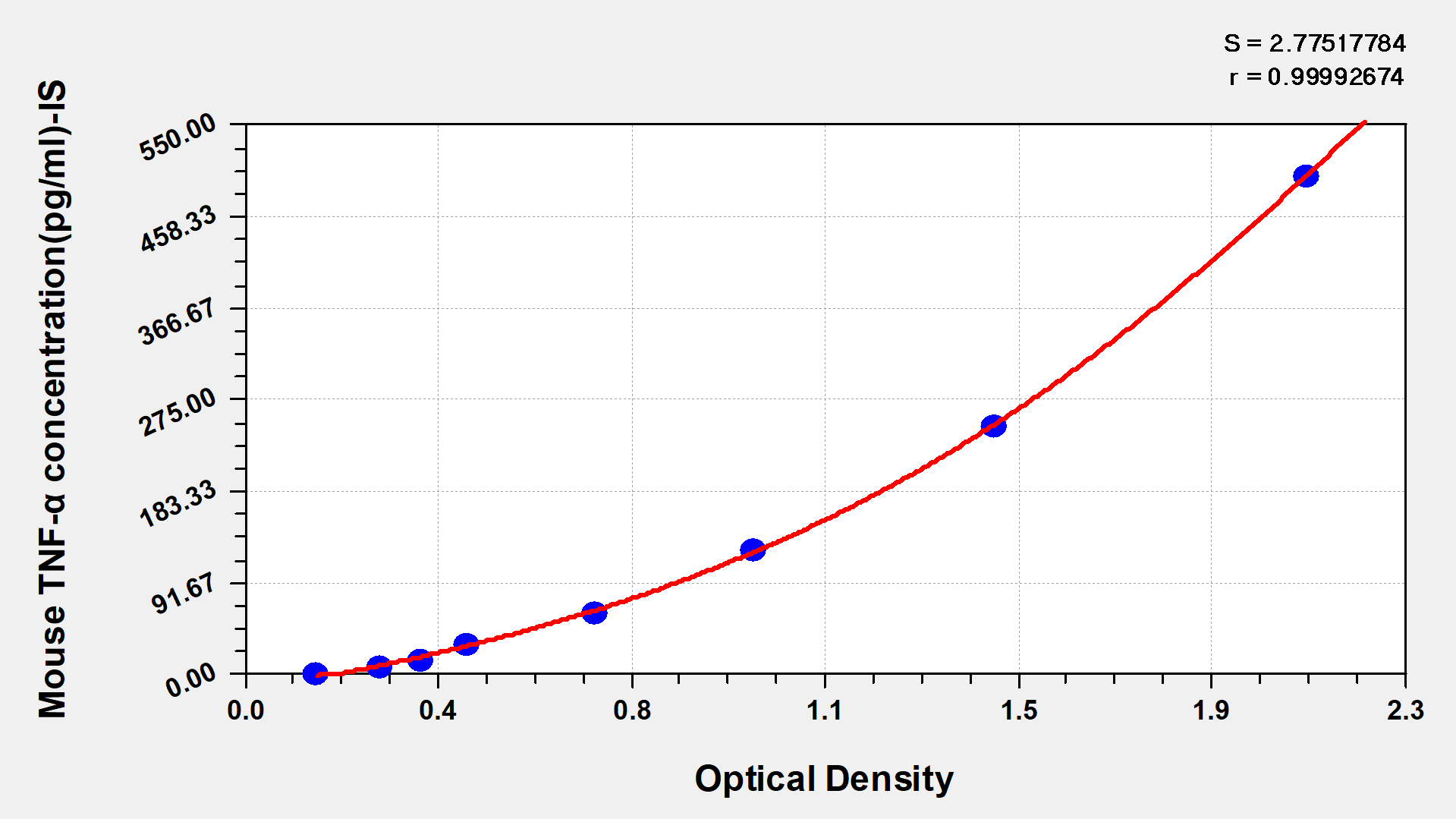
Mouse Tumor necrosis factor α,TNF-α ELISA Kit
Detect Range: 7.8 pg/ml-500 pg/ml
Sensitivity: 1.95 pg/ml
-
-
-
-