Recombinant Mouse C-X-C motif chemokine 2 protein (Cxcl2)
In Stock-
中文名稱:Recombinant Mouse C-X-C motif chemokine 2 protein(Cxcl2) (Active)
-
品名簡稱:Recombinant Mouse Cxcl2 protein (Active)
-
貨號:CSB-AP001071MO
-
說明書:
-
規(guī)格:¥852
-
圖片:
-
-
其他:

產(chǎn)品詳情
-
純度:>97% as determined by SDS-PAGE.
-
內(nèi)毒素:Less than 1.0 EU/μg as determined by LAL method.
-
生物活性:Fully biologically active when compared to standard. The biological activity determined by a chemotaxis bioassay using human neutrophils is in a concentration range of 1.0-10 ng/ml.
-
基因名:
-
Uniprot No.:
-
別名:Cxcl2; Mip-2; Mip2; Scyb2C-X-C motif chemokine 2; Macrophage inflammatory protein 2; MIP2
-
種屬:Mus musculus (Mouse)
-
蛋白長度:Full Length of Mature Protein
-
來源:E.Coli
-
分子量:7.8 kDa
-
表達(dá)區(qū)域:28-100aa
-
氨基酸序列AVVASELRCQ CLKTLPRVDF KNIQSLSVTP PGPHCAQTEV IATLKGGQKVCLDPEAPLVQ KIIQKILNKG KAN
-
蛋白標(biāo)簽:Tag-Free
-
產(chǎn)品提供形式:Liquid or Lyophilized powder
-
緩沖液:0.2 μm filtered 20 mM PB, pH 7.4, 150 mM NaCl ,lyophilized
-
儲存條件:Store at -20°C/-80°C upon receipt, aliquoting is necessary for mutiple use. Avoid repeated freeze-thaw cycles.
-
保質(zhì)期:The shelf life is related to many factors, storage state, buffer ingredients, storage temperature and the stability of the protein itself.
Generally, the shelf life of liquid form is 6 months at -20°C/-80°C. The shelf life of lyophilized form is 12 months at -20°C/-80°C. -
貨期:5-10 business days
-
Datasheet & COA:Please contact us to get it.
產(chǎn)品評價

相關(guān)產(chǎn)品
靶點詳情
-
功能:Chemotactic for human polymorphonuclear leukocytes but does not induce chemokinesis or an oxidative burst.
-
基因功能參考文獻(xiàn):
- The studies revealed that, although overall structural and oligomerization features of CXCL3 and CXCL2 are similar, prominent differences were observed in their surface characteristics, thus implicating a functional divergence. PMID: 28928065
- TIARP independently down-regulated CXCL2 and IL-6 production by fibroblast-like synoviocytes, and the expression of chemokine receptors (CXCR1 and CXCR2) in neutrophils, with resultant reduction of neutrophil migration into arthritic joints. PMID: 27995997
- a paracrine role for Hippo-mediated secretion of CXCL1 and CXCL2 in the production of anti-microbial peptides (beta-defensins), iNOS, NOX2 and pro-inflammatory molecules during mycobacterial infection of the host, is reported. PMID: 27883091
- Taken together, the data of the present study demonstrated that TcpC can induce MIP2 production, which may contribute to the characteristic histological change associated with pyelonephritis. PMID: 28765918
- mip-2 siRNA and the MIP-2 antibody can reduce the inflammatory effects induced by lipopolysaccharide in macrophage cells. PMID: 28662496
- this study demonstrates that in vivo blocking of CXCL1 and CXCL2 can significantly reduce the Mycobacterium tuberculosis-induced bioactive IL-1beta production PMID: 28739876
- These data identify suppression of CXCL2 and CXCL5 chemoattractant expression by 11beta-HSD1 as a novel mechanism with potential for regulation of neutrophil recruitment to the injured myocardium, and cardiac fibroblasts as a key site for intracellular glucocorticoid regeneration during acute inflammation following myocardial injury. PMID: 28522730
- findings show that SRC-3 contributes to host defense against enteric bacteria, at least in part via upregulating CXCL2 expression to recruit neutrophils PMID: 28053238
- p53-mediated induction of PAI-1 expression due to chronic CS exposure exacerbates lung inflammation through elaboration of CXCL1, CXCL2, and CXCR2. PMID: 26747783
- Social defeat induced an exposure-dependent increase in mRNA levels of E-selectin, CXCL1, and CXCL2 that increased with additional days of social defeat. PMID: 25445193
- MIP-2 directly impairs neonatal pulmonary endothelial cell migration in vitro. PMID: 26163511
- SIRT2 regulates LPS induced proximal renal tubules CXCL2 protein expression. PMID: 25349202
- miR26a/-26b-COX-2-MIP-2 loop regulates allergic inflammation and the feedback relationship between allergic inflammation and the enhanced tumorigenic and metastatic potential PMID: 25907560
- huH1N1 virus PA and NA mediated increased MIP-2 expression early postinfection, resulting in substantial pulmonary neutrophilia with enhanced lung pathology and disease PMID: 25762737
- Syndecan-1 is expressed in the parietal peritoneum microvasculature but does not regulate leukocyte recruitment and is not necessary for the presentation of the chemokine MIP-2 in this tissue. PMID: 25184228
- Identified TLR2 and S100A8/S100A9 as key regulators of hepatic CXCL-2 expression and neutrophil recruitment. PMID: 24333183
- Suggest anti-inflammatory action of daidzein in lung epithelial cells is mediated via a direct interaction with PARP-1, which inhibits RelA/p65 protein PARylation required for the transcriptional modulation of pro-inflammatory chemokines such as Cxcl2. PMID: 24632845
- suppression of CXCL2 expression may contribute to the beneficial effect of Am80 as a therapeutic agent for intracerebral hemorrhage. PMID: 24659080
- Neutrophil recruitment and the neutrophil cytokines, CXCL1/CXCL2, were suppressed in apo(a)transgenic mice in the abdominal aortic aneurysm model. PMID: 24650562
- These data identify a cytokine circuit that involves IL-1beta-induced production of CXCL1 and CXCL2 and leads the recruitment of neutrophils to streptococcal infection sites. PMID: 25114117
- Data indicate that levels of toll-like receptors TLR4/4-stimulated chemokines CXCL1 and CXCL2 were selectively enhanced in stressed macrophages via receptor-interacting protein kinase 1 (RIPK1). PMID: 24920846
- Commensal bacteria-dependent select expression of CXCL2 contributes to periodontal tissue homeostasis. PMID: 23433011
- these results strongly suggest that both lack of HOCl and accumulation of H2O2 due to MPO deficiency contribute to the up-regulation of MIP-2 production in mouse neutrophils stimulated with zymosan PMID: 23438680
- Interferonalpha stimulates production of maladaptive proinflammatory CXCL2 by renal tubular cells. PMID: 23657854
- the model that mast cells, optimally positioned in close proximity to the vasculature, initiate an early phase of neutrophil recruitment by releasing the chemoattractants CXCL1/CXCL2. PMID: 23645836
- The results of this study suggested that MIP-2gamma mediates the pathogenesis of central nervous system disorders associated with neutrophil infiltration in the brain and decreased GLT-1 activity. PMID: 23234294
- Systemic treatment with CXCL12 promotes a more stable atherosclerotic lesion phenotype and enhances the accumulation of smooth muscle progenitor cells in these lesions without promoting atherosclerosis. PMID: 23393393
- these results suggest that increased production of reactive oxygen species by ATP-stimulated macrophages activates the signalling pathways that promote MIP-2 production which, in turn, induces neutrophil migration PMID: 22564028
- TNF-alfa and CXCL-2 mRNAs is induced in mice infected with Leptospira. PMID: 22342618
- results show that augmentation of the MIP-2/CXCR2 axis by hyperacetylation of histone H3 on the promoter region of MIP-2 and CXCR2 located in the injured peripheral nerve elicits chronic neuroinflammation through neutrophil accumulation PMID: 22135382
- Lipopolysaccharide stimulates the induction of CXCL2 in bone marrow macrophages (BMMs), osteoclast precursors, at the transcription level. PMID: 21507677
- MIP-2/CXCL2 induced by Chlamydia pneumoniae infection may initiate lymphocytic lung infiltration that can have long-term effects on tissue (ectopic lymphoid tissue formation) after clearance of active infection. PMID: 20840653
- Rho-kinase signalling regulates TNF-alpha and CXC chemokine formation as well as lipid peroxidation in the reperfused colon. PMID: 20593289
- The aim of this study was to determine whether acinar cells are a source of KC and MIP-2 and to understand their transcriptional regulation. PMID: 20671197
- ATP increases chemokine CXCL2 production via both NFAT transcription factor and protein kinase C/MAP kinase signaling pathways by purinergic receptor P2X7 stimulation in microglia. PMID: 20477948
- Receptor activator of NF-kappa B ligand-induced CXCL2 in osteoclast (OC) precursors plays a key role in the attachment, migration, differentiation, and function of OCs. PMID: 20357249
- Data show that rotavirus-infected macrophages promote neutrophil chemotaxis in response to rhesus rotavirus type A. PMID: 20234283
- The distribution of the functional IL-8 homologues CXCL1/KC, CXCL2/MIP-2, and CXCL5-6/LIX in resting and inflamed murine vessels, is examined. PMID: 20007247
- Neutralization of inflammatory chemokine MIP-2 (CXCL2/GRO-beta) attenuates the inflammation, weight loss, and clinical presentation of heterologously infected mice without impacting bacterial burden. PMID: 20065113
- These data give strong evidence that TRPC6 operates downstream to CXC-type Gq-protein-coupled chemokine receptors upon stimulation with MIP-2 and is crucial for the arrangement of filamentous actin in migrating neutrophils. PMID: 18983454
- Migration of PMNs to the CNS coincided with increased expression of transcripts specific for the CXCR2 ELR-positive chemokine ligands CXCL1, CXCL2, and CXCL5 within the brain PMID: 19893623
- Neutrophil-directed MIP-2 expression and protein secretion are low at the incisional site during the first 6 hrs after experimental surgical injury and are at a high level 24 hrs following injury. PMID: 11907123
- in study of relevance of chemokine expression to selective migration of t-cells and the disease localization in murine graft-versus-host disease, Mip2 was found to be predominantly expressed in spleen, liver, and skin, and not heart. PMID: 12098066
- Macrophage inflammatory protein-2 regulates corneal neovascularization induced by infection with Pseudomonas aeruginosa PMID: 12121220
- NO generated after administration of E. coli serves as an important proinflammatory signal to up-regulate MIP-2 expression in vivo. PMID: 12165537
- Plasma levelof thisprotein was decreased significantly by clodronic acid-encapsulating liposomes in sepsis induced by P.aeruginosa. PMID: 12604029
- High tidal volume ventilation in absence of underlying injury induces intrapulmonary TNF-alpha and MIP-2 expression in mice. PMID: 12807894
- These data show that macrophage inflammatory protein (MIP-2) is important for hepatocyte proliferation after partial hepatectomy and that pharmacological MIP-2 doses after hepatic injury accelerate hepatic regeneration. PMID: 12875976
- induction of secretion in fibrosarcoma cells by NFkappaB and activation of lymphotoxin beta receptor PMID: 12957791
- CXC chemokines play a fundamental role in colonic ischemia/reperfusion and that functional interference with CXC chemokines may protect against pathological inflammation in the colon PMID: 14583342
顯示更多
收起更多
-
亞細(xì)胞定位:Secreted.
-
蛋白家族:Intercrine alpha (chemokine CxC) family
-
數(shù)據(jù)庫鏈接:
Most popular with customers
-
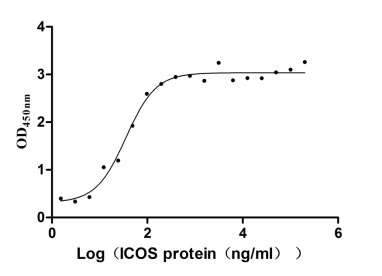
Recombinant Human ICOS ligand (ICOSLG), partial (Active)
Express system: Mammalian cell
Species: Homo sapiens (Human)
-
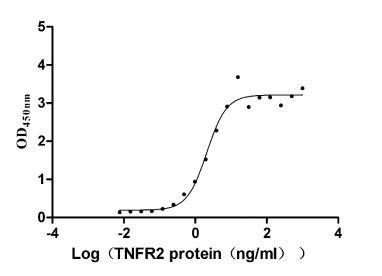
Recombinant Human Lymphotoxin-alpha (LTA) (Active)
Express system: Mammalian cell
Species: Homo sapiens (Human)
-
-AC1.jpg)
Recombinant Human Poliovirus receptor (PVR) (I340M), partial (Active)
Express system: Mammalian cell
Species: Homo sapiens (Human)
-
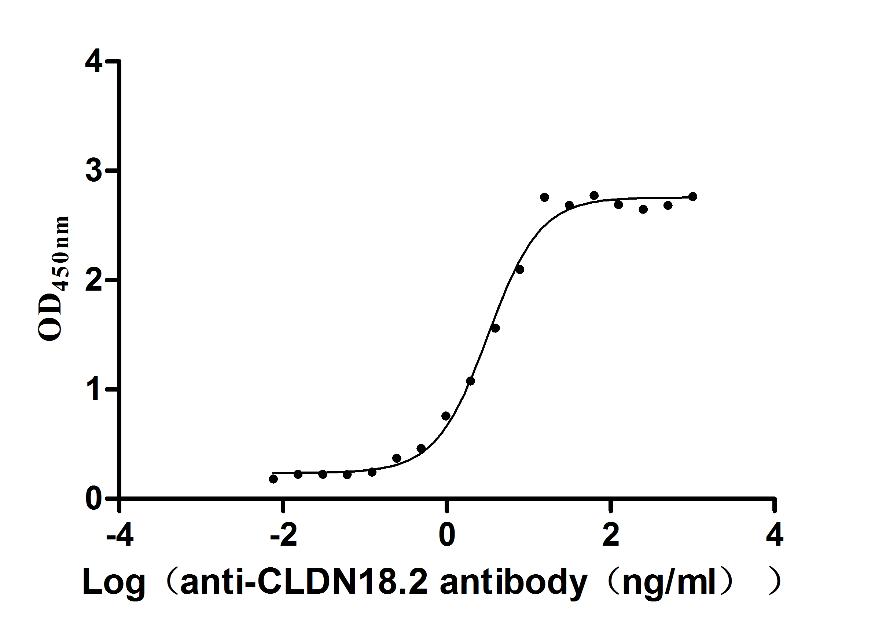
Recombinant Macaca fascicularis Claudin 18.2 (CLDN18.2)-VLPs (Active)
Express system: Mammalian cell
Species: Macaca fascicularis (Crab-eating macaque) (Cynomolgus monkey)
-
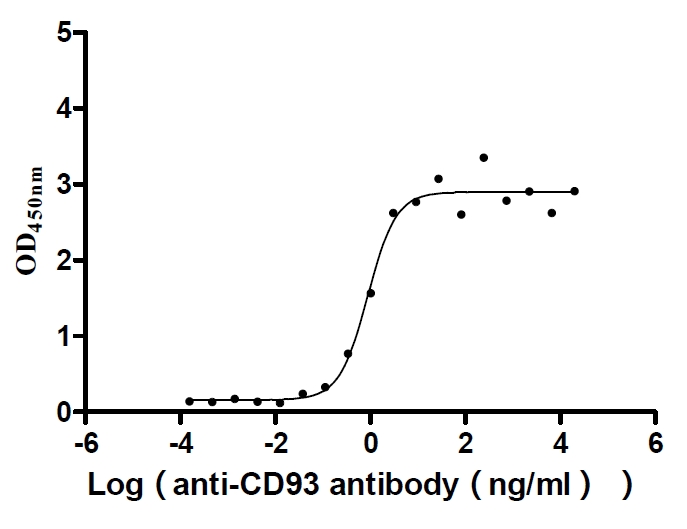
Recombinant Human Complement component C1q receptor (CD93), partial (Active)
Express system: Mammalian cell
Species: Homo sapiens (Human)
-
-AC1.jpg)
Recombinant Human Interleukin-17A (IL17A) (T26A) (Active)
Express system: Baculovirus
Species: Homo sapiens (Human)
-
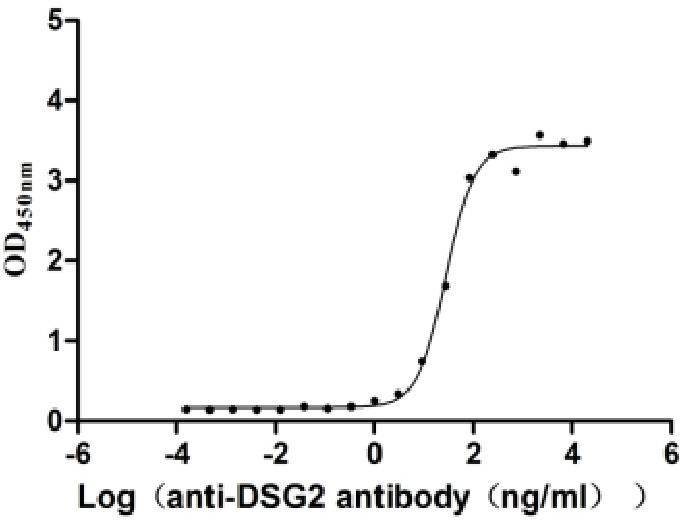
Recombinant Human Desmoglein-2 (DSG2), partial (Active)
Express system: Mammalian cell
Species: Homo sapiens (Human)
-
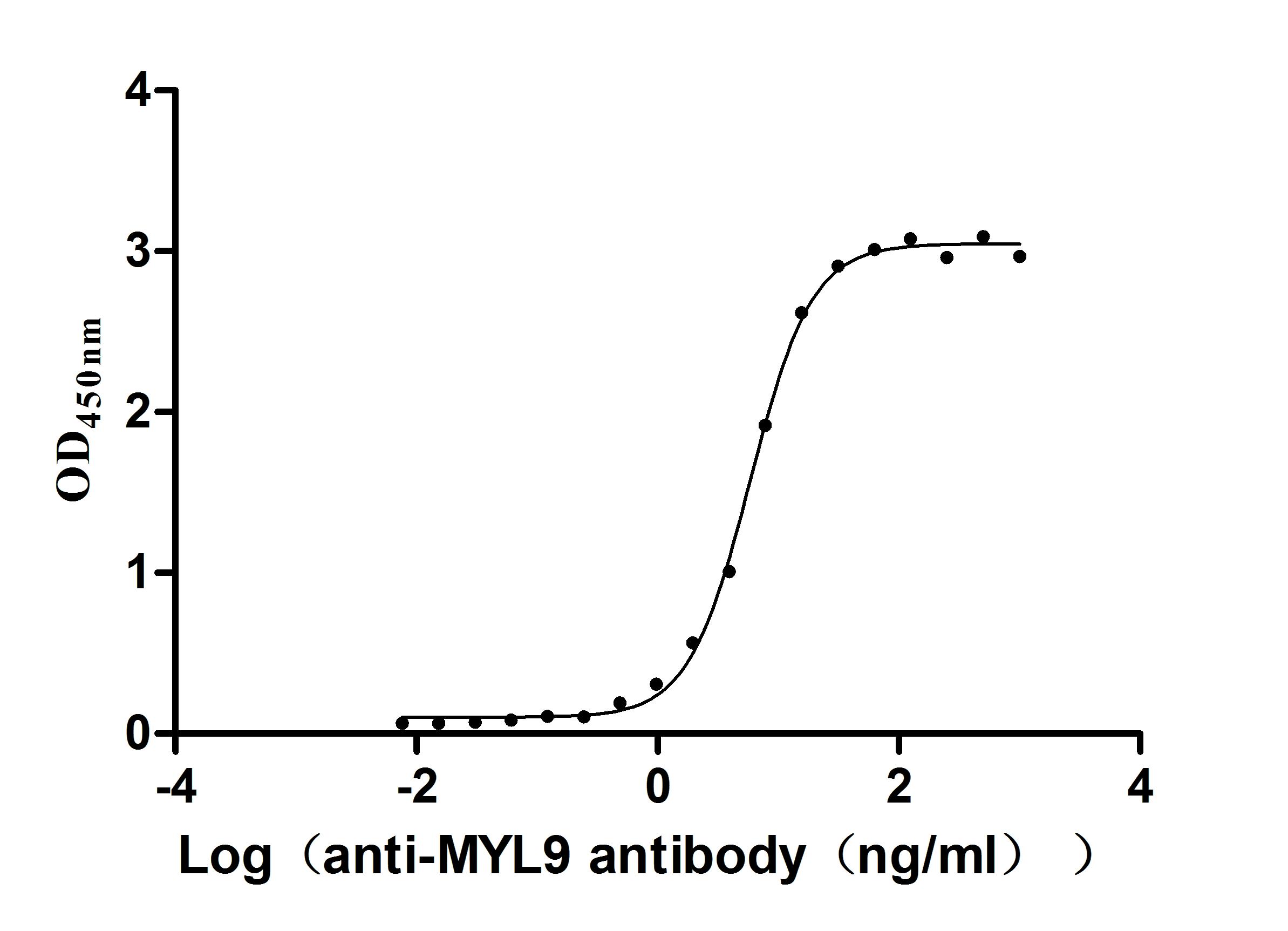
Recombinant Human Myosin regulatory light chain 12A (MYL12A) (Active)
Express system: E.coli
Species: Homo sapiens (Human)